

Have you ever stood in front of your glass shower door, frustration mounting, just after a quick clean? Maybe you’ve scrubbed until your arms ached, only to see stubborn streaks and water spots glaring back at you. That sinking feeling of yet another disappointing attempt to achieve a crystal-clear shine? Yep, I’ve been there. The clock ticking, the soap scum mocking, and the realization that I just spent way too much time chasing perfection that stubbornly refused to cooperate.
Why I Needed a Real Solution, Not Just More Scrubbing
One day, after what felt like the hundredth failed attempt, I stumbled upon an idea that changed everything. It wasn’t about spending more time or harsher chemicals; it was a simple, quick trick that anyone can master. The best part? It only takes five minutes. Trust me, if you’re tired of wasting precious weekend time battling glass streaks, this method will become your new best friend. Today, I’ll share the secret behind my streak-free shower doors—and how you can master it too.
Is it Worth the Hype, or Just Another Fad?
Initially, I was skeptical. I’ve tried all sorts of sprays, squeegees, and elbow grease, only to be disappointed. I made a rookie mistake early on: I believed that the more I scrubbed, the cleaner it would get. Spoiler alert—less is more. This misconception nearly convinced me to give up, but I’m glad I stuck with it. Now, I swear by a simple technique that saves me time, effort, and my sanity. Want to know how I turned my shower from a streaky mess into a glossy haven? Keep reading, because this trick is not what you expect— and it’s surprisingly effective, even for the most stubborn water spots.
Research shows that improper cleaning techniques can leave behind residues that attract water spots, making streaks worse over time (source: Effective cleaning secrets from experts). What I discovered is that a tiny change in my routine made a huge difference. No more wasting fifteen minutes just to see streaks reappear within hours. Instead, I now enjoy a streak-free shine that lasts. Curious how? Let’s explore this game-changing shortcut—trust me, it’s so simple you’ll wonder why no one told you before.
Prep Your Workspace
Start by gathering your tools: a microfiber cloth, distilled water, a few drops of gentle dish soap, and a squeegee. I remember one Saturday morning when I decided to clean my shower doors. I cleared the bathroom, removing any shampoos and soaps, and set out my supplies. This uncluttered space made the process feel less overwhelming and ensured I didn’t forget anything.
Treat Water Spots with a Gentle Solution
Mix the Secret Cleaner
In a spray bottle, combine equal parts distilled water and white vinegar, adding a few drops of dish soap. I once tried using regular tap water, but the mineral content caused more spots. Switching to distilled water minimized mineral deposits, making stubborn spots much easier to tackle. Spray this solution generously onto the glass, focusing on areas with water spots and streaks.
Let It Soak
Allow the mixture to sit for 2-3 minutes. During this time, I usually prepare my microfiber cloth. This short wait helps dissolve mineral deposits and soap scum, making removal more effective without harsh scrubbing, which can scratch glass or spread water spots.
Wipe and Rinse for a Mirror Finish
Use your microfiber cloth to gently wipe the glass in circular motions. If some spots are stubborn, repeat the spraying and soaking process. To prevent streaks, go over the glass with a second damp microfiber cloth, rinsed in distilled water, removing any residual cleaner. This step resembles polishing a mirror to achieve that crystal-clear shine, as I did on a particularly stubborn shower door last weekend.
Final Touch: The Streak-Free Squeegee
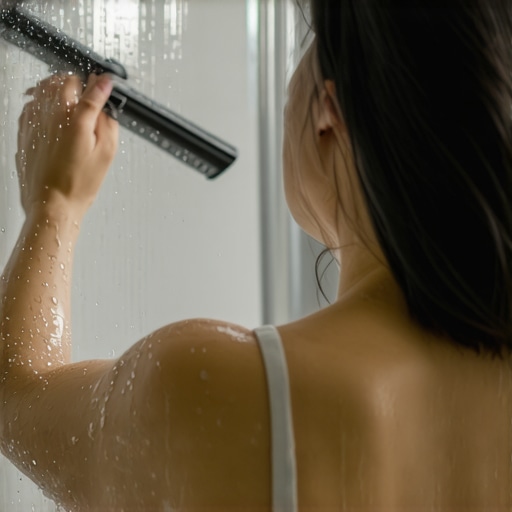
Finish up by running a squeegee from top to bottom, applying firm, even pressure. Think of it as shaving off excess water: quick, confident strokes prevent streaks and watermarks. I prefer to wipe the blade with a clean microfiber cloth after each pass to avoid re-depositing water spots. This simple step transforms a messy cleaning effort into a satisfying, streak-free finish that lasts.
Remember, avoiding abrasive pads and opting for soft cloths protects your glass from scratches, extending its clarity. For more expert house cleaning tips, check out effective house cleaning secrets from experts. Consistent technique and gentle solutions will keep your shower doors shining and eye-catching—no more frustration, just results.
Many homeowners and cleaning enthusiasts believe they fully understand the nuances of proper cleaning techniques, but in reality, there are several hidden pitfalls that can undermine even the most diligent efforts. For instance, widespread myths such as using harsh chemicals on upholstery for quick results or relying solely on steam cleaning for sanitization often lead to subpar outcomes. In high-stakes scenarios like move-out cleaning, misconceptions about the necessity of intensive scrubbing can cause renters to miss critical details, risking deposit deductions.
Why Do So Many Get It Wrong with Upholstery Cleaning? The Subtle Details They Overlook
One common mistake is treating all fabrics equally without considering the fiber types or stain compositions. For example, using abrasive brushes or aggressive chemicals on delicate silk or velvet can cause irreversible damage, yet many assume that a good scrub is universally effective. According to industry experts, proper upholstery cleaning involves understanding fabric-specific cleaning agents and techniques, such as employing low-moisture methods for natural fibers (see professional upholstery tips). Overestimating the cleaning power of household products can lead to persistent residues or discoloration, a trap I once fell into myself.
Irrelevant Sanitizing Hacks That Do More Harm Than Good
Another common misconception revolves around sanitizing. Many believe that simply spraying disinfectants or wiping surfaces with alcohol is enough to eliminate all bacteria and viruses. However, this oversimplifies complex microbial dynamics. Studies indicate that effective sanitization requires adequate contact time, appropriate concentration levels, and targeting porous versus non-porous surfaces differently (source: professional sanitizing insights). Relying solely on quick sprays can give a false sense of security, while in reality, bacteria often survive on less accessible surfaces, especially in high-traffic areas.
Advanced Mistakes in Move-Out Cleaning That Many Miss
In move-out scenarios, a frequent misstep is neglecting small, overlooked spots such as grout lines, light switches, or behind appliances. While big cleaning efforts are necessary, these hidden areas often harbor dirt and grime that can cause landlords to deduct deposits unfairly. Furthermore, believing that a single thorough scrub guarantees full compliance might lead to rushing through the process, leaving residues behind. A comprehensive checklist, like the one available here, is essential to avoid costly mistakes and ensure a spotless return of your security deposit.
How Can Recognizing These Myths Improve Your Cleaning Routine?
Letting go of these misconceptions and embracing expert-backed techniques can dramatically elevate your cleaning efficiency and results. For example, understanding the importance of fabric-specific cleaning agents or the necessity of proper dwell time for disinfectants can prevent damage and promote healthier living spaces. If you’re interested in honing your skills further, explore effective cleaning secrets shared by industry professionals.
Have you ever fallen into this trap? Let me know in the comments! Sharing experiences helps us all improve and avoid these common pitfalls in maintaining a truly clean home.
Keep It Running Smoothly with the Right Tools
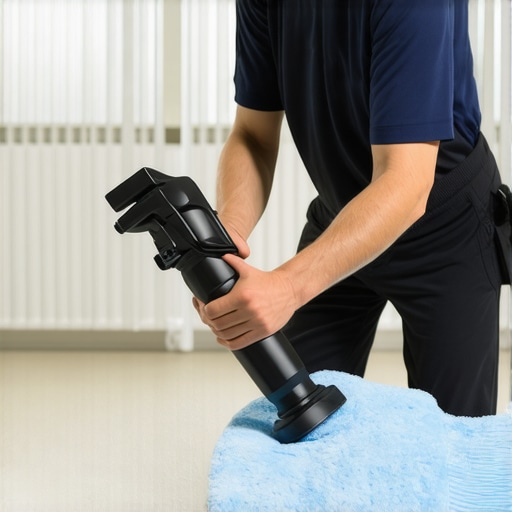
Achieving a professional-level clean in your home isn’t just about elbow grease—it hinges on the tools you choose. From microfiber cloths to specialized cleaning devices, using equipment designed for the task ensures longevity and superior results. I personally rely on high-quality, synthetic microfiber cloths because their dense fibers efficiently trap dust and dirt without leaving lint or scratches, making them ideal for delicate surfaces like glass shower doors and high-gloss cabinets. When it comes to upholstery, I prefer using low-moisture encapsulation machines, which are gentle on fabrics yet highly effective at removing deep-seated stains and dirt, according to professional upholstery tips. Selecting the right equipment not only simplifies the process but also preserves your home’s surfaces over time.
What’s the Secret to Maintaining Your Tools for Long-Term Use?
Proper maintenance transforms good tools into great ones. Regularly washing microfiber cloths in warm water with a touch of mild detergent prevents fiber degradation and bacteria buildup, ensuring they remain effective for hundreds of uses. For electric equipment like steam cleaners or vacuum filters, follow the manufacturer’s instructions for cleaning or replacing parts—most specifically, cleaning out filters every few months to maintain suction power and prevent mold growth. Investing in quality tools and taking time for routine maintenance means your cleaning arsenal stays reliable, saving you money and effort in the long run.
Predicting the Future of Home Maintenance Equipment
As technology evolves, I foresee an increased integration of smart devices into cleaning routines. Imagine robotic vacuums that automatically detect dirt buildup and notify you via smartphone, or app-controlled steam cleaners with customizable settings for different surfaces. With advancements in AI and IoT, maintaining a spotless home might soon be as simple as scheduling and monitoring from your device. Staying updated on these innovations will help you keep your cleaning routine efficient and at the forefront of efficiency.
How Do I Maintain My Cleaning Tools Over Time?
Consistency is key—set a weekly routine to inspect and clean your tools, removing debris from vacuums and replacing worn microfiber pads. Regularly check for wear and tear to prevent tools from becoming less effective or damaging surfaces. For high-usage items like microfiber cloths, I recommend washing after each use in hot water, then air-drying to maintain fabric integrity. Also, store tools in a clean, dry place to prevent mold and dust buildup. Integrating simple care steps like these can extend your equipment’s life dramatically, ensuring you always have the right gear ready for your next cleaning session.
If you’re eager to elevate your cleaning game, try the trick of maintaining microfiber cloths with warm water and mild detergent regularly. It’s an easy step that makes a significant difference in the longevity and effectiveness of your tools. Take control of your cleaning routine today and experience the difference it makes!
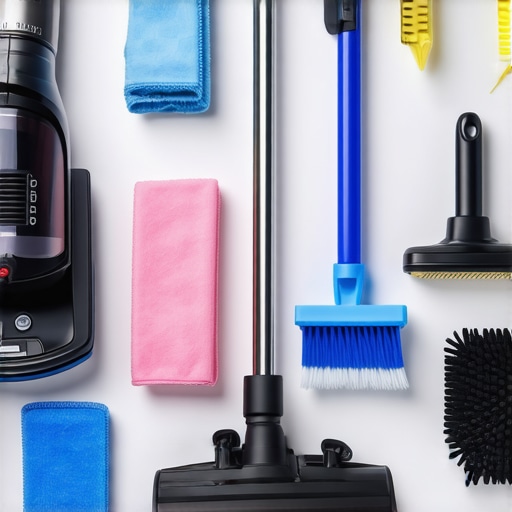
Remember, investing in the right tools and caring for them properly is a crucial part of “keeping it working.” Whether you’re tackling upholstery, sanitizing surfaces, or preparing for move-out inspections, the right equipment makes all the difference. For more insights into effective house cleaning techniques, don’t hesitate to explore these expert tips. Ready to upgrade your cleaning arsenal? Visit our contact page for personalized recommendations tailored to your home’s needs.
What I Wish I Had Known About Gentle Cleaning Techniques
One of the most valuable insights I uncovered was that choosing the right cleaning tools and methods can make or break your results. I used to believe that scrubbing harder would lead to cleaner surfaces, but I learned that patience and appropriate solutions are far more effective, especially on delicate fabrics and surfaces (see professional upholstery tips). This lightbulb moment taught me to respect the materials I’m cleaning, saving me from costly damages and ensuring a healthier home environment.
How My Myths About Disinfection Were Holding Me Back
I always thought that cleaning with bleach or alcohol was enough to sanitize, but I quickly realized that proper contact times and surface-specific products are essential (pro sanitizing insights). Discovering that over-reliance on quick sprays can give a false sense of security pushed me to incorporate more thorough, effective practices—ultimately making my home safer and cleaner for my family.
The Hidden Mistakes in Move-Out Cleaning That Cost Me Money
Initially, I underestimated the importance of small details like grout lines and behind appliances. Recognizing their significance after a few costly deposit disputes made me realize that comprehensive checklists are a game-changer (move-out cleaning strategies). That shift in approach has saved me stress and money, truly transforming how I prepare my home for inspections.
The Power of Consistent, Quality Tools
Investing in high-quality microfiber cloths and carefully maintaining my cleaning equipment revolutionized my routine (microfiber cloth care tips). I learned that regular washing, proper storage, and using the right tools not only extend their lifespan but also maximize cleaning effectiveness. This consistency in care has given me confidence that my home remains pristine without unnecessary expense or effort.