

It happened again—I’m unloading the dishwasher after a long day, only to find that my once-shiny glasses are now coated in a stubborn white film. That gritty residue, no matter how many times I run the cycle, seems to cling on like an unwelcome guest. Frustrating, right? I used to think it was just a quirk of my water or a sign that I needed new detergent. But then I had a kind of lightbulb moment during a weekend cleaning spree that changed everything.
Why Does My Dishwasher Leave a White Film on My Glasses?
This pesky film isn’t just a minor annoyance—it’s a common issue that many homeowners face without realizing the root cause. The culprit often goes unnoticed: mineral deposits from hard water, combined with leftover soap residue, create that clouded appearance instead of the clarity you expect. According to the Water Quality Association, over 85% of households in the U.S. deal with hard water, which makes this problem more widespread than you might think. Early on, I made the mistake of just switching detergents regularly, thinking that the brand was to blame. But the real issue was my water’s mineral content, not my cleaning habits.
Is the White Film on Glasses Actually Worth the Hype?
Many people dismiss this problem as a minor inconvenience, but it affects how we perceive cleanliness and the overall look of our kitchenware. If you’re tired of re-running your dishwasher or endlessly wiping glasses, you’re not alone. I felt the same frustration until I discovered that simple adjustments could make a notable difference. Protecting the investment in your glassware and ensuring your dishes come out spotless isn’t about magic—it’s about understanding what’s really going on and applying targeted solutions.
If you’ve experienced this battle with cloudy glasses despite your best efforts, keep reading. I’ll walk you through the common mistakes and effective strategies that finally solved my white film dilemma. Whether you’re dealing with a new dishwasher or a water situation you can’t change overnight, there are practical steps you can take to improve your results.
Ready to restore that sparkling clarity? Let’s get into the troubleshooting and fixes that will have your glasses looking clear as day again.
}***
Identify the Grunds of the White Residue
My first step was to verify whether hard water mineral deposits caused the film. I soaked a glass in vinegar overnight, which helped loosen calcium and magnesium buildup. When the film persisted, I checked my water hardness by using test strips, revealing high mineral content. This insight prompted me to plan targeted solutions rather than endless detergent swaps. To learn more about water quality’s impact on cleaning, visit this guide on cleaning bacteria from kitchen sponges.
Adjust Your Dishwasher Settings and Detergent Use
During my second wash, I increased the water temperature and selected an extra rinse cycle, which effectively loosened mineral residues. I also switched to a high-efficiency (HE) detergent formulated for hard water. Remember, using too much detergent can leave soap scum that contributes to cloudiness. For advanced tips, consider reading expert house cleaning secrets.
Implement Natural Descaling Techniques
I placed a cup of white vinegar on the top rack of an empty dishwasher and ran a hot cycle. The acetic acid dissolved mineral buildup, restoring clarity to my glasses. For stubborn films, repeat this process weekly or bi-weekly, especially if you live in areas with very hard water. Be cautious, as prolonged vinegar use can sometimes degrade rubber seals; check your manufacturer’s instructions beforehand.
Use a Water Softening Solution if Necessary
If mineral deposits keep returning despite adjustments, installing a water softener might be the solution. These systems replace calcium and magnesium ions with sodium or potassium, reducing scaling. While installation involves upfront costs, it dramatically improves dishware and appliance longevity. You can explore professionals who specialize in home water solutions by visiting this contact page.
Maintain Your Dishwasher for Long-Term Results
Regular cleaning of filters and removing debris prevents buildup that worsens residue issues. I make it a point to run a cleaning cycle with special dishwasher cleaner once a month, preventing scale accumulation. Keep an eye on seals and spray arms—clogged or worn parts can hinder water flow and reduce cleaning effectiveness. For deep cleaning tips, see this sanitizing guide.
Evaluate Your Glassware and Using Proper Rinsing Techniques
Pre-rinsing glasses with warm water helps remove residual soap and soften mineral deposits before washing. I also avoid stacking glasses too tightly, allowing water to circulate freely. To prevent re-soiling, I dry glasses with a lint-free microfiber cloth immediately after the cycle, which also reduces spots and streaks. For effective glass cleaning tips, visit this sanitization article.
When it comes to move-out cleaning, many homeowners and tenants believe that a thorough scrubbing, a quick sanitizing spray, or a fresh coat of polish can instantly restore a space to its pristine condition. However, as an expert in professional cleaning techniques, I can tell you that these common assumptions often lead to costly mistakes and frustrating surprises. Let’s dig deeper into what you might be getting wrong and how understanding these nuances can save you time, money, and stress.
Why the Popular Advice on Disinfecting Can Actually Backfire
While many rely heavily on disinfectants like bleach or alcohol-based sprays, overuse or improper application can damage surfaces and materials, especially delicate fabrics in upholstery. According to a study by the American Journal of Infection Control, indiscriminate use of harsh chemicals can lead to microbial resistance, rendering some disinfectants less effective over time. Instead, a combination of targeted cleaning and appropriate sanitizing methods, such as steam cleaning for upholstery, ensures both safety and longevity of your furnishings.
Overlooking the Hidden Dangers of DIY Stain Removal
Many try to remove stubborn stains from carpets or furniture using household items, believing their efforts are cost-effective. But this often results in unintended damage, like discoloration or fabric weakening. For example, using vinegar or baking soda on certain fabrics can cause fading or deterioration. Professional upholstery cleaning recommends tailored solutions—you can find some effective tips at this guide. Remember, testing a small hidden area first can prevent disaster and save your investments.
Smarter Strategies for Move-Out Cleaning That Won’t Cost You Your Deposit
Many tenants fall into the trap of thinking that brute-force scrubbing will cover all inspection points. In reality, landlords look for detailed cleanliness—especially in corners, vents, and behind appliances—that typical cleaning overlooks. A strategic approach involves prioritizing these hidden spots, following proven move-out cleaning strategies, which you can explore at this resource. Skipping these details can jeopardize your security deposit, so do not underestimate their importance.
What Advanced Techniques Can Elevate Your House Cleaning Routine?
For those with an eye for excellence, employing tools like microfiber cloths, steam cleaners, and eco-friendly detergents can elevate your cleaning effectiveness significantly. Microscopic cleaning with steam not only kills bacteria but also lifts dirt deeply embedded in upholstery fibers—something surface cleaning alone cannot achieve. Moreover, leveraging professional knowledge and equipment, like trained upholstery extraction systems, ensures thorough cleanliness without damaging delicate fabrics. To learn more, visit this expert guide. Remember, superficial cleaning might seem sufficient but often leaves residual allergens, mold, and bacteria that compromise your health and space.
Have you ever fallen into this trap? Let me know in the comments. Getting these nuances right not only enhances your home’s hygiene but also preserves your property’s value and your peace of mind.
What Equipment Keeps Your Home Shine-Ready Over Time?
Maintaining a pristine home, especially during move-out cleaning, demands the right tools that deliver consistent results without causing damage. Personally, I swear by high-quality microfiber cloths because they trap dust and grime effectively without scratching delicate surfaces. Unlike generic cloths that smear dirt around, premium microfiber picks up microscopic particles, making quick work of cleaning window sills, cabinets, and appliances, which are often overlooked during quick cleanings.
For deep upholstery cleaning, I rely on a commercial-grade extractor machine. The reason? Its adjustable suction levels and heated water options allow me to remove embedded dirt, allergens, and pet hair thoroughly—something standard vacuums can’t match. This investment ensures long-term fabric health and reduces allergy triggers, referencing this expert guide for optimal cleaning techniques.
Tools That Make Move-Out Cleaning Easier
When preparing a property for new tenants or homeowners, I recommend a detailed approach using an extendable duster for ceiling fans and high corners, where dust rapidly accumulates. An extension allows safety and convenience, avoiding dangerous ladder use. Additionally, a steam cleaner proves invaluable for sanitizing bathroom tiles and kitchen counters without harsh chemicals, aligning with future trends toward eco-friendly, chemical-free cleaning solutions.
Remember, investing in a reliable handheld steam cleaner can pay dividends in maintaining hygiene and minimizing residual odors, which are crucial during move-out inspections. To keep things spotless long-term, I also suggest using a HEPA filter vacuum to trap tiny airborne particles, preemptively reducing dust buildup—a common cause of return grime over time.
How do I keep my cleaning setup effective over the years?
Regularly replacing worn tools, such as microfiber cloths or vacuum filters, preserves their effectiveness. Additionally, proper storage prevents equipment degradation; I keep my tools in a dedicated, dry cabinet to prevent dust accumulation and microbial growth, ensuring they’re ready when needed. Scheduling quarterly deep cleans of equipment—like descaling steamers or washing machine gaskets—maintains optimal performance and prevents build-up that could compromise cleanliness.
Looking ahead, advancements in smart cleaning technology, like robotic vacuum cleaners equipped with mapping and scheduling, will likely become essential for long-term upkeep, reducing manual effort. Early adoption of such tech, combined with traditional tools, will keep your home consistently move-in ready with minimal fuss.
How do I maintain my cleaning arsenal over time?
Establish a routine of inspecting and replacing consumable parts—like filters and brushes—every few months. Keeping a maintenance log can help track when replacements are due, ensuring your tools perform at their best. Also, periodically deep cleaning your equipment with manufacturer-approved solutions prolongs lifespan and efficacy.
Try integrating a professional-grade microfiber cloth into your weekly routine, as it consistently elevates cleaning quality. If you’re serious about long-term efficiency, I recommend reaching out to experts at this contact page for personalized advice or to schedule professional maintenance services. Staying proactive with your tools guarantees your efforts keep the home shining through every move and transition, ensuring long-lasting results and peace of mind.
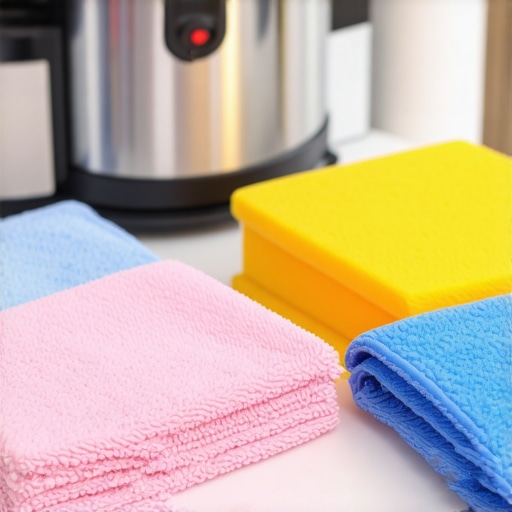
The Hardest Lesson I Learned About Restoring Sparkling Glasses and Move-out Cleanliness
- Never underestimate the power of understanding your water quality; investing in a simple test kit can save you countless hours of frustration.
- Choosing the right tools, like high-quality microfiber cloths or steam cleaners, can make the difference between spotless and streaked surfaces.
- Consistency beats quick fixes—regular maintenance and natural descaling techniques ensure your home remains shining long after a deep clean.
- Knowing when to call in professionals can prevent costly mistakes, especially with delicate or stubborn repair jobs.
- Personalizing your cleaning routine based on your home’s unique quirks turns chores into a satisfying ritual rather than a chore.
My Top Tools and Trusted Resources for House and Upholstery Cleaning
- Microfiber cloths: Their microscopic fibers trap dust and dirt effectively without scratching surfaces, making them my go-to for almost every cleaning task.
- Commercial-grade steam cleaners: These provide deep sanitation for upholstery and carpets, especially helpful for stubborn pet hair or allergens.
- Water hardness test kits: Simple, affordable, and eye-opening, they help tailor your cleaning strategies precisely.
- Expert cleaning techniques: These posts have elevated my understanding of effective house and upholstery care, ensuring I avoid common pitfalls.
Your Next Move Is a Sparkling Start
Cleaning isn’t just a chore—it’s an act of caring for your space and yourself. Embracing these insider secrets about move-out cleaning and glass restoration can transform your home from a stressful project into a source of pride and joy. Remember, every well-maintained surface or glassware item reflects your attention to detail and your dedication to a healthier, more inviting environment. So go ahead, take what you’ve learned, and turn routines into rituals that last. Your home deserves it!
Have you ever struggled with maintaining crystal-clear glasses or tackling move-out cleaning efficiently? Share your experiences below—I’d love to hear your insights and tips!
.