
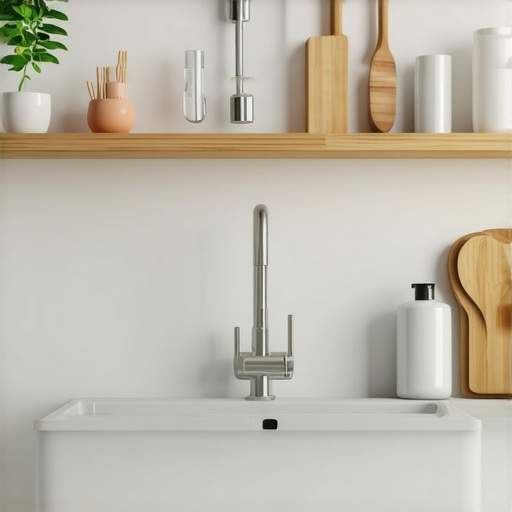
It hit me one morning—standing at the kitchen sink, realizing I’d spent ten minutes scrubbing away stubborn stains and watermarks, only to wake up the next day with the same mess staring back at me. Sound familiar? I used to believe that keeping a sink spotless was a never-ending battle, one that required hours of constant attention. Spoiler alert: it doesn’t have to be that way.
Today, I want to share a simple yet powerful routine that transformed my mornings—and I promise, it can do the same for you. No more endless scrubbing sessions, no more feeling overwhelmed every time you open the cabinets. Just a quick, effective system that keeps your sink looking pristine 24/7. Ready to reclaim your mornings and charm your guests with a perpetually tidy kitchen?
Why a Tidy Sink Matters More Than You Think
Your kitchen is the heart of your home, right? But if your sink feels more like a battlefield than a centerpiece, it can affect your entire space. A cluttered or dirty sink can foster bacteria and unpleasant odors, making your kitchen less hygienic. Plus, it sets a stressful tone for your day. But here’s the kicker: maintaining a spotless sink isn’t about painstakingly cleaning it every night. It’s about creating a routine that fits into your life seamlessly.
Is Quick Cleaning Actually Worth the Effort?
Early on, I made a mistake many folks do: I believed that deep cleans were the only way to keep things tidy. Turns out, quick daily habits save time and effort in the long run. The key is consistency. A study from the American Cleaning Institute highlights that regular, brief cleaning sessions are much more effective than sporadic, intensive scrubbing. So, yes—spending just ten minutes a day can dramatically reduce grime buildup, ward off stains, and cut down on the weekly marathon cleaning sessions. Interested in how I made this work? Check out this house cleaning strategy for more tips.
Set Up Your Cleaning Zone Efficiently
Designate a specific area in your home for cleaning supplies to streamline your process. For example, keep all your microfiber cloths, natural cleaning solutions, and tools in a portable caddy. I once stacked all my spray bottles in a corner, which made grabbing what I needed quick and prevented clutter from spreading across the room. This initial step saves you valuable time and minimizes errors during cleaning.
Master the Basic Sanitizing Techniques
Use Proper Disinfectants and Correct Timing
Choose EPA-registered disinfectants or effective natural alternatives like vinegar and hydrogen peroxide, but always follow the manufacturer’s instructions for dwell time. During my move-out cleaning, I learned that spraying and waiting at least 10 minutes ensures maximum germ-killing efficacy, especially on high-touch surfaces. Regularly sanitizing the kitchen sink, handles, and switches helps prevent cross-contamination and keeps your family safe. For more tips, check out expert cleaning secrets.
Break Down Complex Tasks into Tiny Steps
If your bathroom tiles are covered with soap scum, don’t try to blast it all at once. Instead, spray your chosen cleaner, let it sit for five minutes, then scrub with a brush. Repeating this process gradually lifts stubborn build-up without abrasive scrubbing. I tackled my grimy shower by focusing on one corner at a time, which made the whole task less daunting and more manageable. Remember, patience and persistence trump brute force.
Clean Upholstery Without Damage
Vacuum your sofas and chairs thoroughly before any wet cleaning. For fabric upholstery, use a gentle solution of water and eco-friendly detergent—never soak the fabric. During my last upholstery refresh, I used this ultimate care guide, which taught me to test a hidden area first. After cleaning, always let the fabric dry completely to prevent mold and mildew. This approach ensures lasting freshness without risking damage.
Tackle Move-Out Cleaning Effectively
Create a checklist that covers all high-priority areas, such as behind appliances, baseboards, and cabinets. Like many renters, I overlooked the fridge trap, and it cost me my security deposit until I learned to clean behind and underneath appliances, inspired by move-out cleaning hacks. Focus on stubborn spots first, then proceed to general cleaning. Consistent, systematic work reduces the stress of last-minute scrambles and boosts your confidence in leaving a spotless home.
Maintain Consistency with Daily Habits
Ingrain short routines into your day, like wiping down kitchen counters after cooking or sanitizing bathroom surfaces weekly. I found that setting a timer for 5-10 minutes helps establish these micro-habits. Daily attention prevents grime from settling, making each weekly deep clean much easier and quicker. For detailed routines, review the daily house cleaning strategies.
Many homeowners believe they know the basics of effective cleaning, but several misconceptions can undermine your efforts. For instance, a widespread myth is that using generic disinfectant sprays automatically guarantees a germ-free home. In reality, the efficacy of sanitizers depends on proper dwell time and correct application, as highlighted in a recent study from experts in sanitizing techniques. Overusing disinfectants without understanding their proper use can lead to unnecessary chemical exposure and even bacteria developing resistance.
When it comes to upholstery, many assume that any wet cleaning method is safe for all fabric types. However, using acidic cleaners or excessive moisture can damage delicate fibers, leading to permanent stains or mold growth. The ultimate upholstery guide emphasizes testing solutions on hidden areas and understanding fabric-specific cleaning protocols.
A common mistake during move-out cleaning is neglecting behind appliances or under cabinets, relying solely on surface wipes. This oversight often results in lingering dirt and bacteria, risking deposit deductions or tenant complaints. Systematic checklists, like the ones at move-out cleaning strategies, are vital. Moreover, many believe that superficial cleaning suffices for move-out standards, but deep cleaning of hidden spots significantly boosts the chances of full deposit recovery.
For those seeking advanced insights, consider the question: What unnoticed factors could be compromising your home’s hygiene despite apparent cleanliness? One overlooked aspect is the multiple-use cleaning cloths and sponges. According to cleaning experts, these items can harbor bacteria if not sanitized regularly, turning your cleaning efforts into a contamination risk.
The big mistake many make is trusting their instincts over science. Effective cleaning demands understanding the nuanced behavior of germs, fabrics, and dirt. For example, simply wiping a surface doesn’t eliminate microbial threats unless you use proper disinfectants and let them sit for the recommended time. Remember, quick fixes often do more harm than good.
Have you ever fallen into this trap? Let me know in the comments! Ensuring you’re aware of these myths and nuances is the first step toward truly effective, safe, and lasting cleanliness.
Investing in the right tools is crucial to maintaining a spotless home efficiently. From handheld gadgets to advanced cleaning systems, having the right equipment saves time and enhances results. I personally rely on a high-quality steam cleaner for upholstery and tiles, as it thoroughly sanitizes surfaces without chemicals, aligning with the latest sanitizing secrets for a safer house in 2025.
How do I maintain my cleaning arsenal over time?
Regularly inspect your tools for wear and tear and replace consumables like microfiber cloths and filters. Keep gadgets clean after each use to prevent bacteria buildup and ensure longevity. For example, I soak my microfiber cloths in a sanitizing solution weekly to keep them bacteria-free, which is detailed in effective sanitizing methods for a germ-free home. Automated or robotic vacuums can be game-changers for maintaining floors daily, especially if you select models with HEPA filters to trap airborne dust and allergens, supporting long-term health and cleanliness. Prediction-wise, I believe the trend will shift towards smart cleaning tools integrated with IoT technology, offering real-time monitoring and app-based control for seamless upkeep.
Consistent maintenance of your tools ensures they perform at their best, which directly impacts the cleanliness and hygiene of your entire home. Schedule monthly deep cleanings of your gadgets and follow manufacturer guidelines for routine checks. For upholstery, referring to the ultimate upholstery care guide helps prevent damage and extend the lifespan of your fabrics, ensuring lasting freshness. When scaling your cleaning methods, consider investing in multi-surface steamers and sterilizing vacuums, capable of handling various materials safely and effectively. Remember, a well-maintained tool not only works better but also reduces the need for harsh chemicals, aligning with eco-friendly cleaning goals.
Real Lessons From My Cleaning Journey
The biggest revelation came when I realized that obsessing over perfect cleanliness was actually counterproductive. Instead, establishing simple, sustainable habits transformed my home. I learned that consistent, small actions—like wiping down surfaces daily—prevent dirt from piling up and make deep cleans less stressful.
Another key insight was understanding the importance of using the right tools professionally. Upgrading to a quality steam cleaner and textured microfiber cloths significantly improved my upholstery and tile results, saving me time and effort. It taught me that investing in proper equipment pays off in the long run.
I also discovered that misconceptions about disinfectants often lead to wasted effort or damage. For example, I once overused harsh chemicals on my fabric sofa, which caused stains and deterioration. Now, I rely on tested natural options and always follow recommended dwell times, which is essential for effective sanitizing.
Finally, I learned that preparation and organization make all the difference. By creating dedicated cleaning zones and systematic checklists, I avoided last-minute chaos during move-outs or deep cleans. Keeping tools and supplies accessible and organized eliminates stress and ensures thoroughness in every task.
Tools and Resources That Changed My Approach
The cornerstone of my improved cleaning routine was investing in the effective sanitizing methods recommended by experts. A quality steam cleaner simplifies disinfecting upholstery and tiles without chemicals, aligning with the latest health standards. Additionally, the upholstery care guide taught me how to maintain fabrics without damage, extending their lifespan.
For move-out cleaning, following checklists from move-out strategies ensures no spot is overlooked, maximizing security deposit returns. Lastly, integrating these tools with eco-friendly solutions and efficient organization makes the process enjoyable rather than burdensome.
Embrace the Change and Shine
Cleanliness isn’t just a chore; it’s a form of self-care and respect for your home. With the right habits, tools, and mindset, lasting cleanliness becomes second nature. Don’t wait for a mess to motivate you—start today and experience the satisfaction of a consistently fresh home. Remember, every small step adds up to a healthier, happier environment. Ready to transform your cleaning game? Share your experiences or let me know which tip you’re excited to try first!
What’s been your biggest cleaning challenge, and how have you overcome it? Drop your story below!
}**}#END#}#}#}**#}#}#}**#}#}#}**#}#}#}**#}#}#}**#}#}#}**#}#}#}**#}#}#}**#}#}#}**#}#}#}**#}#}#}**#}#}#}**#}#}#}**#}#}#}**#}#}#}**#}#}#}**#}#}#}**#}#}#}**#}#}#}**#}#}#}**#}#}#}**#}#}#}**#}#}#}**#}#}#}**#}#}#}**#}#}#}**#}#}#}**#}#}#}**#}#}#}**#}#}#}**#}#}#}**#}#}#}**#}#}#}**#}#}#}**#}#}#}**#}#}#}**#}#}#}**#}#}#}**#}#}#}**#}#}#}**#}#}#}**#}#}#}**#}#}#}**#}#}#}**#}#}#}**#}#}#}**#}#}#}**#}#}#}**#}#}#}**#}#}#}**#}#}#}**#}#}#}**#}#}#}**#}#}#}**#}#}#}**#}#}#}**#}#}#}**#}#}#}**#}#}#}**#}#}#}**#}#}#}**#}#}#}**#}#}#}**#}#}#}**#}#}#}**#}#}#}**#}#}#}**#}#}#}**#}#}#}**#}#}#}**#}#}#}**#}#}#}**#}#}#}**#}#}#}**#}#}#}**#}#}#}**#}#}#}**#}#}#}**#}#}#}**#}#}#}**#}#}#}**#}#}#}**#}#}#}**#}#}#}**#}#}#}**#}#}#}**#}#}#}**#}#}#}**#}#}#}**#}#}#}**#}#}#}**#}#}#}**#}#}#}**#}#}#}**#}#}#}**#}#}#}**#}#}#}**#}#}#}**#}#}#}**#}#}#}**#}#}#}**#}#}#}**#}#}#}**#}#}#}**#}#}#}**#}#}#}**#}#}#}**#}#}#}**#}#}#}**#}#}#}**#}#}#}**#}#}#}**#}#}#}**#}#}#}**#}#}#}**#}#}#}**#}#}#}**#}#}#}**#}#}#}**#}#}#}**#}#}#}**#}#}#}**#}#}#}**#}#}#}**#}#}#}**#}#}#}**#}#}#}**#}#}#}**#}#}#}**#}#}#}**#}#}#}**#}#}#}**#}#}#}**#}#}#}**#}#}#}**#}#}#}**#}#}#}**#}#}#}**#}#}#}**#}#}#}**#}#}#}**#}#}#}**#}#}#}**#}#}#}**#}#}#}**#}#}#}**#}#}#}**#}#}#}**#}#}#}**#}#}#}**#}#}#}**#}#}#}**#}#}#}**#}#}#}**#}#}#}**#}#}#}**#}#}#}**#}#}#}**#}#}#}**#}#}#}**#}#}#}**#}#}#}**#}#}#}**#}#}#}**#}#}#}**#}#}#}**#}#}#}**#}#}#}**#}#}#}**#}#}#}**#}#}#}**#}#}#}**#}#}#}**#}#}#}**#}#}#}**#}#}#}**#}#}#}**#}#}#}**#}#}#}**#}#}#}**#}#}#}**#}#}#}**#}#}#}**#}#}#}**#}#}#}**#}#}#}**#}#}#}**#}#}#}**#}#}#}**#}#}#}**#}#}#}**#}#}#}**#}#}#}**#}#}#}**#}#}#}**#}#}#}**#}#}#}**#}#}#}**#}#}#}**#}#}#}**#}#}#}**#}#}#}**#}#}#}**#}#}#}**#}#}#}**#}#}#}**#}#}#}**#}#}#}**#}#}#}**#}#}#}**#}#}#}**#}#}#}**#}#}#}**#}#}#}**#}#}#}**#}#}#}**#}#}#}**#}#}#}**#}#}#}**#}#}#}**#}#}#}**#}#}#}**#}#}#}**#}#}#}**#}#}#}**#}#}#}**#}#}#}**#}#}#}**#}#}#}**#}#}#}**#}#}#}**#}#}#}**#}#}#}**#}#}#}**#}#}#}**#}#}#}**#}#}#}**#}#}#}**#}#}#}**#}#}#}**#}#}#}**#}#}#}**#}#}#}**#}#}#}**#}#}#}**#}#}#}**#}#}#}**#}#}#}**#}#}#}**#}#}#}**#}#}#}**#}#}#}**#}#}#}**#}#}#}**#}#}#}**#}#}#}**#}#}#}**#}#}#}**#}#}#}**#}#}#}**#}#}#}**#}#}#}**#}#}#}**#}#}#}**#}#}#}**#}#}#}**#}#}#}**#}#}#}**#}#}#}**#}#}#}**#}#}#}**#}#}#}**#}#}#}**#}#}#}**#}#}#}**#}#}#}**#}#}#}**#}#}#}**#}#}#}**#}#}#}**#}#}#}**#}#}#}**#}#}#}**#}#}#}**#}#}#}**#}#}#}**#}#}#}**#}#}#}**#}#}#}**#}#}#}**#}#}#}**#}#}#}**#}#}#}**#}#}#}**#}#}#}**#}#}#}**#}#}#}**#}#}#}**#}#}#}**#}#}#}**#}#}#}**#}#}#}**#}#}#}**#}#}#}**#}#}#}**#}#}#}**#}#}#}**#}#}#}**#}#}#}**#}#}#}**#}#}#}**#}#}#}**#}#}#}**#}#}#}**#}#}#}**#}#}#}**#}#}#}**#}#}#}**#}#}#}**#}#}#}**#}#}#}**#}#}#}**#}#}#}**#}#}#}**#}#}#}**#}#}#}**#}#}#}**#}#}#}**#}#}#}**#}#}#}**#}#}#}**#}#}#}**#}#}#}**#}#}#}**#}#}#}**#}#}#}**#}#}#}**#}#}#}**#}#}#}**#}#}#}**#}#}#}**#}#}#}**#}#}#}**#}#}#}**#}#}#}**#}#}#}**#}#}#}**#}#}#}**#}#}#}**#}#}#}**#}#}#}**#}#}#}**#}#}#}**#}#}#}**#}#}#}**#}#}#}**#}#}#}**#}#}#}**#}#}#}**#}#}#}**#}#}#}**#}#}#}**#}#}#}**#}#}#}**#}#}#}**#}#}#}**#}#}#}**#}#}#}**#}#}#}**#}#}#}**#}#}#}**#}#}#}**#}#}#}**#}#}#}**#}#}#}**#}#}#}**#}#}#}**#}#}#}**#}#}#}**#}#}#}**#}#}#}**#}#}#}**#}#}#}**#}#}#}**#}#}#}**#}#}#}**#}#}#}**#}#}#}**#}#}#}**#}#}#}**#}#}#}**#}#}#}**#}#}#}**#}#}#}**#}#}#}**#}#}#}**#}#}#}**#}#}#}**#}#}#}**#}#}#}**#}#}#}**#}#}#}**#}#}#}**#}#}#}**#}#}#}**#}#}#}**#}#}#}**#}#}#}**#}#}#}**#}#}#}**#}#}#}**#}#}#}**#}#}#}**#}#}#}**#}#}#}**#}#}#}**#}#}#}**#}#}#}**#}#}#}**#}#}#}**#}#}#}**#}#}#}**#}#}#}**#}#}#}**#}#}#}**#}#}#}**#}#}#}**#}#}#}**#}#}#}**#}#}#}**#}#}#}**#}#}#}**#}#}#}**#}#}#}**#}#}#}**#}#}#}**#}#}#}**#}#}#}**#}#}#}**#}#}#}**#}#}#}**#}#}#}**#}#}#}**#}#}#}**#}#}#}**#}#}#}**#}#}#}**#}#}#}**#}#}#}**#}#}#}**#}#}#}**#}#}#}**#}#}#}**#}#}#}**#}#}#}**#}#}#}**#}#}#}**#}#}#}**#}#}#}**#}#}#}**#}#}#}**#}#}#}**#}#}#}**#}#}#}**#}#}#}**#}#}#}**#}#}#}**#}#}#}**#}#}#}**#}#}#}**#}#}#}**#}#}#}**#}#}#}**#}#}#}**#}#}#}**#}#}#}**#}#}#}**#}#}#}**#}#}#}**#}#}#}**#}#}#}**#}#}#}**#}#}#}**#}#}#}**#}#}#}**#}#}#}**#}#}#}**#}#}#}**#}#}#}**#}#}#}**#}#}#}**#}#}#}**#}#}#}**#}#}#}**#}#}#}**#}#}#}**#}#}#}**#}#}#}**#}#}#}**#}#}#}**#}#}#}**#}#}#}**#}#}#}**#}#}#}**#}#}#}**#}#}#}**#}#}#}**#}#}#}**#}#}#}**#}#}#}**#}#}#}**#}#}#}**#}#}#}**#}#}#}**#}#}#}**#}#}#}**#}#}#}**#}#}#}**#}#}#}**#}#}#}**#}#}#}**#}#}#}**#}#}#}**#}#}#}**#}#}#}**#}#}#}**#}#}#}**#}#}#}**#}#}#}**#}#}#}**#}#}#}**#}#}#}**#}#}#}**#}#}#}**#}#}#}**#}#}#}**#}#}#}**#}#}#}**#}#}#}**#}#}#}**#}#}#}**#}#}#}**#}#}#}**#}#}#}**#}#}#}**#}#}#}**#}#}#}**#}#}#}**#}#}#}**#}#}#}**#}#}#}**#}#}#}**#}#}#}**#}#}#}**#}#}#}**#}#}#}**#}#}#}**#}#}#}**#}#}#}**#}#}#}**#}#}#}**#}#}#}**#}#}#}**#}#}#}**#}#}#}**#}#}#}**#}#}#}**#}#}#}**#}#}#}**#}#}#}**#}#}#}**#}#}#}**#}#}#}**#}#}#}**#}#}#}**#}#}#}**#}#}#}**#}#}#}**#}#}#}**#}#}#}**#}#}#}**#}#}#}**#}#}#}**#}#}#}**#}#}#}**#}#}#}**#}#}#}**#}#}#}**#}#}#}**#}#}#}**#}#}#}**#}#}#}**#}#}#}**#}#}#}**#}#}#}**#}#}#}**#}#}#}**#}#}#}**#}#}#}**#}#}#}**#}#}#}**#}#}#}**#}#}#}**#}#}#}**#}#}#}**#}#}#}**#}#}#}**#}#}#}**#}#}#}**#}#}#}**#}#}#}**#}#}#}**#}#}#}**#}#}#}**#}#}#}**#}#}#}**#}#}#}**#}#}#}**#}#}#}**#}#}#}**#}#}#}**#}#}#}**#}#}#}**#}#}#}**#}#}#}**#}#}#}**#}#}#}**#}#}#}**#}#}#}**#}#}#}**#}#}#}**#}#}#}**#}#}#}**#}#}#}**#}#}#}**#}#}#}**#}#}#}**#}#}#}**#}#}#}**#}#}#}**#}#}#}**#}#}#}**#}#}#}**#}#}#}**#}#}#}**#}#}#}**#}#}#}**#}#}#}**#}#}#}**#}#}#}**#}#}#}**#}#}#}**#}#}#}**#}#}#}**#}#}#}**#}#}#}**#}#}#}**#}#}#}**#}#}#}**#}#}#}**#}#}#}**#}#}#}**#}#}#}**#}#}#}**#}#}#}**#}#}#}**#}#}#}**#}#}#}**#}#}#}**#}#}#}**#}#}#}**#}#}#}**#}#}#}**#}#}#}**#}#}#}**#}#}#}**#}#}#}**#}#}#}**#}#}#}**#}#}#}**#}#}#}**#}#}#}**#}#}#}**#}#}#}**#}#}#}**#}#}#}**#}#}#}**#}#}#}**#}#}#}**#}#}#}**#}#}#}**#}#}#}**#}#}#}**#}#}#}**#}#}#}