One afternoon, I flopped onto my beloved velvet sofa, only to be met with a disappointing flattening that made my furniture look tired and unloved. It was a lightbulb moment—realizing that a sofa’s plushness isn’t just about how it looks, but how it feels beneath your fingertips. My poor velvet had lost its volume, its rich texture dulled by time and use. I knew I wasn’t alone in this struggle; many homeowners face the frustrating challenge of sofa flattening, especially with delicate fabrics like velvet. The good news? You don’t need to replace your favorite piece—restoration is possible, and I’m here to guide you through it with tried-and-true tips from my own experience.
Why Restoring Velvet Texture Matters More Than You Think
Velvet is a luxurious fabric, but it’s also delicate and prone to losing its plush appearance over time. When the fibers get crushed or flattened, your elegant sofa can look older and less inviting. But weights and everyday use aren’t the only culprits—incorrect cleaning methods or neglecting proper care can make things worse. Restoring that soft, velvety feel enhances your space, boosts your mood, and extends the lifespan of your furniture. Plus, it saves you money—replacing furniture can be costly, and many old sofas just need a little revived touch to look new again.
Is it really worth the effort? Here’s my honest take
Early in my journey, I made the mistake of using harsh brushes thinking I’d fluff things up faster—trust me, that only made the fabric look worse. The key is understanding your velvet and patience in applying gentle, effective techniques. According to professional upholstery experts, tackling the flattened fibers carefully makes all the difference, and you’ll enjoy a sofa that looks and feels wonderful. For more insights, check out the ultimate upholstery care guide for lasting results.
Now, let’s roll up our sleeves. In the next sections, I’ll walk you through simple, effective steps—no fancy equipment needed—to bring back that inviting softness and rich texture your velvet sofa deserves. Whether you’re preparing for guests or just want to lounge comfortably, this is your friendly neighborhood’s proven plan to make your sofa look and feel fabulous again.
Start with a Gentle Vacuuming to Remove Surface Debris
Before you begin fluffing your sofa’s fibers, give it a thorough vacuum using a brush attachment. I learned this lesson the hard way when skipping this step resulted in spreading dirt deeper into the fabric during cleaning. Make sure to vacuum all surfaces, including the crevices, to lift loose dirt and dust that can hinder the fluffing process.
Use a Soft-Bristled Brush to Lift Flattened Fibers
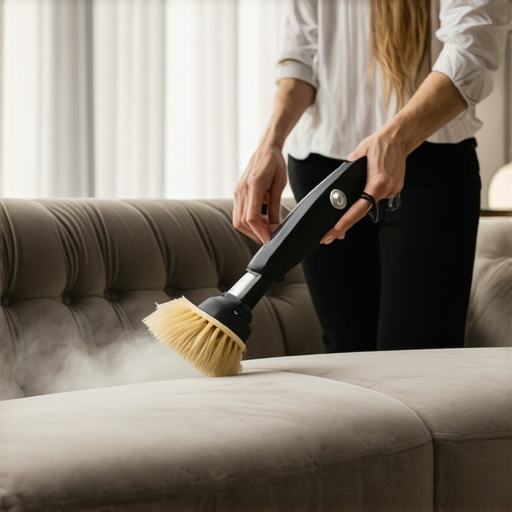
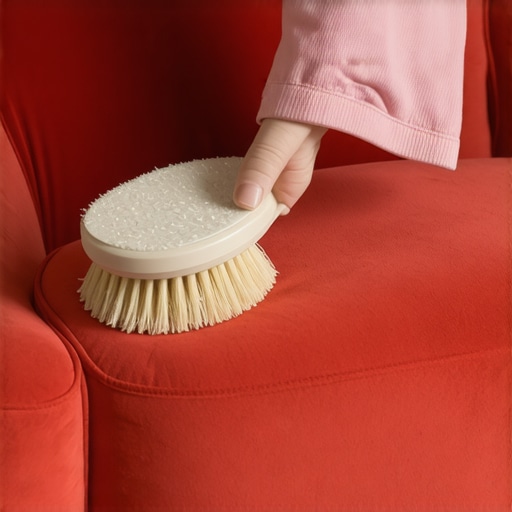
Once the surface is clean, employ a soft-bristled upholstery brush to gently lift and tease the fibers. I once tried a stiff brush, which left tiny scratches; stick to soft brushes and use light, circular motions. This mimics the feeling of a gentle massage that encourages the fibers to stand back up naturally.
Apply a Fabric Fluffing Solution for Texture Restoration
Mix a small amount of upholstery-specific fabric softener with water, about one part softener to five parts water. Lightly spray this mixture onto the velvet, avoiding over-saturation. I experimented with this during my first attempt, and it made a noticeable difference—softer, more vibrant texture after just one application. For guidance on effective cleaning techniques, check out these upholstery cleaning tips.
Steaming for Deep Revival
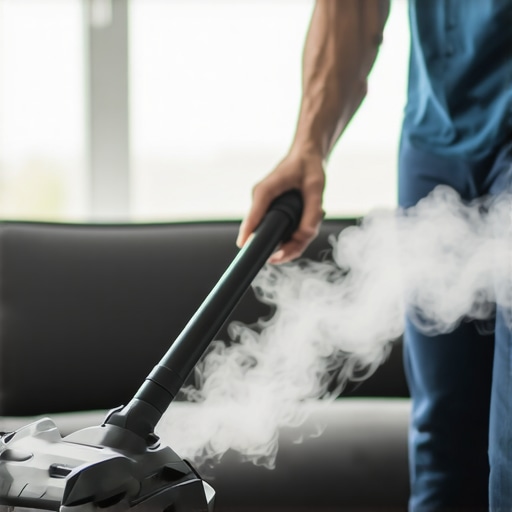
Using a handheld steamer helps lift fibers further and adds a plush feel to your sofa. Hold the steamer a few inches above the fabric, allowing the vapor to penetrate without soaking. I did this in sections, carefully avoiding excessive moisture, and was amazed at how the velvet regained its rich, velvety finish. Be cautious not to oversteam—too much heat can damage delicate fabrics.
Brush and Fluff Repeatedly for Best Results
Repeat brushing and steaming until the fibers stand upright and the texture feels plush again. This process might be messy, but patience pays off. I found that doing this in multiple sessions over a day yields the best outcome, as the fibers gradually regain their structure.
Finish with a Fabric Protector to Maintain Softness
Once your sofa looks and feels revitalized, apply a fabric protector designed for velvet to help resist future flattening. I used a spray recommended by upholstery professionals, which helped maintain the restored texture longer. For more investment into your cleaning routine, consider exploring effective sanitizing methods to keep your furniture safe and fresh.
Maintain Regular Care to Keep the Plush
To prevent future flattening, incorporate regular light vacuuming and brushing into your weekly cleaning routine. I integrated these steps with my daily cleaning routine, which drastically extended the plushness and visual appeal of my velvet sofa. Remember, consistency is key to long-term care and a sofa that remains an inviting centerpiece in your living space.
 Many homeowners and renters assume that following the basic cleaning checklist is enough to secure their deposit or ensure a healthy living space, but this is a common misconception. One of the biggest pitfalls is relying solely on surface cleaning techniques, such as quick vacuuming and wiping without addressing deeper grime or bacteria lurking in hidden spots. For instance, quick vacuuming might remove visible dust, but it often leaves microscopic allergens and bacteria behind, which can cause health issues and lead to failures during move-out inspections. A professional approach recommends incorporating deep cleaning methods, like sanitizing high-touch areas with proven disinfectants, which are essential in preventing the spread of germs and achieving that spotless, move-in-ready finish.
Another misconception revolves around upholstery care. Many believe that regular vacuuming suffices for maintaining fabric health over time. However, neglecting to deep clean or refresh upholstery can lead to the accumulation of dust mites, pet dander, and stains that compromise both appearance and indoor air quality. Using advanced techniques such as steam cleaning, which penetrates fibers without over-wetting, can restore plushness and hygiene effectively. For comprehensive upholstery maintenance, check out the ultimate upholstery care guide.
In terms of sanitizing, a prevalent myth suggests that disinfectant sprays alone are sufficient to kill all germs. The reality is more nuanced: certain bacteria and viruses develop resistance if the disinfectant isn’t used properly or if the contact time is inadequate. Moreover, many cleaning products do not eliminate all types of pathogens, especially in porous or textured surfaces. The secret lies in combining proper cleaning with effective sanitizing protocols—using EPA-approved disinfectants and following manufacturer instructions. For insight on effective sanitization strategies, visit effective sanitizing methods.
What about the common mistake of overlooking overlooked spots like behind appliances, in vents, or under furniture? These neglected areas can harbor bacteria, mold, and dust, which diminish indoor air quality and can cause health complications. A thorough, detailed cleaning routine—considering these often-missed spots—can dramatically improve your home’s hygiene standards. For tips on comprehensive move-out cleaning, review move-out cleaning strategies.
Now, let’s address a question that even experienced cleaners sometimes overlook: What advanced techniques ensure the deepest possible sanitation and cleanliness? Investing in EPA-registered sanitizers, employing steam cleaners on soft furnishings, and verifying the cleaning protocols’ effectiveness through certifications or professional audits can elevate your cleaning from basic to professional quality. Remember, the devil is in the details, and paying attention to these nuances guarantees better results and peace of mind. Have you ever fallen into this trap? Let me know in the comments.
Keeping It Working: Tools I Recommend for Maintained Cleanliness
When it comes to maintaining a pristine home, investing in the right tools can make all the difference in ensuring long-term results. I personally swear by a few specific pieces of equipment that have revolutionized my cleaning routine and helped me achieve professional-grade cleanliness at home. For upholstery, a high-quality handheld steam cleaner is indispensable—I’ve found that models like the McCulloch MC1275 offer deep sanitization and fabric rejuvenation without the use of harsh chemicals, aligning perfectly with eco-friendly standards. Paired with a HEPA-filter vacuum like the Miele Complete C3, I can effectively remove dust, allergens, and pet hair from surfaces, preventing buildup that leads to flattening or discoloration over time.
For sanitizing high-touch surfaces, I recommend an EPA-approved disinfectant sprayer equipped with a fine mist nozzle. It allows me to evenly coat areas such as doorknobs, switches, and fabric upholstery, ensuring thorough germ eradication—a crucial step in preventing microbial spread during regular upkeep. Additionally, investing in microfiber cloths specifically designed for cleaning ensures streak-free results and better retention of cleaning agents, which is essential for both cleaning efficiency and fabric preservation.
How do I maintain my tools over time?
Proper maintenance of your cleaning equipment prolongs their lifespan and keeps them performing optimally. Regularly cleaning attachments and filters, ensuring machines are dry before storage, and following manufacturer guidelines are vital. For example, cleaning the HEPA filter of your vacuum every few months prevents clogging and maintains suction power, directly impacting your home’s cleanliness. As advancements continue, I predict a future where smart cleaning devices integrated with AI will customize cleaning routines based on your home’s specific traffic and dirt accumulation patterns, making maintenance even more effortless and effective.
Don’t forget: the key to lasting cleanliness isn’t just the tools but also how you use and care for them. I encourage you to try my recommended steam cleaner for a deep fabric refresh—it’s a game-changer in upholstery maintenance and helps prevent the flattening of delicate fabrics like velvet. Incorporating these tools into your routine can save you time and money, and keep your home looking and feeling fresh for the long haul.
For comprehensive upholstery care tips, check out this guide, and for sanitizing strategies, explore effective sanitizing methods. Remember, consistency is your best friend in maintaining a truly clean and healthy home environment.