
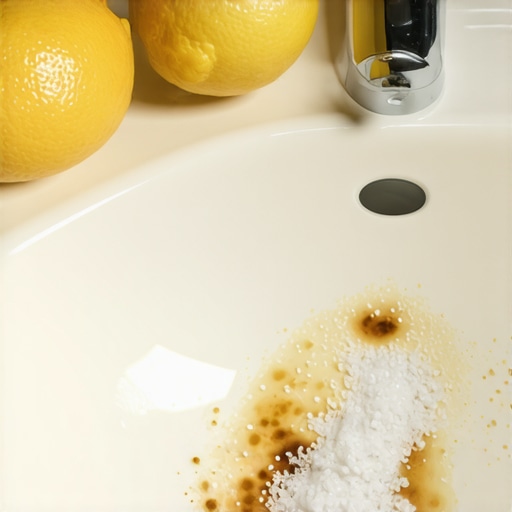
Ever found yourself staring at a stubborn rust stain on your bathroom sink or toilet, feeling a bit defeated? I know that moment all too well. There was a time when I thought I’d have to scrub for hours with harsh chemicals, only to end up frustrated and still facing that unsightly orange mark staring back at me. It was a real lightbulb moment when I discovered the power of a simple kitchen staple, but let me tell you, I had my fair share of missteps before getting it right.
Why Rust Stains Are More Than Just a Cosmetic Nuisance
Rust stains on porcelain can seem like a minor cosmetic issue, but they often point to more serious concerns about mineral buildup or water quality. Plus, they can diminish the overall cleanliness and appearance of your bathroom, making it feel less inviting. I learned this the hard way, initially trying abrasive cleaners that only scratched the surface or, worse, tarnished my porcelain. That mistake taught me early on the importance of gentler, natural solutions that work effectively without damaging your fixtures.
Is Using Household Items for Rust Removal Really Worth It?
At first, I was skeptical about using just salt and lemon—sounds too simple to tackle tough stains, right? My early attempts involved applying store-bought chemical cleaners that claimed to be ‘eco-friendly,’ but I found they often left residues or required multiple applications. When I finally experimented with salt and lemon, I was pleasantly surprised. That initial awkward trial, where I used too much lemon or didn’t let the mixture sit long enough, was a mistake I won’t repeat. Trust me, patience and proper technique make all the difference.
If you’re tired of battling rust stains or worried about using harsh chemicals near your family, you’re in the right place. In this post, I’ll share the tried-and-true method I’ve perfected over time—one that is safe, cost-effective, and surprisingly easy. Let’s dive into how salt and lemon can be your new best friends in maintaining a sparkling, rust-free bathroom.
Applying Salt and Lemon to Banished Rust
Begin by putting on rubber gloves to protect your skin. Squeeze fresh lemon juice directly onto the rusty area, making sure to cover all spots thoroughly. Sprinkle a generous layer of fine sea salt over the lemon juice to create an abrasive yet gentle scrub. Think of it as applying a natural scrub to buff away the rust, much like polishing a car’s paint. I remember a weekend morning when I faced a particularly stubborn rust stain on my bathroom sink. I squeezed half a lemon, sprinkled salt, and used an old toothbrush to scrub in circular motions for about five minutes. The stain started to fade immediately, and after rinsing with warm water, my sink looked almost new. Repeat this process if necessary, allowing the mixture to sit for 10-15 minutes for tougher stains. This step effectively lifts rust without harsh chemicals or abrasive pads.
Letting the Natural Solution Do Its Job
Patience is Key for Deep Stains
After applying the salt and lemon paste, give it time to work. Cover the area with plastic wrap to keep the mixture moist and let it sit for at least 15 minutes. For very stubborn rust, extend this time to 30 minutes or even an hour. During my first trial, I was impatient and scrubbed too soon, which only smudged the stain. Once I learned to wait, the rust lifted effortlessly, saving me from endless scrubbing. This process is particularly effective because the acidity of lemon dissolves iron oxide, while salt acts as a gentle abrasive. Remember, patience enhances the effectiveness of this natural method.
Finishing Touches: Rinse and Repeat
After the waiting period, use a damp cloth or sponge to wipe away the paste and loosened rust. For residual stains, repeat the application, focusing on areas that remain discolored. I once had a rusty ring that refused to budge with one round, so I applied the lemon-salt mixture twice, with a new layer each time. The second application made all the difference, leaving my porcelain gleaming. Finish with a clean, damp cloth to remove any leftover residue. For best results and ongoing maintenance, incorporate this method regularly, especially if your water source tends to cause mineral deposits. As always, avoid abrasive cleaners that can scratch porcelain surfaces—trust natural solutions like salt and lemon to do the job and help you maintain a sparkling bathroom.Many homeowners operate under misconceptions about cleaning and sanitizing that can hinder their efforts and even cause damage. For example, a widespread myth is that scrubbing harder or using more chemicals will yield cleaner surfaces. In reality, this approach often harms surfaces and spreads germs by forcing dirt into porous materials. Instead, relying on effective techniques like thorough yet gentle cleaning, with proper products, results in better hygiene and preservation of your home’s surfaces. Another false belief is that disinfecting every area is essential daily; however, over-sanitizing can erode natural surfaces and promote chemical resistance. According to cleaning experts at [Spotless Carpetz](https://spotlesscarpetz.com/effective-house-cleaning-secrets-from-cleaning-experts), understanding the correct frequency and methods is key to maintaining a healthy home without excess effort.
Be cautious of common pitfalls such as mixing incompatible cleaning agents, which can create harmful vapors or render products ineffective. For example, combining bleach and ammonia is a dangerous mistake that can produce toxic gases. Always read labels and use cleaning solutions as directed.
Have you ever fallen into this trap? Let me know in the comments. Additionally, many believe that using natural ingredients like vinegar or baking soda is always safe for every surface. While these are effective in many cases, they can damage delicate materials like marble or hardwood if misused. Consulting trusted sources or professionals can prevent costly mistakes. For instance, [spotlesscleaning](https://spotlesscarpetz.com/why-your-vacuum-filter-is-actually-spreading-dust-around-your-home) highlights that understanding your surfaces and choosing appropriate cleaning methods ensures longevity and cleanliness.
Moreover, a nuanced aspect often overlooked is the importance of proper ventilation during and after cleaning to disperse chemical fumes. Neglecting this step can lead to respiratory issues or lingering odors. Always open windows or use exhaust fans when working with potent cleaners.
Finally, beyond surface cleaning, paying attention to hidden spots like air vents, behind appliances, or under furniture can dramatically improve air quality and reduce allergen buildup. Regularly scheduling comprehensive cleanings, as outlined in [Move-Out Cleaning Strategies](https://spotlesscarpetz.com/move-out-cleaning-strategies-to-secure-your-deposit), prevents dirt accumulation and ensures a truly thorough job.
In essence, adopting expert-backed cleaning practices—not falling for common myths—can make your home healthier, safer, and more inviting. Remember, a little knowledge goes a long way in avoiding costly mistakes and achieving sparkling results.
Investing in the Right Equipment Makes All the Difference
Maintaining a spotless and sanitized home over time relies heavily on the quality and suitability of your cleaning tools. I recommend equipping your arsenal with a **high-quality steam cleaner**, such as the McCulloch MC1385 Deluxe Canister Steam System. This versatile device allows you to sanitize surfaces from bathroom tiles to upholstery without chemicals, aligning with the natural methods I’ve shared earlier. Its powerful steam penetrates deep, killing germs and mold, making it ideal for thorough, long-term maintenance. 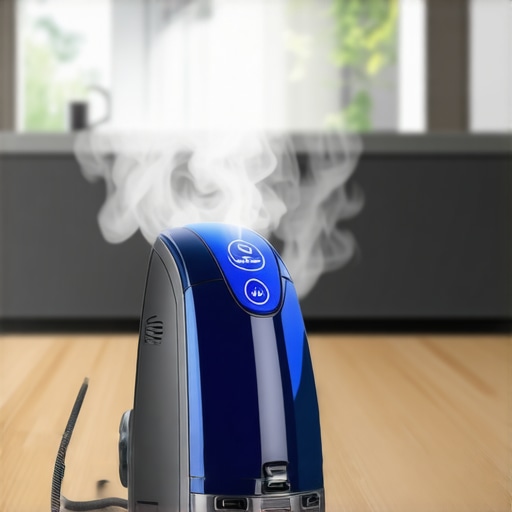
Why I Prefer Steam Cleaners: They reduce reliance on harsh chemicals, are cost-effective over time, and are incredibly efficient at removing hidden grime. Regular use on kitchen counters, bathroom fixtures, and even curtains keeps your home healthier without added effort.
How Do I Keep My Tools in Peak Condition Over Time?
Proper maintenance extends the lifespan and efficiency of your cleaning tools. For example, after each use, rinse microfiber cloths and replace worn-out sponges to prevent bacterial growth. For larger equipment like vacuum filters, follow manufacturer guidelines—many recommend replacing filters every 3-6 months. I personally schedule monthly deep cleans of my steam cleaner’s water tank, utilizing a mixture of vinegar and water to prevent mineral buildup, as recommended by experts at Spotless Carpetz. This simple upkeep preserves optimal performance.
Scaling Up with Ease
If your cleaning routine needs to expand—for example, in a larger house or multi-family dwelling—consider investing in adjustable tools and modular systems. For upholstery, I swear by the ultimate upholstery cleaning kit, which offers attachments for sofas, chairs, and even car seats. These allow you to maintain vitality and cleanliness over a broader area without extra purchases.
Future Trends in House Cleaning Tools
The future holds promising innovations such as robotic cleaners equipped with AI that can detect dirt and schedule cleanings without supervision. Companies are also developing eco-friendly, biodegradable cleaning agents that enhance the efficiency of traditional tools. Staying ahead by investing in adaptable, high-quality equipment now ensures your home is prepared for these advancements.
How Do I Keep My Equipment Running Smoothly for Years?
Routine inspection and timely replacement of parts are crucial. For instance, check hoses and seals periodically to prevent leaks in steam cleaners, and follow manufacturer recommendations for filter changes. A well-maintained tool not only performs better but also saves you money long-term by avoiding costly replacements. Incorporate a cleaning schedule, such as the one outlined in daily routine guides, to ensure you consistently care for your equipment.
Remember, mastering the tools of the trade allows you to maintain a hygienic, inviting home effortlessly. Try adding a steam cleaner to your routine and see how it transforms your approach to long-term cleanliness. Properly maintained, these devices can serve you for years—making ongoing house cleaning less of a chore and more of a habit.
The Hardest Lesson I Learned About House Cleaning and Rust Removal
One of the most valuable lessons I discovered was that patience truly is a virtue when tackling rust stains using natural methods. Rushing to scrub or applying too much lemon juice often led to disappointing results, damaging the porcelain surface. It took me several attempts to realize that allowing the lemon and salt mixture to sit for the right amount of time was crucial for effective removal. This taught me to respect the process and trust natural solutions, which proved gentler yet equally powerful.
What I Wish I Had Known About Natural Cleaning Before
I used to believe that commercial chemical cleaners were the only way to handle tough rust stains. However, I’ve learned through experience that household staples like salt and lemon can be incredibly effective—and much more eco-friendly. Knowing the right technique, such as applying the mixture in circular motions with an old toothbrush and letting it sit, transformed my approach. This insight saved me time, money, and worry about harmful chemicals near my family.
Overcoming Common Myths That Could Hold You Back
A false belief I encountered was that natural remedies aren’t powerful enough for serious stains. I found that this myth was simply not true; with the right patience and technique, salt and lemon can tackle stubborn rust spots. Another misconception is that you need abrasive pads that can scratch porcelain. In reality, gentle scrubbing combined with their natural acidity provided beautiful, damage-free results. Embracing these truths made my cleaning routine more sustainable and satisfying.
Resources That Changed My Cleaning Perspective
- Effective House Cleaning Secrets from Cleaning Experts: This resource taught me the importance of gentle, natural solutions and how to properly apply them. Learn more here.
- Sanitizing Secrets for a Safer House in 2025: It expanded my understanding of avoiding harsh chemicals and focusing on natural disinfection methods. Discover the insights.
- Move-Out Cleaning Strategies to Secure Your Deposit: Though focused on move-outs, this guide reinforced the value of thorough yet gentle cleaning techniques that preserve surfaces and promote hygiene. Check it out.
- House Cleaning Strategies for a Sparkling Home Today: A comprehensive approach that made me realize consistent maintenance is key for lasting cleanliness. Read more.
Your Turn to Embrace Natural Rust Removal
Armed with these insights and resources, you can confidently try natural methods like salt and lemon to banish rust stains from your bathroom fixtures. Remember, patience and proper technique can make all the difference, transforming your cleaning routine into a more sustainable and rewarding experience. Don’t hesitate to experiment and adjust according to your needs—your home will thank you for it. Now, I encourage you to share your own experiences—have you ever struggled with stubborn rust stains? Let me know below and join the conversation on natural home care.