
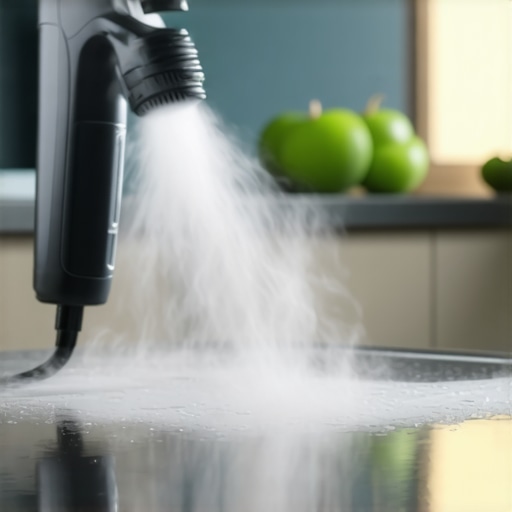
I vividly remember a weekend when I was deep into a move-out cleaning spree. I had my trusty steam cleaner in hand, confident that blasting away at the bathroom tiles and sofa seams would banish all germs. But as I admired my spotless, steaming surfaces, a little voice inside wondered—”Is this really enough?” I had always believed in the power of steam to sanitize, but an unsettling doubt crept in. What if I was just scratching the surface of the problem?
Why Relying Solely on Steam Might Not Be Enough
It’s easy to think that a brisk blast of steam can wipe out every bacteria lurking in your home. After all, high temperatures can kill germs, right? Well, yes—steam can be an effective cleaning tool, but relying on it alone might be a mistake. Early on, I made the mistake of assuming that heat was all I needed, neglecting the importance of cleaning agents, surface types, and proper technique. Studies show that some bacteria can survive high-temperature steam if residues or biofilms are present, making total sanitation more complicated than just cranking up the heat. It’s crucial to understand that steaming is part of a comprehensive cleaning strategy, not a magic bullet.
Experts often recommend combining steam with disinfectants for complete sanitization, especially in areas prone to bacteria buildup, like kitchen counters and bathroom fixtures. It’s a misconception to think that steam alone can handle every household germ, and I’ve learned this lesson the hard way.
Is It Truly Worth the Hype? Am I Overestimating Steam’s Power?
So, why is this topic so important now? With many of us prioritizing hygiene more than ever, especially during the recent health concerns, better understanding how to effectively sanitize at home is vital. I’ll be honest—my initial approach led to some missed spots, and I only realized the gaps when I virtually failed a move-out inspection. Trust me, it’s a common mistake. If you’ve ever wondered whether your steam cleaner is doing enough, or if you’re missing key areas, you’re not alone. I’ll guide you through proven methods that combine steam, disinfectants, and detailed cleaning to ensure your home is truly sanitized, not just visibly clean.
Start with a Detailed Surface Preparation
Before applying steam or disinfectants, remove visible dirt and stains. I recall a messy kitchen counter cluttered with dried soy ink stains; I used a stiff brush and a mixture of warm water with a splash of vinegar to loosen grime. This step makes subsequent sanitization more effective by exposing bacteria hiding beneath layers of dirt. Always clear away objects and debris to reach every corner, much like preparing a canvas before painting for a smooth finish.
Use Combined Approaches for Complete Sanitization
Employ steam alongside approved disinfectants for surfaces prone to bacteria buildup. For example, in my experience cleaning a moldy bathroom grout, I first steamed the area to loosen residue and then applied a specialized grout cleaner followed by a disinfectant spray. This hybrid method ensures biofilms are broken down and bacteria are killed. Remember, relying solely on steam, especially for porous surfaces, may leave bacteria alive—it’s similar to boiling water but only in certain conditions.
Choose the Right Disinfectant for Each Surface
Not all disinfectants are compatible with every material. I once used a bleach-based spray on my eco-friendly couch, causing discoloration. Afterward, I learned from experts that selecting fabric-safe disinfectants is vital. For upholstery, non-bleach, fabric-approved solutions are best. Keep in mind that some disinfectants require a contact time of at least 5 minutes to be effective, akin to giving the chemical enough time to do its work, much like marinating food for flavor.
Disinfect Thoroughly, Especially Hidden Spots
Moving equipment and furniture reveals neglected niches where bacteria thrive. I once overlooked behind my fridge, where accumulated dust and grime became a hidden bacteria reservoir. I used a flexible duster and a toothbrush dipped in an approved disinfectant to scrub these areas. It’s essential to target the typical hideouts: behind appliances, inside vents, and under cabinets. These are the equivalent of scanning every nook in a house, much like a detective searching for clues no one notices.
Allow Proper Drying and Aeration
After applying disinfectants and steaming, ensure surfaces dry completely. Using a microfiber cloth, I dried surfaces to prevent mold growth and biofilm formation. Ventilating rooms accelerates drying, reducing microbial regrowth. Don’t rush this step; a damp surface is an invitation for bacteria to rebound, similar to how mold spores settle on wet wood. Think of it as giving your house a breath of fresh air after cleaning—freshness helps seal the cleanliness.
Upholstery and Carpet Care that Extends Sanitation
Upholstery cleaning isn’t just about removing dirt; it’s about sanitizing deep fibers. I once used a micro-steam machine on my velvet sofa, following the steps outlined in micro-steam techniques. This method penetrated fabric fibers, killing germs without risking damage. For carpets, hot water extraction combined with a disinfectant solution proved effective. Remember, routine vacuuming removes surface debris, setting the stage for deeper sanitization—like clearing the table before serving the main course.While many believe that a thorough scrub or a quick steam session guarantees a spotless, germ-free home, the reality is far more nuanced. One common misconception is that relying solely on high-temperature steaming can eliminate all bacteria, especially on porous surfaces. In truth, bacteria often exist within biofilms—protective layers that shield them from heat and disinfectants. As highlighted in recent microbiological studies, effective sanitization often requires adjunctive chemical agents or enzymatic cleaners to break down these biofilms, making bacteria vulnerable to eradication. Ignoring this nuance can lead to a false sense of security, especially during move-out cleans where the goal is to pass inspections with flying colors.
What advanced methods can outsmart bacterial biofilms during deep cleaning?
Incorporating enzymatic cleaners specifically designed to dismantle biofilms can significantly improve cleaning efficacy. These products digest the protective layers around bacteria, exposing them to disinfectants and prevent colonies from re-establishing quickly. Always pair enzymatic treatments with mechanical scrubbing to maximize results. For detailed strategies, check out expert-recommended cleaning hacks. A common trap to avoid is overusing disinfectants without proper surface preparation. Chemical agents are most effective when applied to surfaces free of dirt, grease, and residues. Failing to clean visibly soiled areas first diminishes disinfectant contact and leaves bacteria alive.
Many underestimate the importance of drying surfaces after disinfection. Moist environments promote bacterial and mold proliferation, undermining the entire sanitizing effort. Airing out rooms or using microfiber cloths to thoroughly dry surfaces is essential. Proper drying protocols vastly reduce microbial rebound, especially in overlooked spots like behind appliances or inside air vents. Move-out cleaning becomes a meticulous game of attention to detail—skipping these steps risks a deposit deduction or a missed opportunity to ensure genuinely clean surfaces.
Advanced house cleaning involves understanding not just what to do, but why it works. For upholstery, superficial steaming without verifying material compatibility can damage delicate fabrics or leave residual moisture that fosters mold. Modern cleaning techniques recommend micro-steam applications at specific temperatures and durations tailored to fabric types. This ensures germ-killing without compromising integrity. To avoid mistakes, consult trusted guides or professional upholstery tips.
In summary, effective sanitizing extends beyond what meets the eye. It demands a layered approach: chemical and enzymatic treatments, mechanical scrubbing, thorough drying, and tailored methods for sensitive surfaces. Recognizing these nuances prevents common pitfalls and elevates your cleaning game—saving money, time, and giving peace of mind. Have you ever fallen into this trap? Let me know in the comments.
Choose Equipment That Lasts and Performs
Investing in high-quality cleaning tools is fundamental for maintaining a spotless home over time. I personally swear by a commercial-grade steam cleaner like the McCulloch MC1275 because it offers durable construction and consistent temperature control, which are crucial for effective sanitization. Its robust build minimizes breakdowns, saving you money and frustration. For upholstery, I recommend the Jiffy Steamers because their design allows for precise temperature adjustments, ensuring safe treatment of delicate fabrics without damage. Using reliable equipment avoids the pitfalls of inconsistent results and reduces the need for re-cleaning, which can be costly and time-consuming.
Leverage Smart Solutions for Efficient Cleaning
Modern cleaning software such as digital scheduling tools helps maintain a regular cleaning schedule, preventing grime buildup that complicates sanitization. I personally use the Evernote app to track cleaning routines and set reminders for tasks like replacing filters or deep-cleaning upholstery. These tools ensure I stay on top of maintenance, extending the lifespan of my equipment and surfaces. As technology advances, integrating IoT-enabled devices that monitor air quality or surface cleanliness can alert you to issues before they escalate, making long-term home maintenance smarter and more effective.
How do I maintain these tools over time?
Regular maintenance of your cleaning arsenal is essential for ongoing performance. For steam cleaners, I recommend descaling your device with a vinegar solution every few months, following manufacturer instructions—this prevents mineral buildup that hampers heat transfer and sterilization capacity.
For tools like microfiber cloths or brushes, wash them thoroughly after each use and avoid fabric softeners, which can reduce their effectiveness. Keep all equipment in a dry, organized space to prevent damage and prolong usability.
As the trend in home cleaning evolves, expect smarter, more integrated tools—like robotic vacuums that map your home and schedule cleaning autonomously—to become commonplace. Staying updated with innovations ensures your maintenance routine stays effective and efficient.
Stick to a Routine, Reap the Rewards
Once you’ve selected durable equipment and embraced maintenance, sticking to a regular cleaning schedule is key. Beyond the initial investment, consistent upkeep not only preserves surface integrity but also minimizes health risks by preventing bacteria and mold from taking hold. For embedded grime in overlooked areas, consider tools like the narrow grout brushes or specialized duster attachments to reach impossible spots. These small efforts accumulate, keeping your home cleaner longer and reducing the frequency of deep cleans.
Taking Cleaning to the Next Level with Professional Tools
While high-quality equipment is crucial, leveraging professional-grade tools such as commercial steam systems or HEPA-filtered vacuum cleaners can significantly boost sanitation efforts. Recent studies, like those documented in the Wikipedia entry on HEPA filters, highlight their effectiveness at removing airborne and surface bacteria. Incorporating these in your routine ensures a healthier living environment and extends the lifespan of your furnishings. I encourage you to try upgrading your vacuum to a HEPA model—it’s a small change with substantial benefits.
The Hardest Lesson I Learned About Sanitizing and House Cleaning
One of the most eye-opening lessons I encountered was realizing that surface-level cleaning often gives a false sense of security. I used to rely heavily on steam alone, assuming that high temperatures would eliminate all germs, but I soon discovered that bacteria can survive in biofilms and residues, especially on porous surfaces. This taught me the importance of combining mechanical cleaning, chemical disinfectants, and proper drying to truly sanitize my home.
Myths That Held Me Back in Move-Out Cleaning
I used to believe that a quick steam session was enough to secure my security deposit. However, I learned that neglected hidden spots like behind appliances or inside vents can harbor bacteria, risking deduction. Incorporating detailed spot cleaning with enzymatic cleaners and inspecting overlooked areas made a real difference, showing me that thoroughness beats shortcuts every time.
The Secrets Cleaning Experts Won’t Share Publicly
Experts emphasize the significance of understanding surface compatibility and the role of biofilms in sanitization. While many recommend using professional tools and tailored disinfectants, the real secret lies in patience—allowing disinfectants enough contact time and ensuring surfaces are adequately dried. This approach, though detailed, can dramatically improve cleaning outcomes and health safety.
Curated Picks for Better House Hygiene
- McCulloch MC1275 Steam Cleaner: Exceptional durability and temperature stability ensure consistent sanitization, saving money over time.
- Enzymatic Cleaners from EcoClean: Designed specifically to break down biofilms, these have transformed my ability to sanitize porous and tricky surfaces effectively.
- HEPA Vacuum Models: To ensure airborne and surface bacteria are captured, upgrading to a HEPA-filtered vacuum has been a game-changer for allergen control.
- Digital Cleaning Schedules with Evernote: Keeping a routine helps me stay consistent, preventing grime buildup that complicates sanitation efforts.
Time to Embrace a Truly Clean Home
Cleaning isn’t just about appearances; it’s a commitment to your health and peace of mind. By integrating detailed methods, quality equipment, and routine maintenance, you elevate your space from merely tidy to genuinely sanitized. Your effort today will pay off with a healthier environment tomorrow. Are you ready to rethink your cleaning strategies and make sanitization a priority in your home? Share your experiences or ask questions below—I’d love to hear your journey toward a safer, cleaner space.