
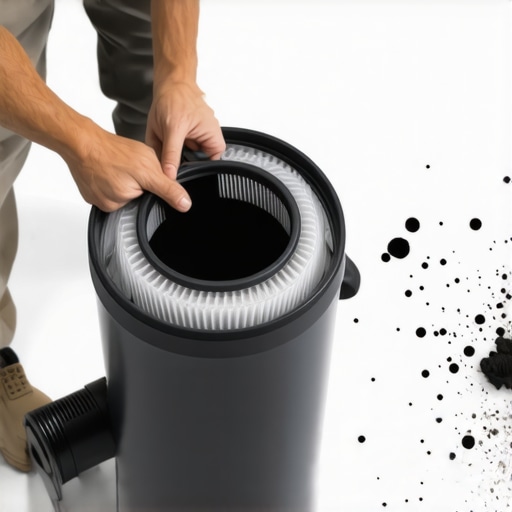
I remember the moment clearly—my living room was finally spotless, or so I thought. It was late Saturday afternoon, I had spent hours meticulously cleaning the upholstery, sweeping the floors, and wiping down every surface. Yet, as I settled into my couch, I noticed that the air felt heavier, dust seemingly settling faster than before. A lightbulb went off: my vacuum cleaner might actually be making my home dustier rather than cleaner.
Why Your Vacuum Filter Could Be Sabotaging Your Cleaning Efforts
If you’ve ever wondered why, despite regular vacuuming, your home still feels dusty or your allergies are acting up, you’re not alone. I used to think that a quick filter change was enough, but it turns out there’s more to the story. The truth is, a dirty or improperly maintained vacuum filter can cause your vacuum to disperse dust back into the room, defeating the purpose of cleaning altogether. This realization was a game-changer for me—since then, I’ve refined my approach and seen a noticeable difference in my home’s air quality.
Is Vacuum Filtration Really That Important?
Absolutely. A study from the Environmental Protection Agency highlights that indoor air can be 2-5 times more polluted than outdoor air, often worsened by household activities like vacuuming. A clogged or ineffective filter not only reduces your vacuum’s efficiency but can also release fine dust particles back into your living space, exacerbating allergies and respiratory issues. Early on, I made the mistake of neglecting regular filter cleaning, which only worsened my situation. Now, I know that maintaining a clean filter is vital for truly fresh air.
So, if you’re tired of cleaning only to see dust settle right back, stick around. We’ll cover practical tips that have helped me and many others improve their vacuuming results, creating a healthier, dust-free home environment. And believe me, small changes can make a world of difference. Curious if you’ve been making any of these common mistakes? Keep reading to find out more and say goodbye to dusty rooms once and for all.
Change and Clean Filters Regularly
One of the simplest yet most overlooked steps is replacing or cleaning your vacuum filter at least every three months. I recall a weekend when I finally dedicated an hour to removing my unit’s filter, which was clogged with a year’s worth of dust and hair. After replacing it, I noticed the vacuum’s suction power increased dramatically, and the air in my living room felt noticeably fresher. For a detailed guide, check out this upholstery cleaning guide.
Empty the Vacuum Canister or Bag Frequently
Don’t wait until the vacuum is full to empty it. I learned this the hard way when my bag filled to capacity, causing dust to escape during cleaning. Now, I empty my canister after every few uses, ensuring optimal suction and minimal dust re-release. Think of it like a garbage bin—overflowing reduces efficiency and spreads debris. Regularly removing dust prevents the vacuum from becoming a dust dispenser rather than a cleaner, making a noticeable difference in indoor air quality.
Inspect and Maintain Brush Rolls
Clogged brush rolls can hinder dirt pickup and cause overheating. I once neglected to clear hair and fibers caught in my vacuum’s brush, which led to uneven cleaning. To prevent this, I remove the brush roll monthly, pulling out threads and pet hair with tweezers, and ensure it spins freely. Clean brushes mean better agitation for dirt removal, reducing the need for multiple passes and lowering dust dispersal. For specific techniques, visit house cleaning secrets from experts.
Adjust Suction Settings Appropriately
Modern vacuums often have adjustable suction. I discovered in my last move that lowering the suction helped clean delicate upholstery without pushing dust deeper. Conversely, increasing suction on carpets lifted embedded dirt more effectively. Matching the setting to the surface ensures thorough cleaning without overworking the machine. Proper suction management minimizes dust escape and extends your vacuum’s lifespan, making cleaning sessions more efficient.
Regularly Test for Dust Escape
I set periodic checkups by running my vacuum in a small area and observing the exhaust. If I notice dust or debris escaping, I revisit the filter and brush roll. This simple step catches issues early before dust creeps back into the air. Implementing this habit keeps air quality high and the cleaning process effective, ensuring your vacuum does not become a dust disperser over time. For additional tips, explore why your vacuum might be spreading dust.
Use High-Quality Bags or HEPA Filters
Investing in HEPA filters or high-quality bags made a significant difference in my home. I started noticing less sneezing and clearer air after switching to these. HEPA filters trap tiny particles that standard filters miss, preventing them from being released during vacuuming. Consider this upgrade as part of your routine—it’s like catching dust before it escapes into your living space, resulting in healthier indoor air.
Consistent maintenance routines, like these, transform your vacuum from a dust spreader into a powerful cleaning tool. By implementing these small but impactful steps, you’ll experience a fresher, cleaner home with better indoor air quality—and your allergy symptoms will thank you. For more expert advice on house cleaning strategies, visit effective house cleaning secrets.
Many homeowners believe that simply spritzing disinfectant or rushing through chores ensures a truly clean home, but in my experience, this oversimplification often leads to overlooked issues. A prevalent misconception is that all disinfectants are equally effective on every surface, yet, as studies from the University of Arizona reveal, different materials require specific sanitizing approaches to eliminate bacteria effectively. For instance, porous surfaces like upholstery can harbor microbes deep within fibers, making standard sprays insufficient. That’s why I recommend tailored solutions, such as specialized upholstery sanitizing techniques, which you can explore in detail here.
Additionally, many assume that move-out cleaning involves only superficial tasks. However, neglecting hidden dust traps in places like behind appliances or inside ventilation grills can lead to deductions from your security deposit. I once overlooked these areas, resulting in a disappointing inspection report. To prevent this, a comprehensive move-out checklist is essential, which I discuss here.
One common trap is relying solely on chemical disinfectants without understanding the importance of physical removal. Spraying bleach or sprays doesn’t guarantee the elimination of all pathogens, especially on textured surfaces or fabrics. Mechanical cleaning—scrubbing, vacuuming, or steaming—is often overlooked but crucial. For example, steam cleaning fabrics effectively eradicates bacteria without chemical residues, a technique explained in depth here.
Another misconception involves the frequency of cleaning upholstery. Many think weekly cleaning suffices, but high-traffic or pet-inhabited furniture may need more frequent attention to prevent allergen buildup. Using improper cleaning methods or aggressive chemicals can damage delicate fabrics. Understanding the specific needs of your upholstery and employing the correct techniques not only prolongs furniture life but also improves indoor air quality, as detailed in this guide.
Finally, there’s often an underestimation of the importance of surface testing for bacteria and dust escape during cleaning routines. Simple checks, like observing the vacuum exhaust or testing with a damp cloth, can highlight problem areas before they affect air quality or inspection results. Implementing such habits can be game-changing, which I elaborate on here.
Sharpening your understanding of these nuanced aspects of cleaning and sanitizing can make a significant difference in both the results and the longevity of your efforts. Remember, quick fixes rarely provide lasting cleanliness—attention to detail is key. Have you ever fallen into this trap? Let me know in the comments.
Keeping Equipment in Top Shape for Long-Term Results
Investing in quality tools is the first step toward maintaining a consistently clean environment. I personally rely on a HEPA-filter vacuum that I clean every month, which prevents dust and allergens from recirculating. Regularly inspecting and replacing filters are essential; a clogged filter not only reduces efficiency but can also disperse trapped dust back into the air, defeating your cleaning efforts. To ensure your vacuum remains effective, check out this upholstery cleaning guide for tips on maintenance.
Essential Tools That Make a Difference
Beyond a good vacuum, I swear by microfiber cloths and steam cleaners for deep sanitizing without chemicals. Microfiber cloths are excellent for trapping dust and microbes because of their fine fibers, but they must be properly cared for—wash them in hot water and replace when they fray, as I learned here. Steam cleaners, on the other hand, offer high-temperature sanitation that penetrates fabrics and surfaces, killing bacteria without leaving chemical residues. For delicate upholstery, I use a specialized steam attachment that ensures even coverage without risking damage.
How Do I Maintain My Cleaning Routine Over Time?
Establishing a scheduled routine for tool maintenance and cleaning tasks keeps my home consistently fresh. I set monthly reminders to check filters, empty canisters, and inspect brush rolls. This proactive approach prevents equipment breakdowns and maintains high performance. Additionally, I keep a log to track filter replacements and equipment servicing, which helps me stay disciplined even during busy weeks. Adapting your routine as your home evolves—like after renovations or new pets—ensures ongoing effectiveness. Remember, the future of home cleaning points toward smarter equipment integration and sensors that notify you when maintenance is needed, saving time and effort. A recent study by the National Institutes of Health emphasizes the importance of equipment upkeep for indoor air quality. To get started, try setting a quarterly filter check—it’s simple yet impactful.
The Hardest Lesson I Learned About sanitizing and move-out cleaning
One unforgettable realization was that rushing through cleaning tasks often leads to overlooked dust traps and microbial hideouts. I once thought quick sprays and superficial wipe-downs sufficed, but I discovered that thoroughness and attention to detail are crucial for a truly sanitized home. This lesson transformed my approach, making me prioritize deep cleaning routines that target hidden spots.
3 Myths About upholstery cleaning That Held Me Back
Believing that all cleaning methods are interchangeable or that chemical disinfectants alone can achieve sanitation was a misconception I had to overcome. I learned that specific techniques, like steam cleaning for fabrics, are essential for effective sanitation without damaging delicate materials. Busting these myths opened the door to more strategic, effective cleaning practices.
What Experts Won’t Tell You About move-out clean
Many overlook insidious dust traps and the importance of inspecting ventilation grills or behind appliances. I found that a comprehensive checklist and meticulous attention to often-neglected areas are vital for passing move-out inspections and securing my full deposit. These insider tips saved me time, money, and stress, showing the value of expert-level cleaning strategies.
My Essential Toolkit for sanitizing and upholstery care
I trust high-quality HEPA-filter vacuums and microfiber cloths because they trap fine dust and microbes effectively. Steam cleaners have become my go-to for fabric sanitization, providing chemical-free disinfection that preserves material integrity. These tools, combined with the right techniques, ensure my home remains not just clean but genuinely healthy.
Where to Go from Here
Start integrating these insights into your routine: replace filters regularly, pay attention to hidden spots, and embrace specialized tools. Staying proactive and informed transforms cleaning from a chore into a safeguard for your family’s health. Remember, small, consistent improvements can lead to a noticeably cleaner, fresher home—ready to face any inspection or allergy trigger.
Your Turn to Try
Have you ever overlooked a hidden dust trap that caused cleaning headaches? Share your experiences and tips below—I love hearing how others conquer home sanitizing challenges!
,