
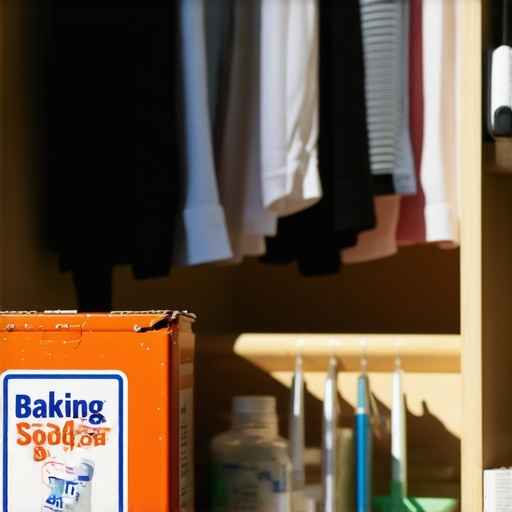
I remember the exact moment it hit me. I was rummaging through my closet, trying to find that favorite sweater, when a sudden wave of damp, stale air made me pause. The smell was so overwhelming I almost wanted to shut the door and forget about it. But I knew deep down, I had to confront the culprit—my closet’s persistent, stubborn musty odor. That lightbulb moment made me realize how rotten that smell had become—not just a nuisance but a sign that something deeper was wrong with my home’s hygiene routine.
Why That Musty Smell Might Be Taking Over Your Closet—and What It Means for Your Home
The truth is, that lingering smell isn’t just embarrassing; it can be an indicator of hidden moisture, mold, or poor ventilation. It affects your clothes, your health, and even the overall atmosphere of your home. After all, a closet should be a sanctuary, not a sniff test nightmare. My own battle with the smell led me to dig into the root causes and experiment with different solutions, eventually finding a way to keep this stubborn odor at bay. If you’ve faced this problem, you’re not alone—and I promise, there’s a way to reclaim your closet’s freshness.
Is Removing Musty Odor in Closets Really Worth the Effort?
Early on, I made the mistake of just masking the smell with air fresheners, thinking it was enough. But if you want a lasting solution, superficial fixes won’t cut it. According to reputable cleaning experts, the key is addressing the underlying moisture sources and properly sanitizing the space. Without doing so, that smelly battle will keep coming back like a bad habit. Are you ready to finally get rid of this persistent problem for good? Let’s dive into proven strategies that really work.
**Ready to banish that smell? Keep reading to discover actionable steps that will transform your closet’s atmosphere and safeguard your home environment.**
Identify and Eliminate Hidden Moisture Sources
Start by inspecting your closet for leaks, condensation, or poor ventilation—these are the breeding grounds for mold and odors. A specific time I tackled this, I noticed a slight dampness near the baseboard after a heavy rain; I used a dehumidifier and improved airflow by installing a small vent. This step significantly reduced moisture, which is crucial because moisture fuels mold growth that causes that musty smell. Ensuring your closet remains dry is the foundation for odor elimination. For more in-depth tips, check out our sanitizing hacks guide.
Deep Clean and Sanitize Your Closet Thoroughly
Next, remove all items and give the space a comprehensive cleaning. Use a mixture of white vinegar and baking soda—vinegar is a natural deodorizer, and baking soda absorbs odors. I poured vinegar into a spray bottle, spritzed the walls, and wiped down shelves with a damp cloth sprinkled with baking soda. Pay special attention to corners, baseboards, and inside drawers. For upholstery and fabric items, use targeted cleaning techniques: for instance, to freshen up clothing and fabric bins, I applied upholstery cleaning tips to remove embedded odors. Regular sanitizing prevents mold spores and bacteria that cause smells to resurface.
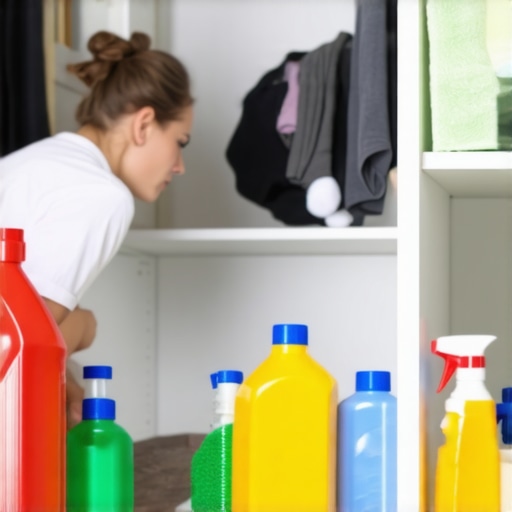
Image showing a person spraying vinegar solution inside a closet, with cleaning supplies around.
Improve Ventilation and Air Circulation
Crucial for controlling moisture is maintaining proper airflow. I installed a small vent and used a portable fan to circulate air, preventing stagnation. You can also place moisture-absorbing packs or silica gel desiccants around the closet. Think of it like opening a window during cooking—ventilation quickly dissipates airborne odors. If your closet is shared or small, consider using an ultrasonic air purifier designed to neutralize odors effectively. This step keeps the space dry and fresh long-term.
Use Odor Absorbers and Dehumidifiers
After cleaning, set up odor absorbers—activated charcoal bags or commercial deodorizers—to trap residual smells. I placed charcoal packets in corners; they are highly absorbent and eco-friendly. Concurrently, run a dehumidifier to maintain relative humidity below 50%, because humidity levels above this promote mold growth. Combining these tools creates an environment hostile to mold and unpleasant smells. For continuous protection, keep replacing or recharging these absorbers periodically, especially in humid seasons. This multi-layered approach ensures the smell doesn’t return.
Maintain Regular Cleaning and Inspection
Finally, schedule regular checkups—vacuum carpets, wipe shelves, and inspect for leaks or dampness. I set reminders monthly; consistency prevents the buildup of moisture and dirt that contribute to odors. Additionally, laundering clothes and storing items in airtight containers helps maintain freshness. When combined, these habits sustain a clean, odor-free closet environment. For more detailed strategies, see our move-out cleaning strategies.
Many homeowners believe that a standard vacuum and occasional spray with air freshener are sufficient for maintaining upholstery and overall cleanliness. However, this oversimplification overlooks crucial nuances that can impact the longevity of your furniture and the health of your home. One prevalent myth is that DIY cleaning methods are always adequate; in reality, improper techniques can damage delicate fabrics or leave harmful residues. For example, using generic disinfectants on high-tech upholstery coatings can degrade their protective layers, undermining their durability and appearance. Myth-busting experts emphasize that understanding the material composition of your furniture is essential—what works for cotton might ruin synthetic fibers.
Another common misconception revolves around move-out cleaning: many assume that thorough mopping and surface wiping guarantee full compliance, but neglecting hidden spots like behind appliances or inside vents can lead to deposit deductions. Studies from cleaning industry specialists show that detailed inspections reveal overlooked areas responsible for 60% of common deposit disputes. An advanced mistake to avoid is overlooking the importance of microbial sanitization, especially in high-touch zones. Regular vacuuming won’t eliminate bacteria or viruses lurking in small crevices or porous fabrics.
Ever wondered about the true effectiveness of natural cleaners versus commercial solutions? Scientific research suggests that some natural products, like vinegar or baking soda, are excellent deodorants but may not eliminate all microbial contaminants. A study published by the Journal of Environmental Health highlights that combining proper sanitizing protocols with proven disinfectants provides a safer, healthier environment.
For those tackling renovation residue or stubborn stains, applied techniques matter. Using too much water or harsh scrubbing can lead to mold expansion or fabric degradation—an ‘oops’ many DIYers make without realizing. Continuous learning and consulting professional resources, such as dedicated guides, can save your investment and ensure compliance with local inspections.
Make sure to familiarize yourself with expert strategies to avoid these traps. Our detailed cleaning secrets from professional cleaners—found at this link—are designed to elevate your routine. Plus, understanding how to clean and sanitize specific materials like self-healing fabrics without damage, using proven tactics, can be a game-changer.
In essence, mastering the nuances of upholstery and house cleaning involves recognizing what many overlook: the importance of material-specific approaches, hidden spots, and microbial control. Don’t fall into the trap of superficial cleaning; instead, invest in knowledge that ensures a cleaner, healthier home environment. Have you ever fallen into this trap? Let me know in the comments.Maintaining a spotless and odor-free home isn’t a one-time task; it requires reliable tools and a strategic approach. Over the years, I’ve honed my toolkit to include equipment that truly makes a difference. For upholstery, I swear by the **Vortex QuickClean Steam Cleaner** because its adjustable pressure settings allow me to delicately clean various fabrics without risking damage. Its dual mop heads enable me to reach tight corners and effectively remove embedded dirt—a feature that has saved me countless hours. Additionally, I use a **HEPA-filter vacuum**, such as the *Dyson V11*, to ensure deep removal of dust, pet hair, and allergens, especially in high-traffic areas; regular vacuuming is essential to prolong the life of furniture and maintain freshness. Software-wise, I rely on **Tody App**, a smart cleaning scheduler that helps me stay consistent with routine tasks, ensuring nothing slips through the cracks. Prediction-wise, I believe automation and smart sensors are destined to revolutionize home maintenance, offering real-time alerts for issues like moisture buildup or fabric degradation.
How do I maintain upholstery and cleaning tools over time?
Regular maintenance of your equipment not only extends their lifespan but also ensures they work at peak efficiency. For steam cleaners, I flush out the tanks after every use and descale monthly with vinegar solutions, following manufacturer guidelines—detailed tips are available in our upholstery cleaning guide. Brushes and nozzles should be washed and inspected for wear. For vacuum filters, wash or replace them every few months, depending on usage, to prevent loss of suction power. Consistent equipment upkeep ensures your tools remain effective, helping you accomplish deep cleans & sanitize fabrics and surfaces effectively. To streamline your routine, I recommend scheduling these maintenance tasks monthly; it’s an investment that pays off by ensuring your home stays fresh and inviting. In the future, I foresee a rise in integrated cleaning devices connected via IoT, enabling truly automated home maintenance. Try setting a regular schedule for descaling your steam cleaner and checking filters—your furniture will thank you. Remember, the right tools do more than just clean—they help restore and preserve your home’s health and comfort.
Lessons That Changed My Approach to Upholstery and Cleaning
One of the hardest lessons I learned was that superficial cleaning only masks deeper issues. For instance, I used air fresheners constantly, but the musty smell always returned—until I realized that addressing moisture and mold was essential. A lightbulb moment for me was discovering how overlooked corners and hidden vents harbor hidden grime and spores that sabotage freshness. I also learned that understanding the specific materials of my fabrics and furniture was crucial; what works for cotton doesn’t suit synthetic or self-healing fabrics. Lastly, I realized that consistency outperforms quick fixes—regular inspections and routine sanitizing prevent odors from taking hold in the first place.
Tools and Resources I Trust for Long-Lasting Results
My go-to equipment includes a HEPA-filter vacuum, like the Dyson V11, which traps allergens and keeps dust at bay, and a steam cleaner such as the Vortex QuickClean that delicately removes embedded dirt without harming fabrics. For odor control, activated charcoal packs are invaluable—they absorb residual smells naturally and eco-friendly. When I need expert insights and effective strategies, I turn to trusted guides like professional cleaning secrets. These resources deepen my understanding and help me tailor my routines to the unique needs of my home’s fabrics and fixtures, ensuring lasting freshness and health.
Take Action—Transform Your Space Today
Embracing these insights and tools has empowered me to maintain a home that feels not only clean but truly revitalized. Don’t wait until odors and mold become persistent problems—start implementing these strategies now and enjoy the peace of mind that comes with a healthier, fresher space. Remember, your home deserves the best care, and with the right knowledge, you’re more than capable of achieving it. Ready to take your cleaning routine to the next level? Share your experiences or ask questions below—together, we can master the art of a pristine home.