
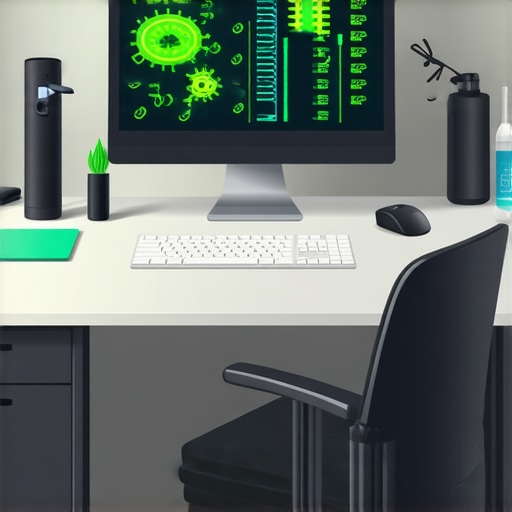
I remember the exact moment I realized my home office wasn’t just a sanctuary for productivity, but a hidden battleground against invisible germs. It was after a long day of working, only to notice how my desk chair had developed a peculiar smell—almost like it was gathering dirt and bacteria right under my nose. That lightbulb moment made me reevaluate everything I thought I knew about cleanliness in my personal space.
Why Bacteria Love Your Home Office Too Much to Ignore
Our modern workspaces have become more than just desks and chairs. They’re ecosystems of countless germs, quietly thriving where we least expect them. From keyboard crevices to the underside of your mouse, these micro-worlds are often overlooked during routine cleaning. Studies show that electronics and frequently touched surfaces in our homes can harbor more bacteria than bathroom sinks—and yes, that includes your beloved coffee table.
But what exactly makes a home office such a germ haven? Well, many of us spend hours in front of screens, with our hands constantly touching various surfaces. Dust, skin flakes, food crumbs, and moisture create the perfect environment for bacteria to flourish. Over time, these germs can lead to illnesses or allergic reactions, especially if not addressed early.
One mistake I made early on was thinking that a quick wipe-down of visible dirt was enough. I didn’t realize how tiny microbes cling onto devices and hidden corners until I experienced a minor cold that lingered longer than it should have. According to research by the CDC, proper cleaning and disinfecting of high-touch surfaces are critical in reducing germ transmission—something I wish I’d prioritized sooner.
If you’ve ever caught yourself wondering whether your workspace is as clean as it should be, you’re not alone. Perhaps you’ve noticed dust or felt a sneeze coming on after working at your desk. Well, the good news is that with a few targeted strategies, you can turn your office into a safe, germ-reduced zone.
In this post, I’ll walk you through the seven most common bacteria hotspots in your home office and share practical, easy-to-implement cleaning tips. Whether you’re preparing for a move, a deep clean after a busy season, or just want peace of mind, understanding these hidden germ zones is your first step towards a healthier workspace.
Now, have you faced persistent sneezing or lingering dirt that just won’t go away from your workspace? Let’s dive into how to tackle these sneaky germ hotspots and keep your home office sparkling and safe.
Target High-Touch Surfaces First
Start by identifying surfaces you frequently contact, such as your keyboard, mouse, desk lamp switches, and doorknobs. Use a microfiber cloth dampened with a disinfectant spray, like alcohol-based disinfectant, to wipe these areas thoroughly. My first attempt involved disinfecting my keyboard with a cotton swab dipped in alcohol; it revealed layers of grime behind the keys, but after careful cleaning, my workspace felt noticeably fresher and healthier. Remember, porous surfaces like fabric chair cushions require special attention, as typical disinfectants won’t penetrate effectively. For upholstery, consider using steam cleaning methods to eliminate bacteria embedded within fibers.
Deep Clean and Sanitize Electronics Carefully
Electronics are often overlooked but are prime germ hotspots. Power down devices before cleaning and use specialized electronics wipes or a soft cloth dampened with a mix of 70% alcohol. For delicate screens, avoid excessive moisture to prevent damage. I once accidentally sprayed too much cleaning solution on my monitor, causing streaks, but learned to apply sparingly, allowing the screen to dry completely afterward. For upholstered furniture, avoid harsh chemicals that can damage delicate fabrics; instead, refer to expert upholstery cleaning tips for a safe and thorough refresh (see here).
Don’t Forget Hidden Corners and Edges
Microbial hideouts are often found behind furniture, under shelves, and along baseboards. Use a narrow brush or vacuum with a crevice attachment to dislodge dust and microbes from these tight spots. My recent move-out cleaning experience taught me to focus on baseboard gaps; neglecting these small spaces can lead to deductions during inspection (see more). After vacuuming, wipe down with a disinfectant cloth. For stubborn grime, a micro-steam cleaner can effectively kill germs without damaging surfaces, especially for textured or porous corners. Always wear gloves and ensure proper ventilation during deep cleaning sessions.
Maintain Regular Cleaning Routine
Create a schedule that targets high-touch ones daily or weekly. Use disposable wipes for quick sanitizing during busy days, and set aside time for detailed disinfecting weekly. My routine includes wiping down my desk every morning and steam cleaning my fabric chairs bi-weekly, which drastically reduced allergy symptoms and bacterial presence. Consistency is key. For guidance on efficient house cleaning secrets from cleaning experts, check this article.
Address Upholstery and Carpets
Upholstered furniture and carpets collect germs in fibers. Regular vacuuming helps, but deep cleaning with appropriate methods ensures microbial removal. For instance, I used a micro-steam treatment for my velvet sofa, restoring its plush texture and eliminating odor-causing bacteria. If you need further assistance, refer to upholstery cleaning tips (here) or professional move-out cleaning strategies (see strategies) for comprehensive results.
Be Smart With Your Disinfectants
Choose EPA-approved disinfectants and avoid those that fail on porous surfaces, as they won’t fully eliminate microbes. Spraying alcohol on fabrics can damage the texture, so opt for specialized fabric disinfectants or steam cleaning to avoid deterioration (learn more). Always read labels and test a small hidden area first. Properly stored disinfectants maintain effectiveness, ensuring your cleaning efforts are genuinely germ-busting rather than just superficial.
Many people assume that a quick vacuum or spray disinfectant suffices for pristine upholstery and thorough move-out cleaning, but this oversimplifies the nuanced science of deep cleaning. For instance, a common misconception is that alcohol-based sprays are effective on all fabric types. In reality, porous fabrics like natural fibers absorb chemicals differently, often requiring specialized cleaning methods such as steam treatments to ensure microbes are eliminated without damaging delicate textures (learn more). Oversimplifying this process can lead to residual bacteria, risking health issues and inspection failures.
Another frequent error is neglecting hidden areas like the undersides of furniture or tight corners, which can trap dust, mold, or bacteria capable of triggering allergic reactions or inspection delays. Experts recommend thorough cleaning with micro-steam solutions for these overlooked spots, ensuring microbial eradication without aggressive chemical use. Failing to address these nuances often results in incomplete sanitation, especially problematic during move-out procedures where landlords scrutinize every nook.
Advanced cleaning isn’t just about surface dust; it’s about understanding the material-specific needs of upholstery. For example, synthetic fabrics are often resistant to alcohol disinfectants but can be damaged by certain cleaning agents. Professional-grade steam cleaning, calibrated correctly, can target embedded bacteria safely, preserving fabric integrity. Moreover, regular comprehensive cleaning routines, including sanitizing hidden compartments and using appropriate disinfectants on non-porous surfaces, significantly reduces microbial presence (see here).
Many underestimate the importance of tailored approaches, believing all cleaning products are interchangeable. This misconception is risky because improper cleaning can weaken fabric fibers, diminish aesthetic appeal, and fail to meet health standards required for move-out inspections.
A warning to consider—using generic disinfectants on specialized upholstery can lead to deterioration or uneven cleaning, which might cause rejection during move-out inspections and potential deposit deductions (more about move-out tips). The key is to understand materials and choose cleaning methods accordingly.
Make sure to ask yourself: Are you truly deploying the right cleaning techniques, or just going through the motions? Remember, expert cleaning involves a blend of scientific understanding, proper products, and attention to detail. Have you ever fallen into this trap? Let me know in the comments.
Invest in Quality Cleaning Tools for Better Results
Having the right equipment makes all the difference in maintaining a clean, healthy environment. I personally swear by my commercial-grade microfiber mop—it’s durable, highly absorbent, and gentle on delicate surfaces like upholstered furniture. For deep-cleaning carpets and upholstery, I rely on a micro-steam cleaner, which effectively eliminates microbes without the use of harsh chemicals. These tools allow me to perform routine maintenance, like quick daily wipe-downs, and occasional deep cleans to ensure my home stays fresh and hygienic over the long term.
Why Proper Maintenance Extends the Life of Your Upholstery
Consistent upkeep with the right tools doesn’t just improve cleanliness; it preserves your furniture’s texture and appearance. Regularly using a high-quality upholstery vacuum attachment prevents dust accumulation that can cause fabrics to deteriorate prematurely. Steam cleaning fabrics like organic cotton or eco-friendly upholstery ensures microbes are eliminated without damaging fibers. Remember, neglecting maintenance can lead to staining, odor buildup, and mold growth, which become costly and time-consuming to remediate. In my experience, investing in these specialized tools minimizes the need for frequent professional interventions.
Prediction: Trends Shaping Future Cleaning Practices
As technology advances, I believe we’ll see smarter cleaning devices integrated with AI that can automatically detect and target microbial hotspots. Robotic vacuum and steam cleaners equipped with sensors will optimize cleaning routes and intensities, reducing manual effort even further. Eco-conscious consumers will favor sustainable, chemical-free options, reinforcing the importance of tools that rely on natural sanitizing methods like micro-steam technology. Staying ahead in home hygiene means embracing these innovations early.
How do I maintain my cleaning arsenal to stay ahead?
Regularly inspect and replace worn-out pads, brushes, and filters to ensure maximum effectiveness. I schedule quarterly deep cleanings for my tools, following manufacturer guidelines, which keeps them functioning at peak performance. Proper storage in a dry, organized space prevents damage and prolongs their lifespan. Moreover, staying informed about the latest advancements—such as microbial-killing fabrics compatible with steam cleaning—can greatly enhance your maintenance routine. For expert insights on effective home cleaning, I recommend checking this article. And don’t forget—testing new cleaning techniques on small, hidden fabric sections can prevent potential damage, ensuring your investment in tools pays off long-term.
If you haven’t tried micro-steam cleaning yet, I highly recommend giving it a shot on your upholstered furniture. It’s a game-changer in eliminating bacteria and odors while being gentle on fabrics. Proper maintenance of your cleaning equipment is the secret to long-lasting, effective results—so equip yourself with the best tools and keep your space truly clean.
Lessons That Changed My Approach to Upholstery Cleaning
One of the most enlightening lessons I learned was how easily deep-seated bacteria hide within fabric fibers, making surface cleanliness almost superficial. I once assumed that regular vacuuming was enough, only to find stubborn odors and invisible microbes lingering. This realization pushed me to adopt steam cleaning as a routine, revealing how easily bacteria can evade traditional methods.
I also discovered that certain cleaning products can damage delicate upholstery if used improperly. For example, alcohol-based disinfectants on natural fabrics can cause fading or texture changes. Learning to select gentle, fabric-specific solutions was a game-changer that extended the life of my furniture and improved hygiene standards.
Another lightbulb moment was understanding the importance of addressing hidden crevices and seams where dust and microbes accumulate unseen. Moving beyond visible dirt to targeted cleaning of these nano-spaces drastically improved the overall sanitation of my home, especially during move-out preparations.
Finally, I realized that investing in quality, versatile cleaning tools—like micro-steam devices and microfiber cloths—not only saved time but vastly increased cleaning effectiveness, leading to healthier living spaces and stress-free move-outs.