
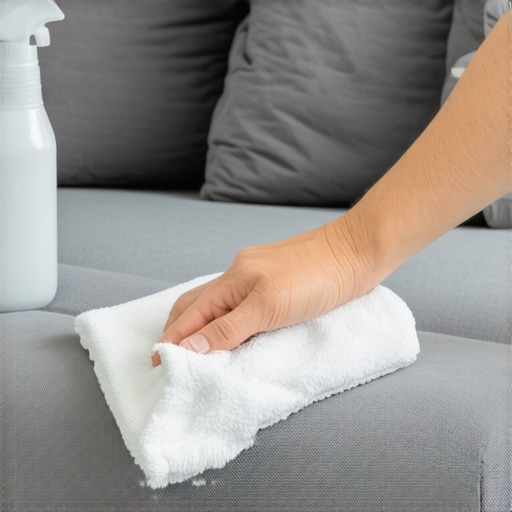
I’ll never forget the sinking feeling in my chest when I looked at my couch after my first attempt to spot clean it. I had used a damp cloth and some dish soap to tackle a tiny juice spill. Simple, right? Wrong. The next morning, I didn’t have a clean sofa; I had a roadmap of tide marks that made my living room look like a disaster zone. It’s a classic mistake. We treat microfiber like cotton or linen, but it’s a whole different beast. If you’ve been staring at those stubborn circles and wondering if you’ll ever get your furniture back to looking decent, I promise you, there’s a better way that doesn’t involve professional steam cleaners or throwing the whole thing in the trash. Today, we’re going to fix those rings and prevent them from ever coming back.
Stop Using Water Like It’s Your Only Tool
The biggest mistake I made early on—and trust me, it was a doozy—was thinking that more water equaled more clean. In reality, upholstery cleaning requires a bit more finesse, especially with synthetic fibers. Microfiber is actually made of incredibly fine strands of polyester and nylon. According to cleaning experts at The Spruce, these fibers are designed to be durable, but their density means they trap moisture and minerals in the water, which is exactly what creates those dreaded rings. Before you even think about touching that fabric with a spray bottle, you need to know if your sofa is colorfast and what its specific cleaning code means.
Is this fabric actually worth the hype for busy homes?
I used to ask myself this every time I saw a new smudge. Microfiber is marketed as the ultimate kid-and-pet-friendly material, yet it seems to react to a drop of water like a gremlin. But here is the secret: it actually is incredible once you learn the rules. The problem isn’t the fabric; it’s our technique. I spent years doing it wrong before realizing that why professional cleaners always vacuum first is actually the key to success. You have to get the dry dirt out before you introduce any moisture. Have you ever tried to wipe down your couch only to end up with a bigger mess than you started with? Reach out to me if you’ve been there—I honestly felt like I was the only one for a long time. When you finally transition from the damp rag method to the proper solvent approach, your life changes. We aren’t just cleaning; we are performing a revival for your home’s freshness. It takes a little patience and the right tools, but you can get that factory-fresh look back without the crunchy texture or the unsightly rings.
Look for the tiny tag under your cushions
Before you grab any spray bottle, you have to find the ‘Code.’ Flip your cushions or check the underside of the frame for a small white tag. If you see a ‘W,’ you can use water-based cleaners. But most microfiber is marked with an ‘S,’ meaning ‘Solvent Only.’ This was my big ‘aha!’ moment. I remember trying to deep clean a thrifted armchair with a standard carpet shampooer—the kind you use for upholstery cleaning—and it came out looking like a map of the Great Lakes. The ‘S’ code is a warning: water will leave minerals behind that cause the very rings you are trying to fix. If the tag is missing, you must learn how to tell if your sofa fabric is colorfast before scrubbing by testing a hidden spot with a drop of clear alcohol. If no color transfers to your cloth, you are good to go.
Alcohol is the secret weapon for synthetic fibers
For ‘S’ coded fabrics, you need clear rubbing alcohol (isopropyl) with a high percentage, ideally 70% or 90%. Because alcohol evaporates almost instantly, it doesn’t have time to soak into the padding and create those nasty tide marks. Fill a spray bottle and mist the stained area lightly. Don’t drench it; you aren’t trying to drown the couch. Use a clean, white sponge or a white lint-free cloth to gently rub the area. I specify white because I once used a blue kitchen sponge on a cream sofa and ended up with a permanent smurf-colored smear. You should also ensure you are using effective house cleaning secrets from cleaning experts, such as working from the outside of the ring toward the center to prevent the stain from spreading.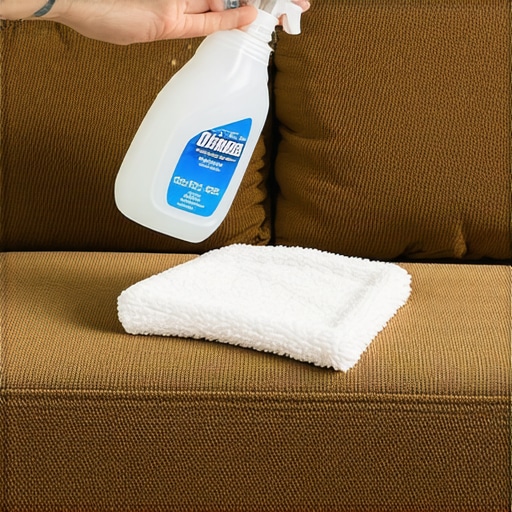
Why you should never skip the dry vacuum phase
I used to think vacuuming was just for crumbs, but why professional cleaners always vacuum the sofa before wiping it is because of ‘muddying.’ If you spray alcohol or water onto a dusty couch, that dust turns into liquid grime that settles deep into the fibers. It’s like trying to wash a car in a dust storm. Use your vacuum’s upholstery attachment to get every square inch first. This is especially vital if you are following a daily house cleaning routine to maintain perfection. By removing the dry abrasive dirt, you ensure that your solvent is only working on the stain, not the everyday household dust.
How to brush away that post-clean stiffness
Once the alcohol dries—which should only take a few minutes—you’ll notice the fabric feels a bit ‘crunchy’ or stiff. This is normal! The fibers have just matted together. Grab a soft-bristled brush, like a clean dish brush or a specialized suede brush, and rub the area in circular motions. This ‘fluffs’ the microfiber back to its original soft texture. This technique is actually the best method for cleaning a microfiber recliner or any high-use furniture piece. You are essentially resetting the nap of the fabric. If you’ve been working on a larger area, perhaps as part of house cleaning strategies for a sparkling home today, this final step is what makes the furniture look brand new rather than just ‘cleaned.’ It’s the difference between a DIY hack and a professional-grade ultimate upholstery care guide for lasting freshness. Just remember: patience and the right solvent are your best friends here.Now, here’s where I’m going to go against the grain of typical advice. Most people assume that ‘real’ cleaning requires heat. Everyone says steam is the gold standard for killing bacteria, but in my experience, it’s a recipe for disaster on synthetic furniture. According to the IICRC (Institute of Inspection, Cleaning and Restoration Certification), synthetic fibers like those in microfiber are sensitive to ‘heat setting.’ This means if you use a steam cleaner on a stain that hasn’t been fully removed, you might permanently bond that stain to the plastic-based fibers. Even worse, excessive heat can actually melt the microscopic structure of the nap, turning your soft sofa into a piece of scratchy plastic. If you’re focusing on sanitizing secrets for a safer house in 2025, you’re much better off using high-percentage isopropyl alcohol or a peroxide-based cleaner specifically designed for ‘S’ or ‘W-S’ fabrics.
Steam cleaners can actually melt your favorite chair
It sounds dramatic, but I’ve seen it happen. The high-temperature vapor essentially ‘fuses’ the polyester strands together. If you’ve ever touched a spot on a sofa that felt like hardened glue after a ‘deep clean,’ you’ve seen heat damage in action. Instead of reaching for the steamer, rely on effective house cleaning secrets from cleaning experts that prioritize chemical action over thermal action for synthetics. This approach is safer for the integrity of the material and ensures you aren’t accidentally shortening the lifespan of your furniture. 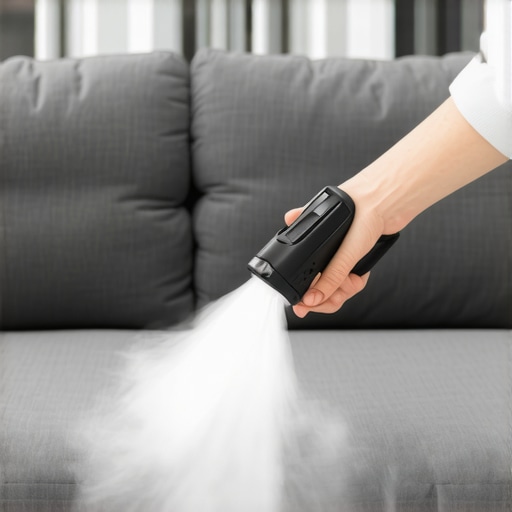
What should you do when the ‘S’ code fails to remove a shadow?
This is a sophisticated problem often caused by ‘wicking.’ You’ve used your alcohol, you’ve scrubbed, and it looks great—until it dries. Then, a ghostly version of the original stain reappears. This happens because the liquid traveled deep into the cushion’s foam, dissolved hidden dirt, and ‘wicked’ it back up to the surface as it evaporated. To stop this, you need to use the ‘dry-pass’ method. After cleaning the spot, take a fresh, dry white towel and press it firmly into the area with a heavy weight (like a stack of books) for an hour. This forces the moisture—and the dissolved dirt—into the towel instead of allowing it to dry on the surface fibers.
Avoid the wicking trap before it ruins your move-out
I can’t tell you how many people lose their security deposits because they try to clean a couch the night before an inspection, only for wicking stains to appear by morning. If you are following move-out cleaning strategies to secure your deposit, give yourself at least 48 hours for upholstery to fully dry and for any ‘ghost stains’ to show their faces. This gives you time for one final light alcohol rub to clear the surface. It’s these small, expert-level nuances that separate a frustrating DIY fail from a professional-looking ultimate upholstery care guide for lasting freshness. Have you ever fallen into this ‘wicking’ trap where a stain just keeps coming back no matter how hard you scrub? Let me know in the comments—I’d love to help you troubleshoot it! By choosing effective sanitizing methods for a germ-free home that respect the chemistry of the fabric, you’ll keep your living space both beautiful and truly clean.Once you have mastered the art of the solvent clean, the real challenge begins: keeping that factory-fresh feel for more than a week. I used to think maintenance was just a fancy word for ‘more work,’ but I’ve realized it’s actually about working smarter with the right gear. If you are serious about a daily house cleaning routine to maintain perfection, you need a specialized upholstery grooming brush. I don’t mean a generic scrub brush from the dollar store; I use a soft-bristled silicone or nylon brush designed specifically for delicate naps. These tools gently lift the fibers without fraying the polyester strands, which is the secret to preventing that matted, ‘old’ look that microfiber eventually gets.
How do I maintain my sofa’s appearance over time?
The biggest favor you can do for your furniture is to implement a ‘no-flip’ rotation. Most people wait until they see a dip in the cushion to move things around, but professional-grade maintenance requires rotating your cushions and back pillows every single month. This prevents the microscopic fibers from being crushed in the same direction repeatedly, which is often what makes a sofa look dirty even when it’s technically clean. Additionally, always keep a small spray bottle of 90% isopropyl alcohol and a clean white cloth tucked away in a nearby drawer. Speed is your ally; if you catch a spill immediately and use the dry-pass method I mentioned earlier, you won’t need a full-scale upholstery cleaning session later. #IMAGE_PLACE_HOLDER_D#
Trust the science of pH balance and residue
One thing I learned the hard way is that many ‘all-purpose’ cleaners are far too alkaline for synthetic fabrics. As noted in the IICRC S300 Standard for Professional Upholstery Cleaning, using a cleaning agent that isn’t compatible with the fiber type leads to ‘soil redeposition,’ where the fabric actually attracts dirt faster than before. This is why I stick to high-purity solvents or distilled water when the tag allows. If you’ve noticed your couch getting dirty just weeks after a deep clean, it’s likely because of sticky residue left behind by a previous product. When you are performing sanitizing secrets for a safer house in 2025, always follow up your cleaning with a light mist of distilled water (on ‘W’ fabrics) or a dry brush-out to ensure no chemicals are left to trap new dust.
Why the next decade of cleaning belongs to UV-C and enzymes
Looking ahead, I expect we will see a massive shift away from heavy liquid chemicals toward light-based and biological solutions. We are already seeing handheld UV-C sanitizers becoming more common for household use, which can kill bacteria without dampening the fibers at all. This is a game-changer for those of us with ‘S’ coded furniture. Furthermore, enzyme-based cleaners that ‘eat’ organic stains are becoming more refined, allowing for targeted spot treatments that don’t require soaking the entire cushion. If you are preparing for a move and need move-out cleaning hacks to ensure your deposit refund, these advanced tools can save you hours of scrubbing. I also recommend checking why your vacuum smells like burning hair and how to fix it fast before you start your maintenance, because a malfunctioning vacuum can actually blow fine dust back onto your freshly cleaned sofa. I challenge you to try the ‘book stack’ pressure method tonight on that one shadow stain you’ve been ignoring; you’ll be amazed at how much hidden grime the towel pulls out of the foam. For more help with your specific fabric issues, feel free to visit our contact page to reach out!
What a Ruined Sofa Taught Me About Chemistry
It took three ruined chairs and one very expensive mistake to realize that cleaning microfiber isn’t about scrubbing; it’s about the science of evaporation. I used to think a wet rag solved everything, but I learned that the ‘Dry-Pass’ method—using weighted towels—is what truly prevents ghost stains from wicking back to the surface. Also, I realized that you should never ignore the ‘S’ code on the tag, or you’ll end up with a sofa that looks like a topographical map of a disaster. Most importantly, I discovered why you should never scrub a fresh liquid stain—it just drives the mess deeper into the padding, making the eventual cleanup twice as hard.
The Only Gear You Actually Need for Synthetic Furniture
If you want to move beyond the ‘guess and check’ method, keep these tools in your cleaning kit: 90% Isopropyl Alcohol for its rapid evaporation, a dedicated silicone nap brush to restore texture, and a high-quality vacuum with a HEPA filter. I personally trust the advice found in the ultimate upholstery care guide for lasting freshness because it treats cleaning as a long-term strategy rather than a one-time fix. For those of you who are currently prepping for a big life transition, these move-out cleaning hacks ensure your deposit refund by focusing on the high-visibility spots that inspectors always notice first. These specific effective house cleaning secrets from cleaning experts have saved me hours of frustration.
Your Path to a Living Room You Can Proudly Show Off
You don’t need a degree in chemistry to have a clean home, just a bit of patience and the right solvent. Don’t be afraid to tackle that ringed cushion tonight; once you see the fabric fluff back up after a quick alcohol mist and a brush, you’ll feel a massive weight lift off your shoulders. Consistency is key, and incorporating these steps into a daily house cleaning routine to maintain perfection will keep your living room looking brand new for years to come. Remember to always tell if your sofa fabric is colorfast before scrubbing to stay on the safe side and protect your investment. If you ever feel stuck or find that a stain simply won’t budge no matter what you try, our team is always here to help through our contact page. Have you ever tried to clean a stain only to have it come back as a ‘ghost’ the next day? Let me know in the comments how you handled it!