
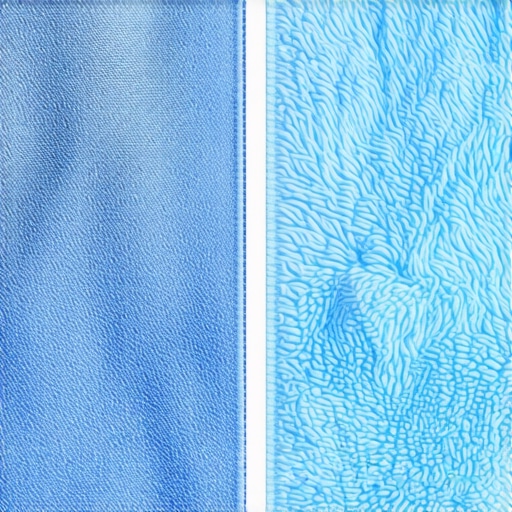
I’ll n e v e r f o r g e t t h e a f t e r n o o n I s p e n t f i g h t i n g w i t h m y p a t i o d o o r . I h a d a b r a n d n e w s e t o f ‘p r e m i u m’ m i c r o f i b e r c l o t h s , a s p r a y b o t t l e o f w a t e r , a n d a s i m p l e g o a l : g e t t h e d o g ‘s n o s e p r i n t s o f f t h e g l a s s . I n s t e a d o f a c r y s t a l – c l e a r v i e w , I e n d e d u p w i t h a h a z y , s m e a r e d d i s a s t e r t h a t l o o k e d w o r s e t h a n w h e n I s t a r t e d . I t w a s m a d d e n i n g . I s t o o d t h e r e , s w e a t o n m y b r o w , l o o k i n g a t t h e a f t e r n o o n s u n h i t t i n g t h a t g l a s s . I t w a s n’t j u s t a s m e a r ; i t w a s a g r e a s y g h o s t o f e v e r y c l o t h s t r o k e I ‘d m a d e . I’d f o l l o w e d t h e m a r k e t i n g h y p e , y e t h e r e I w a s , l o o k i n g a t a s u r f a c e t h a t s e e m e d t o r e p e l t h e c l o t h e n t i r e l y . I f e l t l i k e a f a i l u r e a t b a s i c h o u s e k e e p i n g . B u t t h a t f r u s t r a t i o n l e d m e t o e x p e r i m e n t , t o r e s e a r c h , a n d e v e n t u a l l y t o u n d e r s t a n d t h e d e l i c a t e p h y s i c s o f t h e s e l i t t l e b l u e s q u a r e s . I f y o u’v e b e e n s t r u g g l i n g w i t h w h y y o u r m i c r o f i b e r c l o t h s a r e l e a v i n g l i n t e v e r y w h e r e, y o u a r e n’t a l o n e . T o d a y , I’m g o n n a s h a r e t h e h a r d – l e a r n e d l e s s o n s t h a t s a v e d m y c l e a n i n g k i t a n d w i l l s a v e y o u r s , t o o . W e’r e g o i n g t o d i v e i n t o t h e s c i e n c e o f w h y t h e s e c l o t h e s f a i l a n d h o w t o r e s t o r e t h e i r ‘m a g n e t i c’ p o w e r s . [IMAGE_PLACEHOLDER]
Y o u r M i c r o f i b e r C l o t h s A r e n’t B r o k e n—Y o u’r e J u s t T r e a t i n g T h e m L i k e C o t t o n
M i c r o f i b e r i s a m a r v e l o f e n g i n e e r i n g , b u t i t i s i n c r e d i b l y p i c k y a b o u t i t s c o m p a n i o n s . I l e a r n e d t h i s t h e h a r d w a y e a r l y i n m y j o u r n e y t o w a r d a d a i l y h o u s e c l e a n i n g r o u t i n e t o m a i n t a i n p e r f e c t i o n. I n m y e a r g e r n e s s t o b e ‘e f f i c i e n t,’ I t o s s e d m y c l e a n i n g c l o t h s i n w i t h m y h e a v y c o t t o n b a t h t o w e l s a n d u s e d e n o u g h f a b r i c s o f t e n e r t o m a k e a t e d d y b e a r w e e p . I d i d n’t r e a l i z e t h a t c o t t o n f i b e r s a r e h u g e c o m p a r e d t o m i c r o f i b e r ; t h e y s h e d t i n y t h r e a d s t h a t g e t h o o k e d i n t o t h e m i c r o f i b e r’s ‘s t a r s ,’ e f f e c t i v e l y b l i n d i n g t h e c l o t h . W h e n I t r i e d t o u s e t h e m l a t e r , t h e y j u s t p u s h e d d i r t a r o u n d . A c c o r d i n g t o r e s e a r c h f r o m t h e I n f e c t i o n C o n t r o l T o d a y j o u r n a l , m i c r o f i b e r i s d e s i g n e d w i t h a p o s i t i v e c h a r g e t h a t p h y s i c a l l y ‘g r a b s’ n e g a t i v e l y c h a r g e d b a c t e r i a a n d d u s t . M y m i s t a k e w i t h t h e s o f t e n e r h a d c o a t e d t h o s e f i b e r s i n a w a x y , n o n – c o n d u c t i v e f i l m , k i l l i n g t h e s t a t i c c h a r g e . I t’s a c o m m o n t r a p , b u t i t’s e x a c t l y w h y y o u r c l o t h s s t o p p e r f o r m i n g t h e i r e f f e c t i v e s a n i t i z i n g m e t h o d s f o r a g e r m – f r e e h o m e. I t r e a l l y c o m e s d o w n t o t h e f a c t t h a t m i c r o f i b e r i s s y n t h e t i c ; i t d o e s n’t p l a y b y t h e r u l e s o f n a t u r a l f i b e r s .
A r e t h e s e “m a g i c” r a g s a c t u a l l y w o r t h t h e t r o u b l e ?
I’v e h a d m a n y n e i g h b o r s a s k m e i f s w i t c h i n g t o m i c r o f i b e r i s j u s t a m a r k e t i n g g i m m i c k . A f t e r a l l , i f t h e y a r e t h i s s e n s i t i v e t o l a u n d r y s o a p a n d h e a t , w h y n o t j u s t u s e a r a g ? T h e a n s w e r l i e n s i n t h e r e s u l t s . W h e n t h e y a r e m a i n t a i n e d p r o p e r l y , t h e y a r e t h e o n l y t o o l t h a t a l l o w s f o r s t r e a k – f r e e m i r r o r s u s i n g j u s t a m i c r o f i b e r c l o t h a n d w a t e r . N o c h e m i c a l s , n o w a s t e , n o h a s s l e . H a v e y o u e v e r n o t i c e d y o u r ‘m i r a c l e’ c l o t h s s u d d e n l y f e e l i n g g r e a s y o r s t i f f a f t e r a f e w w a s h e s ? I t’s a s i g n t h a t t h e f i b e r s a r e s u f f o c a t i n g u n d e r r e s i d u e , n o t t h a t t h e y a r e w o r n o u t . B e f o r e y o u t o s s t h e m i n t h e b i n , w e n e e d t o t a l k a b o u t h o w t o s t r i p t h a t g u n k a w a y a n d g e t b a c k t o t h a t l i k e – n e w p e r f o r m a n c e . T r u s t m e , y o u r w i n d o w s (a n d y o u r s a n i t y ) w i l l t h a n k y o u .
Stop the Clogging Before It Starts
Most people treat microfiber like a cotton rag, but cotton is a sponge and microfiber is a hook. If you want your cloths to grab dirt like a magnet, you have to treat them like the high-tech plastic they are. When you wash them with regular detergent and softener, you are essentially blunting those hooks. I’ve seen so many homeowners wonder why their glass looks cloudy, and it usually tracks back to the laundry room. These effective house cleaning secrets from cleaning experts always start with the quality of the tools.
Wash Cold and Skip the Scent
Heavy detergents are designed to leave a ‘fresh scent’ behind, which is often just a layer of oil. This oil clogs the tiny gaps between the polyester and polyamide fibers. Use about half the detergent you think you need, and never, ever use bleach. Bleach eats the fibers, making them brittle. I once tried to bleach my white cloths to get out some grime from a how to deep clean your window tracks in five minutes session. The result? The cloths started shedding lint immediately because the fibers were literally breaking apart.
Strip Away the Waxy Film for Real Results
If your cloths already feel stiff or don’t absorb water, they are ‘clogged.’ Think of it like hair with too much hairspray; it needs a clarifying wash. You can fix this by soaking them in a mixture of warm water and a cup of white vinegar. The acid breaks down the alkaline soap residue and the waxy fabric softener that’s suffocating the fibers. This is the same logic you’d use for how to get the mildew smell out of old towels. Vinegar is the ultimate reset button for synthetic fabric.
The Quick Water Trick That Actually Works
If vinegar doesn’t do it, you can carefully use boiling water—but only as a quick dip. A quick dunk for about 30 seconds can expand the fibers and release trapped oils. I remember a Sunday I spent trying to ‘refresh’ my whole kit. I left them in the boiling pot too long and essentially shrink-wrapped the polyester, turning my expensive glass towels into scratchy, useless pads that felt like cardboard. Be fast, be careful, and rinse with cold water immediately to ‘lock’ them back into place.
Stop Cooking Your Microfiber in the Dryer
Heat is the absolute enemy of synthetic fibers. Since microfiber is essentially a blend of plastic, high heat in the dryer will melt the microscopic hooks. This is why cloths that used to be soft suddenly feel ‘crispy.’ If you’ve ever noticed why your kitchen towels smell musty even after washing, it might be because you aren’t drying them correctly. For microfiber, air drying is king. If you must use the dryer, use the ‘no heat’ or ‘air fluff’ setting to prevent the fibers from fusing together.
Separate the Synthetics to End the Lint Nightmare
The biggest mistake is the ‘all-in-one’ laundry load. If a microfiber cloth touches a cotton towel in the wash, it will pull the lint right off the cotton. It’s its job to grab things! You’ll end up with ‘peppered’ cloths that leave tiny white specs on every surface you touch. This is especially frustrating when you are trying to find the best method for cleaning a microfiber recliner. You don’t want to transfer lint from your rag onto your sofa. Keep a dedicated bin just for your microfiber and wash them as their own exclusive club.Understanding the science of microfiber is only the first step; the real magic happens when you realize that cleaning is more about chemistry and physics than elbow grease. I used to believe that if I could smell the bleach, the room was clean. I was wrong. The biggest mistake most people make—and I’ve been guilty of this too—is the ‘spray and wipe’ reflex. We’ve been conditioned to think that as soon as the liquid hits the surface, the germs die. In reality, why you should never spray cleaning products directly on surfaces is one of those professional secrets that changes everything. Spraying the surface directly often leads to over-saturation and chemical buildup, which eventually creates a sticky residue that actually attracts more dust. Instead, spray your treated microfiber cloth first. This ensures even distribution and prevents you from damaging delicate finishes or electronics.
Don’t Let Your Cleaning Habits Ruin Your Furniture
When it comes to ultimate upholstery care guide for lasting freshness, the ‘more is better’ philosophy is a recipe for disaster. I once tried to deep clean a thrifted armchair by soaking the fabric in a heavy-duty detergent. I thought I was being thorough, but I actually pushed the dirt deeper into the foam padding and created a breeding ground for mildew. The nuance here is moisture control. Professionals use ‘dry’ foam or minimal moisture because synthetic fabrics like those found on a sofa can be incredibly temperamental. If you are dealing with a spill, why you should never scrub a fresh liquid stain is a lesson you don’t want to learn the hard way. Scrubbing tears at the fibers and forces the pigment into the weave, making it permanent. Blotting is the only way to save the piece.
Is your 10-second wipe actually killing any germs?
This is the advanced question that separates the amateurs from the pros. Most homeowners treat disinfectants like magic wands, but they are actually regulated pesticides that require specific conditions to work. According to the Centers for Disease Control and Prevention (CDC), most household disinfectants require a ‘dwell time’—meaning the surface must stay visibly wet—for anywhere from three to ten minutes to effectively neutralize pathogens. If you spray and immediately wipe with your microfiber, you’ve cleaned the surface, but you haven’t sanitized it. This distinction is vital for sanitizing secrets for a safer house in 2025.
The Secret to Securing Your Security Deposit
If you are preparing for a move, the ‘Oops’ factor usually happens in the kitchen or bathroom. Most people focus on the big things like the floors, but inspectors look for the ‘ghosting’ left behind by cheap cleaners. These are the waxy streaks on the inside of the oven or the hazy film on the shower tile. Following effective house cleaning secrets from cleaning experts means using a final ‘rinse’ wipe with just water and a clean microfiber to remove the chemical footprint. This is especially true when executing move-out cleaning strategies to secure your deposit. Have you ever fallen into the trap of over-cleaning and making things worse? Let me know in the comments below! It’s these tiny, hidden nuances that make the difference between a house that looks clean and a house that is truly pristine.Maintaining a home isn’t just about the sweat you put in; it’s about the health of the machines doing the heavy lifting. I used to think a vacuum was a ‘buy it and forget it’ appliance until I realized it was just recirculating fine dust back into my lungs. If you’ve ever wondered why your vacuum isn’t picking up dirt like it used to, you likely haven’t checked the brush roll or the HEPA filter in months. According to the Institute of Inspection Cleaning and Restoration Certification (IICRC) S100 Standard, professional-grade soil removal requires consistent airflow, which is impossible if your filters are clogged with the very pet hair you’re trying to remove. I personally keep a small ‘maintenance kit’ in my utility closet: a seam ripper for cutting hair off the vacuum brush, a dedicated toothbrush for cleaning the filter in your washing machine, and a bottle of mineral oil for my stainless steel. These small interventions prevent the ‘death by a thousand cuts’ that ruins expensive appliances. When you are looking for upholstery cleaning tips for a fresh home revival, remember that the tool is 50% of the battle.
How can I keep my cleaning equipment running like new?
The secret is a staggered schedule. Every first of the month, I run a sanitizing cycle on my washing machine and dishwasher. This isn’t just for ‘cleanliness’—it’s to prevent the buildup of biofilm. If you’re using sanitizing hacks for safe house transitions, you need your tools to be sterile themselves. I’ve seen people try to use a dirty mop to ‘sanitize’ a floor, which is like trying to put out a fire with gasoline. This is where daily house cleaning routine to maintain perfection starts to pay off; it keeps the tools in constant motion.
Why Your Vacuum Needs More Love Than Your Floors
Looking ahead, I predict we are moving toward a ‘sensor-first’ cleaning era. We are already seeing vacuums that ‘see’ dirt using acoustic sensors, but soon we will have handheld devices that can detect ATP (adenosine triphosphate) levels—the same tech hospitals use to check for biological residue. This will take the guesswork out of house cleaning strategies for a sparkling home today. Try this today: Go to your vacuum, flip it over, and use a pair of scissors or a seam ripper to remove every single strand of hair wrapped around the agitator. You’ll be shocked at how much more suction you get immediately.
The Hard Truths About Living With Synthetic Fabrics
Over the years, I’ve realized that cleaning isn’t about how hard you scrub, but how much you respect the materials you’re handling. Here are the lightbulb moments that changed my approach forever: First, never trust the ‘scent’ of a laundry detergent. If your microfiber smells like a spring meadow, those fibers are likely coated in a waxy film that prevents them from actually grabbing dirt. Second, heat is the enemy of cleaning technology. Since these cloths are synthetic, a hot dryer turns them into useless, scratchy pads. Finally, the biggest myth is that you can sanitize a surface in a matter of seconds. If you aren’t following the effective sanitizing methods for a germ-free home, you’re just moving bacteria from one side of the counter to the other without actually killing it.
#IMAGE_PLACEHOLDER_E#
The Gear That Actually Earned a Spot in My Closet
I don’t believe in hoarding every ‘viral’ cleaning product I see on social media. Instead, I rely on a few specific staples that deliver consistent results. White Vinegar is my non-negotiable for stripping chemical residue when my cloths start feeling stiff. A simple seam ripper is the only tool I trust for keeping my vacuum’s brush roll clear of hair and debris without damaging the bristles. I also swear by color-coded microfiber kits—using one color for the bathroom and a distinct color for the kitchen—to prevent cross-contamination. For real data on germ-killing, I always cross-reference my products with professional databases, which is essential when executing move-out cleaning strategies to secure your deposit.
A Healthier Home Is Just One Small Change Away
Cleaning shouldn’t feel like a losing battle against infinite dust and grime. When you stop fighting your tools and start maintaining them, the entire process becomes faster and significantly more rewarding. By integrating these house cleaning strategies for a sparkling home today, you’re not just tidying up; you’re creating a safer environment for your family. Whether you are aiming for streak-free mirrors using just a microfiber cloth or a dust-free bedroom, remember that the smallest details often yield the biggest rewards. It’s also the best way to handle delicate electronics, such as the only way to clean your flat-screen TV without streaks. You’ve got the science now—it’s time to put it into practice!
What’s the one cleaning tool you’ve accidentally ruined by treating it the wrong way? Let me know your story in the comments below!