
I remember the exact moment I realized my kitchen was becoming a massive grease trap. I was hosting a dinner party, and the sunlight hit my range hood at just the right angle, revealing a thick, amber-colored sludge that looked more like tree sap than anything belonging in a functional home. I tried wiping it with a paper towel, but it just shredded and stuck to the mesh. I tried a generic spray, and it ended up dripping down my arm in a sticky, yellow mess. It was visceral and honestly quite embarrassing. If you have been looking for the secret to cleaning greasy range hood filters, you are probably at that same breaking point. Today, I am going to show you how to stop the endless scrubbing and use a method that actually works without the chemical headache. [image-placeholder]
Stop Scrubbing and Start Boiling Instead
When I first started taking my kitchen maintenance seriously, I made a massive mistake: I reached for a wire brush. I thought I needed brute force to clear those vents. All I did was scratch the metal and ruin a perfectly good pair of gloves. It was a classic case of working harder, not smarter. Real effective house cleaning secrets from cleaning experts rarely involve elbow grease; they involve chemistry and temperature. Boiling water is the ultimate solvent for organic fats. When you submerge those clogged filters in a rolling boil combined with the right degreaser, the grease literally melts away and floats to the top. It is the same principle professionals use for a deep move-out clean, where every surface has to be pristine for an inspection. According to the National Fire Protection Association, cooking equipment is the leading cause of home fires, and a grease-clogged vent is a significant hidden hazard in your home. By mastering this boiling water technique, you are not just making your kitchen look better; you are making it safer. Have you ever looked at your filter and thought about just throwing the whole stove away? I want to hear about your worst kitchen cleaning nightmare.
Is Boiling Water Really Enough to Melt Away Old Grease?
I know what you are thinking because I thought it too: ‘My grease is practically fossilized; how is hot water going to help?’ The trick is not just the water itself, but the thermal shock and the suspension it creates. When you combine boiling water with a concentrated degreasing agent, you break the molecular bond the grease has with the metal. This is far more effective than just knowing how to remove grease from your range hood vents with a damp cloth. We are going to go through the exact ratios and timing to ensure you don’t waste an entire afternoon on a task that should take twenty minutes. It is about setting a standard for your home, similar to how you would follow house cleaning strategies for a sparkling home today to keep the rest of your living space manageable. Ready to see that metal shine again?To get started, you need the biggest stockpot in your kitchen. If the filter only fits halfway, that is fine—we will just flip it halfway through. Fill the pot with water and bring it to a rolling boil. I remember my first apartment, where I tried to do this in a shallow baking sheet. I ended up with greasy, grey water overflowing onto the burner, creating a smoke cloud that set off every alarm in the building. It was a messy nightmare that taught me the importance of containing the volume of water. Once your water is bubbling, you are going to add about a half-cup of baking soda. Add it slowly! If you dump it all at once, it will fizz over like a science fair volcano and create a massive cleanup job on your stovetop. 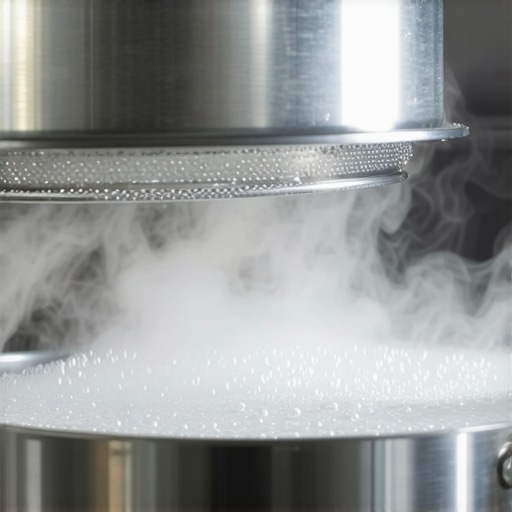
The Secret Sauce of Heat and Alkaline Chemistry
This method works because the boiling water acts like a heat gun on a candle. It liquefies the hardened, polymerized fats, while the baking soda provides the alkaline punch needed to strip the sticky residue from the fine metal mesh. This is one of those effective house cleaning secrets from cleaning experts that saves hours of physical labor. When you drop the filter in, you will see the water turn a murky, swampy brown almost instantly. That is the sound of victory; it means the grease is surrendering its grip on the metal. This thermal shock is far more effective than any spray-on degreaser could ever be.
Let the Water Do the Heavy Lifting
Leave the filters in the boiling water for about ten minutes. If you are currently preparing for a landlord inspection, this is one of the most important move-out cleaning hacks to ensure your deposit refund because inspectors always check the underside of the range hood. You want to see the metal return to its original silver luster. If the filters are particularly nasty—the kind where you can’t even see through the mesh anymore—you might need to repeat the process with a fresh pot of water. It is a similar logic to the move-out guide for cleaning your oven racks naturally; you are using time and temperature instead of corrosive chemicals that burn your lungs.
Rinse Fast to Prevent Re-Sticking
After the soak, use tongs to pull the filters out of the pot. Do not touch them with your bare hands; they will be incredibly hot and still slightly slippery with emulsified oils. Rinse them immediately under the hottest tap water your sink can provide. This prevents any loosened grease from re-solidifying as it cools down. If you still see a few stubborn spots in the corners, a quick hit with a soft-bristled brush will knock them loose easily now that the bond is broken. This level of detail is exactly what belongs on the moving day checklist for a spotless kitchen. Once they are rinsed, prop them up to air dry completely. Never put wet filters back into the hood; you want them bone-dry so they can start catching new grease particles efficiently the next time you cook.Most people swear by the dishwasher. They toss the filters in with a heavy-duty pod and assume the job is done. In my experience, this is the biggest mistake you can make during a high-stakes move-out clean checklist to simplify your transition. The problem is polymerization. When grease sits on a warm vent for months, it does not just stay as oil; it cross-links and becomes a plastic-like varnish. A standard dishwasher cycle is not designed to break that down. In fact, if the water is not hot enough, the dishwasher can effectively set the grease into the mesh, making it nearly impossible to remove later. This leads into one of the most critical effective house cleaning secrets from cleaning experts: the order of operations matters. If you spray a heavy chemical cleaner onto a dry, dusty filter, you are creating a mud-like paste that gets stuck in the weave. You should always read up on why you should never spray cleaning products directly on surfaces, especially porous or mesh ones. The liquid simply carries the dissolved dirt deeper into the holes rather than lifting it away. 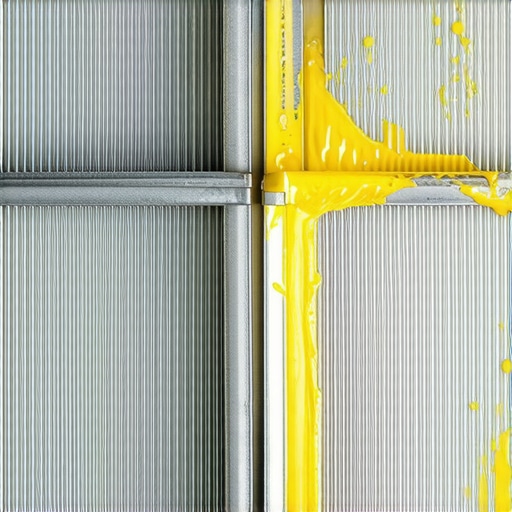
Why does my filter feel sticky even after it looks clean?
This is the tackiness trap. If you can see the metal but it still feels like a Post-it note, you have not finished the job. This leftover film is the reason many most common move-out cleaning mistakes that cost renters money happen; the inspector’s white glove test will fail every time. According to research published by the American Oil Chemists Society, as oils heat and age, they undergo oxidative polymerization. This creates a film that is chemically similar to varnish. If you do not use a high-alkaline solution like the boiling baking soda method, you are only removing the top layer of soft grease, leaving the hard polymer behind. Here is the advanced oops factor to watch for: check your filter material. If you have high-end aluminum filters, over-soaking them in a solution that is too alkaline can cause the metal to oxidize and turn a dull, powdery grey. It is a delicate balance between stripping the grease and protecting the integrity of the mesh. This level of care is what separates a standard tidy-up from the sanitizing secrets for a safer house in 2025. Have you ever fallen into this trap where you thought you were done, only to find the mesh still tacky the next day? Let me know in the comments.To really keep that shine without doing the boiling water dance every single week, I have switched to using a sodium metasilicate-based cleaner. I personally use this because unlike standard dish soap which just moves grease around, metasilicate actually breaks the fatty acids down into soap through a process called saponification. It is the same logic behind effective sanitizing methods for a germ-free home. I keep a spray bottle of this stuff mixed to a 10:1 ratio near the stove. After a heavy session of frying, I give the filters a quick mist while they are still warm. This prevents the ‘tackiness trap’ and keeps the metal pores open. If you are tackling a broader project, like an ultimate upholstery care guide for lasting freshness, you will find that similar alkaline-based principles apply to removing body oils from fabric. 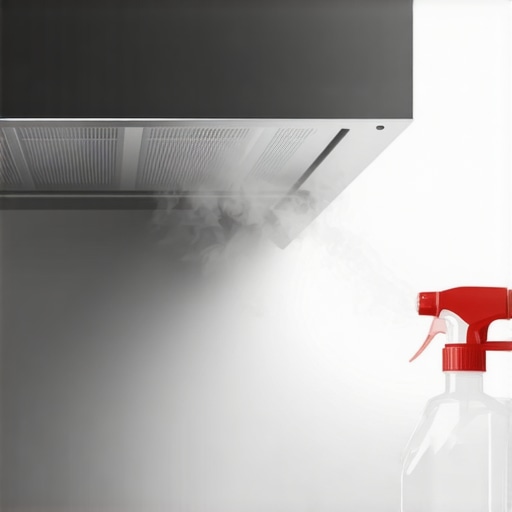
How do I maintain my range hood filters over time?
Consistency beats intensity every single time. I have found that setting a calendar alert for the first of the month ensures I never reach that amber sludge stage again. If you let it go for six months, you are looking at a two-hour battle, but if you do it monthly, it is a five-minute rinse. This proactive approach is a cornerstone of house cleaning strategies for a sparkling home today. For those in rental units, this habit is one of the best move-out cleaning strategies to secure your deposit because you are not fighting years of neglect on moving day. I predict that in the next few years, we will see more range hoods equipped with hydrophobic, nano-slick coatings that make grease slide off with just a steam pulse. Until then, we rely on the chemistry of heat. According to the Cleaning Industry Research Institute (CIRI), neglected kitchen surfaces can harbor surprisingly high levels of coliform bacteria trapped within the grease layers, which is why regular maintenance is more than just an aesthetic choice. This is also why you should clean your bathroom exhaust fan every month—ventilation in any room is only as good as the airflow. My biggest piece of advice is to buy a dedicated five-gallon bucket for your cleaning concentrates and stop using your good pasta pots for chemicals. It makes the whole process feel professional and keeps your cooking gear food-safe. Give the 10:1 misting trick a try tonight after dinner and you will be amazed at how much easier the next deep clean becomes.[image-placeholder]
Hard Truths About Kitchen Vents That I Had to Learn the Messy Way
I spent years thinking a little dish soap and a sponge would eventually win the war against stove grime. It doesn’t. One of the biggest effective house cleaning secrets from cleaning experts is knowing that age turns oil into a physical barrier that soap simply slides off of. I also learned that if you ignore the filters, you are likely ignoring other germ hotspots; for instance, why your kitchen sink is likely the dirtiest place in your home often comes down to the same fatty residues trapping bacteria. The lightbulb moment for me was realizing that cleaning isn’t about strength, it’s about the right temperature. I used to think I was failing at housekeeping, but I was just failing at chemistry. Once you understand how heat and alkalinity work together, you stop dreading the task and start looking for more things to boil!
My Go-To Kit for a Degreased Life
To make this process seamless, I recommend a few specific items that I keep in a dedicated bin. First, invest in a pair of extra-long silicone tongs so you don’t risk steam burns while retrieving your filters from the pot. Second, grab a gallon of sodium metasilicate concentrate; it is the professional way to handle high-alkaline tasks safely without the fumes of oven cleaner. I also suggest checking out my daily house cleaning routine to maintain perfection to see how I integrate small kitchen wins into a manageable schedule. If you are doing this as part of a move, these tools are vital for move-out cleaning hacks to ensure your deposit refund. Having the right tools on hand transforms a chore into a quick maintenance win.
Take Back Control of Your Kitchen Air Quality
Your kitchen is the heart of your home, and breathing clean air while you cook should not be a luxury. Now that you know the secret to cleaning greasy range hood filters, the amber sludge of the past is officially over. Don’t let the task overwhelm you—just boil the water, add the soda, and let the science do the rest. You’ve got this! A clear vent means a safer, better-smelling home for everyone. Did your filter turn the water brown instantly, or was it a slow burn? Share your “swamp water” stories in the comments below!