

The smell of packing tape and stale cardboard still gives me a bit of a twitch. A few years back, I thought I’d nailed my final walkthrough. The boxes were gone, the floors were swept, and the kitchen looked, well, ‘fine.’ Or so I thought. Then my landlord pulled out the stove and pointed to a literal mountain of petrified noodles and grease that had been living there for three years. I lost two hundred dollars of my security deposit over a gap I didn’t even know existed. That was the moment I realized that ‘surface clean’ and ‘moving day clean’ are two entirely different beasts. I learned the hard way that you have to clean the space between the stove and countertop if you want to leave with your dignity (and your cash) intact. Today, I’m sharing the exact kitchen roadmap I wish I had back then so you don’t repeat my expensive mistakes. We’re going to dive into the nitty-gritty of every cabinet, appliance, and hidden corner to ensure your transition is as smooth as possible. [image_placeholder_1]
Why Your Kitchen Might Cost You Your Security Deposit
Moving is exhausting, and by the time you hit the kitchen, you’re usually running on fumes and lukewarm coffee. But here’s the reality: the kitchen is the most scrutinized room during an inspection. It’s where the grease lives. I once ignored the range hood, thinking a quick wipe of the exterior was plenty. I was wrong. Learning the secret to cleaning greasy range hood filters can save you from a nasty cleaning fee line item on your final statement. It’s about more than just aesthetics; it’s about hygiene. According to the National Science Foundation, the kitchen is actually the germiest place in the home, often harboring more coliform bacteria than the bathroom. If you aren’t using the right move-out cleaning hacks, you’re likely leaving behind evidence that will frustrate your landlord. The kitchen is the heart of the home, but it’s also the graveyard of every meal you’ve cooked for the last few years. Every splash of tomato sauce and every crumb of toast has a way of finding the one spot you won’t look.
Do Landlords Actually Check the Inside of Your Appliances?
You might be wondering if anyone really cares about the seal on the dishwasher or the back of the pantry. The answer is a resounding yes. A quick glance might miss it, but a pro will spot the hidden grime on your dishwasher gasket in seconds. It’s those small, neglected areas that signal whether the rest of the house was cared for or just brushed over. Before you start packing your spices, you need a solid plan, like the checklist for deep cleaning your pantry before moving in or out, to ensure nothing gets skipped. Have you ever spent hours cleaning only to have a landlord find that one spot you missed? It’s a gut punch, but it’s totally avoidable. Let’s get into the specifics of how to tackle these zones without losing your mind.
Attack the Oven Like a Professional
The oven is usually the elephant in the room. Most people spray a bunch of chemicals and hope for the best, but that rarely works on three-year-old lasagna drips. I remember one move where I spent three hours on the oven, only to realize I’d forgotten the warming drawer. When the landlord opened it, a stray potato chip from 2019 was staring back at us. I felt like a total failure in that moment, but it taught me that a move-out clean checklist to simplify your transition is your best defense against moving-day brain fog.
Get Rid of That Burnt Carbon for Good
Start by removing the racks and soaking them in hot, soapy water. While they soak, focus on the glass. If you have a glass cooktop, you know how easily things bake on. Using the quick way to remove burnt-on food from a glass stovetop will save your elbows from hours of pointless scrubbing. Think of it like detailing a car; you want to get into the crevices where the knobs meet the panel. If you aren’t thorough here, the first time the new tenant turns on the heat, they’ll smell your old meals, and your landlord will smell a cleaning fee. 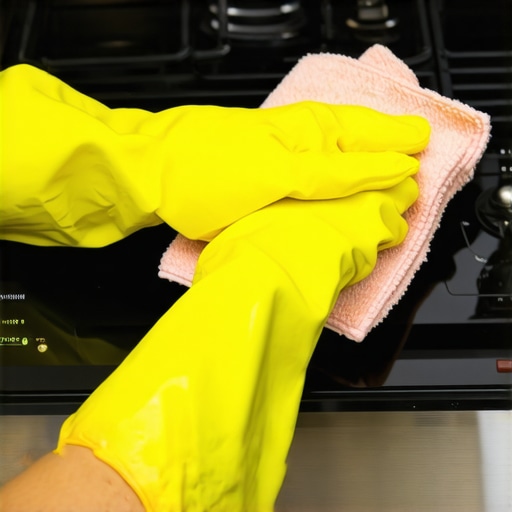
Wait, Is Your Fridge Still Alive?
Emptying the fridge is only half the battle. You have to treat the interior like a laboratory. Any lingering spills can turn into mold traps faster than you can say ‘eviction notice.’ I once had a bottle of maple syrup leak behind a crisper drawer; by the time I found it, it was a fossilized ecosystem. Now, I always pull every single shelf out. While you’re at it, don’t ignore the door seals. You need to know how to clean the gaskets in your fridge to prevent mold, because that black gunk is a major red flag for inspectors. It tells them you haven’t been maintaining the appliance properly.
Eliminate Invisible Grease from Cabinets
Kitchen cabinets are magnets for ‘cooking fog’—that fine mist of oil that settles on every surface. If you run your hand across the top of your cabinets and it feels tacky, you’ve got work to do. Use a degreaser that won’t strip the finish. Finding the secret to cleaning greasy handprints from wood cabinets is a game changer. I used to just wipe them with a damp cloth, but that just smears the oil around. You need a solution that actually breaks the molecular bond of the grease so it lifts off the wood.
Sanitize the Sink Before You Hand Over the Keys
Finally, we reach the sink. This is the ‘handshake’ of the kitchen; it’s the first thing people look at. A stained or smelly sink suggests a dirty home. Use baking soda to gently buff out scratches and then look underneath. Most people forget the move-in guide to cleaning the area under the kitchen sink, where drips and dust bunnies congregate. Finish by implementing effective sanitizing methods for a germ-free home to ensure the space isn’t just visually clean, but actually safe for the next family. A quick pour of hot water and lemon down the disposal can also mask any ‘old house’ smells that might linger in the pipes.But the kitchen is just the beginning; the real test of your cleaning expertise happens when you move into the living areas and face the upholstery and flooring. Most people assume that if a surface looks clean, it is clean, but that’s a dangerous simplification. In my years of handling deep cleans, I’ve found that the biggest mistakes happen when people try too hard. Everyone tells you to douse a stain in heavy-duty soap, but that is often the fastest way to ruin your chances of a full refund.
The Sticky Truth About Over-Soaping Your Furniture
The common belief is that more cleaning solution equals a deeper clean. In reality, this creates a ‘dirt magnet’ effect. If you saturate your sofa cushions with soap, it’s almost impossible to rinse it all out. That leftover residue dries into a tacky film that attracts dust, skin cells, and pet dander within hours. This is precisely why your carpet is still dirty after you shampooed it; you haven’t actually removed the grime, you’ve just glued future dirt to the fibers. When you’re prepping for a move, you need to use upholstery cleaning tips for a fresh home revival that focus on minimal moisture and proper extraction. Over-saturation is a trap that can lead to internal mold growth in your furniture foam, a smell that no amount of Febreze can fix. 
How Long Does Your Disinfectant Really Need to Sit?
This is the advanced question most homeowners skip. There is a massive difference between ‘cleaning’ and ‘sanitizing.’ Cleaning is just moving the visible dirt around. To actually kill germs, you have to respect the ‘dwell time.’ According to the Environmental Protection Agency (EPA) and their guidelines for ‘List N’ disinfectants, many common household cleaners must stay visibly wet on a surface for up to 10 minutes to effectively kill 99.9% of pathogens. If you are spraying and then immediately wiping, you aren’t sanitizing; you’re just giving the bacteria a quick bath. Using effective house cleaning secrets from cleaning experts means slowing down and letting the chemistry do the work. Integrating these sanitizing secrets for a safer house in 2025 will ensure you aren’t just shifting germs from the counter to your cleaning cloth.
Why Your High-Tech Mop Might Be Your Worst Enemy
We all love the convenience of a steam mop, but using one on the wrong surface is a classic ‘oops’ factor. I’ve seen beautiful rental units ruined because a tenant thought steam was ‘safer’ for laminate or luxury vinyl plank. In truth, why your steam mop might be damaging your laminate floors comes down to the way high-pressure moisture forces its way into the seams, causing the edges to swell and peel. It’s an expensive mistake that often leads to a complete floor replacement fee. Instead, you should lean on proven move-out cleaning strategies to secure your deposit that rely on pH-neutral cleaners and damp—never soaking—mopping.
Don’t Ignore the Delicate Fabrics
If you have a fabric headboard or a velvet accent chair, the standard ‘scrub and rub’ method will permanently crush the nap of the fabric. Knowing how to clean a fabric headboard without getting it too wet is a nuanced skill that involves using foam rather than liquid. Have you ever fallen into the trap of using too much water and ending up with a watermark that looks worse than the original stain? It’s a gut-wrenching feeling when you’re trying to be thorough. Let me know in the comments if you’ve ever had a cleaning ‘fix’ turn into a disaster—I’ve seen it all and might have a tip to help you reverse the damage.I’ve realized that the difference between an amateur and a pro isn’t just effort; it’s the gear. I used to think any vacuum would do, but then I learned the hard way about mechanics. Specifically, I found out why your vacuum brush roll is ruining your hardwood floors. Those stiff bristles are fantastic for lifting pet hair from deep carpet, but on wood or laminate, they act like high-speed sandpaper. Now, I swear by a dedicated hard-floor tool with soft felt or micro-bristles. It’s a tool that respects the finish while still capturing that fine, gritty dust that landlords love to find with a white-glove test.
Stop Guessing with Chemical Ratios
If you’re serious about scaling your cleaning game or just keeping your sanity during a move, you need to look at your chemicals as precision tools. I stopped buying ‘all-purpose’ everything. Instead, I follow a daily house cleaning routine to maintain perfection that relies on color-coded microfiber. But even with the best cloths, you have to be careful—why your microfiber cloths are leaving lint everywhere usually comes down to washing them with cotton towels. The cotton fibers break off and get trapped in the microfiber hooks, which you then smear across your windows. It’s a small detail, but it’s the difference between a streak-free shine and a frustrating mess. 
How do I keep my home looking professional between deep cleans?
The secret is ‘preventative maintenance.’ Instead of waiting for the grime to build up into a weekend-destroying project, I use effective house cleaning secrets from cleaning experts like the ‘top-down, left-to-right’ method. This ensures no dust is redeposited on surfaces you’ve already touched. For furniture, an ultimate upholstery care guide for lasting freshness suggests a light vacuuming with a HEPA-filter attachment once a week. This prevents skin oils and atmospheric dust from bonding with the fabric, which is what causes that ‘lived-in’ smell over time.
What the Future of Home Sanitizing Looks Like
Looking ahead, I predict we’re moving toward ‘intelligent’ cleaning. We’re already seeing sensors that detect the level of particulates on a surface in real-time. In the next few years, I expect more homeowners to adopt sanitizing hacks for safe house transitions that involve electrostatic sprayers or advanced UV-C integration, making our homes safer with significantly less chemical residue. The IICRC (Institute of Inspection Cleaning and Restoration Certification) notes in their S100 standards that dry soil removal is the most critical step in textile maintenance; if you don’t get the dry dirt out first, any liquid you add just turns it into mud. Grab your vacuum today and check the brush roll—if it doesn’t have a ‘hard floor’ setting that stops the rotation, swap it out for a soft attachment. Your floor’s finish will thank you!
The Hard Truths I Discovered While Scrubbing for My Deposit
Timing is everything when you are trying to exit a property. I once tried to deep clean an entire apartment in a single afternoon while the movers were still there, and it was a disaster. I learned that spreading the work over several days prevents the ‘cleaning blindness’ that causes you to miss obvious spots. Now, I always follow a move-out clean checklist to simplify your transition, starting at least three days before the final walk-through. Another lesson? Trust but verify your tools. I once scratched a beautiful floor because I didn’t realize why your vacuum brush roll is ruining your hardwood floors until it was too late. Always test your attachments on a hidden corner first. Finally, remember that smell is the first thing a landlord notices. Using sanitizing hacks for safe house transitions ensures the air feels as clean as the surfaces look.
[image_placeholder_E]
The Cleanup Kit That Never Lets Me Down
You do not need an entire aisle of cleaning products to get professional results. I’ve narrowed my essential kit down to a few high-performance items. First, a high-quality vacuum with a dedicated hard-floor tool is non-negotiable to protect those finishes. Second, I swear by a system of color-coded microfiber cloths; just make sure you understand why your microfiber cloths are leaving lint everywhere so you can avoid contaminating your glass surfaces. I also rely on pH-neutral cleaners that are safe for both stone and wood. This streamlined setup, paired with a daily house cleaning routine to maintain perfection leading up to move-out day, makes the final push significantly less overwhelming.
Your Path to a Stress-Free Handover
Moving is inherently chaotic, but your final cleaning session can be the calm before the new beginning. By focusing on the high-impact areas like the grease traps in the kitchen and the dust in the upholstery, and by applying proven house cleaning strategies for a sparkling home today, you can hand over your keys with zero anxiety. You have put in the work to maintain your home—now it is time to make sure that effort is reflected in your bank account. A detailed move-out clean is your best defense against unfair fees and your strongest ticket to a fresh start. Which room in your house is the biggest cleaning nightmare for you? Share your stories or questions in the comments below!