
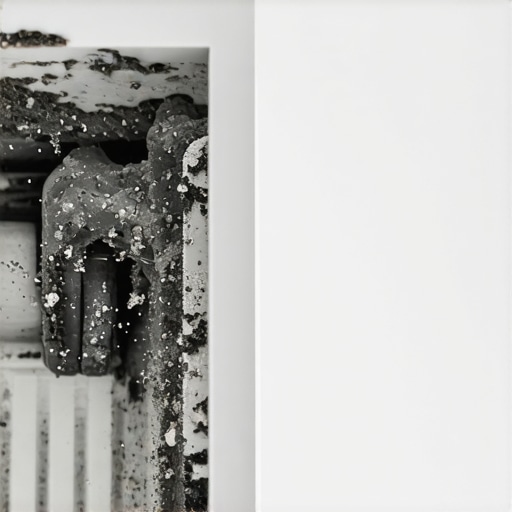
I’ll never forget the morning I realized my bathroom was basically a petri dish. I had just finished a hot shower, and the steam was so thick I could barely see my own reflection in the vanity. Even worse, the exhaust fan was making a sound like a swarm of angry bees, yet doing absolutely nothing to clear the air. I looked up and saw it: a thick, fuzzy carpet of gray dust choking the life out of the vent slats. That was the day I learned that ignoring this tiny appliance was the main reason my bathroom mirror stays foggy even after wiping. It wasn’t just a minor nuisance; it was a structural disaster waiting to happen. Today, I’m going to show you why a five-minute monthly habit will save your drywall, your health, and your sanity. We are diving deep into the grime to ensure your home’s ventilation stays in peak condition.
Your Bathroom Fan is Crying for Help
Let’s be honest, we all have those house cleaning strategies that involve ignoring anything above eye level. I was the king of that for a long time. For years, I assumed that as long as I heard the motor spinning, everything was working perfectly. I was wrong. A clogged fan doesn’t just fail at removing smells; it fails at its primary job: moisture control. When that steam has nowhere to go, it settles into your grout, your ceiling, and behind your cabinets, leading to that stubborn orange gunk or, heaven forbid, toxic mold growth. I once tried to ‘speed clean’ by spraying a heavy-duty degreaser directly into the slats without removing the cover—huge mistake. I ended up with a muddy, blackish sludge dripping onto my head and staining the ceiling paint. It took me three coats of primer to hide that mess. It was a classic case of needing effective sanitizing methods rather than a lazy shortcut. Beyond the aesthetic mess, a dirty fan is an efficiency killer. Every layer of dust on those blades increases the weight the motor has to pull. Eventually, the motor burns out, and you’re left with a dead fan and a hefty bill from an electrician. Whether you are doing a deep move-in clean or just trying to survive the weekly chores, this is the one task you cannot afford to skip.
Is Monthly Cleaning Actually Worth the Effort?
I know exactly what you’re thinking. ‘Every month? I can barely remember to change the batteries in my smoke detector!’ But here is a fact that might change your mind: according to the National Fire Protection Association (NFPA), accumulated dust and lint in exhaust fans can lead to motor overheating, which is a documented cause of house fires. It’s not just about the steam anymore; it’s about keeping your family safe. Plus, if you’re a renter, the vent is often the specific spot along with other overlooked areas that landlords check during move-out inspections. If it’s caked in a year’s worth of hairspray and dust, you can bet it will be used as an excuse to ding your deposit. Have you ever looked up at your fan recently and realized it’s been months—maybe even years—since it saw a vacuum? Tell me I’m not the only one who lived in blissful, dusty ignorance for way too long! Seriously, leave a comment or just take a peek tonight. You might be surprised at what’s lurking up there.
Cut the Power Before You Touch a Single Screw
Everything starts with safety. You are dealing with electricity and moisture, a combination that never ends well. I used to think flipping the wall switch was enough, but after a small spark once gave me the fright of my life, I now suggest turning off the circuit at the breaker. This is one of those effective house cleaning secrets from cleaning experts: never assume the switch is wired correctly. Once the power is dead, grab your step ladder. Don’t balance on the edge of the tub—trust me, a bruised rib from a porcelain ledge is a lesson you don’t want to learn.
Wrestling the Cover Off Without Breaking the Springs
Most fan covers are held by two tension springs. Pull the cover down gently, and you’ll see them. Squeeze the metal prongs together to release them from the slots. The first time I did this, I let go too early, and the cover snapped back up like a mousetrap, nearly taking my fingertip with it. If your cover is screwed in, a simple screwdriver works, but if you’re in a pinch, even a sturdy coin can sometimes do the trick. Once it’s down, take that plastic grate to the sink.
The Real Culprit is Hiding Behind the Motor
With the cover gone, you’ll see the ‘squirrel cage’—that round, finned wheel that actually moves the air. This is where the heavy lifting happens. Use a vacuum with a brush attachment to suck out the loose debris. If you notice why your vacuum is blowing dust back into the air, it’s probably because your filter is full; clean it first so you don’t just redistribute the bathroom grime. I once spent twenty minutes vacuuming a fan only to realize I was just circulating the dust around the room because I hadn’t checked my own equipment. 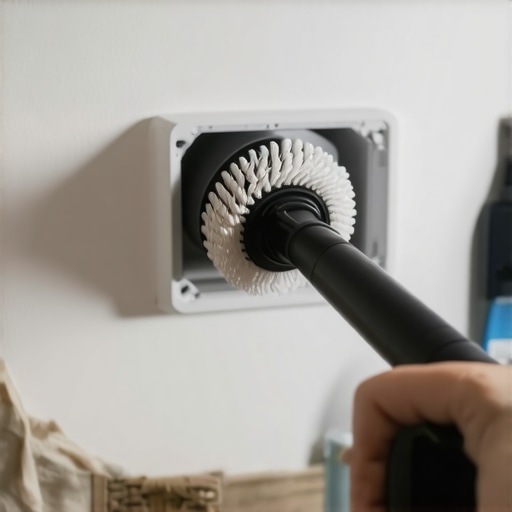
How to Scrub the Grime Without Shorting the System
For the sticky, hairspray-laden gunk that the vacuum misses, you need a damp microfiber cloth. Don’t soak it. Think of it like upholstery cleaning tips for a fresh home revival—you want moisture to lift the dirt, but not enough to saturate the internal components. Wipe each blade of the fan individually. If the buildup is truly ancient, a drop of dish soap on the cloth works wonders. This level of detail is exactly why move-out cleaning hacks ensure your deposit refund; inspectors love to shine a flashlight into these vents.
Wash the Cover and Reassemble
While the motor area air-dries, submerge the plastic cover in warm, soapy water. Use an old toothbrush to get into those tiny slats. This is far more effective than just wiping the surface. Once it’s bone dry, squeeze those springs back into the ceiling slots and push the cover flush against the drywall. Integrating this into a daily house cleaning routine to maintain perfection might be overkill, but doing it once a month keeps the motor running silently. If your home still feels stuffy after this, you might need to check how to clean the dusty slats on your air conditioner vents as well, as airflow is a whole-house ecosystem.Now that you’ve mastered the fan, we need to address the elephant in the room: most people are ‘cleaning’ their homes without actually ‘sanitizing’ them. I see this all the time with house cleaning strategies that look great on camera but fail under a microscope. Everyone assumes that if a surface looks shiny and smells like lemons, it must be germ-free. In reality, you’re often just moving bacteria from one spot to another. I once thought my kitchen was a fortress of hygiene because I wiped it down daily with a vinegar solution, only to find out that vinegar is essentially useless against many common pathogens like salmonella.
Stop Treating Sanitizing Like a Quick Wipe-Down
The biggest mistake I see—and one I’m guilty of making for years—is ignoring ‘dwell time.’ According to the Environmental Protection Agency (EPA), most household disinfectants need to sit visibly wet on a surface for 4 to 10 minutes to actually kill the germs listed on the label. If you spray and immediately wipe, you’re performing a cosmetic clean, not a microbial one. This is one of those effective house cleaning secrets from cleaning experts: the clock is just as important as the chemical. Whether you are using effective sanitizing methods on a countertop or trying to figure out how to sanitize your tv remote without damaging the electronics, patience is the missing ingredient in most routines.
Is Your Favorite Natural Cleaner Actually Killing Germs?
Many people swear by ‘green’ alternatives, but there is a hidden nuance here. While I love a sustainable home, why vinegar is not always the best choice for granite countertops isn’t just about the acid etching the stone—it’s about efficacy. If you’re dealing with a household illness, you need a registered disinfectant, not a salad dressing ingredient. 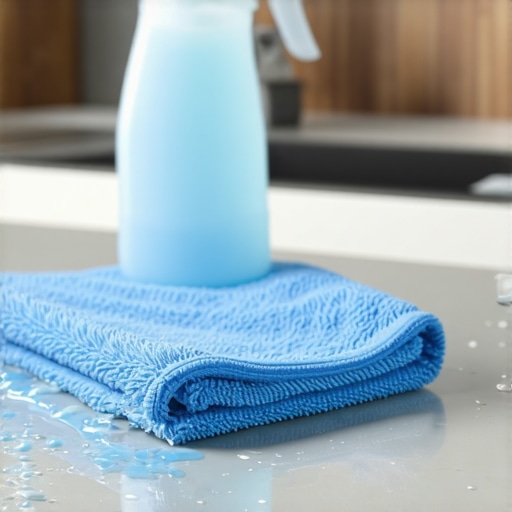
The Steam Trap and Your Expensive Furniture
When it comes to upholstery cleaning tips for a fresh home revival, the most dangerous ‘trap’ is the over-reliance on steam. We’ve been conditioned to think heat equals clean. However, why you should never use a steam cleaner on these specific upholstery fabrics comes down to protein-based fibers like silk or wool, which can shrink or become permanently brittle under high heat. I once ruined a gorgeous vintage armchair by assuming a steam mop would ‘refresh’ it; instead, it set the odors deeper and bled the dye. If you’re handling delicate materials, remember the one thing you should never do when cleaning a velvet couch is soak the backing. Moisture trapped in the foam is a recipe for internal mold that no fan can fix.
Master the Move-Out Nuance
Finally, if you’re prepping for a transition, your move-out cleaning hacks ensure your deposit refund only if you look where the light doesn’t shine. Most tenants scrub the floors but forget why the space behind the oven costs most renters their deposit. It’s that half-inch of accumulated grease and fallen pasta that landlords love to find. Have you ever fallen into this trap where you thought you were done, only to lose part of your deposit over a hidden dust-bunny? Let me know in the comments! Integrating these higher-level habits into your daily house cleaning routine to maintain perfection ensures you aren’t just playing house—you’re actually maintaining a healthy, professional-grade home environment.Moving past the common mistakes, let’s talk about the gear that actually changes the game for your home. I’ve spent thousands of dollars on gadgets that promised the moon but delivered a headache, and I’ve learned that authority in cleaning comes down to specific, high-quality equipment. If you aren’t using a vacuum with a certified HEPA filter, you are effectively just vacuuming for sport. Without that seal, the smallest particles—the ones that actually trigger reactions—are just blown back into your living space. This is a major reason why your vacuum filter might be making your allergies worse if it isn’t maintained. I personally swear by the use of a horsehair brush attachment for all delicate surfaces. Unlike synthetic bristles that can create micro-scratches on wood or snag sensitive fabrics, horsehair provides a gentle but firm agitation that lifts dust without damage. It is a staple in my ultimate upholstery care guide for lasting freshness because it preserves the integrity of the weave. 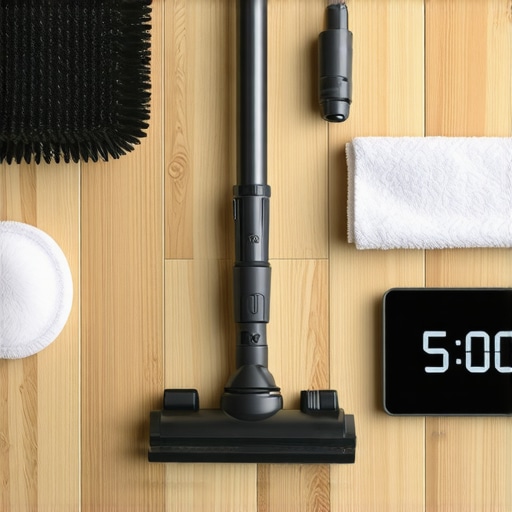
How can I keep these professional standards from slipping?
The secret isn’t a massive weekend-long scrub; it is the integration of specialized systems. I follow the IICRC S300 Standard for professional upholstery cleaning, which emphasizes that soil suspension is critical. This means using the right pH-balanced agents and allowing them to work before extraction. For the average homeowner, this translates to a daily house cleaning routine to maintain perfection that focuses on high-traffic touchpoints. I also recommend keeping a simple digital kitchen timer in your cleaning caddy. I use it specifically to track ‘dwell time’ for disinfectants, ensuring I never wipe too early and compromise the sanitizing secrets for a safer house in 2025.
The Future of Home Health is Tech-Driven
I predict that within the next few years, we will see a massive shift toward ‘evidence-based’ cleaning in the home. We are already seeing the rise of handheld ATP (Adenosine Triphosphate) meters, which were once reserved for hospital settings, becoming more affordable for enthusiasts. These devices tell you exactly how much biological matter is left on a surface. It takes the guesswork out of house cleaning strategies and provides a hard number for your hygiene levels. To really level up your game, I challenge you to try the ‘Two-Cloth Method’ this week—use one microfiber specifically for applying your cleaner and a second, bone-dry high-GSM cloth for buffing. It’s a simple tweak that eliminates the streaks most people struggle with. If you are preparing for a move, remember that a how to schedule a deep clean that actually lasts more than a week starts with having the right specialized tools ready before you even pack the first box. Stop settling for ‘clean enough’ and start using the tools that actually protect your investment.
Taking care of your home is about more than just keeping things looking tidy; it is about protecting your health and your financial investment. When we overlook things like the bathroom fan or the dwell time of our sprays, we are essentially leaving the door open for structural damage and germ growth. By mastering these small details, you transition from someone who just tidies up to someone who truly maintains a professional-standard environment.
Why I Stopped Chasing the Lemon Scent and Started Timing My Sprays
The biggest epiphany I ever had was realizing that a lemon-fresh smell is often just a marketing trick, not a sign of a sanitized surface. I used to spray, wipe, and move on, thinking I was a cleaning hero. It wasn’t until I sat down with professional restorers that I realized I was just moving dirt around. My ‘hardest lesson’ was definitely the time I failed a move-out inspection because I focused on the floors but completely ignored the dust inside the ventilation slats. It taught me that landlords and inspectors look specifically for the maintenance tasks that average tenants ignore.
Another lightbulb moment came when I started using a separate set of cloths for the bathroom and the kitchen. It sounds obvious, but cross-contamination is the silent killer of home hygiene. If you are using the same rag for your vanity and your kitchen counters, you are just providing a free ride for bacteria. Finally, I learned that ‘dwell time’ is the most important part of any sanitizing secrets for a safer house in 2025. If you don’t let that cleaner sit for at least five minutes, you might as well be using plain water.
The Gear That Separates Amateurs from Pro-Level Cleaners
You don’t need a massive closet full of chemicals, but you do need a few specific tools that actually work. Here is what I keep in my essential toolkit:
- High-GSM Microfiber Cloths: These aren’t the cheap ones you find in bulk bins. High-density microfiber actually lifts and traps particles rather than just pushing them. I always use the two-cloth method for streak-free windows in half the time to ensure a polished finish every time.
- A Certified HEPA Vacuum: If your vacuum smells like dust when you turn it on, it’s failing you. I trust HEPA-certified machines because they capture 99.97% of particles, which is vital because why your vacuum filter might be making your allergies worse is a real concern for anyone with respiratory sensitivities.
- pH-Balanced Cleaners: For upholstery and stone, skip the harsh acids. Using a neutral cleaner prevents the degradation of fibers and prevents that ‘crunchy’ feeling on your sofa.
Your Home Deserves More Than a Surface Shine
Consistency is always more powerful than intensity. You don’t need to spend ten hours every Saturday scrubbing your baseboards if you implement a daily house cleaning routine to maintain perfection. By spending just five minutes a day on high-traffic areas, you prevent the kind of deep-set grime that makes move-out day a nightmare. Remember, the goal is to create a space where you can actually relax, knowing that every corner—even the ones above eye level—is truly healthy. When you use the right move-out cleaning strategies to secure your deposit, you aren’t just cleaning for a landlord; you are proving that you know how to respect and maintain a property. Have you ever looked inside your bathroom fan and been shocked by what you found? Let me know in the comments below!