
I stood there staring at my “clean” laundry, wondering why my favorite gym shirt smelled like it had been marinating in a damp, forgotten basement. It made no sense. I used the premium pods, I ran the extra rinse cycle, and I even used fabric softener. Yet, there it was: a faint, funky scent that just wouldn’t quit. I will admit, I spent months just ignoring it, thinking maybe I was just being overly sensitive to a new detergent brand. But then the tiny gray flakes started appearing on my white towels. That was my lightbulb moment. I realized I had made the classic rookie mistake of treating my washing machine like a self-cleaning miracle rather than a hard-working appliance that needs actual maintenance. I had completely ignored the filter, and it was finally fighting back. Today, I am going to save you from the same swamp-water fate by explaining exactly why that little trapdoor is the most important part of your laundry routine.
Your Machine Is Not a Magic Self-Cleaning Box
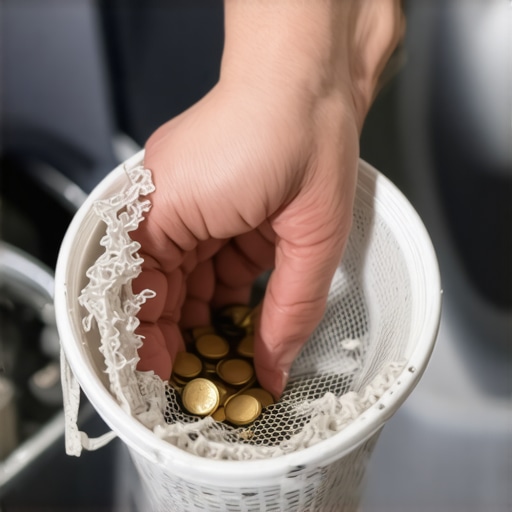
Most of us buy a washer and assume the water and soap do all the heavy lifting for the machine internal parts too. I was firmly in that camp until I finally pried open that tiny plastic flap at the bottom of my front-loader. What I found was a literal bio-hazard: a soup of hair, lint, lost coins, and a slimy gray sludge known as biofilm. It is a common oversight that can lead to major mechanical issues and health concerns. If you have ever wondered how to get rid of the musty odor in your washing machine, the answer almost always starts right there in that neglected, soggy filter. Cleaning it is the difference between truly fresh laundry and clothes that are just “wet.”
Is a dirty filter actually going to break my expensive machine?
You might be thinking that a little bit of lint surely cannot be that serious. I thought so too until my machine simply stopped draining mid-cycle, leaving me with a drum full of gray water and heavy, sodden blankets. According to appliance data from Consumer Reports, failing to perform basic maintenance like cleaning filters is a leading cause of premature pump failure. When that filter gets clogged, your pump has to work twice as hard to push water out. It is like trying to run a marathon while breathing through a narrow straw; eventually, the motor just gives up.
The Real Reason Your Laundry Still Smells Funky
It is not just about the mechanics; it is about the hygiene of your home. That sludge I mentioned? It is a breeding ground for bacteria and mold. When I first started looking into effective house cleaning secrets from cleaning experts, I learned that the heat and moisture trapped in a dark filter housing are the perfect recipe for a colony of gunk. If you are currently prepping for a move, keep in mind that this is one of the 3 spots in the laundry room rental inspectors always check. Neglecting it doesn’t just ruin your towels; it could cost you part of your security deposit. We often focus on visible surfaces, but the hidden spots are what keep a home truly healthy. Just as you wouldn’t forget effective sanitizing methods for a germ-free home in your kitchen, your laundry room deserves that same level of scrutiny. Have you ever actually opened that little door on the front of your washer, or are you just realizing it exists right now? Let’s get into the nitty-gritty of how to fix it before your next load.
Find the Trapdoor Before It Finds You
Look at the bottom front of your machine. You will see a small rectangular or circular panel. This is the gateway to your machine’s health. I spent years thinking this was just for aesthetics until my machine started vibrating like an airplane taking off. It is very similar to the hidden dust trap in your dishwasher filter you need to clean now; if you don’t know it is there, it will eventually force you to notice it through a breakdown. To open it, you might need a flathead screwdriver or just a firm press, depending on your model.
Stop the Flood Before It Starts
The first time I tried this, I didn’t realize that draining the filter meant a liter of stagnant water was going to rush out. I unscrewed the cap, and within seconds, my laundry room floor was a mini-lake of gray water. I was scrambling for towels while my cat watched from a safe distance, judging me. Do not make my mistake. Most modern machines have a tiny black emergency drain hose next to the filter. Pull it out, remove the plug, and let the water drain into a shallow tray first. It takes an extra minute, but it saves you an hour of mopping. 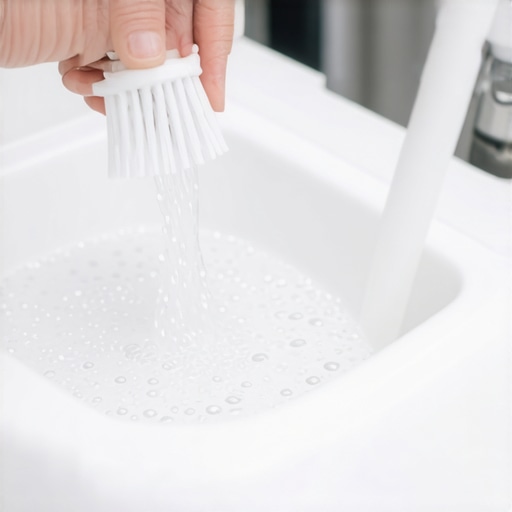
The Scrub That Saves Your Pump
Once the water is gone, unscrew the filter itself. It usually turns counter-clockwise. This is where you will likely find the bio-hazard I mentioned—coins, hair, and that thick, gray slime. This slime is why your clothes never feel truly clean. If you are applying upholstery cleaning tips for a fresh home revival to your living room, you should apply that same mindset here. Use a soft brush and warm, soapy water to get into every mesh opening of the filter. If it is really bad, soak it in a 1:1 vinegar and water solution for ten minutes.
Sanitizing the Housing Cavity
Don’t just clean the filter and shove it back in. Reach your hand into the hole where the filter lived. Feel around for any trapped socks or coins that didn’t make it into the trap. Use a damp cloth treated with effective sanitizing methods for a germ-free home to wipe down the internal threads and the back of the chamber. This prevents that musty smell from coming back the very next day.
Make It a Regular Habit
If you want to avoid future headaches, this needs to be part of your daily house cleaning routine to maintain perfection—or at least a monthly one. For those moving out soon, mastering this is a core part of move-out cleaning strategies to secure your deposit. Rental inspectors have a habit of checking this exact spot to see if you have actually maintained the appliances. It is a simple five-minute task that acts like an oil change for your washer, keeping the pump running smooth and your favorite gym shirts smelling like actual laundry instead of a swamp.Just as that hidden washer filter teaches us about the dangers of neglected sludge, the rest of your home has similar invisible traps that most people fundamentally misunderstand.
Ditch the ‘More is Better’ Cleaning Mentality
We often think that doubling the dose of detergent or blasting a surface with undiluted bleach is the ultimate move for a sterile home. It is a counter-intuitive truth: more soap often means more dirt in the long run. Research from microbiologists at the University of Arizona suggests that over-using cleaning agents leads to a buildup of surfactants, which ironically acts as a ‘glue’ for environmental pathogens and dust. This is one of those effective house cleaning secrets from cleaning experts that most people ignore because they love the sight of bubbles. When you refine your daily house cleaning routine to maintain perfection, remember that chemical residue is your biggest enemy. If the surface feels even slightly tacky after you’ve finished, you haven’t cleaned it; you’ve just paved a sticky road for new grime to settle on.
Why does your sofa look worse after a deep clean?
The answer usually lies in the physics of saturation. Many DIYers think that soaking a stain is the only way to lift it, but for most delicate materials, excessive moisture is the enemy. Over-wetting leads to a phenomenon called ‘wicking,’ where the stain travels deeper into the cushion foam and then reappears on the surface as the fabric dries. This is exactly why you should never use a steam cleaner on these specific upholstery fabrics without checking the care tag first. Proper moisture control and quick drying are the nuances that separate a novice mistake from a professional-grade result. 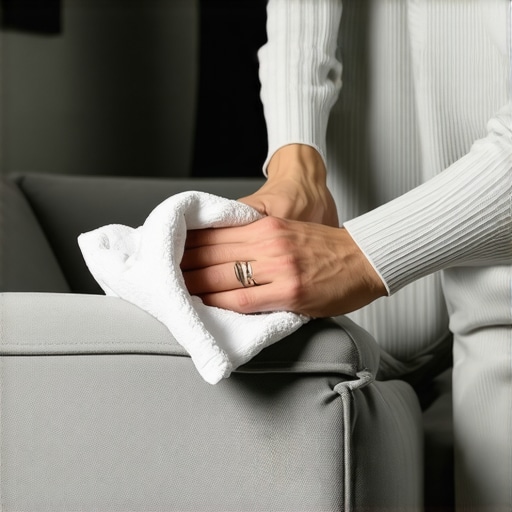
Don’t fall for the bleach illusion
Bleach is an incredibly powerful disinfectant, but it is a terrible cleaner. A common advanced mistake is assuming that bleach removes dirt; in reality, it just whitens it. If you are following sanitizing hacks for safe house transitions, you must clean the surface with a detergent first, then apply your sanitizer. Using bleach on a dirty surface creates a ‘sanitized’ layer of organic matter that eventually breaks down and smells. This nuance is vital for move-out cleaning strategies to secure your deposit. Landlords and inspectors look for that tell-tale sticky, chemical-heavy film on baseboards and counters that indicates a rushed, superficial job. Instead, focus on upholstery cleaning tips for a fresh home revival and hard-surface techniques that prioritize lifting the soil before killing the germs. Mastering these hidden details is truly the secret to getting your full security deposit back every time 2 and ensuring your living space is actually healthy, not just bleached. Have you ever fallen into this ‘more is better’ trap? Let me know in the comments.
The Specialized Gear That Changed My Life
I used to think a rag was just a rag until I discovered the science of GSM (grams per square meter) in microfiber. For heavy-duty tasks like cleaning the kitchen, I now exclusively use 400 GSM cloths because they hold more liquid and trap grease rather than just moving it around. If you are struggling with air quality, you should check why your vacuum filter might be making your allergies worse 2. I switched to a sealed HEPA system vacuum, and the difference in dust accumulation on my baseboards was night and day. This isn’t just about buying expensive gadgets; it is about choosing tools that actually remove matter from your home rather than redistributing it. 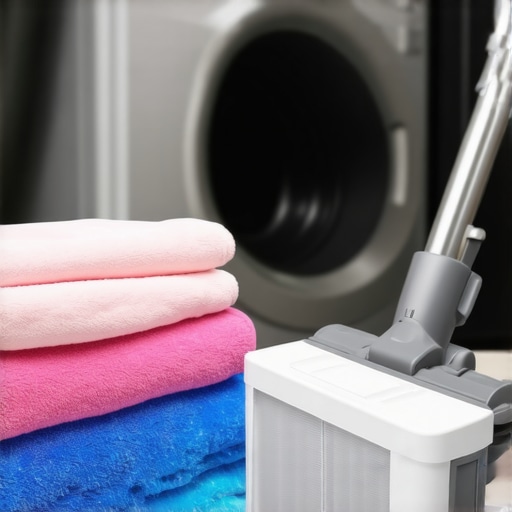
Trust the Pros but Verify the Science
When I started looking into the technical side of things, I found that professional standards like the IICRC S100 for upholstery cleaning emphasize the ‘T.A.C.T’ principle: Time, Agitation, Chemical, and Temperature. Most people skip the ‘Time’ and ‘Agitation’ parts, expecting the chemical to do all the work. If you want an ultimate upholstery care guide for lasting freshness, you have to realize that gently brushing the fabric to loosen soil is more effective than drenching it in cleaner. This methodical approach is a cornerstone of house cleaning strategies for a sparkling home today, ensuring you don’t damage fibers while trying to save them.
How do I maintain professional-level clean over time?
The secret is a staggered schedule. You cannot deep clean everything at once without burning out. I treat my home like a machine that needs scheduled servicing. Every first Saturday of the month is ‘Filter and Gasket Day.’ I check the dishwasher, the washing machine, and the HVAC. This prevents the ‘musty’ baseline from ever establishing itself. If you are a renter, this habit is one of the best move-out cleaning hacks to ensure your deposit refund because it prevents the permanent staining and odors that landlords use to justify withholding cash.
Why the Next Decade of Cleaning is Hands-Off
Looking ahead, I see a massive shift toward ‘smart maintenance’ where our appliances will finally start talking back to us in a helpful way. We are already seeing sensors in high-end vacuums that detect soil levels and adjust suction power automatically. In the near future, I predict every major appliance will have built-in diagnostics that alert your phone the second a filter is reaching its saturation point. This takes the guesswork out of how to schedule a deep clean that actually lasts more than a week. Until then, we have to be the brains of the operation. My challenge to you today: go find your vacuum filter and give it a shake over a trash bin. If a gray cloud appears, it is time to replace it. You will be shocked at how much better the machine performs immediately after.
Why My Obsession with Bubbles Actually Ruined My Clothes
I spent years under the false impression that more suds equaled more cleanliness, but I eventually learned that soap residue is just a magnet for new dirt. If your machine smells, you aren’t just fighting bacteria; you’re fighting the very products you bought to fix it. I had to start applying effective house cleaning secrets from cleaning experts to realize that ‘dwell time’ is more important than elbow grease. I also learned that ignoring the plumbing is a recipe for disaster; knowing the proper way to sanitize your bathroom sink drain can stop odors before they ever reach your laundry room.
The Micro-Toolkit That Keeps My Home Breathing
I stopped buying every new spray on the market and narrowed my focus to tools that actually remove matter. I switched to high-GSM microfiber and a sealed HEPA vacuum because I discovered why your vacuum filter might be making your allergies worse 2. For the kitchen, I focus on specific zones that collect grease, such as how to remove the sticky film on top of the kitchen fridge. These small, specialized tools prevent the massive, weekend-long cleaning sessions that we all dread.
Stop Cleaning and Start Maintaining for Good
The goal isn’t to spend your whole life with a scrub brush in hand; it is to create a home that stays fresh with minimal effort. By incorporating these small maintenance checks into your week, you ensure a healthy environment and protect your wallet. This is especially vital for renters who need the move-out checklist for people who want their full deposit back 3 to be a stress-free experience. House cleaning doesn’t have to be an overwhelming chore when it becomes a lifestyle of small, smart wins. #IMAGE_PLACEHOLDER_E#
Have you ever found something truly unexpected hiding in your washing machine filter? Let me know in the comments below!