
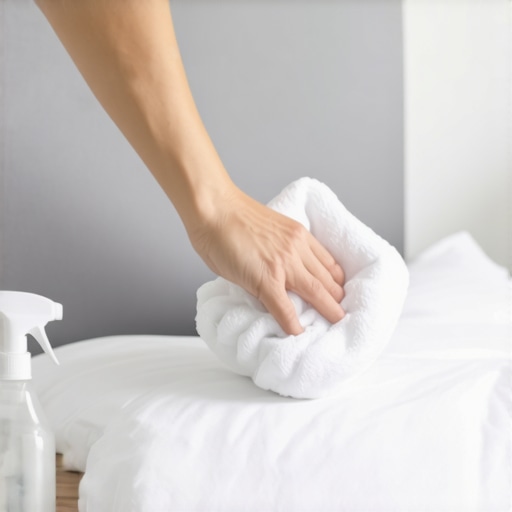
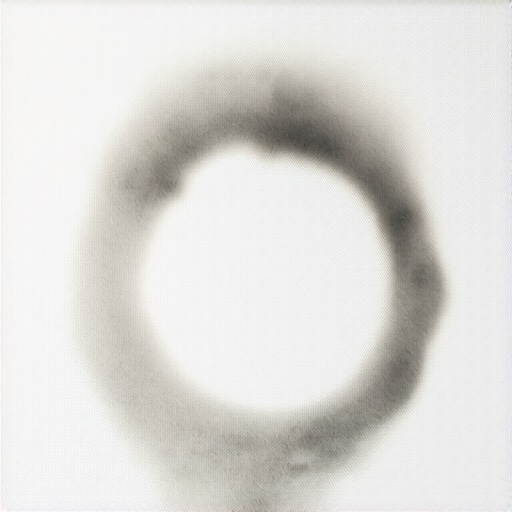
I woke up one morning, leaned back against my cream-colored headboard, and realized I was leaning against a timeline of my own bad habits. There was a faint yellow halo where my head usually rests, and a suspicious smudge from that time I tried to read and eat a multi-layered croissant simultaneously. My first instinct was to grab a bucket of hot, soapy water and a dripping sponge. Please, whatever you do, don’t do that. I did it once, and the result was a damp, musty mess that took three days to dry and left a permanent water ring that looked like a topographical map of disappointment.
Why I Almost Ruined My Favorite Piece of Furniture
It is a classic dilemma. You want that upholstery cleaning for a fresh home revival, but fabric headboards are essentially giant sponges. If you soak them, you aren’t just cleaning the surface; you’re trapping moisture against the wood frame and internal foam. I learned the hard way that more water does not equal more clean. In fact, my first attempt at deep cleaning actually made the fabric smell like an old gym bag because it simply could not breathe. Today, I’m going to show you how to lift those oils and dust without turning your bedroom into a swamp. We are going for a low-moisture approach that respects the fabric and your health. If you’ve ever looked at your bed and wondered if it’s actually a giant dust magnet, you aren’t alone.
Does dry cleaning at home actually work?
You might be skeptical. How can you get a deep clean without a bucket? It feels like cheating. But when it comes to delicate materials, moisture is the enemy. Over-saturating can lead to dust mites flourishing or even permanent water rings. According to the Sleep Foundation, regular maintenance is crucial because headboards collect everything from skin cells to hair products, and humans shed about 1.5 grams of skin every single day. My biggest mistake early on was ignoring the S or W codes on the tag—those labels exist for a reason! Have you ever tried to spot-clean your bed only to end up with a giant, dark ring that takes three days to dry?
The Secret to Lifting Grime Without the Soak
I eventually figured out that the secret lies in dry foam and high-quality microfibers. It’s about lifting the grime, not pushing it deeper into the padding. Before we dive into the step-by-step, we need to talk about what NOT to use. I see so many people reaching for a steam cleaner on the wrong fabrics. High heat and high moisture can shrink linen or melt synthetic fibers instantly. Instead, think of this more like an effective house cleaning secret that keeps the structural integrity of your bed intact while removing the odors that linger after a long summer.
Clear the Dust Before You Touch the Water
Imagine trying to mop a floor that hasn’t been swept; you’re just pushing mud around. The same logic applies to your bed. Before any liquid or foam touches the fabric, you have to remove the dry debris. I once skipped this step on a gray tufted headboard, and the moment I applied a damp cloth, the surface dust turned into a dark, muddy streak that took an hour to lift. Use a vacuum with a clean upholstery attachment. If you don’t clean your equipment, you might find that your vacuum is actually spreading more dust around than it is removing. Work in short, overlapping strokes, paying extra attention to the tufts and buttons where hair and skin cells congregate like unwanted guests at a party.
The Secret Language of Care Tags
Before you reach for any cleaning solution, locate the tiny white tag tucked behind the frame. If you see an ‘S’, it means solvent-based cleaners only—no water! If it’s a ‘W’, you’re in the clear for water-based suds. Ignoring this is the fastest way to shrink your fabric or create those dreaded tide marks. Learning how to treat S-coded upholstery fabric without ruining it is a non-negotiable skill if you want your bed to last more than a season.
Lifting Stains with the Dry Foam Method
The goal is to keep the internal padding dry while the surface gets a refresh. I remember helping a friend prep for a move-out, and she wanted to drench her headboard in soapy water to make it ‘smell new.’ I stopped her just in time. Instead, we used a ‘dry foam’ technique. You whip up a mixture of a small amount of clear dish soap and water until it looks like stiff meringue. You only apply the foam to the fabric. It’s like using shaving cream—all the cleaning power, none of the saturating liquid. This is one of those ultimate upholstery care guide for lasting freshness tips that pros use to avoid mold.
Try the Shaving Cream Trick for Makeup Smudges
If you’ve ever leaned back while wearing foundation, you know the panic of seeing a beige smudge on your nice headboard. This happened to me right before my in-laws visited. I panicked, then remembered the shaving cream trick for removing foundation stains. I applied a tiny bit of plain white foam (not the gel kind!), let it sit for three minutes, and blotted it away with a dry microfiber cloth. The stain vanished without a trace. It’s an incredibly effective house cleaning strategy for a sparkling home that requires zero specialized equipment.
Sanitize to Keep the Pests Away
Cleaning isn’t just about the looks; it’s about what’s living in the fibers. Since we spend a third of our lives in bed, perspiration and oils build up, creating a buffet for bacteria. Use a light misting of a specialized fabric sanitizer or a high-percentage isopropyl alcohol mixed with a drop of essential oil. This ensures effective sanitizing methods for a germ-free home without the need for heavy steam that could warp the wood behind the fabric. Always mist from a distance—think of it like a light morning dew, not a rainstorm.
While it is tempting to reach for the ‘all-natural’ pantry staples, there is a nuance to cleaning that many homeowners overlook until the damage is already done. We often hear that vinegar and baking soda are the holy grail of cleaning, but let’s look at the chemistry. When you mix an acid and a base, you essentially get salt water and carbon dioxide. The bubbling looks impressive, but for heavy-duty grime, you are often doing nothing more than wetting the fabric. This is a common trap in sanitizing secrets for a safer house in 2025: thinking that physical reaction equals chemical cleaning.
Why Your Natural Cleaner is Quietly Damaging Your Home
I used to be a vinegar-for-everything person until I noticed my granite countertops were losing their luster and my upholstery felt strangely crunchy. The truth is, why vinegar is not always the best choice for granite countertops applies to your delicate fabrics too. High acidity can break down the fibers over time, leading to premature thinning of the material. If you are prepping for a transition, relying on these hacks can be the difference between a clean home and a damaged one. When searching for move-out cleaning hacks to ensure your deposit refund, you need solutions that actually lift the oils rather than just shifting the pH of the dirt.
Can You Actually Sanitize with Just Vinegar?
This is where the expertise comes in: cleaning and sanitizing are two different beasts. Cleaning removes visible dirt, but sanitizing reduces the bacteria count. Experts at the American Cleaning Institute point out that for a solution to truly disinfect, it needs a specific concentration and contact time that most DIY mixes fail to reach. If you are dealing with a headboard that has absorbed months of perspiration, you need a targeted approach. This is why I recommend a dedicated fabric sanitizer as part of a daily house cleaning routine to maintain perfection.
The Hidden Danger of Upholstery Wicking
Here is the ‘Oops’ factor nobody tells you about: wicking. Have you ever spent an hour scrubbing a stain, only for it to reappear three days later looking even larger? That is wicking. When you use too much liquid, the moisture carries the deep-set dirt into the internal foam. As the fabric dries, the moisture evaporates upward, pulling that buried grime back to the surface like a straw. This is why a low-moisture approach is the only way to ensure ultimate upholstery care guide for lasting freshness. To prevent this, always blot, never scrub, and keep the padding as dry as possible.
Stop Ignoring the Spots Landlords Actually Check
When it comes to a move-out clean checklist to simplify your transition, most people focus on the big areas like the living room floor. However, true expertise lies in the details. Landlords aren’t just looking at the carpets; they are checking the one spot behind the toilet that landlords check for your deposit and the dust buildup on the very top of the headboard if it’s included in the rental. These hidden zones are where allergens and oils congregate, and neglecting them can lead to a ‘musty’ smell that no amount of air freshener can hide. Have you ever fallen into this trap and lost a portion of your deposit because of a ‘hidden’ spot? Let me know in the comments.
The Equipment I Swear By for Delicate Fabrics
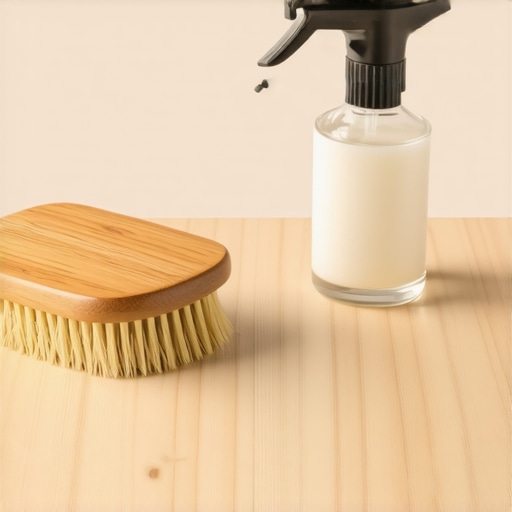
I’ve spent way too much money on gadgets that promised the world but ended up in the back of my closet. Now, I keep it lean. My go-to is a natural horsehair brush. Synthetic bristles are often too aggressive for linens or velvets, creating micro-tears that eventually look like pilling. A horsehair brush is soft enough to agitate the fibers without destroying them, which is the cornerstone of upholstery cleaning tips for a fresh home revival. I also keep a high-quality pH-neutral fabric shampoo on hand. Most ‘all-purpose’ cleaners are far too alkaline for natural fibers. According to technical guides from the Institute of Inspection, Cleaning and Restoration Certification (IICRC), using a cleaner with the wrong pH can cause permanent browning in natural fibers like cotton or linen. If you’re serious about your home, investing in a small hand-held extractor for those ‘oops’ moments is a game changer, provided you use it for suction more than for soaking.
How do I keep my headboard looking brand new for years?
Maintenance isn’t a once-a-year event; it’s a series of small, intentional habits. I’ve found that a daily house cleaning routine to maintain perfection includes a thirty-second dusting of the headboard edges every time I make the bed. This prevents skin oils from oxidizing and turning yellow. If you are currently prepping for a move, focusing on these small maintenance steps early will help you execute better move-out cleaning strategies to secure your deposit without the last-minute stress of deep-set stains. For those in a rental, remember that sanitizing hacks for safe house transitions often start with the furniture you touch most often.
What the Next Generation of Furniture Fabrics Looks Like
The world of home maintenance is shifting. In the next few years, I predict we will see a massive surge in ‘performance fabrics’ that aren’t just treated with a spray-on repellent but are built at the molecular level to be hydrophobic. We are moving toward a future where a spilled glass of wine literally beads up and rolls off a white sofa like water off a duck’s back. Until then, we have to rely on the ultimate upholstery care guide for lasting freshness to bridge the gap between old-school materials and modern living. Technology is getting better, but the human element—actually knowing how to blot rather than scrub—will always be our best defense against a ruined interior.
If you want to really level up your cleaning game, I challenge you to try the dry-foam method I mentioned earlier on a hidden corner of your couch this weekend. You’ll be shocked at how much dirt a little bit of ‘meringue’ suds can pull out without ever getting the cushion wet. It’s one of those effective house cleaning secrets from cleaning experts that feels like magic once you see it in action. If you’re currently in the middle of a transition, don’t forget to consult your move-out clean checklist to simplify your transition to ensure you haven’t missed a single detail.
The Mistakes That Taught Me the Most
I’ve learned that the ‘smell test’ is a lie; just because it smells like lavender doesn’t mean the fibers are actually free of buildup. The real breakthrough came when I stopped trying to scrub stains out and started lifting them up with the dry foam method. If you are prepping for a move, remember that move-out cleaning strategies to secure your deposit always start with the items you think are ‘clean enough.’ Another lightbulb moment was realizing that natural fibers like linen actually ‘breathe’ in odors, meaning they need a deeper, low-moisture refresh more often than synthetics. Finally, never underestimate the power of a thorough dry vacuum session; it is the most effective way to manage dust mites in your pillows and headboard without using a single drop of water.
Tools That Actually Earn Their Keep
You do not need a professional truck-mount system to keep your bedroom healthy, but you do need the right manual tools. I swear by a dedicated horsehair brush for agitating delicate fibers without the risk of pilling or tearing. For those who want effective sanitizing methods for a germ-free home, a high-quality pH-neutral fabric cleaner is a non-negotiable addition to your cabinet. I also recommend checking your move-out clean checklist to simplify your transition to see if your vacuum’s filter is clean; otherwise, your vacuum filter might be making your allergies worse while you try to refresh your space.
#IMAGE_PLACEHOLDER_E#
Take Control of Your Sleeping Space
Your bedroom should be a sanctuary, not a museum of old dust and skin cells. Using this ultimate upholstery care guide for lasting freshness will change the way you feel the moment you lie down at night. Don’t be intimidated by the care labels or the fear of water rings. With the dry-foam method and a little bit of patience, you can maintain a high-end look without the high-end professional price tag. Give your fabric headboard the attention it deserves today, and you will breathe much easier tonight. Have you ever discovered a hidden care tag that completely changed your cleaning plan? Let me know below.