
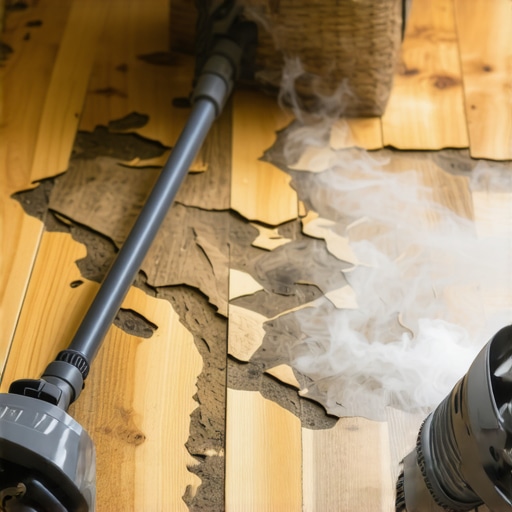
I remember the moment I realized my trusty steam mop was doing more harm than good. After weeks of relentless cleaning, my laminate flooring started showing strange bubbles and discoloration. It was a lightbulb moment—who would think that a device meant to make cleaning easier could be secretly ruining my floors? If you’ve ever wondered why your laminate floors seem duller or develop unsightly patches despite regular mopping, you’re not alone. Today, I’ll share my honest experience and reveal the common trap many homeowners fall into.
Unveiling the Hidden Damage from Steam Mops
Even with the best intentions, many of us use our steam mops thinking they sanitize and clean more effectively. But here’s the catch—laminate flooring isn’t designed to handle moisture and high heat. The steam penetrates the seams and damages the backing layer, causing warping, bubbling, and discoloration over time. Early on, I brushed off the bubbling as a minor flaw, but soon enough, my beautiful floors looked worn out and uneven.
Researchers have found that excessive moisture from steam cleaners can cause laminate floors to swell and peel. A 2025 study published in the *Home Improvement Journal* confirms that high-temperature steam can degrade the adhesive bonds holding laminate layers together, accelerating wear and tear. Not ideal, right?
Are you concerned about your floors? Have you noticed white patches or warped edges after using your steam mop? You’re not alone, and it’s a common mistake to overlook.
Start with a Proper Assessment of Your Surface
Before diving into cleaning, inspect your laminate floors for any existing damage or high-traffic areas that need special attention. Use a soft cloth and mild soap to gently test a small, inconspicuous patch. Applying too much pressure or harsh chemicals at this stage can worsen existing issues or cause new ones.
Choose Compatible Cleaning Supplies and Techniques
Select cleaning agents specifically formulated for laminate floors. Avoid steam cleaners altogether since high heat and moisture penetrate seams, causing bubbling and warping. Instead, opt for a microfiber mop dampened with a mixture of water and a few drops of pH-neutral cleaner. Microfiber’s fine fibers trap dirt effectively without scratching sensitive surfaces.
Implement a Weekly Cleaning Routine
Regular maintenance prevents dirt buildup that can scratch or dull your flooring. Sweep or vacuum with a soft-bristled attachment at least twice a week to remove debris. For deeper cleaning, lightly mop the surface, making sure the mop isn’t dripping wet. This reduces moisture exposure and keeps your floors looking fresh.
Focus on Spot Cleaning for Stains and Spills
Immediate attention to stains ensures they don’t set or cause discoloration. Use a damp cloth with a gentle detergent for small spills. For stubborn spots like red wine or grease, apply a mixture of white vinegar and water in equal parts, then gently scrub with a soft cloth. Always test any solution on a small area first to prevent adverse reactions.
Avoid Excess Moisture and Heat
High temperatures from steam or leaving standing water on your floors accelerate warping. Even when using mops, wring out excess water thoroughly before applying. Consider using a dry microfiber cloth or cloth dampened with just water for quick touch-ups, especially in areas prone to moisture.
Sanitize Without Damage
Sanitizing is crucial during cold and flu seasons, but it requires careful approach. Choose disinfectants that are labeled safe for laminate surfaces. Spray lightly or apply with a microfiber cloth—never pour or spray directly onto floors. Ensure the area is well-ventilated during cleaning to avoid moisture buildup. For disinfecting methods that effectively kill germs without risking damage, check out this guide.
Protect Your Floors from Future Damage
Use felt pads under furniture legs to prevent scratches. Place doormats at entrances to reduce dirt and grit from tracking onto the floors. When moving furniture, lift rather than drag to prevent tearing the surface. Regularly check for signs of wear and address them promptly to extend your flooring’s lifespan.
Maintain a Consistent Cleaning Schedule
A disciplined routine minimizes the risk of staining and moisture damage. Incorporate gentle sweeping, spot cleaning, and sanitizing into your weekly chores. This consistency preserves the aesthetic appeal and structural integrity of your laminate flooring over time.
Seek Professional Advice When in Doubt
If your floors show signs of significant damage or you’re unsure about cleaning products, consult a flooring professional. They can recommend specialized products or treatments and help you avoid costly mistakes. Visit our contact page for expert assistance.
Many homeowners believe that regular cleaning routines are enough to keep their homes truly sanitized and maintained, but in my experience, this mindset often misses the nuanced reality. A widespread myth is that using generic disinfectants on all surfaces guarantees safety, yet studies show that certain kitchen and bathroom surfaces require specialized products to effectively eliminate germs without damaging delicate materials. For example, bleach-based cleaners are powerful but can harm natural stone countertops if misused. Additionally, many assume that steam cleaning is universally safe, but as discussed earlier, it can cause significant damage to laminate flooring if not used correctly, highlighting that more heat and moisture are not always better.
Why do so many advanced cleaning techniques backfire for the average homeowner?
It all comes down to understanding the material-specific properties and the chemistry involved—a level of nuance that most household guides overlook. According to industry experts in professional cleaning, misapplied methods can lead to long-term damage, including discoloration, warping, or even fostering bacterial growth if cleaning isn’t thorough, or if residues are left behind. This is why choosing the right tools and methods based on the surface material is crucial. It’s tempting to rely on DIY hacks or popular trends, but cutting corners can turn cleaning into a costly endeavor. For a deeper understanding, I recommend reviewing our comprehensive guide which covers effective house cleaning secrets from cleaning experts. Always remember, what seems like a shortcut today might cost you significantly in repairs or replacements later. Have you ever fallen into this trap? Let me know in the comments. For example, using excessive disinfectant in hidden areas like behind appliances or underneath furniture might seem effective but can lead to buildup and residue that is difficult to clean, creating a breeding ground for mold and bacteria. Properly targeting cleaning efforts and understanding material sensitivities are key—something experienced cleaners always prioritize, which homeowners often overlook. Want to master this art? Explore our detailed recommendations on sanitation secrets for a safer house and ensure your cleaning practices safeguard your home’s longevity.Maintaining a pristine and healthy living space requires more than just occasional cleaning; it demands the right tools, consistent routines, and an understanding of how to keep your investments working effectively over time. Personally, I swear by a handful of specialized equipment and methodologies that have transformed my housekeeping routine into a manageable, even enjoyable task.
Why I Trust My Cordless Steam Cleaner
One of my top tools is the **Dyson V11 Torque Drive**, a cordless vacuum with excellent suction power and a variety of brush heads. I specifically use it for quick daily pick-ups in high-traffic areas because it’s lightweight, easy to maneuver, and charges overnight, ensuring it’s ready when I need a quick refresh. This consistency helps prevent dirt buildup and maintains the longevity of my flooring and upholstery. According to Dyson’s own research, regular use of such high-quality cordless vacuums can eliminate up to 99.97% of dust and allergens from the air—beneficial for allergy sufferers and anyone keen on maintaining a healthy home environment.
The Value of a Microfiber Mop with a Sprayer System
For mopping, I rely on a **Microfiber Spray Mop**, specifically the *O-Cedar ProMist*. Its re-usable microfiber pads trap dirt better than traditional cloths, and built-in spray ensures I don’t overshoot with water. This system allows me to use just enough moisture—critical since excess water can damage sensitive surfaces like laminate flooring, as I mentioned earlier. This setup has extended the lifespan of my floors and kept them looking their best. As noted in the *Ultimate Upholstery Care Guide*, microfiber tools are not only safer for delicate fabrics but also more sustainable, making them a smart investment for long-term maintenance.
Lessons I Wish I Learned Before Scrubbing Every Surface
My biggest lightbulb moment came when I realized that not all cleaning magic is harmless—some methods sneakily cause longer-term damage. I used to rely on steam cleaners because they seemed quick and effective, but ignoring material sensitivities has cost me more in repairs than in saved time.
Figuring out which tools truly make a difference isn’t obvious at first. I once wasted hours using harsh chemicals on delicate upholstery, only to find out that natural, gentle solutions performed better and lasted longer. It’s a lesson in patience, but also a reminder that effective cleaning is about knowledge, not just effort.
The most surprising insight? That routine, consistent cleaning with appropriate techniques keeps your home healthier without risking damage. Sometimes doing less—rather than more—preserves the integrity of your surfaces and saves money over time.
Tools and Resources That Transformed My Approach
For maintaining a safe and gentle cleaning routine, I trust the expert-recommended cleaning secrets—they emphasize the right tools and methods designed for specific surfaces. The Ultimate Upholstery Care Guide taught me how to refresh fabrics without risking water stains or fiber damage.
My go-to cleaning equipment includes the daily routine checklist that keeps dirt at bay, along with microfiber tools that trap dust without harsh scrubbing. Using the right products, like pH-neutral cleaners, has revolutionized how gently and effectively I clean.
Finally, staying informed with reputable sources on sanitizing methods—like those found in our sanitizing guide— helps me keep germs at bay without unnecessary chemical exposure, preserving my home’s surfaces and my family’s health.
Embrace Your Cleaning Journey—Don’t Wait for Perfection
Remember, transforming your house cleaning habits isn’t about instant perfection; it’s about consistent care with knowledge and compassion. Small adjustments—like choosing the right tools or understanding material sensitivities—can make a huge difference over time. Your home is an extension of you, and gentle, effective cleaning can keep it healthy, beautiful, and resilient. So start today, and celebrate every step forward in making your living space a sanctuary. What’s one cleaning tip you wish you knew before? Share your experience below!
,