
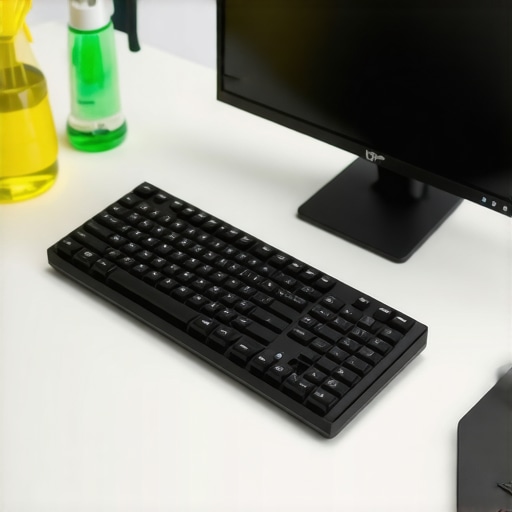
I remember the day I spilled coffee on my keyboard during a frantic work-from-home moment. Panic set in as I scrambled to clean it up, only to realize I had no idea how to sanitize it properly without risking damage. That lightbulb moment revealed how many of us overlook the simple yet critical step of safely disinfecting our keyboards. It’s not just about looking clean; it’s about health, peace of mind, and ensuring our workspace remains truly germ-free.
Why Properly Sanitizing Your Keyboard Has Never Been More Important
With viruses and bacteria constantly lurking on surfaces we touch daily, our keyboards become silent carriers of germs. According to the CDC, keyboards and mice are some of the dirtiest items in any home or office setup, harboring more bacteria than toilet seats! That’s a startling fact that should motivate us all to adopt better cleaning practices.
Questioning the Hype: Is It Really Worth the Effort?
I used to think quick surface wipes were enough—until I made the mistake early on of using harsh chemicals that damaged my keyboard’s delicate components. Trust me, a gentle approach that combines effective disinfection with safety is key. I’ll share what I learned from trial, error, and plenty of research, so you can avoid my rookie mistakes and keep your workspace both clean and safe.
Disassemble and Prepare Your Keyboard
Start by unplugging your keyboard and turning it upside down to gently shake out loose debris. Use compressed air to blow out dust and crumbs from between keys, focusing on the gaps where daily grime hides. I once spent 10 minutes with a can of compressed air, watching dust escape like a mini tornado—your patience pays off in a cleaner device. Avoid using a vacuum as it can generate static that damages sensitive electronic parts.
Choose Gentle Cleaning Solutions
Opt for a mix of 70% isopropyl alcohol and water in a spray bottle. Dampen a microfiber cloth—never soak it—to wipe the keys and surfaces. Think of this as giving your keyboard a spa treatment; gentle, thorough, and effective. Harsh chemicals risk melting plastic or damaging lettering, so steer clear. For stubborn grime, dip a soft-bristled brush in your solution and scrub gently around each key. I learned this trick after my first failed attempt using bleach; the keys became sticky and discolored.
Sanitize Without Damage
Use a lint-free cloth lightly dampened with your alcohol solution to wipe all surfaces, including the underside of keys. Pay attention to high-touch areas, such as spacebars and function keys, which harbor more germs. Remember, alcohol evaporates quickly, leaving no residue, making it ideal for electronics. After cleaning, let your keyboard sit upside down for 5-10 minutes to allow any remaining moisture to evaporate, preventing internal corrosion. A quick tip from my experience: avoid spraying liquids directly onto the device; always apply to the cloth.
Clean the Surrounding Space and Accessories
Extend the cleaning to your mouse, desk surface, and chair arms. Use a disinfectant wipe or a cloth dampened with your solution. For upholstery like your chair’s fabric, follow specific cleaning hacks to avoid water rings and damage. For instance, I once tried to deep-clean my fabric chair with a soaked sponge; the result was a damp, smelly mess that took days to dry. Now, I focus on spot-treating and vacuuming regularly, which preserves the material and maintains hygiene.
Reassemble and Maintain Regularly
Once everything is dry, reassemble your keyboard, ensuring no moisture is trapped inside. Schedule weekly or bi-weekly cleanings to maintain a germ-free workspace, referencing routines from the daily house cleaning guide. This routine keeps dirt, bacteria, and viruses at bay, which is especially critical during flu season or pandemic outbreaks. Remember, consistent cleaning is a small effort that yields lifelong health benefits.
Even seasoned homeowners often believe they know the best way to sanitize, move out clean, and maintain upholstery, but many fall prey to common misconceptions that undermine their efforts. For instance, many think using disinfectant wipes alone suffices for thorough cleaning, yet these wipes frequently only remove surface dirt and fail to eliminate bacteria lurking beneath. Studies, like those shared by the CDC, highlight that proper cleaning involves multiple steps—disinfection, agitation, and drying—to truly reduce microbial presence. Overlooking this layered approach can give a false sense of security and leave your home still harboring germs.
Another popular myth surrounds upholstery care. Many assume that high heat or harsh chemicals are necessary for deep cleaning, but this can damage delicate fabrics or set stains permanently. Instead, understanding the specific fiber type and using tailored cleaning solutions—notably gentle extracts like enzyme-based formulas—preserves upholstery integrity while effectively removing stains and odors.
A subtle yet impactful mistake is neglecting hidden areas during house cleaning, such as behind appliances or inside air vents. These overlooked spots can accumulate dust, mold, and bacteria, contributing to poor indoor air quality and potential health issues. Regularly inspecting and cleaning these areas prevents buildup and maintains a healthier environment.
In my experience, one advanced mistake often made is assuming that all cleaning products are created equal. Many products claim to be multi-purpose but contain chemicals that may react negatively with certain surfaces or exacerbate allergies. Choosing specific, research-backed cleaning agents—like those approved by environmental agencies—ensures safer, more effective results. For example, some natural disinfectants like thymol or certain essential oils have proven antimicrobial properties without the drawbacks of synthetic chemicals. You can explore more effective sanitizing methods at this resource.
To illustrate, here’s a quick warning: using bleach indiscriminately on upholstery or delicate surfaces can cause discoloration and damage. Always test a small inconspicuous area first, and follow manufacturer instructions or consult professionals for best practices. Moving out cleaning, in particular, benefits from detailed checklists—like the ones at these strategies—to ensure no spot gets neglected.
Finally, mastering the nuances of cleaning requires attention to detail and staying updated on new research or products. For example, integrating UV sterilization devices can provide an extra layer of safety when used correctly. Remember, effective cleaning isn’t just about effort; it’s about precision and knowledge.
Have you ever fallen into this trap? Let me know in the comments, and share your tips for smarter cleaning. Keep refining your routines—your health and wallet will thank you.
Investing in Reliable Equipment for Long-Term Cleanliness
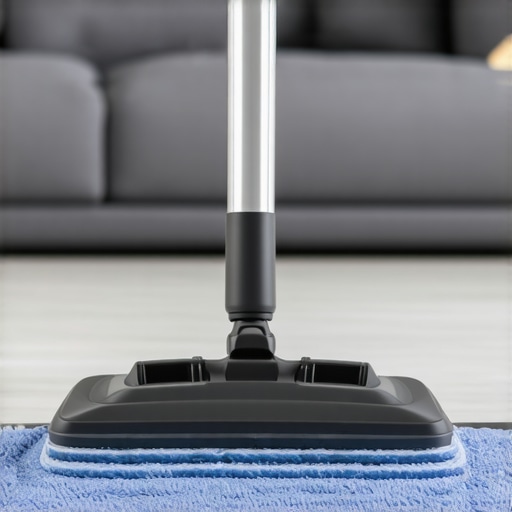
Maintaining a pristine home and upholstery requires the right set of tools that can withstand regular use without compromising effectiveness. Personally, I rely on a high-quality microfiber steam mop, which offers chemical-free cleaning and deep sanitation. Unlike conventional mops that push dirt around, this device uses local heat to eliminate bacteria, making it ideal for frequent use on both floors and upholstery. Additionally, a handheld vacuum with HEPA filtration helps me tackle hidden dust and pet hair in tight spots, prolonging the life of my furniture and reducing allergens. Investing in sturdy microfiber cloths ensures gentle but effective cleaning, especially when combined with eco-friendly disinfectants like thymol-based solutions, which I prefer over harsh chemicals for their safety and effectiveness.
Smart Software to Maintain Tip-Tops Condition
Using specialized housecleaning apps helps me schedule regular routines, track cleaning supplies, and get reminders for tasks like moving out or upholstery maintenance. These tools foster consistency, reducing the risk of neglect that often leads to dirt buildup or fabric damage. For instance, an app can trigger deep-clean sequences for couches or carpets, preempting stain setting or mold growth. Modern cleaning associations predict that smart home technologies, including robotic vacuums integrated with Wi-Fi, will further automate maintenance, giving homeowners more time for pressing matters.
Long-Term Results Stem from Routine and Quality Tools
Consistent use of these reliable tools combined with a strategic routine keeps my living space healthier and prolongs the lifespan of my upholstery and equipment. Regularly vacuuming high-traffic areas and disinfecting surfaces prevents the growth of bacteria and mold, which are leading causes of fabric deterioration. Scheduling bi-weekly upholstery refreshes with gentle cleaners not only preserves their look but also maintains their structural integrity. A well-maintained environment significantly reduces the frequency of costly professional interventions, which I advise everyone to consider for the more stubborn stains or deep cleans.
How do I maintain these tools over time?
I ensure my cleaning tools remain effective by following manufacturer cleaning instructions, avoiding overuse of harsh chemicals, and replacing worn-out parts like filters or mop pads. For example, replacing vacuum filters regularly guarantees optimal suction, preventing dust from recirculating into the air. Proper storage—such as dry, ventilated areas—prolongs their lifespan. Refilling cleaning solutions with eco-friendly options prevents chemical buildup that could damage tools or fabrics. Remember, well-maintained equipment is the backbone of effective cleaning routines, ensuring your home stays fresh without extra effort.
For tailored advice on maintaining your equipment and ensuring long-term results, I recommend exploring specialized articles like expert cleaning secrets. Also, consider trying advanced techniques such as using thymol-based disinfectants—safe for most fabrics and surfaces—and see the difference it makes in your routine.
Ready to step up your cleaning game? Try incorporating a microfiber steam mop into your weekly routine to eliminate germs without chemicals. Maintaining your tools properly amplifies their lifespan and effectiveness, ultimately saving you money and time while keeping your home healthier.
Behind Every Sparkling Surface Lies a Hidden Lesson
One of the most eye-opening lessons I encountered was realizing that surface cleaning alone isn’t enough—bacteria can hide beneath, lurking unseen. This made me adopt a layered approach, combining agitation with disinfection to truly eliminate germs, especially when preparing for move-outs or deep house cleaning projects. Recognizing this hidden world of microbes transformed my cleaning routine from superficial to strategic.
How Simple Tools Can Unlock Major Hygiene Gains
Investing in quality microfiber cloths, a reliable spray bottle, and a good disinfectant turned out to be game-changers. These tools, when used correctly, allow you to sanitize effectively without damaging delicate surfaces like upholstery or electronics. I discovered that choosing gentle yet potent solutions, like enzyme-based cleaners, preserves fabric integrity while obliterating stains and germs—an insight I wish I had sooner.
Cleaning Fails That Taught Me the Most
My biggest mistake was over-relying on disinfectant wipes, assuming they did the job completely. But I learned that comprehensive cleaning involves multiple steps—cleaning, disinfecting, and drying. This layered method ensures the removal of dirt and the killing of microbes, which is crucial for health, especially during flu season or pandemic outbreaks. My experience underscored that thoroughness trumps shortcuts every time.
Key Insights from the Experts I Trust
Books like “Effective Sanitizing Methods for a Germ-Free Home” and trusted cleaning blogs provided me with evidence-backed strategies. These resources highlight the importance of patience and attention to detail, encouraging me to take my time during each cleaning session. Embracing expert advice turned frequent chores into effective rituals, boosting my confidence and results.
Taking the Next Step: Make Your Space Healthier Today
Cleaning is more than a chore—it’s a long-term investment in your health and peace of mind. Whether it’s sanitizing high-touch areas or caring for upholstery with gentle solutions, every action counts. Don’t wait until germs are your unwelcome houseguests—start integrating these lessons today and enjoy a truly clean, safe environment. Ready to elevate your cleaning game? Share your experiences or ask questions below—let’s learn together and make our spaces healthier!