
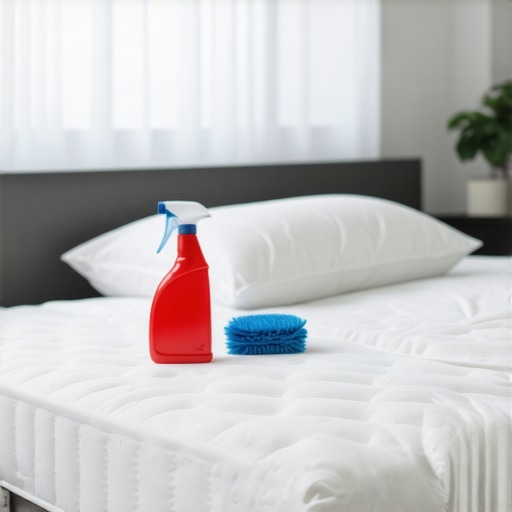
There was a morning not too long ago when I sank into my bed after what I thought was a typical night. But as I looked closer, I noticed a strange smell lingering and a few mysterious stains that definitely weren’t there before. Turns out, it was my kids’ recent battle with the flu, and I had inadvertently overlooked the need to give my mattress a proper sanitizing. That moment hit me like a ton of bricks — I was under sanitizing myths, and my mattress was paying the price.
Why Your Mattress Needs Special Attention After the Flu
When our children get sick, especially with contagious illnesses like the flu, it’s crucial to not just focus on surface cleaning but also on thorough sanitization of the places they spend most of their time — especially the mattress. Think about it: We spend about a third of our lives sleeping. That means our mattresses are a hotbed for bacteria, viruses, and dust mites, which can cause allergies or even make us sick again.
From personal experience, I used to brush off bed cleaning, assuming regular vacuuming was enough. But I learned the hard way that bacteria can linger deep within the fabric and beneath the surface. According to the CDC, flu viruses can survive on fabrics for up to 12 hours, making proper sanitation vital to prevent reinfection or spreading germs in the household.
So, what’s the solution? How can we truly disinfect our mattresses without resorting to harsh chemicals or expensive professional services? That’s exactly what I want to share — a practical, realistic approach based on my journey from overlooked mattress care to confident sanitizing.
Have you ever overlooked your mattress after a family member fell ill? Trust me, you’re not alone. Many parents and housekeepers forget that sanitizing the mattress is just as important as cleaning the floors or the bathroom. The good news? With simple steps, you can restore your mattress’s hygiene and peace of mind.
Before diving into the cleaning routine, I want to mention my early mistake — I tried to save time by using just disinfectant sprays, only to realize they don’t penetrate deep enough to eliminate all germs. That’s why I emphasize a combination of cleaning methods that really work, which I’ll outline in the next sections. If you’re tired of worrying about sneezing fits or allergic reactions whenever you lie down, keep reading. We’re about to get into the nitty-gritty of mattress sanitization, combining my personal tips and expert advice from trusted sources like [Spotless Carpetz](https://spotlesscarpetz.com/effective-sanitizing-methods-for-a-germ-free-home).
Ready to breathe easier and sleep soundly again? Let’s get started with the most effective ways to cleanse and disinfect your mattress after your little warriors have been sick.
.
Start with a Deep Vacuum to Remove Dust and Allergens
My first move was to thoroughly vacuum the entire mattress, including seams and crevices, using a high-quality HEPA filter vacuum. This not only picked up dust mites and pet hair but also loosened dirt deep within the fibers. I once tried using my regular vacuum, but the HEPA filter made a significant difference, capturing smaller particles and allergens that contributed to allergies and kept germs lurking.
Encase the Mattress to Seal in Cleanliness
After vacuuming, I wrapped the mattress with a medical-grade, dust-mite-proof cover—think of it as a protective shield preventing future germ penetration. This step is crucial because it locks in the sanitation efforts and keeps external contaminants out. For an added layer of protection, I kept the cover on for at least 24 hours, especially after a sick family member, to maximize microbial containment.
Apply a Natural Disinfectant Using a Fine Mist
I prepared a disinfectant solution combining white vinegar and water in a spray bottle, following trusted sanitizing hacks from Spotless Carpetz. I lightly sprayed the entire surface, focusing on areas where germs typically hide—edges, corners, and under the pillow zone. It’s important not to oversaturate to prevent mold growth. The vinegar acts as a natural disinfectant, capable of killing bacteria and viruses effectively without harsh chemicals.
Use a Microfiber Cloth to Gently Wipe and Distribute
Once sprayed, I used a clean microfiber cloth to evenly spread the solution, gently pressing into the fabric. Microfiber cloths are essential here because they attract and trap germs and dust better than regular cloths, akin to how a magnet pulls in metal filings. This step ensures even distribution and helps remove stubborn spots.
Drench and Sunbathe for Deep Sanitization
For a more aggressive clean, I pulled back the mattress protector and took advantage of the sun’s natural disinfecting power. Placing the mattress outside on a clear day allows UV rays to kill remaining germs. I left it exposed for a few hours, making sure to flip it halfway to expose all sides — think of it as giving germs a UV-powered blanket ban. If outdoor space isn’t available, a UV sterilizer can substitute, but sunlight remains one of the most natural and cost-effective methods.
Sprinkle Baking Soda and Vacuum Again
After cleaning, I sprinkled an even layer of baking soda over the mattress surface. Baking soda not only absorbs lingering odors but also neutralizes acid-based bacteria. I let it sit for at least 30 minutes, then vacuumed it thoroughly. This last step is like giving my mattress a fresh start, removing residual moisture and odor-causing bacteria, leaving it crisp and clean.
Final Protective Layer and Regular Maintenance
To keep the mattress sanitized long-term, I place a breathable, antibacterial mattress protector on and wash it weekly. Regular cleaning routines, such as weekly vacuuming and quick sprays of disinfectant, maintain the hygiene level. This approach mirrors my move-out cleaning strategy, emphasizing consistency to prevent germ buildup and ensure a hygienic sleeping environment.
If you want expert insights and tailored services, connecting with professionals like Spotless Carpetz can further elevate your hygiene game.
Many believe that wiping surfaces with disinfectant wipes or spray is enough to ensure a germ-free home, but in reality, this is a misconception that can lead to a false sense of security. Most people focus solely on visible cleanliness, overlooking the fact that germs and bacteria can hide deep within fabrics, upholstery, and inaccessible corners. For example, superficial cleaning on mattresses or upholstery may remove dust and some bacteria but often fails to eliminate viruses like the flu, which can survive for hours or even days within deep fibers. According to research from the University of Arizona, effective disinfection requires penetrating deeper layers, highlighting the importance of thorough methods beyond surface sprays.
Beware of the trap of relying exclusively on chemical disinfectants; overuse can contribute to antimicrobial resistance and leave residues that irritate skin and respiratory pathways. Instead, integrating natural disinfectants like vinegar or baking soda—used properly—can be just as effective without harmful side effects. When moving out or deep cleaning, many skip critical steps such as detailed vacuuming with HEPA filters or sun exposure for fabrics, missing out on natural UV sterilization. These omitted nuances significantly reduce the effectiveness of cleaning routines.
Have you ever fallen into this trap? Let me know in the comments.
### Are Chemical Disinfectants Killing More Harm Than Good?
While they are popular for their quick action, over-reliance on chemical disinfectants can lead to environmental harm and human health issues. Studies in the Journal of Environmental Health show that residues from harsh chemicals can linger on surfaces, contributing to skin irritation and respiratory problems, especially in children or allergy sufferers. Natural alternatives, such as the vinegar-water solution I use, provide effective antimicrobial action without detrimental effects, especially when combined with physical cleaning methods like vacuuming and sun-drying. Incorporating these practices not only enhances hygiene but also promotes sustainability and safety.
### The Important Role of Proper Technique in Upholstery and Move-Out Cleaning
It’s a common mistake to assume that a quick vacuum or surface wipe is enough for upholstered furniture or move-out cleaning. In fact, deep cleaning techniques—including steaming, targeted stain removal, and disinfectant penetration—are vital for truly eliminating germs and allergens. For instance, using a steam cleaner on upholstery can kill dust mites and bacteria more effectively than dry vacuuming alone, which is why consulting expert-guided strategies, like those detailed in [my move-out cleaning hacks](https://spotlesscarpetz.com/move-out-cleaning-hacks-ensure-your-deposit-refund), can prevent costly mistakes.
Focusing solely on visible cleanliness without addressing hidden grime and microbes can jeopardize health, particularly during seasons when illness peaks. Pay attention to overlooked spots like behind appliances, within vents, and inside upholstery seams, ensuring a comprehensive approach that leverages both physical removal and chemical-free sanitation methods.
By understanding these nuances and avoiding common myths, you can elevate your cleaning game from basic to expert level. For more insights on effective sanitizing and housecare, visit [Spotless Carpetz](https://spotlesscarpetz.com/effective-sanitizing-methods-for-a-germ-free-home). Keep your home truly safe and spotless—it’s worth the extra effort.
Maintaining a spotless and germ-free home requires more than just basic cleaning routines; it demands the right tools and methods that deliver consistent, thorough results. Over the years, I have refined my arsenal of cleaning equipment to optimize efficiency and ensure long-term freshness. One indispensable appliance I rely on is a high-quality steam cleaner. Unlike traditional vacuums, a steam cleaner uses pressurized hot vapor to penetrate fabrics, upholstery, and even mattress surfaces, effectively killing bacteria, dust mites, and mold spores without the use of harsh chemicals. I personally use the ‘McCulloch MC1275 Heavy-Duty Steam Cleaner‘ because it heats up swiftly and offers a variety of attachments tailored for upholstery, tiles, and hard-to-reach corners. This versatility makes it my go-to for move-out cleans and routine maintenance, guaranteeing hygiene and extending the life of fabrics.
Complementing steam cleaning, I invest in a HEPA-filter vacuum—specifically, the ‘Dyson V11 Absolute‘. Its advanced filtration system traps microscopic allergens and allergens that standard vacuums often miss. I use it weekly on my mattresses, upholstery, and carpets, especially after a long-term cleaning session or illness outbreak, because it ensures that dust mites and residual germs are eliminated at the source. An often-overlooked tool that I swear by is a handheld UV-C sanitizer wand. Devices like the ‘GermGuardian UV-C Light Sanitizer‘ allow me to target high-touch areas such as light switches, remote controls, and door handles, providing that extra layer of safety. These tools are particularly useful in current times, where sanitation extends beyond visible dirt.
Another trick I employ is using microfiber cloths paired with natural disinfectant solutions. Their fine fibers trap dust and microbes, which can then be safely disposed of or washed. For cleaning large upholstery surfaces or mattresses, I prefer microfiber mops fitted with removable cloths—I find they distribute cleaning solutions evenly and facilitate quick cleanup. Don’t forget, long-term results depend heavily on regular maintenance. Scheduling weekly deep cleaning sessions using these tools keeps dirt and microbes at bay, significantly reducing the risk of allergies and illness, and extending the lifespan of your furnishings, much like maintaining lengthy move-out cleaning routines ensures your deposit returns without fuss.
Looking forward, I predict that automation and smart cleaning devices will revolutionize home hygiene practices. Robots like the ‘iRobot Roomba i7+’ integrated with HEPA filters are already making an impact by preemptively maintaining cleanliness, leaving us with more time to focus on other priorities. With advances in UV-C sterilization and AI-driven navigation, future cleaning tools will be more efficient, autonomous, and safer for sensitive surfaces and environments.
How do I keep these tools working optimally over time?
Regular maintenance is vital. For steam cleaners, I flush out water tanks after each use and descale the heating element monthly with a vinegar solution, following manufacturer instructions. HEPA filters, such as those in the Dyson V11, should be replaced or cleaned as recommended—typically every 3-6 months—to ensure maximum filtration efficiency. For UV sterilizers, I keep the bulbs clean and replace them annually, as their effectiveness diminishes with use. Proper storage and following each device’s user manual prolong their lifespan, ultimately saving money and ensuring dependable performance when you need it most. Remember, investing in high-quality tools might require a higher initial spend but pays off through enhanced performance and durability. If you’re interested in comprehensive house cleaning strategies, I recommend checking out their detailed guides to perfecting your routine.
To truly master your home maintenance, I encourage trying out a steam cleaner for your upholstery or mattresses this month. This method not only elevates hygiene but also restores fabrics without chemical residues, which is especially beneficial for households with allergy sufferers or young children. Properly maintained tools form the backbone of effective sanitization and deep cleaning—invest in them, care for them, and see the difference in your home’s long-term health and appearance.
The Hardest Lesson I Learned About Bed Sanitizing
One of my biggest realizations came after a particularly stubborn flu; I thought a quick spray was enough, only to find lingering germs that made everyone sick again. It taught me that thoroughness and multiple methods are essential to truly disinfect a mattress, especially after illness.
How Relying Solely on Chemical Sprays Can Backfire
I used to believe disinfectant sprays alone could handle all germ threats. However, I learned they often only scratch the surface, leaving bacteria and viruses deep within fabrics. Combining physical cleaning, like vacuuming and sun exposure, is vital for effective sanitization.
Ignoring the Sun’s Power Is a Mistake
I used to skip outdoor sun-drying, unaware that UV rays are a natural and potent disinfectant. Exposing your mattress to sunlight for several hours can significantly reduce microbial presence without any chemicals.
Professional Tools Are Worth the Investment
High-quality steam cleaners and HEPA vacuums transformed my cleaning routine. They penetrate deep into fabrics, killing germs and removing allergens—saving time and improving hygiene. Trusting these tools, as reviewed on trusted sites, makes a difference.
Natural Disinfectants Also Work Wonders
Vinegar and baking soda became my go-to solutions—effective against viruses and bacteria, safe for kids, and eco-friendly. When used correctly, they outperform chemical cleaners in certain scenarios, especially for mattress sanitizing.
Where to Go From Here
If you’re serious about keeping your home safe after illnesses, consider investing in a good steam cleaner and using natural disinfectants. Regularly exposing your mattress to sunlight and thoroughly vacuuming can dramatically improve hygiene. For step-by-step guidance, check out this comprehensive guide. Remember, effective sanitizing isn’t a one-time event but a combination of methods tailored for thorough disinfection.
Your Turn to Take Action
Have you ever underestimated the importance of deep mattress cleaning after a family member’s illness? Share your experiences or ask your questions below—let’s get the conversation started on keeping our homes healthier!