
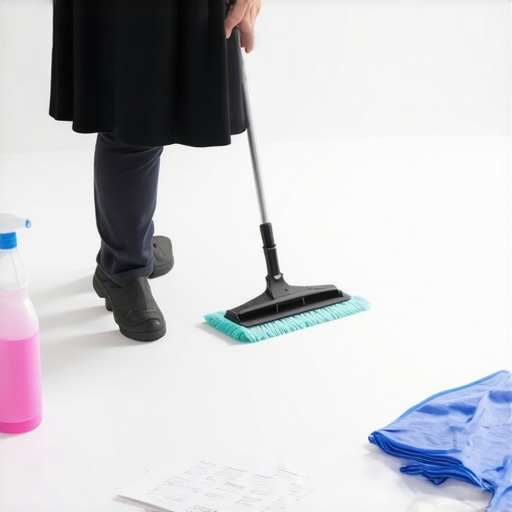
Ever stood in a new apartment, barefoot on the hardwood, only to feel that unsettling grit under your toes? Or perhaps you’ve moved into a place where the floors look spotless in the photos, but you can’t shake the feeling that beneath the surface, dirt and dust lurk, waiting to crawl out? I know that feeling all too well. When you’re obsessed with cleanliness—especially of your floors—it can turn a simple move into a mini nightmare.
Why Clean Floors Can Make or Break Your Move-In Experience
Let me be real. I once ignored a small stain on my new carpet during a move, thinking it’d be fine. Big mistake. That tiny spot turned into a stubborn reminder of neglect, and the stress of cleaning after unpacking was the last thing I wanted. It dawned on me that having a comprehensive move-in checklist tailored for those obsessed with spotless floors isn’t just a luxury—it’s essential. This isn’t about perfection; it’s about creating a sanctuary where every step feels like stepping onto a cloud of cleanliness.
Is the Hype About Deep Cleaning Overkill?
I used to believe that a quick vacuum and a wipe-down were enough. Turns out, I was making a big mistake early on. That misconception led me to overlook hidden dust bunnies lurking in the corners and microscopic germs deep in the grout lines. Research shows that a startling percentage of indoor bacteria are found on common household surfaces, including floors (source: House Cleaning Secrets from Experts). Once I learned this, I realized that thorough sanitizing isn’t just about aesthetics—it’s about health and peace of mind.
So, if you’ve ever wondered whether your move-in cleaning routine is enough—or if you’re still waking up with a sneezing fit every morning—you’re not alone. Together, we’ll dive into the step-by-step process to make sure your floors are truly spotless, safe, and ready to welcome you home.
Prepare Your Tools and Supplies
Start by assembling everything you’ll need: a high-quality vacuum, microfiber mops, eco-friendly cleaning solutions, disinfectant sprays, a scrub brush, and microfiber cloths. I once hastily grabbed a generic cleaner before a move, only to realize later it left residue on my tiles. Choosing the right products is like giving your floors a tailored suit—fit for purpose and effective.
Vacuum Every Corner and Crevice
Heavy furniture can hide dust and debris; move as much as possible to access hidden spots. Use a vacuum with a HEPA filter to trap microscopic allergens. I recall pulling out my old vacuum, only to find it struggle with pet hair and fine dust—upgrading made a noticeable difference in cleanliness and air quality.
Pro Tip: Use a handheld or crevice attachment to reach tight spots behind toilets and along baseboards. This step ensures no dust bunnies escape, laying a clean foundation for the next phase.
Deep Clean the Floors
For hard surfaces, prepare a sanitizing solution aligned with your floor type—test a small area first. Use a microfiber mop soaked in your solution to scrub the surface thoroughly, paying close attention to grout lines and edges where dirt tends to accumulate. I once skipped this, only to find stubborn stains lingering after superficial cleaning, evident in the faint smudges that remained until I dedicated time to detail.
Using a steam cleaner can be highly effective, especially for tiles and sealed wood, but ensure it’s appropriate for your flooring to avoid damage. Remember, heat kills germs and loosens grime, making your cleaning more efficient. For a comprehensive approach, check out sanitizing hacks for safe house transitions.
Address Upholstery and Hidden Areas
Mats and rugs should be vacuumed meticulously; consider a professional steam clean if they’re heavily soiled. Upholstered furniture, especially if in a new place, can harbor dust mites and allergens. I learned this the hard way when I tried to freshen up my sofa with a DIY spray—ends up, it was better to call in a professional for deep cleaning. Explore ultimate upholstery care tips for guidance.
Sanitize High-Touch and Hidden Surfaces
Don’t forget corners, baseboards, and door handles. Use disinfectant spray on a microfiber cloth to wipe these high-contact points. When I cleaned behind the refrigerator, I uncovered a layer of greasy dust that I hadn’t realized was a health concern. For a detailed routine, see house cleaning strategies.
Final Touches for Flawless Floors
After cleaning, allow floors to air dry or use a dry microfiber cloth to buff them, removing streaks or residues. Combining these steps systematically turns a chaotic move-in into a controlled, thorough cleaning process—making your new space as fresh and inviting as intended.
While many believe that a quick vacuum or spot wipe is enough to keep upholstery and surfaces clean, the truth is far more intricate. One common misconception is that disinfecting every surface daily guarantees a germ-free home. However, over-sanitizing can sometimes backfire, leading to decreased effectiveness of sanitation procedures and potentially fostering resistant bacteria. Experts suggest that understanding the right frequency and methods is crucial — for instance, overuse of harsh disinfectants might damage fabric fibers or surface finishes. To navigate this, always follow manufacturer instructions and opt for vetted sanitizing products, like those outlined in our sanitizing hacks.
What do most people overlook when deep cleaning upholstery and ensuring true sanitation?
Many assume that cleaning visible dirt is enough, but microscopic allergens, dust mites, and bacteria hide in hidden crevices or embed within fabrics. An advanced mistake is neglecting proper pre-cleaning preparations—such as vacuuming thoroughly before any wet cleaning. This step prevents dirt from turning into mud and re-depositing onto surfaces. According to research by cleaning experts, failing to do so can leave behind stubborn allergens and diminish overall cleanliness (see expert cleaning secrets).
Another nuance often missed involves choosing the wrong cleaning agents for specific fabrics or surfaces, which can cause discoloration or degradation over time. For example, using generic all-purpose cleaners on delicate upholstery may seem harmless but can strip dyes or weaken fabric fibers. Instead, specialized upholstery cleaning tips recommend tailored solutions and testing on inconspicuous areas first.
Furthermore, many underestimate the importance of post-cleaning ventilation and allowing surfaces to dry thoroughly. Residual moisture can promote mold or mildew growth, especially in humid climates. Always ensure proper air circulation after cleaning, and consider microfiber cloths for buffing surfaces to remove streaks and residual moisture. To get it right, reviewing comprehensive routines like the ones in house cleaning strategies can be invaluable.
Have you ever fallen into this trap? Let me know in the comments. Mastering these hidden nuances can dramatically improve your cleaning efficiency and safeguard your home’s health and longevity—so don’t overlook the tiny details that matter.
Keeping it Working Smartly: My Recommended Equipment and Methods
Maintaining a spotless and sanitized home isn’t just about hard work; it’s about using the right tools and techniques that deliver consistent, long-term results. Over the years, I’ve fine-tuned a set of equipment and routines that ensure my upholstery remains fresh, and my floors stay pristine without turning cleaning into a never-ending chore. One of my top tools is the Vaporetto Steam Cleaner. Why? Because it combines high-temperature steam with adjustable pressure, allowing me to sanitize surfaces and fabrics deeply without harsh chemicals. Steam kills 99.9% of bacteria, including stubborn dust mites lurking in fabrics, making it ideal for upholstery and tiles alike. This aligns with future cleaning trends emphasizing eco-friendly, chemical-free sanitation.
For vacuuming, I swear by the Dyson V15 Detect. Its laser dust detection feature reveals microscopic debris invisible to the naked eye, ensuring that no hidden dust bunnies escape. This tech helps me focus on problem areas and guarantees cleaner air quality over time. I also invested in a Microfiber Mop System, which I’ve found essential for hard floors. Microfiber’s electrostatic properties trap dirt better than conventional mops and can often be used with just water or mild cleaning solutions, reducing chemical usage and residue buildup.
My cleaning routine isn’t complete without the Electrolux UV-C Sanitizing Wand. I use it periodically on high-touch surfaces and upholstery cushions to eliminate pathogens quickly. UV-C light is proven to deactivate bacteria and viruses effectively, as documented in scientific studies such as the Sanitizing Secrets report. Incorporating UV sterilization regularly keeps my home safer, especially during cold and flu seasons.
How do I maintain these tools over time?
Essential to long-term success is proper equipment maintenance. I set a schedule to clean brushes, replace filters, descale the steam cleaner, and check seals and batteries periodically. Regularly emptying and inspecting vacuum filters prevents loss of suction, while descaling my steam cleaner with homemade vinegar solutions prolongs its lifespan. These maintenance steps ensure my tools work efficiently, saving money and time in the long run.
Looking ahead, I believe advancements like IoT-connected cleaning devices that self-maintain and alert you when service is due will become standard. Imagine a vacuum that not only cleans but also monitors its own health and suggests tune-ups, dramatically improving durability and effectiveness.
Take it from me—integrating advanced equipment like the steam cleaner or UV-C wand and establishing a routine maintenance schedule elevates your cleaning game. I highly recommend trying out the steam cleaning method on stubborn upholstery stains; it’s a game-changer for long-term freshness. For more detailed routines, visit house cleaning strategies to refine your approach and achieve lasting cleanliness with less effort.
The Hidden Lessons That Changed My Cleaning Game
One of the most surprising revelations I had was that even with all my equipment and routine tweaks, neglecting the tiniest details—like lint on the baseboards or a missed corner—could sabotage the entire cleanliness effort. It made me realize that deep cleaning isn’t just about big tools; it’s about developing a keen eye for overlooked spots and understanding that small, consistent actions yield lasting results. The most stubborn dust bunnies often hide behind the refrigerator or within the seams of rugs, reminding me that thoroughness beats speed every time. Moreover, I learned that patience and intentionality—taking my time on each step—can transform a quick tidy-up into a truly sanitized sanctuary.
Another lightbulb moment was realizing that the products I trusted mattered immensely. Cheap cleaners might seem tempting, but investing in targeted, quality solutions—like eco-friendly disinfectants specifically designed for floors and upholstery—supports both my health and the longevity of my furniture. This pursuit of quality over convenience has improved my home’s air quality and reduced recurring stains or germs. Lastly, I found that scheduling my cleaning routines according to the seasons, humidity levels, and my household activities helps maintain long-term cleanliness without feeling overwhelming. Consistency, paired with strategic product choices, turns cleaning from a chore into a mindful ritual that I genuinely enjoy.
My Arsenal for Upholstery and Floor Perfection
Over the years, I’ve curated a toolkit that truly supports my obsession with cleanliness. The Vaporetto Steam Cleaner has become my best friend for deep sanitization without chemicals. Its high-temperature steam eliminates 99.9% of germs, making me feel safe and eco-conscious. For regular vacuuming, the Dyson V15 Detect provides that laser precision that reveals microscopic debris—an eye-opener that keeps me diligent about every inch of my floors. My microfiber mop system ensures I’m not just moving dirt around but actually trapping it—reducing residues and streaks. Additionally, the UV-C Sanitizing Wand adds a layer of high-tech sterilization for high-touch surfaces and upholstery.
Regular maintenance of this equipment—like descaling the steam cleaner with vinegar or changing vacuum filters—keeps my tools performing at their best. Looking forward, I believe innovations like self-maintaining smart vacuums and app-connected steam cleaners will make spotless homes even easier to achieve. Whether you’re cleaning after a move or just maintaining your daily sanctuaries, investing in quality tools combined with routine upkeep is a game-changer. For more advice on creating an efficient cleaning routine, visit our comprehensive guide to lasting cleanliness.