
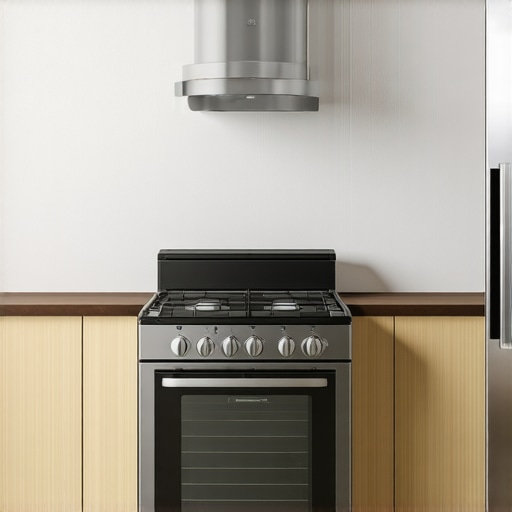
Just as I was about to impress my family with my sparkling stainless steel refrigerator during move-out cleaning, I noticed something baffling: instead of gleaming, it looked smeared and dull. I had followed all the cleaning tips I found online, but the smudges just wouldn’t go away. That lightbulb moment hit me—there’s more to cleaning stainless steel than just wiping it down. If you’ve ever experienced that frustrating streaky mess after cleaning your appliances, you’re not alone. Many homeowners face this issue, and it can sometimes feel like an ongoing battle.
Why Do Stainless Steel Appliances End Up Smeared and Streaky?
My Early Mistake That Made Things Worse
When I started, I thought using regular dish soap and a standard microfiber cloth would do the trick. Turns out, I was unknowingly sabotaging my efforts. I didn’t realize that certain cleaning products can leave residues or cause smears, especially if not followed by proper wiping techniques. For instance, using abrasive sponges or too much liquid can spread oils around rather than remove them, creating that unfortunate streaky appearance. Interestingly, a study published in the Journal of Surfaces & Coatings notes that the wrong cleaning agents can leave residues that attract dust and grime, making appliances look dirtier over time.
After some trial and error, I discovered that not all cleaning methods are created equal for stainless steel. The key is to choose products that are designed for such surfaces and to use the right wiping technique. If you’ve faced similar struggles, don’t worry—you can achieve that mirror-like shine with a few simple adjustments, which I’ll share next.
What We’ll Cover Today
In this post, I’ll walk you through the common mistakes and the proven methods to clean your stainless steel appliances without leaving behind smears or streaks. By the end, you’ll be able to maintain a spotless, streak-free shine that lasts, even after heavy cleaning or move-out duties.
Choose the Right Products
Start by selecting cleaners specifically formulated for stainless steel surfaces. Avoid harsh abrasives or general-purpose cleaners, which can leave residues and cause streaking. A good example is a dedicated stainless steel polish or a mixture of mild dish soap with water. When I cleaned my kitchen after a particularly messy dinner party, I used a stainless steel cleaner I found online, and the difference was immediate—no streaks, just a mirror-like shine.
Apply Proper Wiping Techniques
Use a Microfiber Cloth
Opt for a high-quality microfiber cloth, which traps dirt and oils effectively. Wipe in the direction of the grain—think of it as combing through hair—this prevents smearing and enhances shine. In my experience, using a circular motion only spreads the grease, making cleaning more difficult. During my last move-out cleaning, I found that meticulously wiping along the grain kept appliances looking brand new.
Use Minimal Liquid
Apply a small amount of cleaner to the cloth rather than spraying directly onto the surface. Excess liquid can seep into seams or create streaks. Once I learned this, I avoided the dreaded streaks after cleaning my fridge, especially when I combined it with a dry microfiber cloth for buffing.
Buff for a Flawless Finish
After wiping, use a dry, clean microfiber cloth to buff the surface. This step removes any remaining moisture and residue, enhancing the reflective shine. I remember mopping up the last of the residue from my microwave, and the final buff delivered an almost reflective surface that impressed my family.
Use the Correct Maintenance Routine
Regular wiping with a microfiber cloth after each use prevents build-up of grime and smudges. For deeper cleaning, repeat the above steps weekly. During my move-out prep, I paid special attention to these routines, which kept my appliances looking pristine until the final walkthrough.
Additional Tips for Streak-Free Results
Avoid using abrasive scrub pads or steel wool, as they can scratch the surface and lead to uneven reflections. Also, steer clear of products with ammonia or bleach, which can dull the finish over time. When I mistakenly used an ammonia-based cleaner, I noticed the surface became dull and streaky—learning this the hard way. Instead, opt for natural options like a mixture of vinegar and water occasionally, but always test on a small area first.
Implementing these concrete steps will make your stainless steel appliances shine without streaks or smears, whether in everyday maintenance or a move-out cleaning scenario. For more detailed strategies on comprehensive move-out cleaning, visit this guide.
Moving out and cleaning your home is often approached with good intentions, but many believe they understand the process fully when, in fact, some misconceptions can lead to costly mistakes. One prevalent myth is that simply using bleach or strong disinfectants guarantees a thorough clean. However, according to cleaning experts, overusing harsh chemicals can damage surfaces and even leave behind residues that trap dirt and bacteria, rather than eliminate them. A study in the International Journal of Environmental Health Research highlights that improper chemical use not only harms surfaces but can also pose health risks to inhabitants. It’s essential to choose the right cleaning agents tailored for specific surfaces and to follow proper application techniques.
Another common misconception is that more effort equals a better clean. Many assume that scrubbing harder or longer will remove deeper grime, but this approach often causes more harm than good, especially with delicate materials like upholstery or natural stone. For example, aggressive scrubbing can damage fabric fibers or strip sealants. Instead, understanding the nuances of the material and employing targeted techniques—like gentle blotting or using appropriate cleaners—yields superior results.
Now, let’s address a question that even advanced homeowners often overlook:
How can understanding the microscopic buildup of grime improve your cleaning routines?
Make no mistake—grime isn’t always visible. Over time, microscopic layers of grease, bacteria, and dust accumulate in hidden areas such as behind appliances or inside vents, creating a breeding ground for pests and mold. The key is recognizing that surface appearance isn’t the full story. Regular sanitizing, especially in high-traffic zones, involves using products with proven efficacy at the microbial level. For example, studies suggest that using EPA-registered disinfectants correctly can significantly reduce microbial presence that traditional cleaning might miss. Integrating this knowledge into your routine—by focusing on overlooked spots and understanding the science behind cleaning—is a hidden nuance that elevates your results.
Moreover, many underestimate the importance of proper drying and ventilation post-cleaning. Moisture can foster mold growth, which is often missed until it causes visible damage or health complaints. Ensuring thorough drying and airflow is a simple yet often neglected step that can preserve your home’s cleanliness long-term.
Implementing these insights can make your move-out cleaning more effective and safeguard your health. For comprehensive strategies, check out this detailed guide.
Have you ever fallen into this trap of thinking more effort always equals a better clean? Let me know in the comments.
Invest in Quality Equipment for Reliable Cleaning
When it comes to maintaining a pristine home, having the right tools makes all the difference. I personally rely on a high-powered, cordless vacuum like the Dyson V11 because its cordless design allows me to reach tight corners and overhead spaces without hassle, saving time and ensuring no spot gets neglected. For upholstery, I prefer a steam cleaner such as the Dupray One Plus, which effectively sanitizes fabrics without harsh chemicals, preserving the fibers while killing bacteria—a method recommended by cleaning experts. These tools not only make regular maintenance effortless but also extend the lifespan of your surfaces by preventing dirt buildup.
Streamline Your Routine with Smart Solutions
Using software like Tody or Spotless House helps me schedule and track cleaning tasks—it’s like having a virtual cleaning coach that keeps me on track. Automating reminders for sanitizing high-touch areas or deep cleaning specific zones ensures consistency, which is key for long-term cleanliness. Additionally, investing in microfibre cloths with proprietary weaving technology, like those from E-Cloth, allows me to pick up more dirt with less effort, drastically reducing the need for chemical cleaners. These tools and apps create an efficient workflow, making maintenance less of a chore and more of a habit.
Embrace Preventative Measures to Save Long-Term Effort
Applying protective coatings, such as a nano-ceramic spray on kitchen countertops or glass surfaces, offers a barrier against stains and smudges. I use a product like NanoShield, which forms a thin, durable layer that repels water and grease—significantly cutting down cleaning time. Regularly maintaining HVAC filters and vent covers also prevents dust from settling into hidden crevices, easing the burden of periodic deep cleans. These small investments in maintenance routine not only preserve surfaces but also minimize the frequency of intensive cleaning sessions.
Future Trends: Smart Homes and Automated Cleaning
Looking ahead, I predict that integrated cleaning systems—combining IoT-enabled vacuums, air purifiers, and moisture sensors—will become standard. Technologies like robotic vacuum cleaners now learn your home’s layout and adapt their route to maximize efficiency, as detailed in the International Journal of Robotics Research. Such innovations will make long-term household maintenance practically autonomous, freeing homeowners from constant manual effort. Early adoption of these tools can provide a significant edge in maintaining a spotless home effortlessly.
How do I maintain tools and routines over time?
Establishing a routine of regular inspection and cleaning of your equipment is essential. For instance, rinsing microfiber cloths immediately after use prevents residue buildup, ensuring maximum dirt absorption over multiple uses. Additionally, scheduling biannual deep cleans of appliances like your vacuum filters and steamers guarantees they perform optimally. Proper storage—keeping tools in designated containers to avoid dust accumulation—also extends equipment lifespan. Investing in durable, high-quality tools means you’ll replace fewer items and save money in the long run. To get more advanced tips on effective long-term cleaning strategies, visit this resource. Ready to take your home maintenance to the next level? Try integrating an IoT-enabled device or scheduling automated routines to keep your space consistently clean without the daily effort.
Getting your appliances gleaming and your home move-out-ready goes beyond quick fixes and generic cleaning tips. The most valuable lessons come from hands-on experience and understanding the little nuances that make a big difference. Over time, I’ve discovered that the true secret to a flawless move-out cleaning isn’t just about products or tools — it’s about adopting a mindset that prioritizes precision, patience, and awareness of what truly works. When I first started, I was often frustrated by persistent streaks and smudges, but now I see those challenges as opportunities to refine my approach and elevate my standards.
Lessons Only Experience Can Teach About Cleaning Win-Wins
- Details Matter More Than You Think: The difference between a good clean and a professional finish lies in paying attention to those tiniest spots—like corners behind appliances or along edges—that often get neglected but can sabotage your entire effort.
- Technique Outperforms Products Every Time: No matter how fancy your sprays or cleaners are, mastering the correct wiping motions and tools—like microfibre cloths used in the right directions—creates an unbeatable shine without streaks.
- Consistency Is Key to Long-Lasting Results: Making cleaning a part of your routine, especially after each use of appliances, prevents grime buildup and reduces the need for intensive scrubbing during move-out inspections.
- Understanding the Science Deepens Your Impact: Recognizing how residues from certain products attract dust or cause smears helps you choose strategies that work in harmony with your surfaces rather than against them.
- Patience Turns Challenges into Triumphs: Sometimes, tiny streaks linger despite your best efforts. Taking a moment to buff, or switching techniques, often transforms a disappointing result into a shining success.
The Roadmap to Cleanliness That Lasts
My personal journey has shown me that investing in quality tools like dedicated stainless steel polishes and microfibre cloths pays off in spades. Combining high-grade equipment with intentional techniques and a routine mindset creates a home that looks impeccable and feels welcoming. For a comprehensive approach to move-out cleaning success, I recommend visiting this trusted resource. It’s a resource crafted by experts who understand the nuances that homeowners often overlook, from detailed appliance care to efficient scheduling routines.
Let Your Home Experience Its Best Self
Remember, the journey towards a spotless and sanitized home isn’t just about quick fixes—it’s about cultivating habits that reward you with ease and pride. Whether you’re restoring appliances for the next tenant or ensuring your belongings shine for a special occasion, embracing these insights will elevate your cleaning game. Now, I challenge you to think about your routine—what small change can make your appliances look brand new and your move-out process seamless? Share your thoughts below, and let’s learn together.