
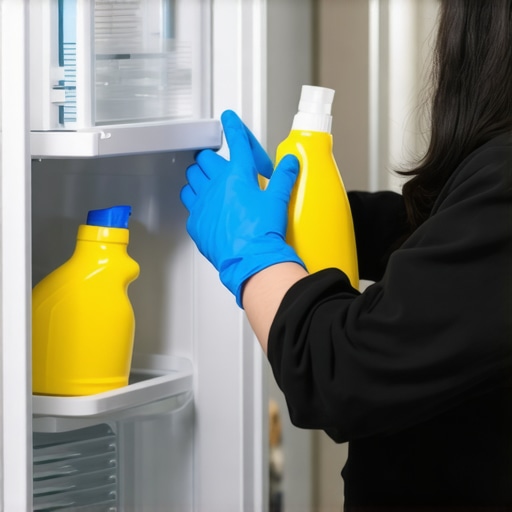
One afternoon, I opened my fridge after a sudden power outage, expecting my usual groceries. Instead, I was greeted by a foul, unmistakable odor that seemed to seep from every corner of my kitchen. My first instinct was to panic—what had gone wrong, and more importantly, how could I fix it without calling in a professional? That lightbulb moment hit me hard: I needed to learn how to properly sanitize my refrigerator after a power outage, and I needed to do it quickly.
Why Properly Sanitizing Your Refrigerator Is More Than Just Cleaning
When the power goes out, bacteria and mold start to multiply rapidly inside your fridge, especially if the door remains closed for hours or days. According to the Centers for Disease Control and Prevention (CDC), bacteria can double in number within 20 minutes in conditions like these, posing serious health risks if left unchecked. That’s why a simple wipe-down isn’t enough; thorough disinfection and deodorizing are essential to keep your family safe and your kitchen smelling fresh.
Have You Faced This Odor Crisis? You’re Not Alone
Early on, I made the mistake of just unplugging my refrigerator and giving it a quick scrub, thinking that’d solve the problem. But that was a mistake. Bacteria had already taken hold, and the foul smell persisted. It’s a common error many homeowners make—assuming that unplugging and superficial cleaning will cut it. Trust me, if you want your fridge to smell clean and be safe to use again, you need to follow a comprehensive sanitizing routine. I’ll guide you through the steps that worked for me, and I promise—they’re simpler than you think.
So, if you’ve ever wondered whether your fridge is truly clean after a blackout or if that lingering smell is normal, keep reading. We’re about to dive into a practical, proven method to banish odors and bacteria for good, restoring your fridge to its fresh state. Let’s get started with what you need and how to do it right.
Remove All Items and Unplug the Fridge
Start by emptying the refrigerator completely, discarding any perishable items that may have spoiled. Unplug the appliance to ensure safety during cleaning. Move the food to a cool cooler if you plan to use the fridge soon.
Sweep Out Loose Debris and Confirm Power
Use a vacuum or handheld brush to remove any loose dust, mold, or food particles from the interior. Open windows for ventilation. Plug the fridge back in only when you’re ready to begin deep cleaning.
Deep Clean with Baking Soda and Warm Water
Mix a solution of 1 tablespoon baking soda in a quart of warm water. Use a sponge or microfiber cloth to wipe down all interior surfaces—walls, shelves, door seals—removing slime and residue. Baking soda neutralizes odors and is safe for your appliance, making it ideal for this task.
Disinfect with Vinegar Solution
Prepare a solution of equal parts white vinegar and water. Wipe all surfaces again to kill bacteria and mold spores. Vinegar is a natural disinfectant that’s effective against common odor-causing microbes. For stubborn spots, let the vinegar sit for 5 minutes before wiping.
Address Mold and Stubborn Odors
If mold or bad smells persist, make a paste of baking soda and a few drops of water. Apply it directly to affected areas and leave for 15 minutes before scrubbing gently with a soft brush. Alternatively, consider using specialized sanitizing hacks for safe house transitions, as detailed in this guide.
Deodorize with Activated Charcoal or Baking Soda
Place an open container of activated charcoal or baking soda inside the fridge overnight to absorb lingering odors. These substances trap airborne molecules and help restore freshness naturally. For long-term freshness, replace them every month.
Clean the Drip Pan and Door Seals
Remove and clean the drip pan underneath the fridge with warm, soapy water. Wipe the door seals thoroughly with vinegar solution to prevent mold growth. Use an old toothbrush to reach into crevices, ensuring no hidden mold or dirt remains.
Restock and Maintain Cleanliness
Once cleaned, dry all surfaces with a clean towel and close the door. Restock your refrigerator with fresh, properly stored food. Regular maintenance—cleaning shelves monthly and checking seals—helps prevent future issues and keeps your fridge sanitary.
 Many homeowners believe that straightforward cleaning methods suffice for maintaining upholstery and ensuring a pristine living space. However, in my years of experience, I’ve discovered subtle pitfalls and common misconceptions that can undermine even the most diligent cleanings. For instance, a widespread myth is that using generic cleaning sprays is adequate for all fabric types, but in reality, applying the wrong product can damage delicate fibers—according to a study published in the Journal of Textile and Apparel Technology, using inappropriate cleaning agents can lead to fiber degradation over time. Additionally, a frequent mistake is overestimating the effectiveness of air purifiers alone, ignoring the importance of deep cleaning hidden dust traps like concealed vents and under-furniture spaces.
Understanding these nuanced issues can prevent costly mistakes and restore your home’s freshness more effectively. One advanced trick I recommend is incorporating enzymatic cleaners for pet stains—these break down organic matter and eliminate odors permanent surface sprays can’t address. While many assume that regular vacuuming removes all embedded dirt, deeper layers often settle into crevices or within the cushioning core, which necessitates specialized equipment or professional intervention. For a thorough approach, check out [professional upholstery cleaning tips](https://spotlesscarpetz.com/upholstery-cleaning-tips-for-a-fresh-home-revival) to learn more about effective methods.
A key point often overlooked is the importance of material-specific cleaning routines. For example, delicate silk fabrics require gentle blotting with mild solutions, whereas synthetic upholstery tolerates more robust cleaning strategies. Mistakes here can lead to discoloration or weakening of fibers. Furthermore, avoid the trap of neglecting the cleaning of hidden areas like behind the furniture or inside the ventilation grills, where dust and microbes can accumulate and compromise air quality—these are the kinds of details that reputable cleaners prioritize.
For those aiming to elevate their house maintenance game, understanding the science behind fabric care and sanitation practices is essential. Employing targeted methods not only enhances longevity but also promotes healthier indoor air. Curious about professional-grade secrets? Explore [effective house cleaning secrets](https://spotlesscarpetz.com/effective-house-cleaning-secrets-from-cleaning-experts) to master these nuances.
Have you ever fallen into this trap of oversimplified cleaning? Let me know in the comments, and share your experiences or questions about tackling those hidden grime spots that routinely slip the average homeowner’s mind.
Invest in Quality Equipment for Durable Results
When it comes to maintaining your home, especially upholstery and deep cleaning projects, using the right tools can make all the difference. I personally rely on a high-efficiency steam cleaner from Dupray. Not only does it eliminate bacteria without harsh chemicals, but its adjustable steam settings allow me to tackle different fabric types safely. My go-to model, the Dupray ONE Plus, heats up quickly and offers a continuous steam flow, giving me the confidence that every cleaning session is thorough and effective.
Essential Accessories That Elevate Your Cleaning Strategy
Surface-safe microfiber pads are essential because they trap dirt more effectively while being gentle on fabrics. I prefer the microfiber applicator pads designed specifically for upholstery, which I change out regularly to prevent re-depositing dirt. Additionally, a flexible upholstery nozzle attachment increases maneuverability, allowing me to reach tight corners and crevices that otherwise harbor dust and microbes.
Smart Software for Schedule and Track Maintenance
Beyond gadgets, I utilize a home organization app called Tody. This helps me establish a cleaning routine—setting reminders for upholstery, filters, and vents—to avoid long-term neglect. Consistent maintenance not only prolongs the lifespan of your fabrics and appliances but also ensures a healthier living environment. For effective long-term sanitation, I also schedule professional deep cleans periodically; check out this resource for guidance on optimizing move-out cleaning plans.
Predicting the Future of Home Maintenance Tools
Advances in AI and IoT are paving the way for smarter cleaning devices that can proactively detect dirt buildup or microbial hotspots, informing you precisely where to focus your efforts. Expect to see more integrated systems that can self-maintain, alert you when filters need changing, or automatically schedule cleaning sessions based on usage patterns. Embracing these innovations now ensures your home stays safe and spotless without the constant manual effort.
How do I keep my maintenance tools working effectively over time?
Regularly caring for your equipment—such as descaling steam cleaners, cleaning filters, and storing tools properly—significantly extends their lifespan. For example, following manufacturer guidelines for descaling your steam cleaner prevents mineral buildup that can diminish performance. I recommend checking privacy policies and maintenance tips of your equipment brands to stay updated on best practices. Try implementing a monthly maintenance check for your essential tools; it pays off by maintaining their efficiency and your home’s cleanliness for years to come.
Remember, investing in quality tools and maintaining them diligently isn’t just about ease—it directly impacts the effectiveness and safety of your cleaning routines. A well-maintained steam cleaning system, paired with specialized microfiber accessories, will save you time, money, and frustration. Don’t forget to incorporate regular upkeep into your routine, as it creates a virtuous cycle—your home becomes healthier, and your tools last longer, creating a cleaner, safer environment for everyone.
The Hardest Lesson I Learned About Upholstery and Sanitizing
Initially, I believed that a quick spray of disinfectant or a swift vacuuming was enough to keep my home fresh after a deep cleaning session. However, I soon found out that overlooking hidden dust traps and material-specific cleaning techniques could sabotage my efforts. The lightbulb moment arrived when I noticed persistent odors and microbe build-up in places I thought were already clean—like behind the shelves or inside ventilation grills—highlighting the importance of attention to detail and ongoing maintenance.
Three Myths About Move-Out Cleaning That Held Me Back
One common misconception was that surface cleaning was sufficient for end-of-lease requirements. But experienced professionals taught me that areas like window tracks, along baseboards, and beneath appliances often carry the most dirt and can jeopardize my deposit return. Trusting specialized tools and targeted routines, such as enzymatic cleaners for organic stains, made all the difference in achieving spotless results and securing my full deposit.
What Professionals Won’t Tell You About Home Disinfection
I discovered that relying solely on disinfectant sprays without understanding proper application and dwell times often renders the effort ineffective. Deep cleaning with tools like microfiber pads combined with natural disinfectants, such as vinegar solutions, provides a more thorough approach. Moreover, scheduled maintenance—like monthly checks of vents, seals, and hidden corners—prevents the buildup of bacteria and mold, saving me time, money, and stress in the long run.
My Essential Gear for Upholstery and Surface Sanitization
A high-quality steam cleaner from Dupray has become my go-to device—safe for delicate fabrics and powerful enough to eliminate bacteria naturally. I also swear by microfiber applicator pads for precision cleaning, along with a flexible upholstery nozzle that reaches tight spaces. These tools, paired with a home organization app like Tody, help me choreograph a routine that keeps my environment consistently sanitized and fresh.
Transform Your Routine and Embrace Smarter Cleaning
Investing in reliable equipment and understanding your material’s needs have turned my cleaning from a dreaded chore into a mindful process. As technology advances with IoT-enabled devices, I anticipate a future where our homes will communicate their sanitation needs proactively—reminding us to clean vents, replace filters, and treat hidden dust traps before problems escalate. Taking these lessons now means your home not only looks pristine but feels healthier too.
What’s Your Next Step in Upholstery and House Care?
Remember, the real upgrade comes from paying attention to the details, using the right tools, and maintaining consistency. Whether it’s deep cleaning your sofa or sanitizing hidden corners, each step builds toward a healthier, more inviting space. Have you ever faced a stubborn stain or a forgotten dust trap that challenged your cleaning routine? Share your stories or questions below, and let’s improve together!
–