
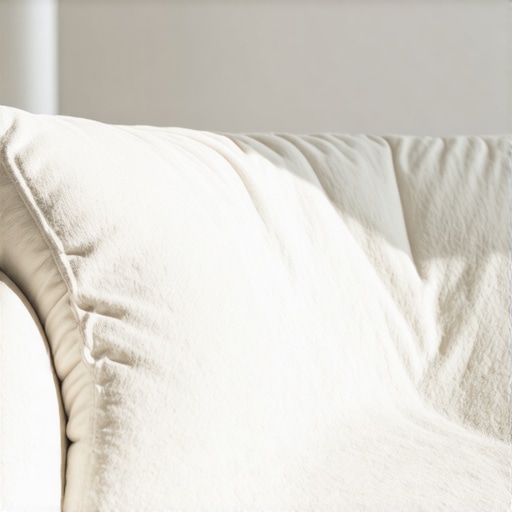
I vividly remember the moment I saw the streaks lingering on my microfiber couch after what was supposed to be a quick refresh. I had just finished cleaning what I thought was a simple job, expecting a spotless, plush surface. Instead, I ended up with a sofa that looked dirtier than before—full of unsightly streaks that made me want to hide away from my own living room. The frustration was real, and I realized I wasn’t alone in this messy mystery.
Dealing with streaky microfiber is a common nightmare for homeowners and renters alike. If you’ve ever felt that sinking disappointment after a cleaning session, you’re not alone. Today, I’m going to share the real reasons why this happens and more importantly, how you can put an end to streak marks once and for all. Trust me, with a few simple adjustments—no more streaks, no more wasted time.
How to Achieve a Flawless Microfiber Finish Every Time
Is Overzealous Cleaning Actually Worsening the Problem?
One mistake I made early on was using too much water or harsh cleaners. I thought more cleaning meant better results. Spoiler alert: it often backfires. Microfiber is designed to trap dirt and oils, but saturating it with excess moisture can lead to water rings and streaks. In fact, according to experts at Spotless Carpetz, the key to microfiber perfection is light cleaning with appropriate products. Trust me, less is more here. A gentle touch, combined with the right techniques, makes all the difference.
Prep Your Microfiber with Care
Start with a Clean Surface and Tools
Before the actual cleaning, take a microfiber cloth and give it a quick shake or rinse under cold water to remove loose debris. This prevents dirt from smearing across your fabric during wiping. I once skipped this step and ended up with smudged streaks that took twice as long to fix. Starting with a fresh cloth ensures a clean slate and better results.
Use the Right Cleaning Solution
Opt for Gentle, Microfiber-Friendly Products
Avoid harsh chemicals or excessive soap, which can leave residues causing streaks. A mixture of warm water and a few drops of mild dish soap or a specialized microfiber cleaner works wonders. I learned this tip after my initial failed attempts—once I switched to a gentle solution, streaks disappeared and my couch looked brand new.
Master the Wiping Technique
Employ Light, Consistent Strokes
Wipe in one direction using light pressure to allow the fibers to lift dirt without saturating the fabric. Imagine guiding your cloth like you are polishing a mirror—gentle, steady, and deliberate. During my last cleaning, I was tempted to scrub hard, which only worsened streaks. Learning to control my pressure made a huge difference.
Control Moisture Levels
Prevent Over-Wetting to Avoid Water Stains
Microfiber is designed to pick up dirt and oils, not to be soaked. Wring out your cloth thoroughly so it’s damp, not dripping. This prevents water rings and streaks that can appear if the fabric becomes too wet. Once, I used a soaking wet cloth, and the result was a shiny, streaky mess that took days to dry. Keep it just damp for best results.
Rinse and Wipe Again for a Flawless Finish
Follow with a Clear Water Wipe
After your initial pass, rinse your cloth in clean water, wring it out, and wipe again to remove any remaining soap or dirt residues. This second wipe ensures no soap films that cause streaking remain. I found this step makes my microfiber look vibrant and streak-free in fewer passes.
Allow Proper Drying Time
Let the Surface Air Dry or Use a Soft Towel
Finally, give the surface adequate time to dry naturally or gently pat it with a dry microfiber cloth. Avoid drying with heat or rough towels, which can induce streaks or damage fibers. During my last project, I ran a fan nearby, which speeded up drying and prevented marks from forming.
By applying these targeted techniques, you can eliminate streaks and keep your microfiber furniture looking pristine. Remember, patience and gentle handling are your best allies—skimping on either can undo your hard work.
Need professional assistance or want to ensure your entire home stays spotless? Contact our experts for tailored cleaning solutions or to learn more about maintaining a germ-free environment. Regularly reviewing your cleaning strategies, like the daily routine, helps sustain the freshness and appearance of your surfaces.
Many homeowners operate under assumptions about cleaning that can undermine their efforts. For instance, the widespread belief that scrubbing harder yields a cleaner surface is a myth; in reality, aggressive scrubbing can damage fabrics and spread dirt further. Instead, gentle, deliberate motions often produce better results, especially with delicate upholstery or detailed surfaces. Another prevalent misconception is that using antibacterial cleaners is always necessary to prevent germs. According to cleaning experts, proper cleaning with soap and water suffices in most cases, and overuse of disinfectants can lead to residues that attract more grime over time.
A common trap many fall into involves neglecting hidden areas during move-out cleaning, such as behind appliances or inside vents. These spots often harbor bacteria and allergens, which can be overlooked due to a false sense of cleanliness. To avoid this, leverage comprehensive checklists like the move-out cleaning guide, ensuring no critical area is skipped.
For those interested in higher-level cleaning, understanding the nuances of upholstery care can significantly extend furniture lifespan. Many assume that regular vacuuming is enough, but deep cleaning at intervals using proper techniques and solutions—such as specific upholstery-safe detergents—can prevent dirt buildup and fabric deterioration. You can find detailed guidance in the upholstery care guide.
Have you ever fallen into this trap? Let me know in the comments. Recognizing these myths and avoiding advanced mistakes can dramatically improve your cleaning efficacy, save time, and extend the life of your furnishings. Remember, cleaning is not just about appearance but also about creating a healthy environment. For long-term benefits, consider adopting a regular routine like the daily cleaning routine tailored to your space. By staying informed and conscious of these nuances, you elevate your home maintenance from basic chores to expert-level care.
Invest in the Right Equipment for Lasting Results
Having the proper tools can make or break your cleaning efforts. I personally swear by a high-quality microfiber mop with an ergonomic handle, like the O-Cedar Microfiber Flip Mop, because it provides excellent reach and absorbs dirt efficiently without damaging delicate surfaces. Using a microfiber mop reduces the need for excessive cleaning agents and minimizes streaks, especially on polished floors. Additionally, a handheld steam cleaner, such as the McCulloch MC1275, allows me to sanitize surfaces without harsh chemicals—perfect for kitchens and bathrooms. The steam’s high temperature kills germs and removes grime quickly, saving time and effort.
Leverage Software to Keep Track of Maintenance
Beyond physical equipment, digital tools can help maintain your home’s cleanliness routines. I recommend using task management apps like Todoist or Notion, where I set recurring reminders for deep cleans and equipment checks. For example, scheduling monthly upholstery treatments ensures your furniture remains fresh and stain-free. Automated reminders prevent neglected chores and keep your home in top shape over the long run. Integrating these tools into your routine makes consistent maintenance manageable, even during busy weeks.
Prioritize Long-Term Strategy Over Quick Fixes
Consistency is key for sustained cleanliness. Instead of relying on sporadic deep cleans, develop a routine using the daily house cleaning routine that targets high-touch areas and regularly scheduled refreshes. This habit diminishes the buildup of dirt and germs, reducing the need for intensive scrubbing later. Additionally, investing in quality cleaning solutions, such as microfiber-specific detergents, can extend the lifespan of your fabrics and surfaces.
What’s Next in House Care Technology?
The trend in home cleaning is leaning toward automation and smart devices. Automated vacuum cleaners like the iRobot Roomba i7+ take the guesswork out of daily tidying, and smart sanitizing devices, such as UV sterilizers, are becoming more affordable. I predict a future where homes are equipped with interconnected systems that monitor cleanliness levels in real-time, alerting you when certain areas need attention. Staying ahead means integrating these innovations into your routine now.
How do I maintain my tools for long-term use?
To keep your cleaning tools functioning optimally over time, always follow manufacturer cleaning instructions. For instance, microfiber cloths should be washed in warm water without fabric softeners to preserve their fibers’ absorbency. Regularly inspecting your equipment for wear and tear ensures you catch issues early—replacing worn brushes or worn-out mop heads prevents dirt from becoming embedded or spreading during cleaning. According to cleaning experts, well-maintained tools are essential to achieving truly spotless results and avoiding the need for re-cleaning.
Don’t forget, mastering your cleaning setup starts with choosing the right equipment. I encourage you to try out a microfiber steam mop this month—once I made the switch, I noticed a significant decrease in stubborn stains and streaks. Embrace these tools and techniques, and you’ll notice your cleaning efforts becoming more effective and less time-consuming. For personalized advice or tips on selecting the best gear, reach out to our team.
What the Toughest Lesson About Microfiber Taught Me
- I used to think more water meant a cleaner surface, but over-wetting microfiber leads to streaks and longer drying times. I realized that less is often more—damp cloths with gentle pressure give the best results.
- Skimping on prep, like skipping the initial shake or rinse of my cloth, caused smudges instead of shine. Pre-cleaning the tool itself is crucial for a pristine finish.
- My misconception that harsh chemicals would clean faster actually prolonged the process and damaged the fibers. Gentle, microfiber-friendly solutions make a world of difference.
- Trying to scrub stubborn stains without proper technique only spread dirt and created new streaks. Learning to wipe with light, deliberate strokes transformed my results.
- Neglecting proper tool maintenance, like washing microfiber cloths without fabric softener and inspecting for wear, reduced their effectiveness. Regular care extends their lifespan and cleaning power.
My Go-To Resources That Elevated My Cleaning Game
- Effective Cleaning Secrets from Experts: This guide dispelled common myths and provided actionable tips that changed how I approached microfiber care.
- Daily Cleaning Routine: Implementing a simple, consistent routine kept my surfaces looking fresh and prevented stubborn streaks.
- Upholstery Care Guide: Deepened my understanding of fabric-specific cleaning techniques and tools for longevity and beauty.
- Move-Out Cleaning Checklist: It helped me ensure no detail was overlooked during critical cleaning moments, reducing stress and saving deposits.
Embrace Change and Make Your Home Shine
Taking control of microfiber cleaning taught me that the key to a flawless finish is patience, gentle handling, and continuous learning. The most satisfying part of this journey is seeing my home transform into a healthier, more inviting space, thanks to small yet powerful adjustments. Don’t hesitate to start experimenting with different techniques and tools—your home deserves it. Remember, mastering these tips isn’t just about appearances but about creating a cleaner, safer environment for everyone. So, are you ready to ditch the streaks and elevate your microfiber game? Share your experiences or questions below, and let’s grow together in this cleaning adventure! Connect with our team for personalized advice.