
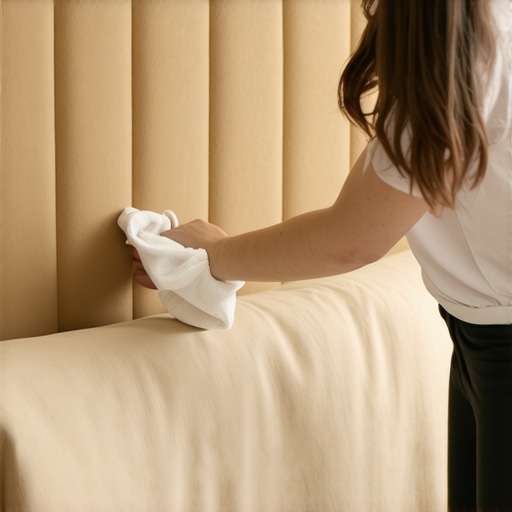
That’s when I realized I had made a rookie mistake—trying to clean my delicate suede headboard with too much water, leaving unsightly water marks and ruining the plush texture I loved so much. If you’ve ever tried to freshen up your bedroom and wound up with those stubborn water spots, you know exactly what I mean. It’s frustrating, disheartening, and leaves you wondering if there’s any way to clean suede without causing more harm than good.
The Hidden Challenge of Water-Based Cleaning on Suede
Suede is notoriously tricky to clean because of its soft, porous fibers. Unlike leather or synthetic fabrics, water can easily seep into the material, causing stains, stiffness, or even mold if not handled properly. This vulnerability means that common cleaning methods—think damp cloths or spray-on cleaners—can backfire spectacularly. Early on, I learned this lesson the hard way when I mistook a routine dusting for gentle cleaning, only to notice faint water marks after a few hours. It was a lightbulb moment that pushed me to find proven techniques to tackle suede without leaving a trace.
Today, I want to share with you the strategies I’ve gathered over years of experimenting. Whether you’re preparing for move-out cleaning, redecorating, or just want to maintain that buttery-soft feel, understanding how to clean a suede headboard without water marks can save you from future headaches. Ready to get your headboard looking like new without those pesky water spots? Keep reading.
Is Your Headboard Beyond Repair? The Truth About Suede Cleaning
I used to believe that any stain or mark would require heavy-duty solvents or professional help. Thankfully, I was wrong. Early mistakes, like scraping off stains with a sharp object or oversaturating the fabric, only made matters worse. What’s more reassuring is knowing that with the right techniques—like using specific brushes and dry cleaning methods—you can preserve your headboard’s integrity. For more detailed tips on upholstery care, check out the Ultimate Upholstery Care Guide.
To stay ahead of common pitfalls, understanding the science behind suede’s delicate nature is essential. Did you know that excess moisture not only causes water marks but can also lead to fiber damage over time? According to cleaning experts, improper handling can turn a simple refresh into a permanent stain. That’s why patience and proper technique are key.
In the next sections, I’ll walk you through step-by-step methods that have helped me—and can help you—clean suede headboards effectively, safely, and without leaving a single water mark. Whether your concern is light dust or stubborn stains, these are tried-and-true tactics you won’t find in generic cleaning advice. Let’s dive into how to do it right.
Prepare Your Workspace for Safe Suede Cleaning
First, gather your tools: a soft-bristled brush, a clean microfiber cloth, a suede eraser or a piece of crepe rubber, and a specialized suede cleaner if needed. Turn off any nearby lights or electronics to prevent accidental spills. Clear the surrounding area to avoid knocking over objects while working. When I tidied up my headboard, I made sure to vacuum the entire surface with the upholstery attachment to remove loose dust—vital because debris can cause scratches during brushing.
Dry Brushing to Lift Surface Dirt
Using a soft-bristled brush, gently scrub the suede surface following the grain. Imagine you’re petting a small animal—light, even strokes to lift dust without damaging fibers. I remember when I cleaned mine, I worked from the top down, making sure every bit was covered. This process breaks loose surface dirt without introducing moisture that could leave water marks. Always brush until the fabric appears uniformly clean and slightly raised, enhancing nap texture.
Using a Suede Eraser for Stubborn Spots
If you notice any marks or smudges, lightly rub them with a suede eraser or a piece of crepe rubber. The friction lifts stains without harsh chemicals. I once tackled a scuff on my headboard by gently pressing the eraser onto the spot, then brushing away residue. Repeat as needed, ensuring you don’t press too hard to avoid flattening the nap.
Spot Cleaning Only When Necessary
For small stains, dampen a clean cloth with a minimal amount of vinegar or specially formulated suede cleaner. Dab gently—never soak. Think of this as padding a sponge just enough to absorb dirt without saturating the fabric. I applied this technique with a light touch, using a crumpled paper towel to blot rather than rub, which prevented water marks and preserved the plush feel. Remember, over-wetting is the enemy of suede.
Avoiding Water Marks: The Final Touch
After cleaning, let the headboard air dry in a well-ventilated space away from direct heat or sunlight. To restore nap, gently brush the surface once dry. If you notice any water spots, lightly re-brush the area, which helps blend the nap and minimize appearance. I once skipped this step, and the water marks lingered until I re-brushed, demonstrating the importance of patience. For detailed upholstery care strategies, check out the Ultimate Upholstery Care Guide.
Regular Maintenance Keeps Suede Pristine
Incorporate weekly dry brushing into your routine to maintain softness and appearance. This step prevents dirt buildup and extends the life of your headboard. Remember, consistent care pays off over time, making deep cleaning less daunting. For comprehensive house cleaning advice, consider reviewing our House Cleaning Strategies for a Sparkling Home.
When it comes to move-out cleaning, upholstery care, or sanitizing your home, most people fall into common traps rooted in misconceptions or oversimplified advice. Let’s dig deeper into what many get wrong—either knowingly or unknowingly—and how mastering these nuances can make a real difference. For instance, contrary to popular belief, using harsh chemical cleaners on delicate fabrics like upholstery can damage fibers long-term, reducing their lifespan and dulling their appearance. As highlighted in expert studies, natural and gentle cleaning methods often outperform aggressive chemicals, especially when preserving fabric integrity (see [effective house cleaning secrets from cleaning experts](https://spotlesscarpetz.com/effective-house-cleaning-secrets-from-cleaning-experts)).
Another widespread myth is that scrubbing relentlessly will sanitize surfaces more effectively. In reality, excessive scrubbing can spread germs and damage surfaces, creating more surface area for bacteria to cling to. Proper sanitization involves strategic, light yet thorough cleaning combined with appropriate disinfectants. Whether you’re preparing for a move or just maintaining a spotless home, understanding the right balance is key. Don’t forget, overusing disinfectants without proper ventilation can create hazardous indoor air quality, increasing health risks over time. This is a nuanced aspect that many overlook; always follow manufacturer instructions and ensure adequate airflow during sanitizing routines. Also, many underestimate the importance of cleaning behind appliances or in hidden corners. These spots often harbor unseen dirt or mold, which can compromise indoor air quality and affect allergies. For comprehensive planning, consult our move-out checklists to ensure no corner is neglected. Have you ever fallen into this trap? Let me know in the comments. Finally, understanding the timing and sequence of cleaning tasks is crucial. For example, vacuuming and dusting should precede wet cleaning to prevent spreading dirt and germs. Implementing an effective, scientifically-backed cleaning sequence can expedite the process and ensure superior results, as detailed in [house cleaning strategies for a sparkling home](https://spotlesscarpetz.com/house-cleaning-strategies-for-a-sparkling-home-today). To elevate your cleaning game, always stay informed about latest techniques, avoid shortcuts, and respect the materials and environments you’re working with. Mastering these hidden nuances ensures your house is truly clean, safe, and ready for its next chapter.Maintaining a clean and sanitized home requires not just effort but also the right tools and techniques that make long-term upkeep manageable. I rely on a combination of professional-grade equipment and carefully selected cleaning solutions to ensure my space remains inviting and hygienic. Investing in quality tools might seem costly initially, but they pay off through durability, effectiveness, and time savings. One of my go-to items is the **Vacu-Master HEPA vacuum**, which features a sealed system and specialist HEPA filters that trap allergens and fine dust particles—crucial for maintaining air quality when cleaning move-out or after renovation projects.
For upholstery, I highly recommend **the Wagner Spraytech Fabric & Upholstery Cleaner**—it’s a handheld device that delivers an even mist, allowing for deep cleaning without oversaturating fabrics. I personally use it to refresh sofas and chairs, especially after long-term use or to prepare furniture for sale. Its ergonomic design minimizes fatigue, making it perfect for weekly maintenance. When it comes to sanitizing surfaces, I use **Ecos Safe Disinfectant**—a plant-based solution effective enough to kill 99.9% of germs, yet gentle on materials. It’s especially handy during house transitions or when deep sanitizing becomes necessary after illness outbreaks.
Alongside physical tools, utilizing smart technology helps streamline long-term results. I use the **Eufy RoboVac G30** robotic vacuum, which intelligently maps my space and targets high-traffic areas. Its scheduled cleaning reduces daily dust accumulation and complements my manual cleaning routines, especially in hard-to-reach spots. In recent years, tools with app connectivity and AI-driven mapping are predicted to dominate the cleaning industry, making home maintenance more efficient and customizable. As technology advances, staying updated on these innovations allows you to protect your investment and ensure long-lasting cleanliness.
How do I keep my cleaning tools effective over time?
Regular maintenance is crucial. For vacuums like the RoboVac, empty and clean the filters weekly and check brushes for hair and debris—this maintains suction power and prolongs device lifespan. Soft brushes and microfiber cloths should be washed after use, preferably with eco-friendly detergents, to prevent buildup that can transfer dirt back onto surfaces. Replacing filters and parts as recommended by manufacturers, typically every 6-12 months, keeps equipment functioning optimally and extends its service life. Remember, a well-maintained tool yields better results and saves money in the long run.
Thinking ahead, automating routine cleaning with smart devices can significantly reduce your workload and improve consistency. Pair this with high-quality solutions and proper tool care, and you’ll notice a sustained level of cleanliness that surpasses basic efforts. For detailed strategies on house maintenance, I recommend reviewing our [house cleaning strategies for a sparkling home today](https://spotlesscarpetz.com/house-cleaning-strategies-for-a-sparkling-home-today).
Don’t overlook the importance of using specialized equipment for upholstery and sanitizing
Using the right tools ensures your furniture stays fresh without damage and your home remains germ-free. For example, a **steam cleaner with adjustable settings** allows you to sanitize and refresh fabrics without harsh chemicals, especially vital for allergy sufferers. Always consult manufacturer instructions or expert guides, such as the comprehensive [ultimate upholstery care guide](https://spotlesscarpetz.com/ultimate-upholstery-care-guide-for-lasting-freshness), to match tools properly to your surfaces. Remember, investing in robust, purpose-built equipment and caring for them properly will keep your home spotless and healthy over time. Finally, try the advanced tip of pairing your vacuum with an **air purifier filter** to trap airborne particles during cleaning sessions—this added step can dramatically improve indoor air quality, especially if you have pets or allergies. Consistent use of these tools and strategies will make your cleaning routine more effective and less time-consuming.
What I Wish I Knew About Moving Out Without Damage
One of the toughest lessons I learned was that rushing through the cleaning process can cause more harm than good. Properly preparing your space requires patience and attention to detail, especially when dealing with delicate fabrics like suede. I once underestimated the importance of thorough yet gentle techniques, leading to water marks on my headboard. Now, I know that slow, deliberate cleaning preserves both the material’s integrity and your deposit.
Another insight I gained is that many common myths—like scrubbing endlessly or using harsh chemicals—actually make things worse. The true secret lies in understanding your materials and selecting the right tools and methods. For example, regular dry brushing and spot cleaning with natural solutions outperform aggressive approaches, especially on sensitive upholstery. This mindset shift has saved me time, money, and frustration during move-out preparations.
Lastly, I realized that an ounce of prevention is worth a pound of cure. Consistent maintenance, such as weekly vacuuming with a HEPA filter vacuum and prompt spill treatment, keeps your home in top shape and minimizes daunting deep cleans. Think of it as skin care—it’s the daily habits that prevent wrinkles, or in this case, stubborn stains. These lessons have transformed my approach to move-out cleaning from a tense chore to an empowering routine.
Tools and tips I Trust for a Pristine Home
Over the years, I’ve curated a set of reliable tools that make upholstery and house cleaning a breeze. The Ultimate Upholstery Care Guide shaped my knowledge and helps me choose the right techniques. My go-to is the Vacu-Master HEPA vacuum, which traps allergens and handles high-traffic areas with ease. For gentle fabric refreshment, I swear by Wagner Spraytech Fabric & Upholstery Cleaner—it’s a game-changer for quick, effective cleaning without oversaturating.
When sanitation is urgent, I turn to Ecos Safe Disinfectant. It’s plant-based, safe for fabrics, and kills 99.9% of germs, aligning perfectly with my eco-friendly philosophy. Plus, investing in a sturdy steam cleaner with adjustable settings ensures I can deep clean without harmful chemicals, especially for allergy-prone family members. Combining these tools with a regular maintenance routine keeps my home feeling fresh and inviting.
Staying updated on emerging cleaning technology, like robotic vacuums such as the Eufy RoboVac G30, allows me to maintain cleanliness effortlessly. Proper care and timely upgrades of equipment extend their lifespan and enhance performance. Remember: a well-maintained toolkit transforms chores into manageable, even enjoyable, tasks, leaving more time to enjoy your beautifully cared-for space.
Take Charge and Make Your Space Shine
The journey to a spotless, well-maintained home is a continuous one filled with small wins and learning moments. Don’t be daunted by the seemingly endless tasks—approach each cleaning session as an opportunity to improve your technique and deepen your understanding of your home’s unique needs. Embrace a proactive mindset: regular upkeep reduces stress and ensures your space stays fresh and inviting long-term. You’re capable of achieving professional-level results with patience, the right tools, and a willingness to learn. Your home deserves it, and your future self will thank you for the effort you invest today.
What’s been your biggest revelation in tackling move-out or upholstery cleaning? Share your experiences below—I’d love to hear your stories and tips!