
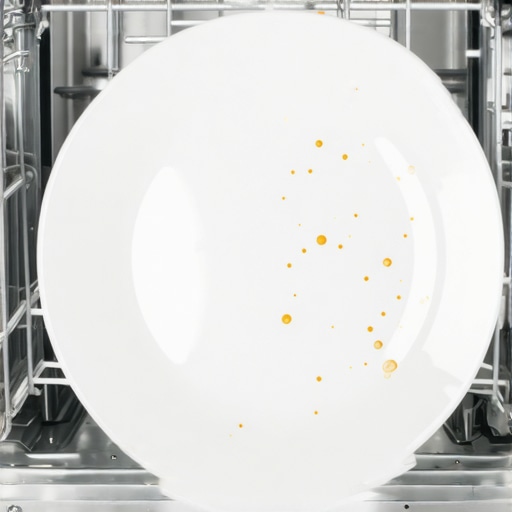
I’ll never forget the night I hosted a small dinner party and pulled what I thought were clean wine glasses from the rack, only to find them speckled with what looked like fine sand. It was actually petrified broccoli bits from three nights prior. I was mortified. It’s that specific kind of frustration—you spend the money on the ‘good’ pods, you wait two hours for the cycle to finish, and you still end up with dishes that look like they’ve been rolled in a spice cabinet. For the longest time, I thought my machine was just dying. I was convinced I needed a new one. But before you call the appliance guy or start looking at sales flyers, let me tell you: it’s probably not the motor. It is usually something much simpler, and honestly, a bit grosser. We are going to get your dishes back to that squeaky-clean state today without you having to scrub them all by hand first.
Stop Blaming the Machine and Look at the Filter
[image] In my early days of home maintenance, I made a classic blunder: I thought more soap meant cleaner dishes. I was so wrong. In fact, using too much detergent can actually create a filmy slurry that prevents food particles from washing away. It’s a similar mistake to when people wonder why your carpet is still dirty after you shampooed it; usually, it’s about the residue left behind. I spent months frustrated, re-washing plates, and even contemplating buying a whole new unit before I realized that the secret wasn’t in the soap—it was in the maintenance. Much like why you must clean the filter in your washing machine, your dishwasher has a hidden trap that is likely choking on old grease and bone fragments. If that filter is clogged, the water circulating through the machine is essentially a ‘food soup’ being sprayed right back onto your plates.
Is My Dishwasher Actually Broken or Just Gross?
It is the question we all ask when the grit won’t go away. You might be skeptical that a simple cleaning can fix such a persistent problem. However, according to the Association of Home Appliance Manufacturers (AHAM), many modern dishwashers use turbidity sensors to detect how dirty the water is; if your filter is blocked or your spray arms are clogged, those sensors get confused and the cycle fails to properly purge the waste. I learned this the hard way after pulling out a plate that still had a stubborn sticker from a new jar on it—reminding me that I needed to learn the only way to clean sticky residue from new appliances before even putting them in the wash. If you’ve been dealing with that annoying grit on your glassware, you should also look into the reason your dishwasher still leaves spots on your glasses, as these issues often stem from the same root cause: poor circulation. Have you ever found yourself standing at the sink, re-scrubbing a ‘clean’ load of dishes while questioning your life choices? I want to know if I’m the only one who has faced the ‘sand-paper plate’ dilemma! Let’s dive into exactly how to clear those lines and get that sparkling finish back.To fix that gritty texture on your plates, you have to get your hands dirty. Reach into the very bottom of the tub and find the cylindrical filter. Most modern units have a twist-lock mechanism that pops right out. I remember the first time I did this; I expected a little lint, but what I found was a gray, gelatinous mass of old fats and soap residue that smelled remarkably like a wet dog. It was a wake-up call for my cleaning habits. If you are working through a move-out clean checklist to simplify your transition, this is the one step you cannot skip if you want to ensure the next tenant doesn’t inherit your kitchen’s ‘ghost of dinners past.’ Use an old toothbrush and hot, soapy water to clear every pore of that mesh. If the grease feels like it is fused to the plastic, the dish soap trick for removing greasy buildup on kitchen cabinets works wonders here too. 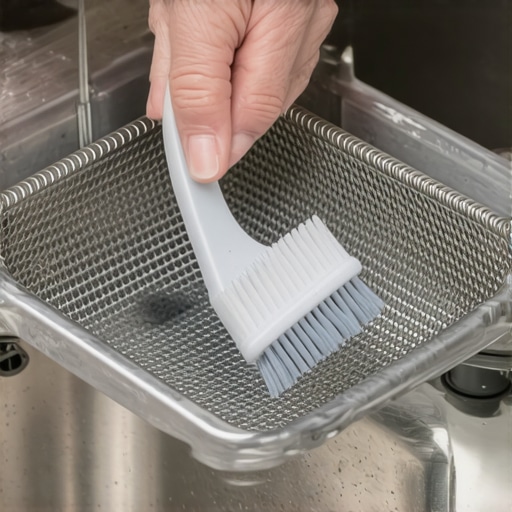
Poke the Pinhole Jets for Better Pressure
Next, focus on the spray arms. These are the ‘engines’ of your machine. Over time, tiny seeds, bone fragments, and calcium deposits lodge themselves in the small holes where the water is supposed to blast out. If these are blocked, the water just dribbles, leaving food to dry onto your dishes. I once spent twenty minutes with a toothpick and a pair of tweezers clearing out every single jet on the bottom arm, and the resulting water pressure was like going from a garden hose to a fire hydrant. This attention to detail is a cornerstone of effective house cleaning strategies for a sparkling home today. If the arms are removable, take them to the sink and shake them—you might be surprised by the ‘rattle’ of trapped debris inside.
Sanitize the Gaskets and Seal the Deal
While the filter is drying, look at the black rubber seal around the door. This gasket is a prime breeding ground for mold and yeast because it stays damp even after the drying cycle. This is a key part of sanitizing hacks for safe house transitions. Wipe it down with a damp cloth and a mild disinfectant. If you have just moved into a new place and the dishwasher smells slightly off, follow the move-in guide for disinfecting second-hand appliances to purge any lingering bacteria. Much like how you would follow the ultimate upholstery care guide for lasting freshness on a couch, your dishwasher requires a deep chemical reset. Run a heavy-duty cycle with a bowl of white vinegar on the top rack to dissolve mineral scale. If you notice a similar chalky buildup in your bathroom, learning how to get rid of soap scum without harsh scrubbing will help you apply those same chemical principles throughout the rest of your home.Now, I know the ‘Internet Wisdom’ tells you to douse everything in white vinegar and call it a day. But here is where we need to get real: vinegar is a weak acid, and it is not a magic wand. In fact, many people think it’s the ultimate natural cleaner, but why vinegar is not always the best choice for granite countertops is a lesson learned in etched stone and lost shine. In my experience, relying solely on DIY solutions for heavy-duty jobs is the fastest way to leave behind a biofilm—a microscopic layer of bacteria that protects itself under a shield of slime. While vinegar is great for hard water spots in a dishwasher, a study published in the Journal of Applied Microbiology confirms that acetic acid is significantly less effective at killing common household pathogens compared to EPA-registered disinfectants. If you are banking on vinegar for effective sanitizing methods for a germ-free home, you might be leaving your family exposed.
The Heat Trap and the Steam Cleaning Myth
Another common mistake is the ‘more heat is better’ philosophy. I’ve seen homeowners try to blast their furniture with high-pressure steam, thinking they are doing a deep-clean favor for their living room. However, you need to understand why you should never use a steam cleaner on these specific upholstery fabrics, particularly silks or certain synthetic blends. High heat can set protein-based stains (like blood or milk) permanently into the fibers, and it can also melt the glue holding your sofa’s frame together. It’s a classic ‘oops’ factor that turns a $100 cleaning job into a $2,000 replacement bill. Instead, follow the ultimate upholstery care guide for lasting freshness which prioritizes fiber identification before moisture application. Have you ever accidentally ruined a piece of furniture by being ‘too thorough’? I’d love to hear your stories in the comments so we can all learn from those heart-stopping moments. 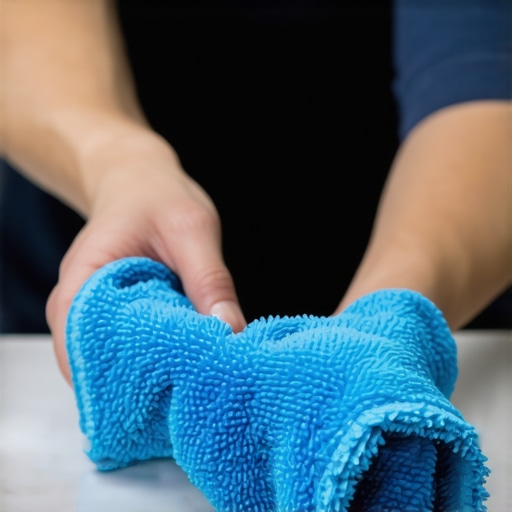
Does More Scrubbing Actually Yield a Better Move-Out Result?
When the pressure is on to get a deposit back, the instinct is to scrub harder. This is usually a mistake. Professional-grade effective house cleaning secrets from cleaning experts revolve around dwell time, not elbow grease. If you apply a cleaner and immediately wipe it off, you haven’t given the chemistry time to break down the molecular bonds of the grime. This is especially true when following a move-out clean checklist to simplify your transition; if you don’t let the degreaser sit on the oven or the bathtub, you’ll end up scratching the finish with abrasive pads. To truly win, you need move-out cleaning hacks to ensure your deposit refund that focus on chemical efficiency. I’ve spent years refining these house cleaning strategies for a sparkling home today, and the biggest nuance is knowing when to step back and let the product do the work. It’s about working smarter, not harder, to achieve that professional-level finish.I’ve spent a small fortune on gadgets that promised to revolutionize my chores, only to find that most of them ended up in the back of the pantry gathering dust. If you want to see real results, you need to invest in high-GSM (grams per square meter) microfiber cloths. Unlike the thin, polyester-heavy packs from the dollar store, a 400+ GSM cloth has a dense weave that actually lifts and traps microscopic bacteria rather than just pushing it around a surface. I use these religiously as part of my daily house cleaning routine to maintain perfection. When I’m tackling those stubborn dishwasher gaskets or the intricate nooks of a range hood, I swear by a stiff-bristled detailing brush—specifically one with a contoured handle for better leverage. It’s the only way to physically break the surface tension of ‘biofilm’ that weak acids like vinegar simply can’t touch. This level of detail is what separates a surface wipe from a true restoration. 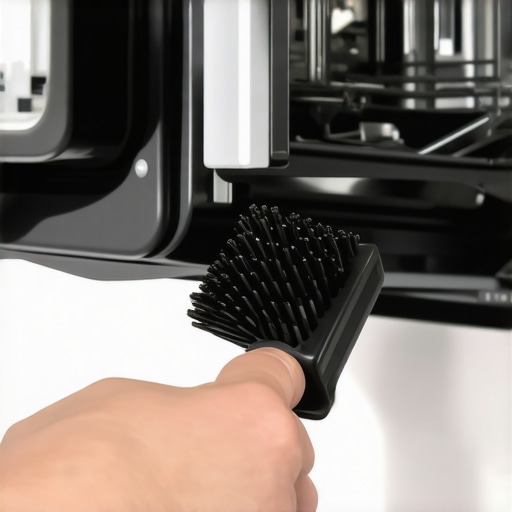
How do I maintain my home’s peak cleanliness over time?
The secret isn’t a 12-hour cleaning marathon once a month; it’s the ‘five-minute reset.’ According to the IICRC S100 Standard for Professional Cleaning of Textile Floor Coverings, consistent soil removal is significantly more effective at preserving material integrity than corrective deep cleaning after damage has occurred. This principle applies to everything from your carpets to your kitchen appliances. To keep your living room looking sharp, following the ultimate upholstery care guide for lasting freshness ensures that body oils and dust don’t bond to the fabric permanently. Looking ahead, I predict we will soon see ‘smart’ appliances equipped with integrated optical turbidity sensors that can detect specific bacterial counts in real-time, effectively telling you exactly when it’s time to purge the system before it smells. For now, we rely on sanitizing secrets for a safer house in 2025 to bridge the gap between human effort and high-tech hygiene. If you are preparing for a move, don’t leave your finances to chance. Utilize move-out cleaning hacks to ensure your deposit refund and lean into the tools that actually work. I highly recommend trying the ‘dry-brushing’ technique on your upholstery or carpet edges before any moisture touches them—you will be shocked at how much dry grit you can remove without a single drop of water. This is one of those effective house cleaning secrets from cleaning experts that truly changes the game for long-term home health. If you find yourself overwhelmed by the build-up or if you’re aiming for a perfect security deposit back every time, don’t hesitate to reach out. You can contact us for a professional deep clean that sets the baseline for your new maintenance schedule.
Lessons My Sink Taught Me About Deep Cleaning
The biggest epiphany I ever had wasn’t about a specific product; it was realizing that ‘clean’ is a state of maintenance, not a one-time event. When I finally stopped ignoring that gritty dishwasher filter, it changed how I viewed every other task in my home. I realized that house cleaning strategies for a sparkling home today are more about removing the hidden debris before it has a chance to bond to your surfaces. Most people struggle because they skip the prep work—like failing to dry-brush a carpet before wetting it. I’ve learned that effective house cleaning secrets from cleaning experts always prioritize the mechanics of physical soil removal over the scent of the spray.
The Tools That Actually Make a Difference
If you’re tired of wasting money on gadgets that don’t deliver, stick to the simple basics that professionals use. I recommend upgrading to high-GSM microfiber cloths immediately; they are the gold standard for effective sanitizing methods for a germ-free home because their structure physically lifts bacteria. For the heavy lifting in the kitchen, a simple set of stiff-bristled detailing brushes will get into those dishwasher gaskets and window tracks where a sponge simply can’t reach. I also suggest keeping the ultimate upholstery care guide for lasting freshness bookmarked on your phone so you never panic when a spill happens. These few items, combined with sanitizing secrets for a safer house in 2025, will serve you better than any expensive steam mop ever could.
Your Path to a Truly Squeaky-Clean Home
You don’t need to be a professional to get professional-grade results. Whether you are following a move-out clean checklist to simplify your transition or just trying to get your morning coffee mug to come out of the wash without spots, the key is consistency. Don’t let the grime build up until it becomes a weekend-ruining project. By mastering these house cleaning habits now, you’ll save yourself thousands in appliance repairs and furniture replacements over the years. If the task ever feels too big or you’re aiming for the secret to getting your full security deposit back every time, remember that you can always contact us for a deep-clean reset. Have you ever found a ‘surprise’ in your dishwasher filter that made you want to swear off cooking forever? Share your cleaning horror stories in the comments!