
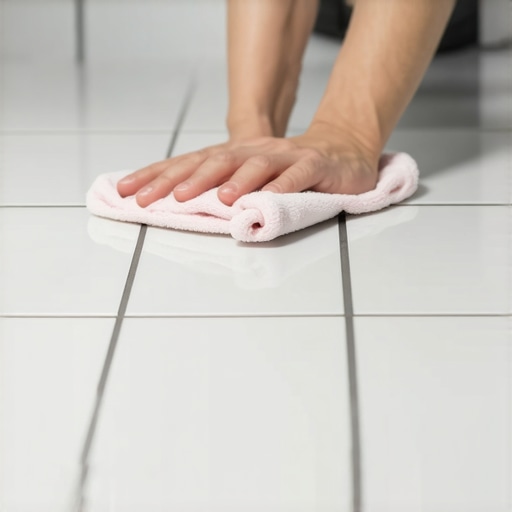
Ever found yourself hunched over the bathroom tiles, cursing that stubborn grime, because your trusty abrasive sponge just isn’t cutting it? I’ve been there. I remember one Sunday morning, scrubbing away with all my might, only to realize I’d turned my once-bright grout lines into dull, chipped scars. That lightbulb moment hit me hard: I’d been damaging my own floors by using the wrong tools.
The Hidden Damage of Scrubbing Too Hard
My initial approach was simple—grab the roughest scrubber I could find, apply pressure, and hope for the best. Turns out, that’s a common mistake many of us make without realizing its consequences. Not only does it wear down the grout, but it can also leave scratches that gather dirt faster and make your bathroom look worse over time. Plus, did you know that abrasive cleaners can weaken the sealant on your grout, allowing stains to penetrate deeper and become even harder to remove? According to cleaning experts, gentle and effective cleaning methods are not just a myth—rather, they are the secret to long-lasting, beautiful grout.
If you’re tired of wasting time and risking damage on your bathroom tiles, don’t worry. Today, I’ll share the real reason why ditching those rugged sponges can transform your cleaning routine for the better. Ready to say goodbye to needless damage and hello to gleaming grout? Let’s dive in.
Is It Really Worth Giving Up That Scratchy Sponge?
Like many, I used to believe that aggressive scrubbing was the only way. Early on, I thought more elbow grease meant cleaner grout. My mistake was ignoring the fact that gentle, consistent techniques not only protect your tiles but also make cleaning easier in the long run. Would you believe that switching to softer brushes and better methods can save you hours of effort and keep your grout looking fresh? It’s true. For more insights on effective sanitizing methods, check out this guide on sanitizing—it’s packed with practical tips.
Now that you’ve met the culprit—abrasive sponges that cause more harm than good—let’s explore how to change your habits and protect your investment in a sparkling, maintained home.
.
Choose Your Tools Wisely to Protect Your Surfaces
When tackling grime, opting for soft-bristled brushes or microfiber cloths makes a significant difference. I once grabbed a harsh scrub brush for my bathroom tiles, thinking it would save time, but it left scratches that took weeks to fix. Instead, I saturated a microfiber cloth with a gentle multi-surface cleaner, gently wiped the grout lines, and noticed how much cleaner and less damaged the surface looked immediately. For delicate surfaces like marble or glass, using non-abrasive tools prevents long-term damage and keeps your home looking pristine.
Pick the Right Cleaning Solutions
Use natural cleaners like vinegar diluted with water for most surfaces — it’s effective and safe. I recall cleaning my kitchen countertops with a vinegar spray, which not only sanitized but also eliminated stubborn water rings without leaving streaks. For stubborn stains or mold, employ commercial disinfectants designed specifically for that purpose, ensuring they stay on the surface long enough to kill germs—usually around 10 minutes, as recommended by experts. Avoid mixing chemicals, which can create dangerous fumes; consult trusted sources such as this sanitizing guide for best practices.
Master Your Cleaning Technique for Best Results
Instead of aggressive scrubbing, use a dabbing or circular motion. Once, I tried pressure scrubbing my tile grout with a stiff brush, but it only worsened the discoloration. Switching to a soft brush and light, circular strokes improved cleanliness without damage. When wiping down large surfaces, work methodically from top to bottom, ensuring dirt doesn’t just slide around. For high-touch areas like light switches, use a microfiber cloth dampened with a disinfectant, allowing it to sit for a few minutes to effectively sanitize, following tips from this care guide.
Detail Hidden Spots that Collect Bacteria
Focus on overlooked areas like door frames, radiator fins, and behind appliances. I once dedicated an afternoon to cleaning behind my refrigerator, using a small brush and microfiber cloth. The difference was striking: not only did the space look more presentable, but I also eliminated hidden mold spores. Regularly inspect these spots, as neglecting them can cause odors and compromise your home’s hygiene. Use specialized tools like a narrow nozzle attachment on your vacuum or a small brush to reach tight spaces, ensuring thorough sanitation—see tips on door frame grime for more details.
Establish Routine Cleaning Habits
Create a daily or weekly schedule that targets high-use areas. For example, wiping light switches and remote controls daily prevents germ buildup. I set a reminder on my phone to disinfect these spots every Monday morning, which has kept my family healthier and reduced illness spread. Using a multi-purpose disinfectant spray on door handles and countertops, combined with mops and microfiber cloths, ensures consistent cleanliness without overexertion. Check out this routine guide for a tailored plan.
Deep Clean and Sanitize Periodically
Every few months, dedicate a day to deep cleaning, including grout lines, behind appliances, and upholstery. I once took a weekend to deep clean my sofa, using upholstery-safe cleaner and a handheld vacuum. The result was a fresh, allergen-free seat and a noticeable improvement in air quality. Use appropriate tools like steam cleaners or gentle scrubbing brushes for different surfaces, and always ensure proper drying afterward to prevent mold. For upholstery specifics, visit this upholstery care guide for insights.
Many homeowners believe that a quick spray of disinfectant or a thorough scrub is enough to keep their homes safe and spotless. However, the real expertise lies in understanding the subtle intricacies that often go unnoticed. For instance, common misconceptions about disinfecting surfaces can lead to ineffective cleaning or even harm to your belongings. A prevalent myth is that using more disinfectant or scrubbing harder will eliminate germs faster—yet, science indicates otherwise. According to microbiologist Dr. Susan Lee, overuse of chemical disinfectants can lead to resistant bacteria and unnecessary chemical exposure, emphasizing the importance of targeted, appropriate use here. This nuance is often overlooked, causing many to overspend on products that don’t deliver the desired results.
Another advanced mistake is neglecting the material-specific cleaning needs. For example, many people assume that all upholstery responds well to steam cleaning, but delicate fabrics like silk or velvet can be damaged by high heat or moisture, leading to stains or fabric deterioration. Recognizing and respecting the unique requirements of each material can prolong furniture lifespan and improve sanitation efficacy. Properly deep-cleaning and sanitizing upholstery requires tailored techniques; consult this comprehensive guide for advanced tips. Missteps here are subtle but impactful, often resulting in a need for premature replacement or insufficient disinfection.
Why Do Many Move-Out Cleaning Strategies Fall Short Even When Following the Rules?
Even meticulous cleaning routines can fail when overlooked details accumulate—behind appliances, inside vents, or in tiny crevices. Most renters and homeowners focus on visible surfaces, but studies show that unseen grime can harbor bacteria and cause deposit deductions during inspections. Moving-out cleaning success hinges on knowledge of these hidden spots. For example, overlooked areas like the top of door frames or behind radiators consistently trip up tenants. Employing specialized tools and checklists, such as detailed move-out cleaning strategies, ensures nothing gets missed. This nuanced approach saves time, money, and stress upon your final inspection, and being proactive is key to securing your deposit.
Have you ever fallen into this trap? Let me know in the comments. Clean smarter, not harder by paying attention to these often-ignored details. Remember, mastering the art of effective sanitizing and cleaning is a continuous journey—each nuance you learn adds to your arsenal of home care expertise.
Keeping It Working: My Best Tools and Techniques
Achieving a spotless, sanitized home doesn’t require magic—just the right tools and know-how. Over the years, I’ve refined my arsenal, choosing equipment that delivers results without damaging surfaces or wasting time. One game-changer for me has been the microfibre microfiber cloths. They’re gentle yet remarkably effective at picking up dust, bacteria, and grime, making them my go-to for almost every surface. I prefer the ones made with tightly woven fibers because they trap dirt without the need for excess cleaning solutions, which aligns with my goal of reducing chemical use and environmental impact. For tougher spots or heavily soiled areas, I turn to a handheld steam cleaner. Not only does it sanitize without chemicals, but it also handles upholstery and grout with ease, thanks to the adjustable steam settings. In fact, according to this upholstery guide, steam cleaning is highly effective for removing deep-seated dirt while preserving fabric integrity—when used correctly. I’ve found that combining these tools with mild, natural cleaners like diluted vinegar or castile soap yields professional results at home, saving me a ton on professional services and cleaning products.
Long-Term Maintenance and Future Trends
As cleaning technology evolves, expect even smarter, more sustainable tools to hit the market. From cordless, battery-operated steam cleaners with longer run times to AI-powered vacuums that map your entire home and target high-touch areas, the future of home sanitation looks promising. These innovations will make maintaining cleanliness more intuitive and less labor-intensive, letting your cleaning routine become a seamless part of daily life. Just imagine a device that automatically detects bacteria-heavy zones and adjusts its cleaning pattern—well, that’s where we’re headed.
How do I keep tools in top shape over time?
Proper maintenance of your cleaning equipment ensures their longevity and effectiveness. Regularly wash microfiber cloths in hot water, avoiding fabric softeners to maintain their ability to trap dirt. For steam cleaners, follow the manufacturer’s instructions for descaling and cleaning filters—this prevents mold and mineral buildup that can impair performance. Storing tools in a dry, cool place also extends their lifespan. If you want to stay on top of your equipment’s health, consider setting weekly reminders for maintenance routines, similar to your daily cleaning schedule. Want personalized advice on cleaning tools or tips on how to replace worn-out parts? Feel free to contact me for tailored recommendations.
Ready to elevate your sanitizing game? Try out a handheld steam cleaner with adjustable settings—it’s an investment that pays off by reducing reliance on harsh chemicals and improving indoor air quality. Remember, the right tools make all the difference in keeping your home hygienic, safe, and sparkling for the long haul. For more tips on effective sanitizing methods, don’t forget to check out this comprehensive guide.
Over the years, I’ve learned that the key to truly effective sanitizing and house cleaning lies in embracing gentle techniques that protect and preserve your surfaces. Having experienced the frustration of scratched grout lines and dull upholstery, I can confidently say that switching to softer tools and smarter habits is a game-changer. The most valuable lesson? Less force often yields better results, saving time, money, and your home’s beauty. Incorporate natural cleaners like vinegar or castile soap, and use microfiber cloths for most tasks. They’re surprisingly powerful without the damage caused by abrasive scrubbing. Remember, consistency and proper technique—like circular motions—are what truly keep your home gleaming. When you approach cleaning as an act of care rather than force, the results extend far beyond a spotless surface; they include longer-lasting fixtures and healthier indoor air quality. If you’re ready to elevate your routine, explore advanced tools like steam cleaners, which combine sanitization with surface protection, ensuring your home stays beautiful and safe for years to come. This shift not only enhances your space immediately but also builds a sustainable habit that keeps your surfaces in tip-top shape, reducing the need for costly repairs or replacements down the line.