
It was a Tuesday afternoon, and I was in the middle of a frantic, deep move-out clean in my old apartment. I wanted that security deposit back desperately. In my impatience to scrub away years of soap scum in the shower, I poured a generous amount of liquid bleach down the drain, followed immediately by a heavy splash of white vinegar. Within seconds, my throat burned. My eyes watered fiercely, and I was gasping for air as I stumbled out of the bathroom. I had accidentally created toxic chlorine gas. It was a terrifying, amateur mistake that could have ended in a hospital visit, all because I thought mixing two powerful agents would double my cleaning strength. Writing this now, I want to make sure you never make that same life-threatening mistake during your weekend chore routine. We are going to look at why combining everyday household chemicals is a recipe for disaster and how you can keep your home sparkling without creating a chemical hazard zone.
Is combining cleaners really that dangerous?
Indeed, it is incredibly dangerous. Many homeowners assume that if one product works well, mixing it with another will deliver a ultimate, super-powered clean. This is a myth that professional cleaners constantly warn against. In fact, according to data compiled by the American Association of Poison Control Centers, clean-up related chemical exposures remain among the leading causes of household poisoning calls every single year. When you are tackle projects like house cleaning or sanitizing your bathroom, sticking to one product at a time is not just a recommendation—it is a survival rule. Have you ever accidentally mixed cleaning products in your own home and had to quickly throw open the windows?
Why Mixing Chemicals Backfires in Your Home
Think of your favorite cleaning agents as highly opinionated characters in a play. When left alone, they perform their specific roles beautifully. But force them onto the stage together without a script, and you get pure chaos. When you are rushing through a stressful move-out clean, it is tempting to dump everything you have into the toilet bowl or onto the kitchen counters. However, combining acidic solutions with basic formulas does not give you double the strength; instead, they often neutralize each other completely, leaving you with nothing but expensive, salty water and a false sense of security. even worse, certain common combinations trigger immediate chemical reactions that release invisible, highly toxic fumes directly into your breathing space. I learned this the hard way last spring when I tried to speed up my daily house cleaning routine by adding a dash of rubbing alcohol to a bleach spray bottle. The resulting vapor made me dizzy almost instantly because I had unknowingly mixed up a weak batch of chloroform. Since then, I always stick to one dedicated product per task.
The Chemistry Rules for a Safe Scrub
To keep your family safe and your surfaces intact, you need to understand which common combinations are absolute dealbreakers. Splitting your chores into isolated stages is the only smart way to proceed.
The Dangers of Bleach and Acid Mixtures
Bleach is an incredibly effective sanitizer, but it is also highly reactive. When you mix sodium hypochlorite (household bleach) with any kind of acid—including white vinegar, lemon juice, or even some toilet bowl cleaners—it releases toxic chlorine gas. This gas immediately attacks your respiratory system. If you are trying to tackle tough grime, use the vinegar trick for removing hard water build-up from shower heads first, rinse the area thoroughly with fresh water, and only then apply a sanitizing spray if needed. Never let these two liquids pool together in the same drain or bucket.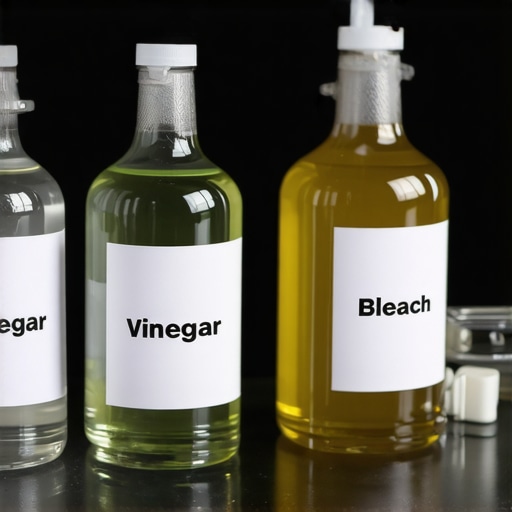
Why Bleach and Ammonia Do Not Mix
Ammonia is common in window cleaners and many multipurpose sprays. Mixing ammonia with bleach produces toxic chloramine vapors. Exposure to these vapors causes coughing, nausea, and shortness of breath. When performing deep sanitizing hacks for safe house transitions, carefully inspect the ingredient labels of your sprays. If you see ‘ammonium hydroxide’ or ‘ammonia’ on one bottle, keep it far away from your bleach.
The Truth About Baking Soda and Vinegar
While this classic bubbling mixture is popular for clearing slow pipes, it is often misunderstood. Vinegar is an acid, and baking soda is a base. When you mix them together in a bowl, they react immediately to produce carbon dioxide gas and water. The bubbling action itself can help physically dislodge loose debris, but once the fizzing stops, you are left with a useless liquid that has zero grease-cutting or disinfecting power. For real results, use them sequentially rather than mixing them into a single paste.
Smart Strategies for Complex Cleaning Projects
If you need to sanitize delicate surfaces like your sofa, mixing harsh chemicals is a fast track to ruining the material. Instead of trying to invent a super-cleaner, rely on specialized methods. If you are working on fabric surfaces, refer to the the upholstery care secret for keeping your sofa looking new to avoid stripping the protective coatings or causing permanent discoloration. For stubborn bathroom grime, stick to a single commercial scrub or use steam to lift dirt without chemical intervention.
While understanding which basic chemicals to avoid mixing is a great start, the real danger during a high-stakes move-out clean lies in the subtle, overlooked chemical combinations. Many well-meaning homeowners believe that as long as they aren’t dumping two liquids into the same bucket, they are perfectly safe. However, chemical residue is incredibly persistent. If you spray a bleach-based disinfectant onto a kitchen counter that still has a thin film of acidic dish soap or vinegar from yesterday’s quick wipe down, you can still trigger a localized chemical reaction. This is the hidden nuance of household decontamination: cleaning products do not simply disappear when they dry.
Why does my bathroom smell like chemicals even after rinsing?
Many people assume that a quick spray of the shower head completely clears away chemical residues, but microscopic layers of cleaning agents often cling to porous grout and acrylic tub surfaces. According to a landmark study on indoor air quality by the Journal of Exposure Science & Environmental Epidemiology, the volatilization of cleaning products can persist in poorly ventilated spaces for hours after the actual scrubbing has stopped. If you apply an acidic hard water remover to your tiles too soon after using a chlorinated sanitizer, those lingering invisible residues can still merge in the air, creating a low-grade respiratory irritant. This is why professional cleaners always advocate for a systematic, single-agent approach with ample ventilation, rather than a frantic multi-product blitz.

In my years of perfecting a daily house cleaning routine, I have discovered that the single biggest trap is impatience. We want the grime gone immediately, so we layer product upon product. A classic example is trying to lift a tough stain from a fabric sofa. Someone might spray a commercial upholstery cleaner, realize it is not working fast enough, and then immediately dab vinegar or rubbing alcohol over the same spot. This not only risks setting the stain permanently but can also chemically compromise the fabric fibers. If you want to avoid a costly mistake, you should always consult the ultimate upholstery care guide for lasting freshness to understand how different fibers react to specific pH levels before you start experimenting with various bottles in your cleaning cabinet.
Ultimately, keeping your home safe requires moving away from the ‘more is better’ mentality. True sanitizing is about dwell time and precision, not chemical volume or aggressive bubbling reactions. Have you ever fallen into this trap and mixed products in your haste? Let me know in the comments below.
While understanding which basic chemicals to avoid mixing is a great start, the real danger during a high-stakes move-out clean lies in the subtle, overlooked chemical combinations. Many well-meaning homeowners believe that as long as they aren’t dumping two liquids into the same bucket, they are perfectly safe. However, chemical residue is incredibly persistent. If you spray a bleach-based disinfectant onto a kitchen counter that still has a thin film of acidic dish soap or vinegar from yesterday’s quick wipe down, you can still trigger a localized chemical reaction. This is the hidden nuance of household decontamination: cleaning products do not simply disappear when they dry.
Why does my bathroom smell like chemicals even after rinsing?
Many people assume that a quick spray of the shower head completely clears away chemical residues, but microscopic layers of cleaning agents often cling to porous grout and acrylic tub surfaces. According to a landmark study on indoor air quality by the Journal of Exposure Science & Environmental Epidemiology, the volatilization of cleaning products can persist in poorly ventilated spaces for hours after the actual scrubbing has stopped. If you apply an acidic hard water remover to your tiles too soon after using a chlorinated sanitizer, those lingering invisible residues can still merge in the air, creating a low-grade respiratory irritant. This is why professional cleaners always advocate for a systematic, single-agent approach with ample ventilation, rather than a frantic multi-product blitz.
In my years of perfecting a daily house cleaning routine, I have discovered that the single biggest trap is impatience. We want the grime gone immediately, so we layer product upon product. A classic example is trying to lift a tough stain from a fabric sofa. Someone might spray a commercial upholstery cleaner, realize it is not working fast enough, and then immediately dab vinegar or rubbing alcohol over the same spot. This not only risks setting the stain permanently but can also chemically compromise the fabric fibers. If you want to avoid a costly mistake, you should always consult the ultimate upholstery care guide for lasting freshness to understand how different fibers react to specific pH levels before you start experimenting with various bottles in your cleaning cabinet.
Ultimately, keeping your home safe requires moving away from the ‘more is better’ mentality. True sanitizing is about dwell time and precision, not chemical volume or aggressive bubbling reactions. Have you ever fallen into this trap and mixed products in your haste? Let me know in the comments below.
The Pro Equipment That Replaces Dangerous Chemistry
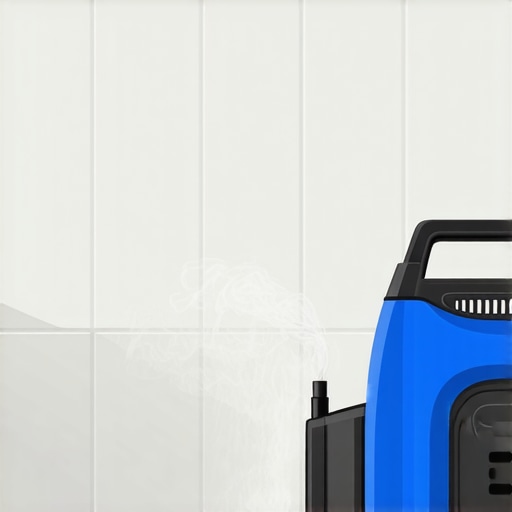
Over the years, I have systematically retired almost half of the commercial spray bottles in my cabinet. The secret to a safe, long-term house cleaning routine is not discovering a magic chemical formula, but rather investing in high-quality mechanical cleaning tools. My absolute favorite tool is a professional-grade continuous-fill steam canister system. Steam heated past 220 degrees Fahrenheit melts through sticky kitchen grease and bathroom soap scum while offering chemical-free sanitizing. It physically destroys bacteria without leaving any volatile organic compound residues behind to linger in your air.
For deep fiber cleaning, I rely on a dedicated water-extraction machine rather than drowning my sofa cushions in chemical spot removers. By utilizing simple, neutral pH rinsing agents alongside specialized extraction tools, you protect the delicate backing materials. When preparing for a transition, reviewing sanitizing hacks for safe house transitions will show you how mechanical thermal heat and physical extraction beats pouring layers of bleach and soap every single time.
How do I maintain safe sanitization over time?
To keep your household clean without introducing invisible respiratory hazards, you need to establish a strict single-product protocol. This means establishing a 24-hour buffer zone between applying different types of solutions on the same surface. If you must use a heavy-duty acid-based descaler to clear scale from bathroom fixtures, perform a thorough rinse with clean water, wipe the surface dry with a microfiber cloth, and wait until the following day before doing any routine sanitization. This simple delay completely eliminates the risk of cross-contamination.
Additionally, keeping a detailed log of your major cleaning tasks ensures you are not overlapping products. Looking to the future, I predict we will see a massive shift toward advanced, smart cleaning appliances—like automated ozone water generators—that sanitize surfaces on contact and revert to pure water within minutes, entirely eliminating the need for bottled chemical mixtures. For your next major project, I challenge you to try the sequential cleaning method: use only one active cleaning agent per day, dry the surface completely, and rely on microfiber and water for touch-ups. If you are facing a massive cleanup and want to make sure your security deposit remains completely secure, check out our comprehensive move-out clean checklist to simplify your transition.
While understanding which basic chemicals to avoid mixing is a great start, the real danger during a high-stakes move-out clean lies in the subtle, overlooked chemical combinations. Many well-meaning homeowners believe that as long as they aren’t dumping two liquids into the same bucket, they are perfectly safe. However, chemical residue is incredibly persistent. If you spray a bleach-based disinfectant onto a kitchen counter that still has a thin film of acidic dish soap or vinegar from yesterday’s quick wipe down, you can still trigger a localized chemical reaction. This is the hidden nuance of household decontamination: cleaning products do not simply disappear when they dry.
Why does my bathroom smell like chemicals even after rinsing?
Many people assume that a quick spray of the shower head completely clears away chemical residues, but microscopic layers of cleaning agents often cling to porous grout and acrylic tub surfaces. According to a landmark study on indoor air quality by the Journal of Exposure Science & Environmental Epidemiology, the volatilization of cleaning products can persist in poorly ventilated spaces for hours after the actual scrubbing has stopped. If you apply an acidic hard water remover to your tiles too soon after using a chlorinated sanitizer, those lingering invisible residues can still merge in the air, creating a low-grade respiratory irritant. This is why professional cleaners always advocate for a systematic, single-agent approach with ample ventilation, rather than a frantic multi-product blitz.
The Pro Equipment That Replaces Dangerous Chemistry
Over the years, I have systematically retired almost half of the commercial spray bottles in my cabinet. The secret to a safe, long-term house cleaning routine is not discovering a magic chemical formula, but rather investing in high-quality mechanical cleaning tools. My absolute favorite tool is a professional-grade continuous-fill steam canister system. Steam heated past 220 degrees Fahrenheit melts through sticky kitchen grease and bathroom soap scum while offering chemical-free sanitizing. It physically destroys bacteria without leaving any volatile organic compound residues behind to linger in your air.
For deep fiber cleaning, I rely on a dedicated water-extraction machine rather than drowning my sofa cushions in chemical spot removers. By utilizing simple, neutral pH rinsing agents alongside specialized extraction tools, you protect the delicate backing materials. When preparing for a transition, reviewing sanitizing hacks for safe house transitions will show you how mechanical thermal heat and physical extraction beats pouring layers of bleach and soap every single time.
How do I maintain safe sanitization over time?
To keep your household clean without introducing invisible respiratory hazards, you need to establish a strict single-product protocol. This means establishing a 24-hour buffer zone between applying different types of solutions on the same surface. If you must use a heavy-duty acid-based descaler to clear scale from bathroom fixtures, perform a thorough rinse with clean water, wipe the surface dry with a microfiber cloth, and wait until the following day before doing any routine sanitization. This simple delay completely eliminates the risk of cross-contamination.
Additionally, keeping a detailed log of your major cleaning tasks ensures you are not overlapping products. Looking to the future, I predict we will see a massive shift toward advanced, smart cleaning appliances—like automated ozone water generators—that sanitize surfaces on contact and revert to pure water within minutes, entirely eliminating the need for bottled chemical mixtures. For your next major project, I challenge you to try the sequential cleaning method: use only one active cleaning agent per day, dry the surface completely, and rely on microfiber and water for touch-ups. If you are facing a massive cleanup and want to make sure your security deposit remains completely secure, check out our comprehensive move-out clean checklist to simplify your transition.
The Hardest Lessons Learned in My Transition from Chemical Overload to Smart Safety
Stepping away from the chemical cabinet was not a change that happened overnight. Here are the crucial realisations that completely changed my approach to maintaining a healthy home:
- Residual moisture is the ultimate enemy. I used to think a wet, highly-disinfected surface was clean. Now I know that leaving moisture behind actually attracts floating spores and dust, making your sanitizing efforts useless.
- Labels lie by omission. Just because a commercial bottle claims it is “natural” doesn’t mean it won’t violently react with bleach or ammonia. Always read the active chemical ingredient list, not just the marketing claims.
- Patience outperforms chemical power. Allowing a single, safe enzyme cleaner to sit for fifteen minutes does ten times more work than aggressively scrubbing three different harsh formulas immediately after spraying them.
The Trusted Gear for a Chemical-Free Clean
You do not need a hazardous lab in your utility closet to achieve professional results. Here are the three tools I personally rely on to keep my indoor air clean and my surfaces immaculate:
- Commercial-Grade Microfiber Cloths: Unlike cheap grocery store packs, high-density microfiber split-weave cloths physically grab and lock away 99% of bacteria using only warm water.
- Handheld Multi-Surface Steamers: By using pressurized steam instead of acidic solutions, you can effortlessly clean tile tracks and grout lines without creating dangerous chemical reactions. For deeper fabric work, check the ultimate upholstery care guide for lasting freshness to ensure you aren’t using moisture on non-water-tolerant fabrics.
- The pH-Neutral Cleaning Kit: Keeping a simple soap and water mixture alongside a dedicated bottle of rubbing alcohol (never used together) ensures you can handle daily touch-ups without acidic or basic reactions.
Step Safely into Your Next Clean
Keeping a home clean should never come at the cost of your respiratory health. By stepping away from the “mix and match” chemical mentality and adopting a systematic, physical-first cleaning approach, you protect your lungs and your home’s surfaces from unnecessary damage. Your next daily house cleaning routine doesn’t need to smell like a sterile laboratory to be incredibly effective.
Have you ever had a close call by accidentally mixing cleaning products during a rush? Let me know your experiences in the comments below!