
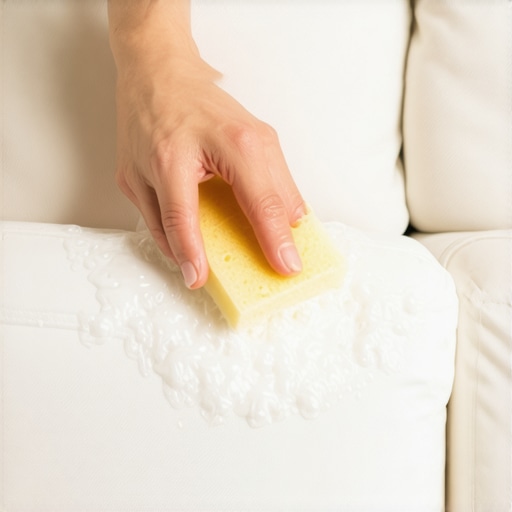
It was a lazy Friday evening, and I was balancing a plate of hot, buttery garlic bread on my knee while watching a movie. One careless laugh later, a piece fell face-down right onto my brand-new, cream-colored cotton sofa. My heart absolutely stopped. In a panic, I grabbed the nearest sponge and scrubbed like my life depended on it. That was my first big mistake. Instead of lifting the oil, I pushed it deep into the cotton fibers, creating a dark, permanent-looking eyesore. If you have ever suffered that sinking feeling, you know exactly how desperate it feels. Today, I am going to share the exact method to lift that stubborn grease out of your delicate upholstery without ruining the fabric or calling in expensive professionals. Let me save you from the panic-scrubbing that almost cost me my favorite couch.
How One Careless Mistake Taught Me the Rules of Cotton Upholstery
I used to think all fabrics were created equal, but cotton is a tricky beast. It is highly absorbent, meaning it drinks in liquids and oils faster than synthetic materials. When I aggressively rubbed that garlic butter stain, I broke the golden rule of fabric rescue. If you want to keep your furniture looking pristine, you must learn why you should never scrub a fresh liquid stain. Scrubbing tears the delicate cotton fibers and spreads the grease over a larger area. The secret to success lies in chemically breaking down the oil before it bonds permanently with the cotton. That is where a simple kitchen staple—blue dish soap—comes into play, acting as a highly effective degreaser that mimics professional upholstery cleaning strategies you can do at home.
Is dish soap actually safe for delicate cotton?
I get it. You are probably skeptical about putting concentrated dish soap on your expensive couch. I was terrified too. But when you look at the science of cleaning, dish soap is formulated specifically to attach to oil molecules and suspend them so they can be washed away with water. Cotton is surprisingly resilient to mild surfactants when applied correctly. According to textile conservation guidelines published by the National Park Service, wet cleaning with mild, conservation-grade anionic detergents is a standard practice for stabilizing historic cotton textiles. The key is moderation. Using too much soap or leaving a soapy residue behind will only attract more dirt later on. By mastering the delicate balance of moisture and soap, you can safely lift the grease without leaving a single ring behind. This simple trick is a lifesaver, whether you are tackling daily spills or doing a deep move-out clean to get your security deposit back. Have you ever ruined a piece of furniture by reacting too quickly to a spill? I would love to hear your horror stories in the comments below, so we can all learn from our shared upholstery mishaps!
Step-by-Step Oil Extraction for Cotton Fibers
The secret to reclaiming your sofa is treating the oil like grease in a frying pan rather than dirt on a window. When I faced that butter stain, my first instinct was to flood the spot with soapy water. That was a near-fatal mistake. Water and oil do not mix, and adding excess liquid only helps the grease travel deeper into the cushion core. Instead, you must isolate the grease and draw it upward. I learned this lesson the hard way when I tried to clean a small grease spot on my armchair and ended up with a massive water ring that took days of troubleshooting to fix. Working with cotton requires a dry phase before any liquid soap ever touches the surface.
Absorb the Excess with a Dry Powder Barrier
Before introducing any moisture, you need an absorbent powder to act as a sponge. Plain cornstarch or baking soda works best because the fine particles fit snugly between the cotton weaves. Dust a generous layer over the spot. Let it sit undisturbed for at least twenty minutes; this gives the powder time to wick the grease out of the fibers. When I did this on my cream sofa, I watched the white powder turn a yellowish tint as it drank up the melted butter. After the waiting period, use a brush or a vacuum to lift the powder away. If you find your vacuum struggling afterward, you might need to check why your vacuum isn’t picking up dirt like it used to, as fine powders can quickly clog older filters.
Apply the Targeted Degreaser Solution
Once the loose oil is gone, mix a single drop of blue dish soap with a half-cup of warm water in a bowl. Do not pour this onto the couch. Instead, dip a clean microfiber cloth into the suds, wring it out until it is barely damp, and gently press it onto the stain. Think of your microfiber cloth as a magnet; you want the damp fibers to cling to the soap-encapsulated grease. If you have ever wondered about the physics of these tools, or why they sometimes fail, you can read about why your microfiber cloths are leaving lint everywhere to ensure you are using the right cloth for delicate work. Gently press and lift, working from the outside of the stain toward the center to avoid spreading the edges.
Rinse and Prevent Water Rings
The final hurdle is removing the soap residue. If left behind, soap acts like a dirt magnet, turning your clean spot grey over the next few weeks. Dampen a separate clean cloth with plain, cool water and blot the area to lift the soap. Immediately press a dry, white terry cloth towel over the spot to absorb every drop of moisture. Cotton fibers expand when wet, so rapid drying is your best defense against unsightly rings. This meticulous extraction process is identical to the high-standard effective house cleaning secrets from cleaning experts who handle high-end textiles daily. By taking your time and avoiding the rush to scrub, you keep the cotton weave tight, clean, and beautifully intact.
Why Traditional Wisdom Fails Modern Fabric Care
Most DIY guides suggest that every stain can be conquered with a heavy application of white vinegar and baking soda. In my years of maintaining delicate fabrics, I have found this conventional advice to be incredibly misleading for high-end cotton. Everyone says to mix these two kitchen staples to create a scrubbing paste, but in my experience, this chemical reaction produces nothing more than sodium acetate, water, and carbon dioxide gas. The fizzing bubbles look satisfying, but they do absolutely nothing to chemically emulsify set-in body oils or cooking grease. In fact, applying an abrasive baking soda paste to wet cotton fibers acts like sandpaper, permanently wearing down the fabric’s natural sheen and structural integrity.
The real danger lies in over-treating. When homeowners encounter a stubborn dark spot, they often default to aggressive chemical combinations, which can strip dye and weaken natural fibers. Understanding the unique chemistry of your specific weave is crucial for achieving professional-level results at home. If you want to protect your investment, you should read about ultimate upholstery care guide for lasting freshness to build a foundation that relies on fiber chemistry rather than blind scrubbing.
How do professional restorers manage moisture without causing fabric decay?
To prevent mold growth and permanent fiber distortion, industry professionals rely on psychrometrics—the science of dry air and moisture evaporation. According to the Institute of Inspection Cleaning and Restoration Certification (IICRC), relative indoor humidity must be kept below sixty percent during wet cleaning to ensure that upholstery dries completely within twelve hours. This is why professional-grade extraction relies on high-volume airflow rather than heat. When tackling a localized spot at home, setting up a small desk fan focused directly on the treated damp patch can mean the difference between a pristine finish and a deep, musty odor that ruins the cushion foam permanently. If you are preparing for a landlord inspection, mastering these micro-drying details is a crucial part of executing a successful move-out clean checklist to simplify your transition. 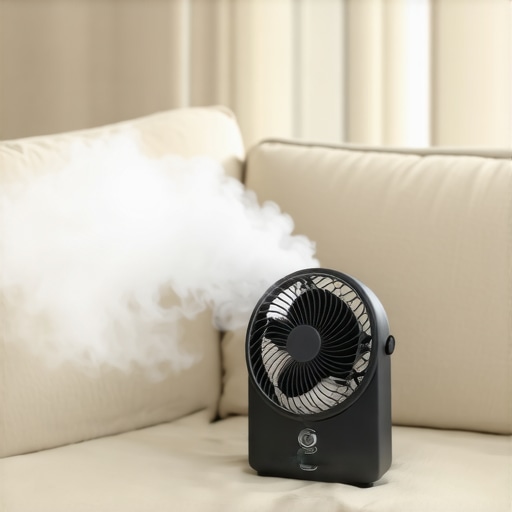
The Invisible Salt Trap That Attracts Future Grime
The most common mistake people make during a deep home clean is failing to neutralize their cleaning agents. Even if you use a safe, mild surfactant like blue dish soap, the microscopic residue left behind acts as a physical adhesive. Over the next several weeks, every speck of airborne dust, pet dander, and foot traffic debris will bind to that sticky soap residue. You will find yourself wondering why the exact spot you cleaned has suddenly transformed into an even larger, dark grey smudge. This sticky accumulation is a primary reason why many find that their routine efforts fail, which is a common frustration detailed in our look at why your carpet is still dirty after you shampooed it.
To avoid this trap, you must finish every localized cleaning session with a dedicated acid rinse. A highly diluted solution of one tablespoon of white vinegar to a cup of distilled water works beautifully here. Because vinegar is mildly acidic, it breaks down the alkaline surfactant bonds of the soap, allowing you to blot the residue completely out of the cotton fibers. This step leaves the fabric perfectly neutral and soft to the touch, preventing the fast-rebound staining that plagues most amateur cleaning attempts. Have you ever fallen into this trap and watched a clean spot turn dark again? Let me know in the comments below!
How do I maintain spotless cotton upholstery over time?
Maintaining cotton upholstery requires moving past reactive emergency spot-cleaning and embracing a proactive, structured maintenance program. In my own living room, I have established a strict rule: any fabric surface that sees daily contact gets a dry-vacuuming treatment twice a week using a dedicated upholstery brush attachment with soft natural bristles. This prevents sharp, microscopic dust particles from settling deep into the cotton weave, where they act like tiny saws that slowly shred the delicate fibers every time someone sits down. To truly preserve your investment, combining this routine with a broader daily house cleaning routine to maintain perfection is the ultimate way to prevent environmental soils from dulling your furniture’s vibrant colors.
For long-term care, I highly recommend investing in a professional-grade horsehair upholstery brush and a high-efficiency particulate air (HEPA) vacuum with variable suction controls. Reducing the suction power when vacuuming cotton is a secret I learned directly from textile conservationists; high-power suction can pull and stretch individual cotton loops, warping the shape of your cushions over time. Additionally, I treat my cotton sofa with a fluoropolymer-free fabric protector twice a year. Unlike older, harsh chemical sprays, modern eco-friendly protectors create an invisible, breathable barrier that keeps liquid spills beaded on the surface for several minutes, giving you ample time to blot them away without panic.
Looking ahead, I predict we will see a major shift in home fabric care toward bio-engineered, self-cleaning textiles and smart enzymes. Within the next decade, stain-repelling coatings will likely transition from topical chemical sprays to structural, nanotechnology-infused cotton fibers that actively break down organic lipids, like grease and sweat, under normal indoor light. Until those advanced materials are standard in every home, mastering manual fabric maintenance is your best defense. If you are preparing to change addresses and want to ensure every fabric and surface is flawless for your landlord, integrating these meticulous care techniques into a comprehensive move-out clean checklist to simplify your transition will guarantee you leave nothing but a pristine environment behind. 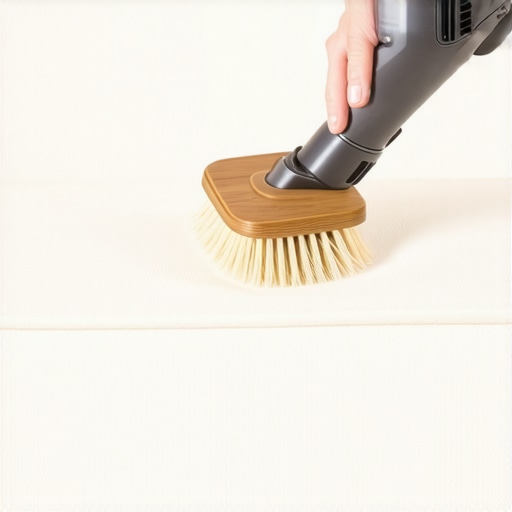
If you want to keep your furniture looking showroom-fresh for years to come, I challenge you to try the dry powder extraction method next time you spot a minor grease mark. Do not reach for the wet sprays first; instead, dust it with cornstarch, wait twenty minutes, and vacuum it away using a low-suction setting. You will be amazed at how much grime lifts out naturally without a single drop of water.
What Professional Textile Restorers Won’t Tell You About Cotton Care
Through trial, error, and a few near-disasters with my own furniture, I have learned that natural textiles demand a completely different mindset than synthetic blends. One of the biggest eye-openers for me was realizing that time is your absolute enemy; waiting even twenty-four hours allows organic lipids to undergo oxidation, turning a simple grease spot into a yellowed, permanent stain. I also learned that colorfastness is not guaranteed just because a piece of furniture was expensive. Before applying any liquid solution, you must know how to tell if your sofa fabric is colorfast before scrubbing. Finally, remember that mechanical friction is the death of cotton. Gentle tapping with a damp cloth transfers soil, while rough scrubbing permanently distorts the weave and ruins the nap of your beautiful couch.
The Upholstery Rescue Kit I Keep in My Pantry
You do not need to purchase industrial chemical packages to achieve spectacular results at home. Instead, keep these high-value, fabric-safe essentials on hand so you can act immediately when a spill occurs:
- Anionic Surfactant: Plain blue Dawn dish soap is my absolute favorite because it is formulated specifically to target and emulsify stubborn organic grease without harsh bleaching agents.
- Pure Cornstarch: This incredibly fine powder has a superior capillary draw compared to baking soda, making it the perfect dry extraction agent to pull liquid grease straight out of delicate weaves.
- Distilled White Vinegar: Essential for executing a proper acid rinse to neutralize alkaline soap residues, keeping your fabric soft and preventing future dirt attraction.
- Professional Horsehair Brush: I highly recommend using a dedicated, soft-bristled brush to gently lift dry powders away from the fabric without pulling on delicate cotton loops. This is a staple in any high-standard upholstery cleaning tips for a fresh home revival toolkit.
Preserve the Comfort of Your Home One Step at a Time
Reclaiming your living space from accidental spills does not have to be a source of anxiety. Once you understand the basic chemistry of natural fibers, managing spot removal becomes a simple, stress-free part of your household care. By taking a slow, methodical approach and treating your fabrics with the gentle care they deserve, you can enjoy a beautifully clean, healthy living room for years. Protecting your favorite couch is one of the easiest ways to maintain a welcoming atmosphere, whether you are tackling a quick spot-clean or integrating fiber maintenance into your broader daily house cleaning routine to maintain perfection. Your home is your sanctuary—keep it beautiful, comfortable, and completely grease-free!
Have you ever tried using dry powders like cornstarch to lift a grease spot out of your upholstery? Let me know how it worked for you in the comments below!