
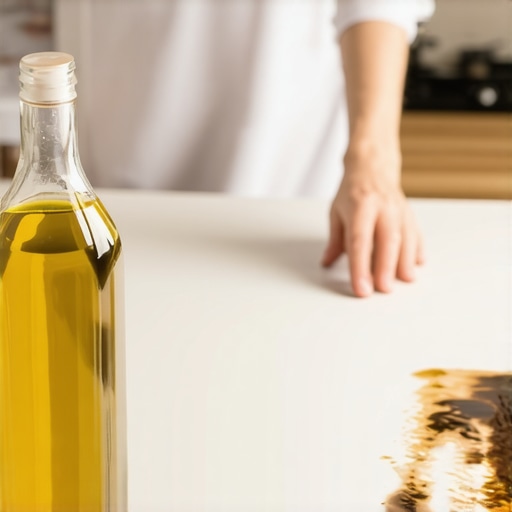
I remember the first time I tried to clean my kitchen countertop with a simple splash of vinegar. It seemed like a natural, eco-friendly fix. But moments later, I noticed lingering germs and a faint smell that wasn’t quite right. That lightbulb moment hit me hard: vinegar isn’t the magic disinfectant I thought it was.
Why Vinegar Isn’t the Superhero You Expect
Despite its popularity as a DIY cleaner, vinegar falls short when it comes to truly sanitizing your home. It’s great for removing mineral deposits and some dirt, but when it comes to killing bacteria and viruses, its effectiveness is limited. I learned this the hard way early in my cleaning journey, making the mistake of relying solely on vinegar for disinfecting surfaces that truly need it.
Many homeowners, myself included initially, fall for the hype because vinegar is affordable, natural, and easy to find. But scientific studies, like one published in the *Journal of Hospital Infection*, suggest that vinegar may not achieve adequate disinfection levels against certain pathogens. This realization made me question what I was actually using to keep my family safe.
The crucial point is that while vinegar can help with general cleaning, it shouldn’t be your first line of defense against harmful germs. Personally, I had to shift my approach and learn about more effective sanitizing methods. Want to avoid my mistake? Keep reading to discover proven strategies for a truly germ-free home.
Is the Hype Around Vinegar Just a Misconception?
You’ve probably heard that vinegar can replace bleach or commercial disinfectants. I used to believe the same—until I realized the quick way I was overlooking vital safety and efficacy details. Early on, I neglected the importance of proper contact time and concentration, which are keys to effective sanitization. So, if you’re questioning whether vinegar is enough for your household, you’re not alone—and I’ve got good news: there are better options.
Start with a Focused Declutter and Prep
Before diving into deep cleaning, clear out clutter from surfaces and floors to access every corner easily. Move furniture if necessary, and make sure all cleaning tools and supplies are within reach. During my last move-out cleaning, I learned that a clutter-free space drastically reduces the time spent on scrubbing and ensures no dust or dirt is hidden away. Begin by dusting off surfaces, vents, and light fixtures to remove the top layer of dust and prevent it from settling into your cleaning solutions.
Tackle High-Touch Areas First
High-touch surfaces like doorknobs, light switches, and remote controls harbor germs every day. Use a microfiber cloth dampened with an effective disinfectant—such as a diluted commercial sanitizer—to wipe these areas thoroughly. Personally, I used a mixture of isopropyl alcohol and water to disinfect remote controls, which are often overlooked but critical for reducing germ spread. For electronics, ensure you use safe cleaning methods to avoid damage; a microfiber cloth slightly dampened with a safe solution works wonders. This step is crucial because, during house cleaning, neglecting these spots can leave behind germs despite a sparkling appearance.
Give Upholstery a Deep Treatment
Upholstery, like sofas and curtains, can trap dust, pet hair, and allergens—making deep cleaning essential. Use a vacuum with a HEPA filter on upholstery, then move on to cleaning fabric surfaces with specialized upholstery cleaning tips. I once restored a dusty microfiber sofa using a steam cleaner, which loosened embedded dirt without water damage. For delicate fabrics, opt for dry cleaning methods or fabric-specific cleaning sprays. Regularly refreshing upholstery prevents grime buildup and keeps your home fresh. Check out the Ultimate Upholstery Care Guide for more detailed techniques.
Ensure Kitchen Hygiene Goes Beyond the Surface
The kitchen is a hotspot for bacteria; focus on cleaning appliances, counters, and sink areas thoroughly. Use a mix of baking soda and vinegar to clean hard water stains on sinks, but avoid relying solely on vinegar for sterilization. For true germ control, employ effective sanitizing methods with appropriate disinfectants. Wipe down your countertops with a sanitizing spray, paying special attention to food prep zones. Remember, a clean kitchen isn’t just about appearance; it’s about eliminating microorganisms that can cause illness. For guidance on removing hard water stains and more, consider reviewing the Natural Hard Water Stain Removal article.
Deep Clean Floors for Lasting Results
Floors often gather dirt and bacteria in hidden crevices. Use a vacuum to remove loose debris, then mop with a disinfectant suitable for your floor type—laminate, tile, or wood. For stubborn stains or grime, a dedicated floor scrubbing machine or steam cleaner can be effective. I experienced this firsthand when deep cleaning my tiled bathroom floor, where grout had accumulated mold; a steam mop worked wonders, restoring the tile’s brightness. For detailed floor cleaning strategies, check the House Cleaning Strategies guide.Even seasoned homeowners often fall prey to myths that hinder effective cleaning. Many believe that simply spritzing a fabric sofa with water or using vinegar on appliances will suffice, but such shortcuts can be detrimental. For example, applying water directly to upholstery without understanding fabric types can cause mold or fiber damage, counteracting any perceived cleanliness benefits.
Are You Overlooking Critical Details in Your Sanitizing Routine?
Indeed, advanced cleaning requires nuance. Using generic disinfectants at full strength might seem effective, but overuse can lead to residue buildup or damage sensitive materials. Proper contact time and correct dilution ratios are essential—studies published in *Healthcare Infection* highlight that improper sanitization methods compromise effectiveness and safety. This awareness is crucial for professionals and DIY enthusiasts alike.
One common mistake is neglecting the hidden layers beneath visible surfaces. For instance, residents often forget to clean behind appliances or under furniture during move-outs, risking deposit deductions or health issues. A comprehensive move-out clean isn’t just about making spaces look good—it’s about eliminating unseen bacteria, mold, and allergens, as emphasized in move-out cleaning tips. Missing these spots can lead to costly repercussions.
Why Do So Many Overlook the Nuance in Upholstery and House Cleaning?
Because they underestimate the complexity involved. For example, upholstery fibers vary widely, requiring tailored cleaning methods—delicate fabrics may need dry cleaning or specialized sprays instead of steam cleaners, which can cause stretching or discoloration. Similarly, common household cleaning routines often rely on generic products that lack disinfectant efficacy; understanding which products truly kill germs is vital, as outlined in effective sanitizing strategies. This knowledge helps prevent superficial cleaning that leaves lurking germs.
Another pitfall is assuming that visible cleanliness equates to hygiene. For example, a spotless sofa might hide pet dander, dust mites, or bacteria underneath. Regular upholstery maintenance, including vacuuming with HEPA filters and appropriate stain treatments, is essential for health and longevity—more detailed guidance can be found in upholstery care.
In the realm of sanitizing, the misconception that sprays containing alcohol are universally safe for all surfaces overlooks potential damage and inadequate microbes eradication if misapplied. Correct practices—such as using properly diluted solutions and allowing sufficient contact time—are critical, as supported by recent research in infection control literature.
Don’t let these misconceptions undermine your cleaning efforts. Instead, embrace complexity and specificity—you’ll achieve healthier, longer-lasting home environments. Want to master advanced cleaning techniques? Check out advanced sanitizing tips or get personalized advice by contacting us through our contact page. Have you ever fallen into this trap? Let me know in the comments.Maintaining a clean and sanitized home requires more than just the occasional wipe-down. Investing in the right tools and establishing a consistent maintenance routine can significantly extend the lifespan of your upholstery, appliances, and surfaces. One of my personal favorites is the **Dyson V11 Torque Drive** cordless vacuum. Its powerful suction and intelligent cleaning modes make it ideal for deep-cleaning carpets and upholstery, removing embedded dust and pet hair effectively. Regularly using a quality steam cleaner, like the **McCulloch MC1275 Heavy-Duty Steam Cleaner**, allows me to disinfect surfaces without harsh chemicals, ensuring a safe environment for my family. These tools are not only reliable but also versatile for various cleaning tasks, from sanitizing bathroom tiles to refreshing fabric furniture.
How do I maintain my cleaning arsenal over time?
Consistent maintenance is key. For equipment like steam cleaners, I thoroughly rinse and descale the device monthly using a vinegar solution—though I turn to specialized descaling agents for more stubborn buildup, as recommended by the manufacturer. Keeping tools in good condition prevents breakdowns and ensures optimal performance. Additionally, replacing vacuum filters and microfiber cloths as needed can prevent the spread of allergens and bacteria, maintaining hygiene standards. Investing in quality replacement parts and adhering to the manufacturer’s maintenance schedule ensures your tools remain effective for years ahead.
What future trends are shaping home cleaning tools?
The future points toward smarter, AI-powered devices that can customize cleaning routines based on your home’s specific needs. For example, robotic vacuums like the **iRobot Roomba i7+** now feature advanced mapping and scheduling capabilities, allowing for weekly maintenance without manual effort. As technology advances, expect these devices to integrate more seamlessly with home automation systems, enabling remote health monitoring and predictive maintenance, much like the innovations discussed in TechCrunch’s recent coverage on smart home gadgets. Embracing these innovations can streamline your cleaning routine, freeing up time for other priorities.
Make yourself a cleaning pro with routine check-ins
To keep your home in top shape, set a weekly checklist that includes inspecting and maintaining your tools. For upholstery, vacuum with a HEPA-filtered device weekly, then deep clean fabrics quarterly following upholstery-specific techniques found in the Ultimate Upholstery Care Guide. For appliances and surfaces, perform regular descaling and sanitizing with proven methods outlined here Effective Sanitizing Methods. Setting up maintenance routines ensures your tools stay effective, and your home remains a healthier environment for years to come. Start by trying out the steam cleaning tip I swear by—descaling your device monthly can dramatically improve its efficiency and lifespan.
Throughout my cleaning journey, I’ve uncovered more than just surface-level tips; I’ve learned lessons that transformed my approach and understanding of effective home sanitation. Here are some of the most impactful insights I’ve gained from my experiences.
Why Overlooking Hidden Spots Can Cost You a Deposit
I used to focus only on visible surfaces, but I realized that neglected areas like behind appliances or under furniture harbor germs and grime. Missing these spots during move-out cleaning can lead to security deposit deductions and health risks. A comprehensive move-out clean isn’t just about appearances; it’s about thoroughness.
Small Tools Make a Big Difference in Upholstery Care
What I didn’t expect was how essential the right equipment is—like a HEPA-filter vacuum or a upholstery-specific steam cleaner. They allowed me to remove embedded dust, pet hair, and stains more effectively. Trusting the Ultimate Upholstery Care Guide helped me select the best tools and techniques for each fabric type, preventing damage and prolonging furniture life.
Consistency Turns Cleaning into a Serenity Ritual
Establishing a regular routine—not just sporadic deep cleans—revolutionized my home’s atmosphere. Daily dusting, weekly upholstery vacuuming, and monthly sanitizing drastically reduce buildup and allergens. Embracing the daily house cleaning routine made me feel more in control and confident in my home’s hygiene.
Effective Sanitizing Goes Beyond Vinegar and Water
Initially, I trusted DIY solutions like vinegar for everything, but I learned that proper disinfectants with proven efficacy are vital—especially for high-touch areas. Proper contact time and correct dilution are critical, as emphasized in effective sanitizing methods. This approach keeps my family safe without risking superfisial cleanliness.
Embrace Technology for Faster, Smarter Cleaning
Investing in smart tools like robotic vacuums or high-quality steam cleaners can save time and consistently maintain hygiene. Devices like the smart vacuum not only reduce manual effort but also ensure no dirt or dust is overlooked. These tools have become indispensable in my efforts to keep my home healthy effortlessly.