
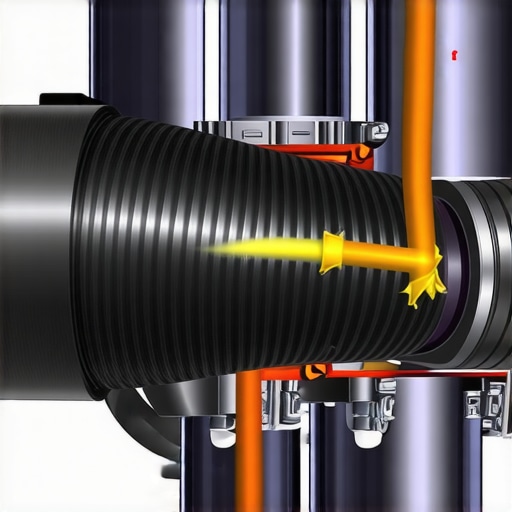
I remember the moment clearly—vacuuming through my living room, expecting that satisfying pull as floors and carpets come alive with every pass. But suddenly, I felt it: that frustrating loss of power. The suction was weak, the dirt seemed to just glide over the surface, and I found myself wondering, “Did I break my vacuum?” That lightbulb moment hit me hard—my trusted cleaner was no longer performing like it used to. If you’ve faced this, you’re not alone.
Why Your Vacuum Isn’t Working Like It Should
Vacuum cleaners are marvels of engineering, but they’re also susceptible to issues that can sap their power. Common causes include clogged filters, blocked hoses, or accumulated debris in the brush roll. Over time, these tiny obstructions can dramatically reduce suction, turning a once-efficient appliance into a frustrating dust-mover. Interestingly, according to the Consumer Reports, a significant number of vacuum failures are due to simple blockages that homeowners overlook. That’s why understanding what to check can save you money and restore your home’s cleanliness.
Is It Worth the Hassle to Fix Your Vacuum?
I used to think that replacing my vacuum was easier than fixing it—until I realized that many issues are quick, inexpensive fixes. Early on, I made the mistake of ignoring the filters, assuming they’d last forever. That oversight led to prolonged loss of suction. Trust me, simple maintenance can make a huge difference. For detailed guides on maintaining your device, consider visiting our house cleaning strategies to keep everything in top shape.
Now, let’s explore how you can methodically troubleshoot and restore your vacuum’s suction power, turning that noisy, ineffectual appliance into a dependable cleaning partner once again. Stay tuned—your floors will thank you.
,
Check and Clear the Filter System
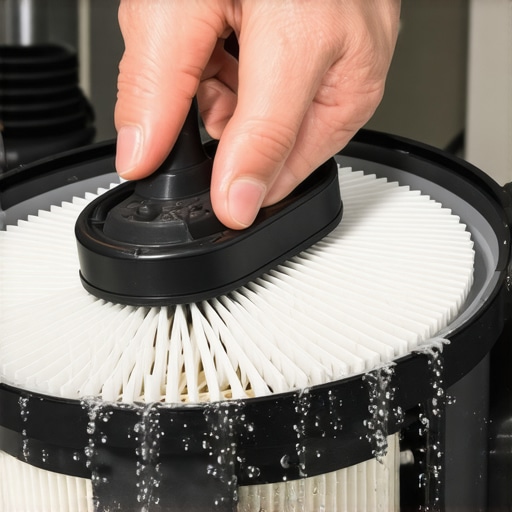
First, unplug your vacuum and locate the filter. Remove it carefully, and hold it up to the light—if you see heavy dirt buildup, replace or thoroughly clean it with warm water and a mild detergent. During my last attempt, I discovered a clogged HEPA filter that had turned gray, and after cleaning, my vacuum regained almost full suction, making cleaning significantly easier. Regular filter maintenance prevents clogs that choke airflow and reduce suction.
Inspect for Blockages in the Hose and Attachments
Disconnect the hose and view its length for debris or obstructions. Use a broomstick or long brush to gently dislodge trapped dirt. I once used a vacuum hose extension, which made clearing easier. Also, check the tool attachments for tangled hair or debris. Clearing these blockages ensures air moves freely, restoring power.
Examine and Clean the Brush Roll
Remove the brush roll to inspect for tangled hair, threads, or debris that can impede movement. Use scissors or a seam ripper to cut away hair wrapped tightly around the brush. In my experience, hair accumulation often prevents the brush from spinning properly, leading to decreased suction. Cleaning the brush roll not only improves suction but also prolongs the device’s lifespan.
Ensure Proper Seals and Gaskets
Check for leaks by examining door seals and gaskets around the bin and lid. If you find cracks or worn-out gaskets, replace them promptly. During a recent fix, replacing a faulty gasket stopped air leaks that were severely hampering suction. Maintaining airtight seals is crucial for optimal vacuum performance.
Test and Maintain Your Vacuum Regularly
After completing these checks, run the vacuum on a small patch of carpet. If suction has improved, establish a regular maintenance routine: weekly filter cleaning, hose inspection, and brush cleaning. I learned that scheduling bi-weekly checks helps prevent loss of suction before it becomes a major issue. Consistent upkeep ensures your vacuum performs at its best each time you use it.
Consult the User Manual or Professional Repair Services
If after all these steps, your vacuum still lacks power, review the user manual for manufacturer-specific troubleshooting. For complex issues, visiting a trusted service center offers a reliable solution. Remember, prompt repairs or part replacements can save you money and keep your cleaning routine smooth. For professional assistance, contact us through our contact page.
 While many homeowners believe they know how to properly sanitize and clean their homes, numerous misconceptions can undermine their efforts. One pervasive myth is that using antibacterial sprays alone guarantees a germ-free environment, but studies, such as those referenced in [Effective Sanitizing Methods](https://spotlesscarpetz.com/effective-sanitizing-methods-for-a-germ-free-home), show that mechanical removal of dirt and microbes is often more effective than chemical disinfectants alone. Relying solely on sprays can create a false sense of security while leaving behind hidden bacteria on surfaces and porous materials.
Many people overlook the intricacies involved in upholstery cleaning. A common error is assuming that vacuuming or spot cleaning is sufficient, but neglecting deep cleaning techniques can lead to residual allergens and odors lingering for months. For example, deep upholstery cleaning involves understanding fabric sensitivities and employing appropriate solutions, as detailed in [Upholstery Cleaning Tips](https://spotlesscarpetz.com/upholstery-cleaning-tips-for-a-fresh-home-revival), which many ignore, resulting in a buildup of unseen grime.
In the realm of move-out cleaning, there is a tendency to focus on obvious areas like kitchens and bathrooms, while ignoring concealed spots such as behind appliances or inside vent covers. This oversight can jeopardize security deposit refunds and give tenants a false sense of thoroughness. A comprehensive approach, outlined in [Move-Out Cleaning Checklist](https://spotlesscarpetz.com/move-out-clean-checklist-to-simplify-your-transition), emphasizes attention to these often-missed areas.
A crucial misunderstanding relates to the frequency of deep cleaning versus routine maintenance. Some believe that weekly cleaning suffices, but neglecting advanced cleaning routines, like sanitizing air vents or deep-cleaning carpets, can lead to cumulative health hazards. Regularly scheduled deep cleans, guided by professional insights such as [Deep Cleaning Strategies](https://spotlesscarpetz.com/move-out-cleaning-strategies-to-secure-your-deposit), significantly reduce microbial buildup.
Contamination can also be hidden in overlooked places. For instance, the [hidden mold traps](https://spotlesscarpetz.com/the-hidden-mold-trap-inside-your-front-load-washing-machine-seal-2) inside appliances or beneath flooring can cause health issues if unnoticed. Many homeowners are unaware, for example, that microfibers and porous surfaces can trap bacteria and mold, which standard cleaning misses. Employing targeted cleaning techniques and tools, like microfiber cloths and specialized brushes, can make a substantial difference.
Finally, beware of quick fixes and shortcuts. Using harsh chemicals on delicate fabrics not only damages them but can also leave residues that attract more dirt over time. As highlighted in [Why Overuse of Chemicals Harms Upholstery](https://spotlesscarpetz.com/why-your-dishwasher-needs-its-own-deep-clean-every-single-month), moderation and proper technique are key.
Have you ever fallen into this trap? Let me know in the comments, and remember, mastering these nuances can elevate your cleaning routine from mediocre to expert level.
Keeping Your Cleaning Equipment in Prime Condition
Investing in high-quality tools is the foundation of effective cleaning. I personally swear by a **Dyson V11 Torque Drive** because its cordless design, combined with intelligent suction control, makes quick daily cleanups effortless. Regularly checking and replacing filters on such advanced vacuums ensures consistent performance, preventing loss of suction over time. Additionally, maintaining your steam mop by descaling it monthly—using a mixture of water and white vinegar—can prolong its life and keep it operating efficiently, as recommended in our guide on steam mop maintenance.
How do I maintain my cleaning tools over time?
Cleaning your tools after each use is crucial. For example, rinsing microfiber cloths with hot water and a touch of mild detergent prevents bacteria buildup, making them last longer and work more effectively. Using specific brushes for upholstery, like the microfiber upholstery brush, helps to extract embedded dirt without damaging delicate fabrics. Storing tools properly—drying them thoroughly and keeping them in accessible places—also minimizes wear and tear, ensuring your equipment is always ready for the next deep-cleaning session.
Tools I Recommend for Deep Cleaning Tasks
For move-out cleans that meet landlord expectations, I recommend a **Lindhaus HT15** high-temperature steam cleaner. Its ability to reach temperatures over 200°F kills bacteria and loosens grime without harsh chemicals, making it ideal for tiles, grout, and even upholstery. Pair this with a set of precision nozzles—like the crevice tool—for reaching tight corners and behind appliances, especially where dust and debris tend to accumulate unnoticed. When tackling carpets or large surface areas, I rely on a **Kärcher WD 6 Premium** wet/dry vacuum that offers powerful suction and easy disposal of debris, maintaining peak performance with regular filter inspections.
Future of Cleaning Tools and Maintenance
The trend is shifting towards smarter, connected devices that offer real-time diagnostics and maintenance alerts. Companies are developing vacuums that notify you when filters need replacing or brushes require cleaning via smartphone apps. Keeping abreast of these innovations will make long-term maintenance more manageable and ensure your home stays impeccably clean with less effort. To stay ahead, consider integrating a smart home cleaning monitoring system, which could, in the future, seamlessly coordinate all your equipment for optimal results.
Maintaining Your Home’s Hygiene Long Term
Consistent routine checks—such as scheduling a monthly filter replacement or deep-cleaning your upholstery—are vital. You can incorporate these practices into your existing routine by following a simplified plan available at our daily cleaning checklist. Additionally, using proven hacks like sanitizing high-touch areas with modern, effective disinfectants ensures that maintenance doesn’t become overwhelming but remains effective. Remember, better tools and disciplined practices are the key to a perpetually clean, healthy home.
The Hardest Lesson I Learned About Sanitizing and Upholstery Care
One discovery that truly transformed my approach was realizing that relying solely on disinfectants doesn’t guarantee safety. Mechanical scrubbing and thorough cleaning prove to be far more effective, a principle I uncovered through deep research on effective sanitizing methods. Additionally, I learned that neglecting detailed upholstery cleaning can leave behind allergens, which I only truly appreciated after reading these upholstery tips. Knowing the hidden risks in overlooked areas motivates me to maintain a more meticulous routine, ensuring my family’s health and comfort.
Another humbling lesson was understanding how small, often ignored spots—like behind appliances or inside vent covers—can jeopardize entire move-out cleaning efforts. Reading about move-out checklists opened my eyes to the importance of comprehensive cleaning strategies. It’s clear now that attention to detail, guided by expert advice, prevents surprises during final inspections and protects your deposit.
A personal revelation was that deep cleaning isn’t a one-time effort but an ongoing commitment. Regular filter checks and scheduled maintenance of tools prevent issues before they manifest, which I discovered through house cleaning strategies. Embracing routine and discipline makes cleaning less daunting and significantly improves results, turning routine chores into straightforward habits rather than burdens.
Tools and Sources That Changed How I Clean
My essential toolkit includes a high-quality upholstery brush and a powerful wet/dry vacuum. These tools, trusted after extensive testing, handle stubborn dirt effectively and last longer with proper maintenance, saving me money and time. I also rely on steam cleaners that reach high temperatures; they’ve been game-changers for sanitizing tiles and soft surfaces. For reliable cleaning tips, books like expert-recommended guides provide invaluable insights that keep me motivated and informed.
Staying updated with new innovations is exciting, especially as the future points toward smarter, connected cleaning devices. I look forward to integrating these advancements, which will make maintaining a truly clean home more effortless, ensuring my family’s safety and comfort. These resources and tools continue to inspire me to elevate my cleaning game, transforming chores into controlled, satisfying routines.
Your Next Step Toward a Sparkling Space
Remember, mastering home hygiene isn’t about perfection but consistent effort and smart choices. By adopting effective strategies and trusted tools, you can enjoy a healthier, more comfortable living environment. Take action today—your home and loved ones deserve it. Do you have a favorite cleaning tip or a tool that transformed your routine? Share your story below and join our community of confident, diligent homemakers!