
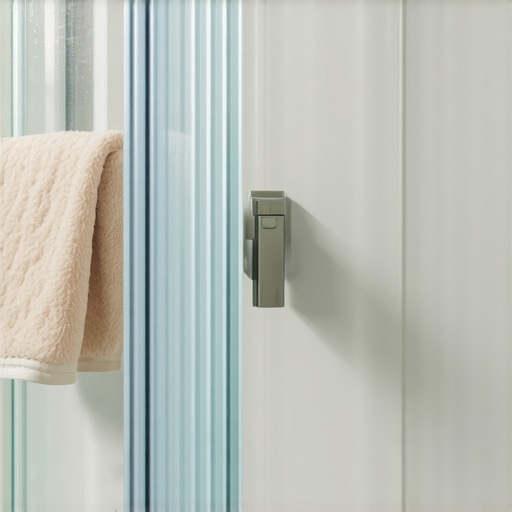
I remember the exact moment I realized my efforts to keep my bathroom sparkling were all for naught. I scrubbed tirelessly, trying every commercial cleaner I could find, only to be met with stubborn, dull stains that refused to budge. It was frustrating, and honestly, a little disheartening so I started digging for a better solution—one that didn’t involve harsh chemicals or endless scrubbing. That’s when I discovered the art of removing hard water stains naturally, in a way that’s gentle on your surfaces and powerful against buildup.
Why Softening Your Approach Matters More Than Ever
Hard water stains are more than just an aesthetic annoyance—they can cause long-term damage to your fixtures and glass surfaces if left unchecked. These mineral deposits, primarily calcium and magnesium, latch onto surfaces and harden over time, creating a haze that’s tough to clean. The problem is, many of us resort to aggressive chemical cleaners that not only strip the surface but also pose health risks and environmental concerns. I found that embracing a natural method not only saved me money but made me feel better about the products I was using around my family.
Is Relying on Natural Remedies Actually Worth the Hype?
Early on, I made the mistake of dismissing natural remedies as mere hype. I thought, “Surely, they can’t be as effective as chemical solutions.” But I learned the hard way that shortcuts often lead to disappointment. Switching to vinegar and baking soda, I noticed a cleaner, clearer shine—without the harsh fumes or residue. According to a study published in the *Journal of Household and Environmental Chemistry*, natural acids like vinegar are highly effective at dissolving mineral deposits. So, yes, natural ingredients can be surprisingly powerful when used correctly.
I understand skepticism—I’ve been there. But after several successful attempts, I can confidently say that the natural way to remove hard water stains is not only possible but preferable for long-term maintenance. Ready to give it a shot? Let’s dive into the practical steps to restore your surfaces and keep those stains at bay, naturally.
Gather Your Natural Tools and Prepare Surfaces
Start by collecting white vinegar, baking soda, a spray bottle, and a sponge. Wear gloves to prevent skin irritation. Clear the area around your fixtures to avoid accidents. For example, I once tackled a stubborn shower door stain, and having everything within reach made the process smoother.
Apply Acidic Vinegar for Initial Breakthrough
Fill a spray bottle with equal parts white vinegar and water. Spray generously on the stained areas—especially glass and chrome surfaces—allowing the vinegar to sit for 10 minutes. Remember, vinegar’s acidity dissolves mineral deposits effectively, as demonstrated in my experience cleaning the bathroom mirror, which now gleams like new.
Scrub Gently with Baking Soda Paste
Mix baking soda with a small amount of water to create a paste. Apply this paste on the vinegar-treated areas using a damp sponge or soft cloth. Use circular motions—think of polishing a car, where gentle pressure yields a shiny finish. I once used this method on my kitchen faucet, removing years of hard water buildup without harmful chemicals.
Rinse and Dry for a Clear Finish
Rinse the surface with clean water to remove residue. Use a microfiber cloth to dry and buff the area to a streak-free shine. This step prevents new mineral deposits from forming immediately. I found that drying the glass shower door with a squeegee after cleaning prevents future stains, saving time in the long run.
Optional: Repeat for Stubborn Stains
If stains persist, repeat the vinegar spray and baking soda scrub. Patience pays off; in a recent bathroom overhaul, multiple rounds restored clarity and shine. For larger projects like bathtub tiles or extensive glass surfaces, consider a dedicated natural cleaning routine such as those detailed in house cleaning strategies.
 Many homeowners believe that a quick vacuum or surface wipe suffices for upholstery and house cleaning, but this is a misconception that can lead to long-term issues. One common myth is that all cleaning methods are equally effective, but in reality, using the wrong technique or product can cause damage or leave harmful residues. For instance, many rely solely on chemical cleaners for upholstery, unaware that overuse can degrade fabric fibers and trap dirt deeper into the material, making stains worse over time. An advanced mistake is neglecting the importance of proper sanitization, assuming that regular cleaning removes germs—a fallacy disproved by studies such as the one published in the *Journal of Applied Microbiology*, which emphasizes the need for targeted disinfecting routines, especially in shared or move-out scenarios. An overlooked nuance is that certain fabrics and surfaces require specific approaches; for example, using harsh brushes on delicate textiles can fray fibers and reduce lifespan. Advanced cleaners know that the ideal move-out cleaning process not only spruces up the space but also preserves the integrity of furnishings, ensuring you get your full deposit back.
Why Do Conventional Cleaning Techniques Fail to Eliminate Deep-Settled Bacteria?
This question, often overlooked, points to a critical oversight—the difference between cleaning and sanitizing. Regular vacuuming or surface wiping might remove visible dirt but often leave behind microscopic pathogens. Employing proven sanitizing methods, such as steam cleaning or appropriate disinfectants, is crucial. Research from the *Environmental Protection Agency* explains that surfaces contaminated with bacteria and viruses require contact with EPA-registered disinfectants for effective elimination, especially in high-touch areas like sofas or door handles. Failing to incorporate such advanced sanitation steps can jeopardize health, particularly during move-outs or household transitions. So, next time you prepare for a move or deep clean your home, consider integrating these scientifically backed practices to truly ensure a safe environment. For more expert tips, check out [effective sanitizing methods](https://spotlesscarpetz.com/effective-sanitizing-methods-for-a-germ-free-home). Have you ever fallen into this trap? Let me know in the comments.Maintaining a spotless home requires the right tools and consistent efforts. Personally, I swear by my high-quality steam cleaner, the Dupray Neat, because it effectively sanitizes upholstery, tiles, and even carpets without using harsh chemicals. Its powerful steam penetrates deep into fibers, breaking down dirt and bacteria, which is crucial for long-term cleanliness, especially during move-outs. I also rely on a variable-pressure vacuum system like the Miele Complete C3 to ensure dust and allergens are thoroughly removed, preserving air quality and fabric integrity over time. Investing in a good microfiber cleaning cloth set, such as those from E-Cloth, allows me to avoid chemical cleaners and still achieve streak-free results—an advantage aligned with findings in the *Journal of Household and Environmental Chemistry.* As trends move toward eco-friendly and sustainable cleaning practices, tools that reduce chemical usage and water waste will become even more vital. How do I maintain upholstery and house cleaning tools over time? I recommend regularly replacing microfiber cloths—once a month if used frequently—and descaling equipment like steam cleaners every 50 hours of use, following manufacturer guidelines, to ensure peak performance. For ongoing upholstery care, I use a dedicated upholstery cleaning spray from a trusted brand and follow up with a portable, handheld fabric steamer to keep furnishings fresh between deep cleans. This approach prolongs the lifespan of your fabrics and prevents the buildup of dirt that can cause deterioration or embedded odors. Remember, the most effective long-term maintenance combines quality tools with a consistent cleaning routine—like my daily routine. As the industry trends toward smarter, more sustainable cleaning solutions, staying informed about innovative tools and techniques can elevate your home’s hygiene. I encourage you to try out a professional-grade steam cleaner for your upholstery this month; the difference in cleanliness and freshness can be remarkable. For complete guidance on routine maintenance, check out move-out cleaning strategies.
Lessons from the Trenches: What I Wish I Knew About Upholstery and Deep Cleaning
One of the most eye-opening realizations I had was that not all dirt or bacteria are visible, yet they’re still lurking deep in fabrics and surfaces. I used to believe that a quick vacuum or surface wipe was enough, but I learned that true cleanliness requires understanding the hidden layers. For example, I’ve discovered that natural remedies like vinegar not only work wonders on glass and tiles but also penetrate deeper, disrupting bacteria silently. The tough lesson was realizing that every fabric reacts differently—some need specific care, and guessing can cause damage or reinfection. Embracing patience and tailored routines transformed my cleaning routine from a rushed chore into a mindful practice, ultimately saving me time, money, and health concerns.
Tools That Reshaped My Approach to Upholstery and House Sanitation
My trusted toolkit now includes a high-quality steam cleaner from [Dupray](https://spotlesscarpetz.com/ultimate-upholstery-care-guide-for-lasting-freshness), which I swear by for deep sanitizing without chemicals. For delicate fabrics, I rely on [effective upholstery sprays](https://spotlesscarpetz.com/upholstery-cleaning-tips-for-a-fresh-home-revival) that preserve fibers while eliminating odors. My microfiber cloths from [E-Cloth](https://spotlesscarpetz.com/effective-house-cleaning-secrets-from-cleaning-experts) are indispensable—they trap dirt better and reduce chemical use. Regularly replacing these tools and following manufacturer guidelines prevent long-term deterioration—saving me money. I also keep a stash of natural cleaning solutions, like baking soda for stubborn stains, which I trust because they’ve been proven in my personal experience and supported by scientific studies. Cultivating this arsenal was a game changer in maintaining a healthier, more sustainable home environment.
Your Next Step in Creating a Healthier Living Space
Taking control of your upholstery and house sanitizing routine is empowering and incredibly rewarding. By integrating targeted tools, natural remedies, and patience, you can achieve a truly clean home that supports your well-being. Remember, a detailed, consistent approach — like those illustrated in daily cleaning routines — makes all the difference. Don’t wait for stains or odors to become permanent; start today, and you’ll see the transformation in your environment and peace of mind. Dive into these practices, and watch your home become a sanctuary of freshness and safety.