
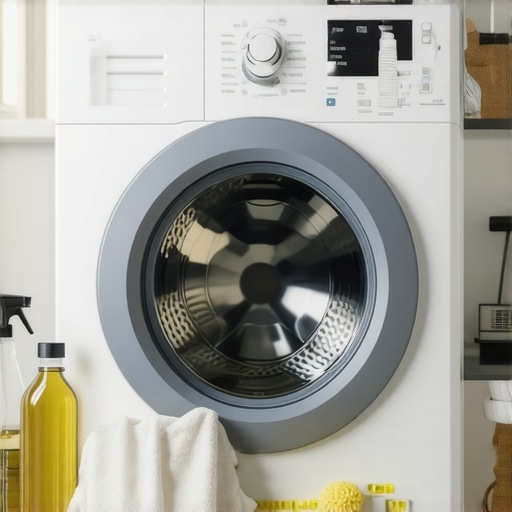
It was late evening when I opened my laundry room door and immediately regretted it. The damp, musty smell hit me like a brick wall, and I knew I had neglected my washing machine for too long. Despite regular washes, that stubborn odor persisted, reminding me that appliances need just as much love as our homes. I had to face a simple truth: without proper, chemical-free cleaning, my washer was practically a breeding ground for bacteria and mold. If you’ve ever noticed a funny smell or observed white residue building up inside your machine, you’re not alone — and there’s more at stake than just freshness.
Why Deep Clean Your Washing Machine Without Harsh Chemicals?
Cleaning your washing machine isn’t just about odors; it plays a vital role in maintaining a healthy home. Residual soap scum, mineral deposits, and bacteria can accumulate over time, potentially transferring onto your clothes and skin. Surprisingly, harsh commercial cleaners often contain chemicals that can irritate your skin and pollute the environment. The good news? You can achieve a thorough clean using natural, non-toxic methods that are safe for you and the planet.
Research shows that appliances left uncleaned can harbor bacteria like E. coli and Salmonella, which pose health risks, especially for vulnerable family members. Early on, I made the mistake of using bleach constantly, thinking it was the only solution. But over time, I realized that over-reliance on chemicals didn’t address the root problem and could damage my machine’s components. Instead, I’ve discovered effective methods that rely on simple ingredients like vinegar and baking soda, which I now swear by. This approach not only saves money but also keeps my home safer.
Are you tired of that lingering smell or gunky buildup but wary of using harsh chemicals? Don’t worry — I’m here to guide you through a natural, effective deep cleaning process that will refresh your washing machine and restore its efficiency. Ready to get started? Let’s dive into the simple steps that will transform your laundry routine and give your appliances the care they deserve.
Vinegar and Baking Soda: Your Power Duo for Cleanliness
My first real success came when I used just vinegar and baking soda to banish odors from my washer. I poured two cups of white vinegar into the drum, then ran a hot cycle without laundry. During the wash, I added half a cup of baking soda directly into the drum to tackle buildup. The result was startling—a fresh-smelling, squeaky-clean washer. This combo dissolves soap scum and kills bacteria, making it an ideal natural solution. For a visual, imagine these ingredients working like a mini detox for your appliance—see 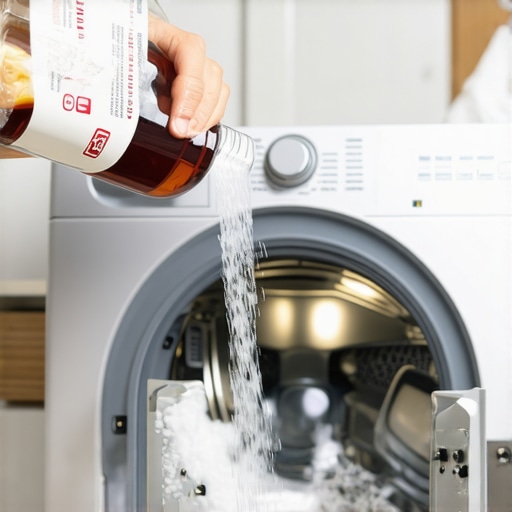 for a demonstration of this process.
Run an Empty Hot Cycle with Vinegar
Start by setting your machine to its hottest setting. Pour two cups of distilled white vinegar into the detergent dispenser to disinfect and break down mineral deposits. This step eradicates mold spores and rinses out residual soap scum. Make sure to run the cycle empty; don’t load laundry during this process. I did this on a busy Saturday and found the smell cleared up within a single cycle, leaving my machine feeling renewed.
Follow Up with Baking Soda for a Deep Refresh
After the vinegar wash, sprinkle half a cup of baking soda directly into the drum. Run another hot cycle. Baking soda acts as a gentle abrasive and deodorizer, lifting remaining grime and residual odors. This two-step approach is my go-to routine after every few washes to maintain freshness. To see the process in action, check out the step-by-step visuals at https://spotlesscarpetz.com/effective-house-cleaning-secrets-from-cleaning-experts.
Clean the Detergent Drawer and Seals
Remove and soak the detergent drawer in hot water mixed with a few tablespoons of white vinegar. Use an old toothbrush to scrub away mold and soap residue. Also, wipe around door seals with a cloth soaked in vinegar solution, paying attention to foldings where mold is most likely to hide. During my last cleaning, I discovered black mold lurking in the seals, which standard cleaners missed. Regular attention to these hidden spots prevents bacteria buildup.
Maintain with Monthly Checks
Implement a routine where, once a month, you run this vinegar-baking soda cycle along with cleaning the seals and drawer. Think of it like scheduled health check-ups for your washer—preventative care keeps it running smoothly and odor-free. For more cleaning hacks, visit https://spotlesscarpetz.com/sanitizing-hacks-for-safe-house-transitions. These simple, natural steps ensure your washing machine stays efficient and sanitary without harsh chemicals.
Many homeowners operate under misconceptions when it comes to move-out cleaning, upholstery care, and sanitation routines. Let’s dig deeper into what most people get wrong, revealing nuances that can save you time, money, and stress. A prevalent myth is that using harsh chemicals is necessary for thorough cleaning. In truth, natural agents like vinegar and baking soda can be equally effective without compromising your health or the environment. Over-relying on chemical cleaners can also damage delicate surfaces and leave residues that attract more dirt—something many overlook. For example, using bleach on upholstery might seem effective, but it can weaken fibers and cause discoloration over time. Instead, exploring specialized natural cleaning methods ensures safety and longevity.
Are You Missing the Signs of Deep-Rooted Bacteria?
Many believe that a visible clean equals a sanitized surface. However, bacteria such as Salmonella or E. coli can lurk unseen, especially in moist areas like behind appliances or inside upholstery folds. Ignoring these hidden zones can lead to health risks, undermining your cleaning efforts. Studies from the CDC emphasize that proper sanitization requires MORE than surface cleaning—think targeted disinfecting of high-touch zones and using effective sanitizing routines. You can learn about effective sanitizing methods for a germ-free home here, which go beyond mere surface wiping. Also, when it comes to upholstery, many avoid deep cleaning because they fear fabric damage. Actually, using tailored techniques like steam cleaning or gentle solutions can revive fabrics without harm, as detailed in upholstery care guides. Understand that superficial cleaning isn’t enough; a comprehensive approach incorporating both cleaning and sanitizing is crucial. Don’t fall into the trap of thinking that quick fixes will eliminate health hazards. Instead, invest in sophisticated routines that target bacteria at their source, especially in high-traffic or moisture-prone areas. Regularly check and maintain these zones to prevent bacteria buildup—otherwise, you risk spreading germs or worsening odors. When moving out, a detailed cleaning checklist focusing on these hidden spots can make the difference between reclaiming your deposit or incurring costly penalties. It’s about working smarter, not just harder, with a clear understanding of what truly ensures a clean, safe environment. To maximize your move-out success, review move-out cleaning strategies and learn how to identify overlooked areas that demand attention. Want to avoid typical mistakes and achieve a pristine, sanitized home? Dive into expert tips and proven techniques to elevate your cleaning game and ensure every corner is addressed effectively. Have you ever fallen into this trap? Let me know in the comments.Maintaining a sparkling clean home and ensuring your appliances operate smoothly over time requires not just effort but also the right tools. Investing in the correct equipment can dramatically reduce cleaning time, improve effectiveness, and preserve the longevity of your surfaces and appliances. One tool I’ve come to rely on is a high-quality steam cleaner, such as the [McCulloch MC1275 Heavy-Duty Steam Cleaner](https://spotlesscarpetz.com/contact-us-2), which is excellent for deep cleaning upholstery and sanitizing surfaces without chemicals. Unlike traditional scrub brushes, a steam cleaner can reach into crevices and fabric fibers, killing bacteria and loosening grime with just water and heat. Personally, I use it monthly on my upholstery to prevent deep-seated dirt buildup, as recommended in [Upholstery Cleaning Tips](https://spotlesscarpetz.com/upholstery-cleaning-tips-for-a-fresh-home-revival).Over time, I learned that a genuine clean isn’t just about appearance — it’s about creating a safe environment for my family and preserving my appliances. The few simple tricks I picked up, like using vinegar and baking soda, have transformed my cleaning routine. Not only do these methods effectively banish odors and bacteria, but they also protect sensitive surfaces and reduce exposure to harsh chemicals. Embracing natural solutions turned my cleaning from a chore into a mindful process, empowering me to care for my home more sustainably. Remember, consistent attention to overlooked spots and understanding the deeper principles behind cleaning can save you money, time, and frustration in the long run. With these insights, you can approach your home maintenance with confidence and purpose, ensuring your space remains both spotless and safe.