
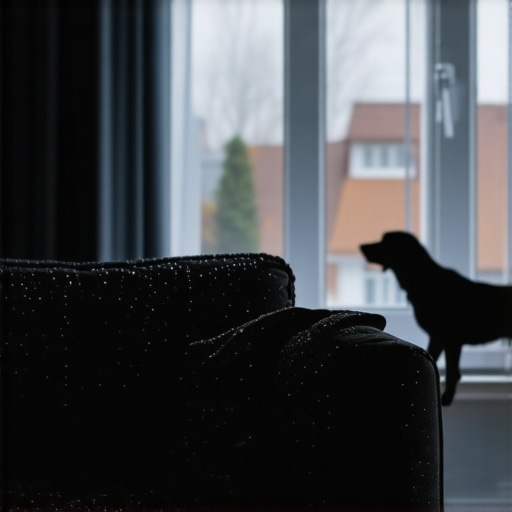
I remember the moment vividly: it was a humid summer afternoon, and I lounged on my sofa only to be hit with that unmistakable damp, musty smell—like a wet dog shook itself right in my living room. Frustrated and a little embarrassed, I wondered how something so comforting could turn into an odor nightmare overnight. It was a lightbulb moment for me, realizing that my upholstery was absorbing moisture in a way I hadn’t fully appreciated.
If you’ve ever experienced your sofa developing that pungent, wet-dog aroma whenever humidity spikes, you’re not alone. This problem sneaks up on us, especially during rainy seasons or in homes with poor ventilation. The good news is, after countless trials and a few mistakes—including using harsh cleaners that only worsened the smell—I’ve discovered effective tricks to tackle this issue. Today, I promise to share practical, proven strategies to keep your sofa smelling fresh no matter what the weather throws at you.
Understanding Why Your Sofa Turns Humid and Dog-Smelly
Is This Odor Actually Harmful or Just Annoying? Think Twice!
*Early on, I made the mistake of assuming all odors were harmless, so I ignored the problem until it worsened.*
So, why does your sofa smell like wet dog when the air gets humid? The culprit is moisture accumulation in the fabric and filling materials, creating an environment where bacteria and mold thrive. According to a study by the CDC, mold spores can become airborne and impact indoor air quality, leading to health issues especially for allergy sufferers. It’s not just a matter of a smelly couch—it’s about breathing cleaner air.
If you’re skeptical about the importance of addressing this, just think about how mold can affect respiratory health. That’s why I urge you not to overlook this issue, even if the smell seems manageable at first.
If you’re worried that cleaning might be complicated or costly, I understand. But trust me, tackling the odor early saves you from more invasive and expensive methods later. I learned this the hard way when I waited too long, only to find that the smell had embedded itself deeper into the fibers. For better techniques and deeper insights, check out [effective upholstery cleaning tips](https://spotlesscarpetz.com/upholstery-cleaning-tips-for-a-fresh-home-revival). Next, we’ll explore practical steps to eliminate the damp, doggy smell once and for all—so stay tuned!
Start by Removing Surface Moisture and Odors
In my own experience, the first step was to vacuum the upholstery thoroughly using a brush attachment to lift loose dirt, pet hair, and any surface moisture. Afterwards, I sprinkled baking soda generously over the entire surface, let it sit for at least 30 minutes to absorb odors and moisture, then vacuumed it off. This simple trick helped reduce the smell significantly. Remember, baking soda not only neutralizes odors but also draws out residual moisture, acting like a sponge. For deeper odor issues, consider using a fabric refresher designed for upholstery.
Deep Clean with Hot Water Extraction or Steam
Next, I moved on to steam cleaning, which is highly effective at killing bacteria and mold that thrive in humid conditions. If you have a portable steam cleaner, fill it with hot distilled water and run it carefully over the fabric, focusing on seams and crevices. Steam penetrates fibers, releasing trapped moisture and neutralizing odors. Alternatively, if steam cleaning isn’t an option, use a professional upholstery cleaning service—trust me, the results are worth the investment. For guidance on proper cleaning techniques, check out this comprehensive upholstery guide.
Disinfect and Deodorize with Natural Solutions
After cleaning, I applied a mixture of equal parts white vinegar and water in a spray bottle, spritzing lightly over the fabric. Vinegar acts as a natural disinfectant, killing germs and mold spores that cause odors. Be sure to test this on a small hidden area first to avoid any discoloration. Let it dry completely; the vinegar smell dissipates quickly, leaving behind a fresh scent. For an added boost, I inserted a few drops of essential oil—like lavender or lemon—into a cotton ball and placed it under the cushions for a subtle, ongoing freshness.
Let the Sofa Dry Thoroughly
Moisture is the enemy here. I recommend airing out the sofa by opening nearby windows or placing fans around the piece to accelerate drying. If possible, position the sofa in direct sunlight; sunlight naturally kills mold spores and dries fabrics faster. Avoid sitting on the sofa until it’s fully dry to prevent it from reabsorbing moisture. For ideal results, consider using a dehumidifier during humid days—this can make a noticeable difference in preventing future musty odors. To maintain freshness, incorporate routine cleaning from daily house cleaning tips.
Prevent Future Odor Build-up
Finally, I took steps to keep the problem at bay. Installing a dehumidifier, improving ventilation, and using slipcovers that are washable help maintain a dry environment. Regularly vacuuming and spot-cleaning the upholstery prevents the development of odors and mold in humid weather. Remember, early intervention is key—don’t wait until the smell becomes overwhelming, as this can complicate cleaning and increase costs. For expert advice on maintaining a fresh-looking sofa, visit this upholstery care resource. Implementing these steps turned my damp, stinky sofa into a fresh, inviting seat again, and they can do the same for you.Many homeowners operate under misconceptions when it comes to effective cleaning and sanitizing practices. One prevalent myth is that using harsh chemicals always results in a deeper clean. In reality, over-reliance on aggressive cleaners can damage delicate fabrics and surfaces, leading to faster wear and potential health risks. Experts advise choosing gentler, evidence-based methods, such as natural disinfectants like vinegar or hydrogen peroxide, which are proven effective without the harsh side effects. For a comprehensive understanding of effective sanitizing techniques, check out this resource.
Another common mistake involves neglecting the importance of proper sequence during house cleaning. Many folks start by cleaning the floors before tackling higher surfaces, such as ceiling fans or shelves. This approach causes dust and debris to settle onto already cleaned areas, negating effort and leading to a less thorough job. Starting from the top down ensures that dust and dirt are removed systematically, maximizing efficiency and cleanliness. Curious about the best order for cleaning your home? Find expert advice here.
Now, let’s address a more sophisticated concern: Are standard disinfectants enough to eliminate all lurking pathogens? Many overlook that bacteria and viruses can hide within porous materials like upholstery or beneath surface layers. Using just surface sprays or wipes can create a false sense of security. Instead, incorporating deep cleaning and proper dwell times for disinfectants makes a significant difference. For instance, applying an EPA-registered disinfectant and allowing it to sit for the recommended contact time ensures maximum efficacy, as supported by research from the CDC. To delve deeper into advanced sanitizing methods, visit this guide.
Beware the trap of underestimating the importance of routine maintenance. Many think that occasional cleaning suffices until visible grime appears, but this mindset allows bacteria and mold to establish a foothold. A proactive approach, such as regular vacuuming, dusting, and quick touch-ups, keeps surfaces healthier and prolongs the lifespan of household items. Routine cleaning routines, like those outlined here, prevent costly deep cleans and avoid health hazards.
Lastly, let’s talk about move-out cleaning—often misunderstood as simply tidying up. True move-out cleaning demands attention to detail, including behind appliances and within hidden crevices. Overlooking these areas can lead to deductions or loss of deposits. A common pitfall is assuming that spot cleaning will suffice—comprehensive cleaning involves using the right tools and techniques, like steam cleaning upholstery or scrubbing hard-to-reach spots. For detailed strategies to secure your deposit, review this move-out checklist. Ultimately, understanding these nuanced aspects ensures a spotless home that meets professional standards.
Have you ever fallen into these traps or misconceptions? Share your experiences in the comments so we can learn together! Remember, mastering house cleaning isn’t just about elbow grease—it’s about using the right techniques, tools, and knowledge for a truly healthier home environment.
Maintaining Your Cleaning Arsenal for Better Results
Investing in high-quality tools is essential for efficient and consistent home sanitation. For instance, I swear by an adjustable, ergonomic steam cleaner like the top-rated steam unit. It allows me to deep clean upholstery and hard surfaces without harsh chemicals, ensuring the longevity of fabrics and materials. A reliable vacuum equipped with HEPA filters not only removes dust and allergens effectively but also helps prevent mold spores from settling into carpets and furniture, which is crucial in humid environments. Regular maintenance of these tools—such as cleaning filters and descaling steam generators—extends their lifespan and maintains peak performance, saving money over time.
Strategic Cleaning Methods That Stand the Test of Time
Adopting a proven cleaning sequence enhances long-term results. I start from the top—ceiling fans, light fixtures—then work my way down. This approach prevents re-soiling freshly cleaned areas. For upholstery, I prefer using a combined vacuum and steam treatment, which disinfects thoroughly. For spot removal, I rely on natural solutions like a vinegar-water mix, which studies show can effectively kill many bacteria without damaging fabrics (source). Consistency is key: regularly scheduling deep cleans prevents dirt buildup and mold growth, especially in damp seasons.
Tools I Recommend for Happy, Healthy Living
Beyond basic equipment, some specialty tools have transformed my maintenance routine. A microfiber mop with a removable, washable cover makes quick daily dusting a breeze. For stubborn stains, a handheld upholstery steamer provides targeted cleaning power—great for pet saliva or wine spills. I also harness moisture meters to monitor humidity levels in tricky spots, ensuring my home stays below the mold-friendly threshold of 60%. These smart investments save effort and money, resulting in a fresher environment with less frequent deep cleans.
How do I maintain my tools to ensure they last?
Clean your equipment after each use—clogged filters, dirty brushes, and mineral deposits in steamers reduce efficiency. For example, descale your steam cleaner regularly according to manufacturer instructions, often using citric acid-based descaling solutions. This prevents buildup that could harbor bacteria and mold. Lubricate moving parts for smooth operation, and store tools properly—preferably in a dry, sheltered space. Additionally, replacing filters and worn-out parts promptly avoids costly repairs and ensures your tools deliver consistently excellent results. According to industry standards outlined in professional cleaning protocols, routine maintenance is your best defense against deterioration.
What’s Next in the World of House Cleaning?
As technology advances, we anticipate smarter cleaning devices with integrated sensors that detect mold, moisture, and bacteria in real-time. These innovations will empower homeowners to respond immediately before issues escalate. For now, invest in a quality dehumidifier like the latest model and combine it with your tried-and-true tools for optimal results. Test out practices like descaling your steam cleaner once a month—an easy step that significantly enhances its lifespan and effectiveness. Remember, the key isn’t just having the right tools but maintaining them diligently. Cultivating this habit ensures your home stays fresh, safe, and inviting for years to come.
What I Wish I Knew When First Tackling Couch Odors
One crucial lesson I learned was the importance of *early intervention*. Ignoring dampness or neglecting routine maintenance allowed mold and stubborn odors to embed deep into my upholstery, turning a minor nuisance into a major overhaul. Consistency in cleaning and monitoring humidity levels prevented these issues from spiraling out of control, saving me both time and money.
Another insight was the *value of natural remedies*. Relying on vinegar, baking soda, and essential oils proved not only eco-friendly but also more effective than harsh chemical cleaners at neutralizing odors and disinfecting fabrics without damage. These simple, trusted solutions elevated my cleaning routine and inspired confidence in handling other household challenges.
Lastly, I realized that *quality tools* make all the difference.* Investing in a good steam cleaner and HEPA-filter vacuum transformed my ability to maintain a fresh living space effortlessly. Properly maintaining these tools—cleaning filters and descaling—ensured they functioned optimally, extending their lifespan and safeguarding my home environment.
My Essential Toolkit for Upholstery and House Cleaning
I trust the expert-recommended deep cleaning tips to keep my home looking and smelling its best. A high-quality steam cleaner, such as the one I use, allows me to sanitize upholstery without introducing chemicals. Pairing it with a HEPA-filter vacuum ensures dust, pet hair, and allergens are effectively managed, crucial in humid conditions that foster mold growth. Regularly descaling my steam cleaner using simple solutions like citric acid maintains its efficiency, providing peace of mind during each deep clean.
To stay ahead of potential odor problems, I also incorporate natural disinfectants and routine humidity checks, utilizing moisture meters to prevent unseen issues from taking hold. These tools and practices are the backbone of my cleaning approach, ensuring a healthier, fresher home environment.
Your Next Step Toward a Odorless, Inviting Living Space
Embarking on a fresh-start cleaning journey isn’t just about wiping surfaces—it’s about cultivating a mindset of proactive, consistent care. By understanding the root causes of humidity and odor buildup, leveraging natural solutions, and maintaining your tools diligently, you can transform your sofa from a damp, smelly spot into a welcoming oasis. Remember, every small effort compounds over time, leading to long-term benefits.
Are you ready to implement these practical strategies and reclaim your home’s freshness? Share your experiences or challenges below, and let’s support each other in creating cleaner, healthier living spaces!
,