

Have you ever opened your dishwasher after a cycle only to be hit with that unmistakable scent of spoiled leftovers? It’s enough to make you dread doing the dishes, feeling like no matter what you do, that foul smell persists. I had this exact lightbulb moment last month—after what I thought was a thorough clean, my dishwasher still reeked of old, rotten food. Frustrating, right? But here’s the thing: you’re not alone, and the good news is, this is a problem with a surprisingly simple solution.
Why Does Your Dishwasher Smell Like Last Week’s Dinner?
That lingering smell isn’t just a minor inconvenience—it’s often a sign that bacteria and mold have taken root somewhere inside your appliance. Even if you’re diligent with your regular cleaning, hidden areas can harbor grime that resists standard washes. A common mistake I made early on was only cleaning the visible parts and ignoring the filter and drain, which are actual bacteria hotspots. According to experts at Spotless Carpetz, neglecting these areas allows bacteria to flourish, making your fresh cycles counterproductive.
Now, imagine what happens when food particles settle into the rubber seal or clog the drain—over time, this creates a perfect breeding ground for bacteria, causing that persistent foul odor. It’s a bit gross to think about, but acknowledging this problem is the first step toward a solution. So, if your dishwasher’s scent feels like an unwelcome guest that just won’t leave, don’t worry—you’re in the right place. I’ll share practical steps to banish this smell for good, and keep your dishwasher smelling like it just came from a top-to-bottom scrub.
Is It Really Worth the Effort? Spoiler: Yes, Absolutely!
Early in my journey, I thought, “It’s just a smell—just run another cycle.” Turns out, skipping deep cleaning can cost you more in the long run. Not only does this odor affect your dishes’ cleanliness, but it could also impact your health. Trust me, once I started properly sanitizing my dishwasher, I immediately noticed fresher, cleaner-smelling dishes—and peace of mind. So, if you’ve been letting this problem slide, I promise that with a few simple steps, you’ll transform your dishwasher from a germ-infested nightmare to a hygienic powerhouse. Ready to take control? Let’s dive into what really works.
Deep Scrub: Reach Every Hidden Corner
Start by removing your dishwasher’s racks and spraying them with vinegar or a mild degreaser. Use a toothbrush to scrub stubborn grime around the spray arms and door seal, which are often overlooked but harbor mold. I remember dismantling my dishwasher to clean behind the spray arm—messy but revealing how much grime hides deep inside. Once cleaned, rinse thoroughly and set aside.
Clean the Filter and Drain
Locate the filter at the bottom of your dishwasher, usually beneath the spray arm. Remove it and scrub away any food debris with a soft brush or cloth. This step is crucial—think of it as clearing out the trap that traps all the foul odors. A clogged drain creates stagnation, leading to persistent smells that resist regular cycles. Regularly cleaning this area keeps odors at bay and improves performance. Don’t skip this—it’s like changing the oil in your car to prevent engine issues.
Vinegar and Baking Soda: The Power Duo
Pour a cup of white vinegar into a dishwasher-safe container on the top rack. Run a hot water cycle without any dishes. Follow this by sprinkling a cup of baking soda across the bottom of the dishwasher and running a short hot cycle. This acts like a detox—cutting through grease and killing bacteria. I did this on a Saturday morning; by the afternoon, my dishwasher smelled fresh and clean, like new. Think of it as giving your appliance a spa day—it revitalizes and refreshes from the inside out.
Maintain with Regular Checks
To prevent odors from returning, wipe the door seal with a damp cloth weekly, paying attention to crevices. Run an empty cycle with vinegar once a month after heavy use or finger-licking meals. Remember, neglecting minor cleanup tasks allows bacteria and mold to creep back in. Routine maintenance is your best defense, much like brushing your teeth twice daily—small habits keep big problems away.
Use a Freshening Agent
For an extra boost, consider adding a dishwasher deodorizer tablet or a few drops of essential oil to the rinse cycle—lavender or tea tree oil work well. These natural fragrances not only mask odors but also possess antibacterial properties. I tried lavender oil-tinged cycles, and the results lasted over a week. It’s like aromatherapy for your dishwasher, turning an often-ignored appliance into a source of freshness.
Seal Bottles and Cracks to Prevent Future Odors
Inspect rubber seals and replace any that are cracked or moldy. Use silicone spray or a seal-conditioner to keep rubber pliable and resistant to mold buildup. Think of it as sealing the leaks in a boat—prevents unwanted water (or smells) from seeping in. A quick check every few months keeps your appliance running hygienically and smelling clean, saving you from surprise odors after heavy use.
Optimize Your Dishwasher Loading Habits
Avoid overcrowding, which prevents proper cleaning and ventilation. Leave the door slightly open after cycles to let moisture escape. Moisture is the breeding ground for bacteria—think of it like leaving wet towels in a heap, causing mildew. Proper loading and ventilation ensure your dishwasher dries completely and remains odor-free. I made small adjustments, like cracking the door open, and noticed a dramatic decrease in smell recurrence.
Conclusion
Implementing these detailed steps transforms your dishwasher into a clean, bacteria-free zone. Regular maintenance and deep cleaning are not optional—they’re essential to keep foul odors away and ensure your dishes come out spotless and fresh. Remember, a little effort now prevents bigger issues later, much like tending your garden keeps pests away. Keep at it, and enjoy a consistently fresh-smelling kitchen.
In our quest for a spotless home, many of us fall prey to common misconceptions that can undermine our efforts. While beginner guides cover the basics, mastering advanced techniques and understanding subtle pitfalls can make all the difference. For example, a prevalent myth is that using more cleaning product speeds up the process, but in reality, excess detergent can leave residues that attract dirt faster and even damage surfaces over time. According to expert advice on effective house cleaning strategies, less is often more—using the right amount optimizes cleanliness without causing buildup.
Why Do So Many Cleaners Still Overlook These Critical Details?
One overlooked aspect is the importance of thorough rinsing, especially in upholstery and grout lines, where residues tend to trap dirt and bacteria. Many assume that wiping with a damp cloth suffices, but residual chemicals or dust left behind can compromise sanitation efforts and trigger allergies. Paying close attention to manufacturer guidelines for materials and using specialized tools, like microfiber cloths and gentle brushes, boosts effectiveness. Additionally, a common mistake is neglecting hidden spots such as behind appliances or under furniture, which often harbor mold and pests. Incorporating detailed checklists and professional techniques ensures nothing gets missed. External research from cleaning scientists emphasizes that proper sanitation requires targeting microbial hotspots, not just surface dirt—it’s about disrupting the bacteria’s habitat at its core. This nuance is particularly crucial in move-out cleanings, where landlords demand impeccable standards. For reliable strategies to perfect your process, you might find our comprehensive guide on house cleaning strategies invaluable.
Another trap is using cleaning agents incompatible with specific surfaces. For instance, harsh chemicals can degrade natural stone or certain fabrics, leading to costly repairs. Instead, selecting pH-balanced or natural cleaning solutions extends surface life and maintains aesthetic appeal. For advanced insights and proven methods, visit our detailed resource on sanitizing secrets for a safer home.
Think you’ve mastered the basics? Challenge yourself to learn these subtleties—it’s what separates a good cleaner from an expert. Remember, every detail counts toward achieving a truly sanitized environment. Have you ever fallen into this trap? Let me know in the comments!
How do I keep my cleaning equipment in top shape for ongoing results?
Maintaining your cleaning tools is crucial to ensure they continue to perform effectively over time. I personally swear by investing in high-quality microfiber cloths, which are durable, versatile, and gentle on surfaces. To prolong their lifespan and maximize their cleaning power, wash them in hot water and avoid fabric softeners that can leave residues. Additionally, replacing scrub brushes and sponges every few months prevents bacteria buildup and keeps cleaning efficacy high. For larger equipment like steam mops or vacuum cleaners, regular maintenance according to the manufacturer’s instructions—such as descaling, filter replacements, and belt checks—can prevent breakdowns and ensure consistent performance. Using quality tools not only enhances cleaning results but also saves money in the long run, as they last longer and work more effectively. Prediction suggests that the future of home cleaning will increasingly integrate smart technology—think robotic vacuums with self-maintenance features or app-controlled steam cleaners—making ongoing upkeep even more automated and effortless.
Tools I Recommend for House Cleaning Efficiency
One of my personal favorites is the Dyson V11 Torque Drive, a cordless vacuum that truly delivers powerful suction with intelligent cleaning modes. Its adaptability to different surfaces means I can switch seamlessly from carpets to hardwood floors without losing suction power or clogging filters. For upholstery, I trust the Ultimate Upholstery Care Guide, which recommends a combination of handheld steamers and specialized fabric brushes to remove deep-seated dirt and allergens. These tools allow me to refresh furniture quickly and maintain a healthier living environment. Additionally, my go-to cleaning solution combines natural ingredients like vinegar and baking soda, as highlighted in Sanitizing Hacks for Safe House Transitions, ensuring effective sanitation without harsh chemicals. 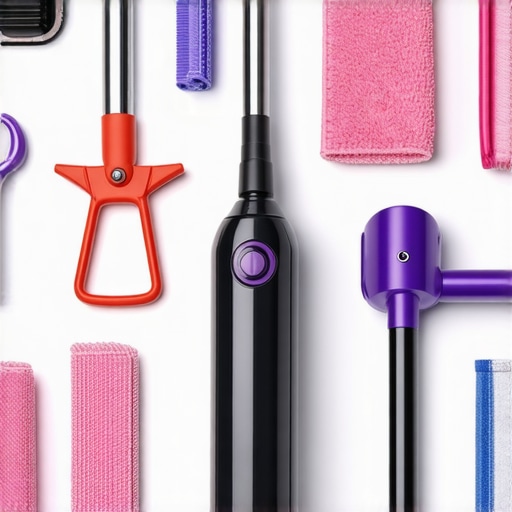
To stay ahead, I also utilize smartphone apps that track cleaning schedules and maintenance reminders for my equipment, making sure that every tool gets its regular checkup. This proactive approach minimizes downtime and ensures consistently stellar results. Looking ahead, I believe that integrating IoT-enabled appliances will revolutionize maintenance—machines will alert you when they need service or part replacements, reducing manual oversight and preventing costly repairs. Staying on top of your tools and adopting smart maintenance habits is key to long-term cleaning success.
What’s the best way to maintain your tools after every use?
For ongoing results, always dry your tools properly and store them in a clean, dry place to prevent mold and corrosion. Disassemble or clean components like filters and nozzles regularly—this simple step ensures your equipment functions efficiently and prolongs its lifespan. Consider using protective casings or covers for brushes and nozzles to shield them from dust. Adopting these habits will save you time and money, helping your cleaning routine stay effective over months and years. Want to make this process even easier? Try scheduling a monthly maintenance check with your devices, inspired by manufacturers’ guidelines, and you’ll see a noticeable improvement in their performance. Consistency is key in ensuring that your tools serve you well in all your cleaning endeavors.
What I Wish I Knew Before You Keep Fighting That Stale Smell
- Twice as much cleaning isn’t twice as effective—trust me, focusing on hidden areas like filters and seals made all the difference in banishing odors.
- Deep cleaning your dishwasher is less daunting than it seems; uncovering the grime behind the spray arm opened my eyes to overlooked sources of bacteria and mold.
- Routine maintenance isn’t just optional—it’s the secret weapon for long-term freshness and performance, preventing those stubborn smells from coming back.
- Natural solutions like vinegar and baking soda are surprisingly potent—think of them as spa treatments for your appliance that keep it pristine without chemical residue.
- Small habits, like leaving the door slightly ajar after cycles, can dramatically improve drying and odor control, turning your dishwasher into a source of constant freshness.
Tools and Resources That Elevate My Cleaning Game
For tackling hidden grime, I swear by microfiber brushes recommended in Ultimate Upholstery Care Guide. Their precision helps reach stubborn spots without scratching delicate surfaces. To stay on top of maintenance, I rely on smart app alerts linked to my cleaning devices—these reminders help me maintain optimal performance and hygiene. Professional-grade descalers and eco-friendly disinfectants from trusted brands have consistently delivered better results and peace of mind. And for in-depth techniques, exploring expert advice in house cleaning strategies offers unmatched insights into preserving appliance health. These tools and knowledge form the backbone of my ongoing cleaning success, making sure every cycle leaves my dishwasher smelling fresh and working efficiently.
Your Next Step to a Truly Fresh Kitchen
Achieving a smell-free dishwasher isn’t just about cleaning—it’s about creating a consistent habit of maintenance and mindfulness that keeps your kitchen inviting. Embrace these practical tips, invest in quality tools, and stay curious about new techniques. Your kitchen—and your nose—will thank you for it. With these insights, you’re well-equipped to transform your dishwasher from a stubborn offender into a symbol of cleanliness and freshness. Now, I challenge you: which step will you try first to banish that lingering smell and boost your home’s hygiene? Share your plan below—I’d love to hear your strategy!