
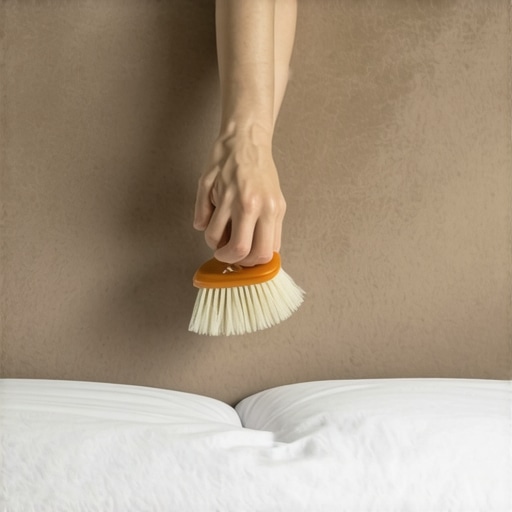
I still remember the morning I nearly cried over my furniture. I had finally saved up for a gorgeous, sand-colored suede headboard that made my bedroom feel like a five-star hotel. It was perfect. Until it wasn’t. One morning, I noticed a faint, dark smudge near the top—likely just natural oils from my hair or skin. In a moment of panic, I grabbed a damp microfiber cloth and gave it a gentle scrub. Big mistake. Within ten minutes, that tiny smudge had transformed into a dark, jagged water ring that screamed ‘clumsy amateur’ to anyone who walked into the room. I felt sick. I thought I’d permanently ruined the centerpiece of my sanctuary.
Stop Reaching for the Water and Listen to My Warning
Suede is a finicky, temperamental material that demands respect, not moisture. If you are used to standard upholstery cleaning tips for a fresh home revival, you might think a little soap and water is the answer to everything. It isn’t. When I tried to fix my headboard, I made the classic rookie error: I treated it like cotton. But suede is the internal layer of hide, and its porous nature means it drinks liquid like a sponge, leading to those hideous tide marks. Today, I’m going to walk you through the dry-cleaning method that saved my headboard and my sanity. We are going to talk about the tools you actually need—none of which involve your kitchen sink.
Can You Actually Get Stains Out Without Water?
It sounds impossible, right? How do you lift dirt without a solvent? I was the ultimate skeptic until I saw the results myself. The key is mechanical agitation, not chemical saturation. According to the experts at the Leather Industries of America, water can actually permanently alter the protein structure of suede fibers, causing them to stiffen and discolor. This is why you should never scrub a fresh liquid stain on these types of surfaces. My early failure taught me that patience and the right brush are worth more than a gallon of stain remover.
The Real Reason Your Headboard Looks Dingy
We spend about a third of our lives with our heads resting against these boards. Even if you don’t see a spill, body oils, dust, and even pet dander accumulate. I’ve previously written about how to remove pet odors from a fabric headboard, but when it comes to suede, the stakes are higher. The goal isn’t just to ‘clean’ it; it’s to maintain that soft ‘nap’ that makes suede feel luxurious. If you’ve been following my ultimate upholstery care guide for lasting freshness, you know that preventative maintenance is everything. But what happens when the damage is already done? Have you ever tried to spot-clean a piece of furniture and ended up making it ten times worse like I did? I’d love to hear your experiences—misery loves company, after all! Let’s dive into the dry-only technique that will restore your headboard without leaving a single trace of a water mark.
Clear the Dust Before You Start Scrubbing
You might be tempted to jump straight into rubbing out that spot, but stop right there. Suede is a magnet for microscopic debris, and if you start scrubbing without clearing the surface, you’re just grinding skin cells and dust deeper into the hide. I learned this the hard way when I tried to spot-clean a ‘small’ smudge and ended up with a gray, muddy smear because I hadn’t cleared the surface dust first. This is exactly why professional cleaners always vacuum the sofa before wiping it. Use the soft brush attachment on your vacuum—never the rotating beater bar, which can shred the delicate fibers—and work in overlapping vertical strokes. Think of it like prep work for painting; if the ‘canvas’ isn’t clean, the final result will always look amateur.
Reset the Nap with a Dedicated Suede Brush
Once the loose dust is gone, you need to address the ‘nap,’ which is that fuzzy texture that makes suede look so inviting. Over time, oils and weight cause these fibers to flatten out, making the headboard look shiny or greasy. You’ll need a specialized suede brush—usually one with soft brass or nylon bristles on one side and rubber ‘fingers’ on the other. I remember the first time I used one; I was terrified the brass bristles would tear the fabric. But if you use light, rhythmic strokes in one direction, you’ll see the fibers stand back up like grass after a summer rain. 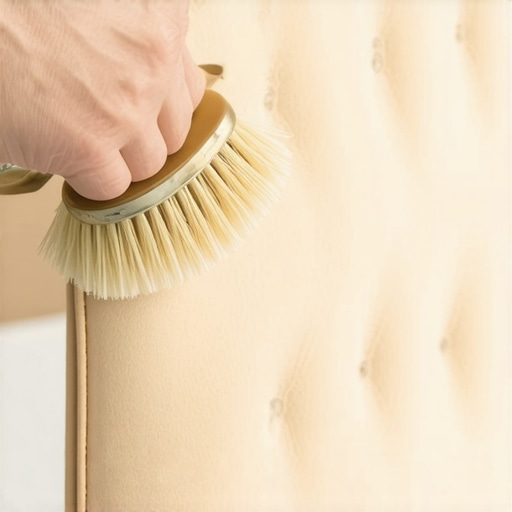
Rub Away the Grime with a Specialized Suede Eraser
For those stubborn dark spots where your head habitually rests, a brush isn’t enough. You need a suede eraser. This isn’t your standard pink school eraser; it’s a crumbly block designed to grab onto oils and pull them out of the fibers. When I was dealing with that jagged water ring on my own headboard, I used the eraser in small, circular motions. It creates a lot of ‘crumbs,’ which is actually a good sign—it means the tool is exfoliating the dirt away. If you’ve read my ultimate upholstery care guide for lasting freshness, you know that mechanical action is often safer than chemical intervention for high-end fabrics.
The Vinegar Trick for Those Stubborn Spots
If the eraser and brush don’t quite do the trick, it’s time for the only liquid I trust near my suede: white distilled vinegar. Unlike water, vinegar evaporates quickly and doesn’t typically leave those dreaded tide marks, provided you use it correctly. Dampen—do not soak—a clean white cloth with a tiny amount of vinegar. Blot the stain gently; never rub. You’re essentially using the acidity to break down the bond between the oil and the leather. I’ve used this method to how to clean a suede couch with only a soft brush and vinegar, and the results were transformative. It will smell like a salad for about twenty minutes, but once it dries, the odor vanishes, and the stain usually goes with it. By following these effective house cleaning secrets from cleaning experts, you can treat even the most temperamental fabrics without a single drop of soapy water.
Is Your Sanitizing Spray Actually Killing Your Furniture?
Everyone tells you to sanitize every touchpoint in your home, especially during the peak of allergy or flu seasons. But here is the contrarian truth: you cannot sanitize suede with traditional sprays without risking a total texture collapse. I see people reach for alcohol-based aerosols thinking they are applying sanitizing secrets for a safer house in 2025, but on suede, those chemicals act as aggressive solvents. They strip the natural oils from the hide, leaving your once-soft headboard feeling like brittle sandpaper. In my experience, ‘clean’ is the only ‘sanitized’ you should aim for with suede; trying to kill 99.9% of bacteria with a wet spray usually kills 100% of your furniture’s resale value instead.
Stop Blasting Your Suede With Steam
The most dangerous ‘oops’ factor I encounter with DIY enthusiasts is the fabric steamer. We are conditioned to believe that steam is the holy grail of effective sanitizing methods for a germ-free home because heat equals hygiene. However, when it comes to leather and suede, you are essentially hard-boiling the material. Expert research from the International Union of Leather Technologists and Chemists Societies (IULTCS) shows that excessive heat causes collagen fibers to shrink and cross-link irreversibly. Once you’ve ‘cooked’ the protein structure of your headboard with a steam wand, the fibers fuse together. No amount of brushing will ever restore that signature velvet-soft nap. 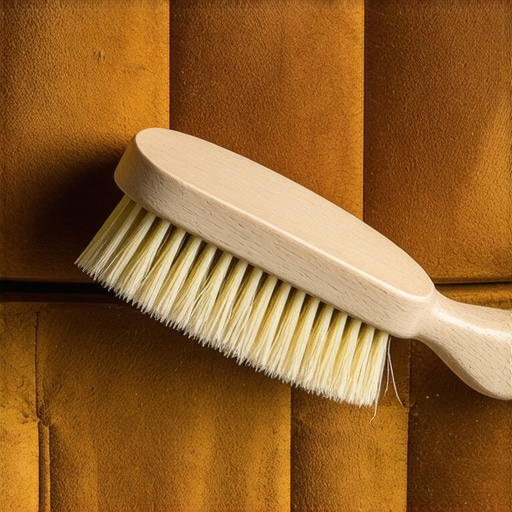
Should You Ever Use Professional Solvents at Home?
This is the question that separates the amateurs from the experts. While specialized dry-cleaning solvents exist, they are incredibly volatile. Unless you have the industrial-grade ventilation found in a professional shop, using these at home is a massive health risk. Most effective house cleaning secrets from cleaning experts will tell you that if a stain has moved beyond the ‘vinegar and brush’ phase, you’ve reached the limit of safe home care. Have you ever tried a ‘miracle’ chemical cleaner only to have it leave a bleached ghost-mark? I’ve seen it happen dozens of times, and the heartbreak is real. Let me know in the comments if you’ve ever fallen into the ‘more chemicals equals more clean’ trap!
Avoid the Circular Scrubbing Trap
There is a hidden nuance in the physics of suede that most people ignore. We are taught from childhood to scrub in circles—whether we are learning the toothpaste trick for removing scuffs from white sneakers or wiping a counter. On suede, circular motion is a disaster. It tangles the microscopic fibers into tiny knots that look like pilling on an old sweater. You must work in straight, rhythmic lines. If you are rushing through a move-out cleaning to ensure your deposit refund, it is easy to get sloppy and start scrubbing in every direction. Don’t do it. Treat the nap like the grain of high-end wood—respect the direction, or you’ll end up with a headboard that looks permanently matted and dull.
The Invisible Shield You Should Be Using Right Now
Once you have successfully rescued your furniture from a stain, the very next thing you should do is apply a high-quality protector. I personally use a fluoropolymer-based spray that is specifically labeled for suede and nubuck. Why this specific type? Because it creates a microscopic ‘forest’ of polymers that prevents liquids from ever touching the actual hide. According to technical standards set by the Leather Working Group (LWG), using a protector that is free from harmful PFOAs is not just better for the environment, but it ensures the long-term flexibility of the leather fibers. If you’ve been following my ultimate upholstery care guide for lasting freshness, you know that I swear by these invisible barriers. It’s the difference between a spill being a five-minute blot-up job and a permanent household disaster.
How do I keep my suede headboard looking brand new for years?
Maintenance isn’t about deep cleaning; it’s about the ‘little and often’ approach. I recommend a quick, 60-second dry brush once a week as part of your daily house cleaning routine to maintain perfection. This prevents the nap from ever becoming truly ‘matted.’ Think of it like brushing your hair; if you do it daily, you never have to deal with painful tangles. If you are preparing for a transition, these upholstery cleaning tips for a fresh home revival can help you decide if it’s time for a professional touch-up or if your DIY maintenance is holding strong. 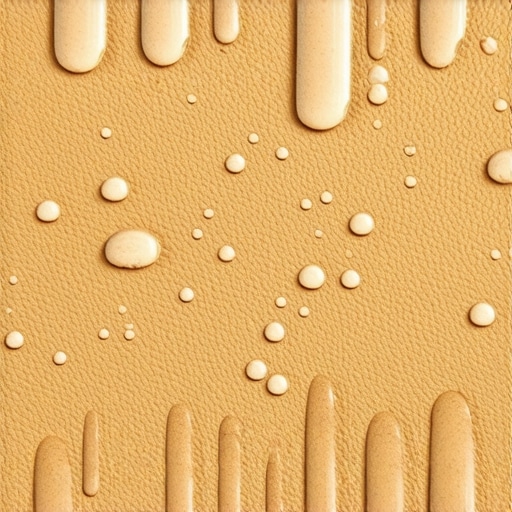
Nanotech and the Next Wave of Upholstery Protection
I’ve been watching the industry closely, and the future of suede care is moving toward embedded nanotechnology. We are starting to see ‘smart fabrics’ where the stain resistance is built into the fiber at the molecular level, rather than just sprayed on top. This is going to revolutionize sanitizing secrets for a safer house in 2025 because we won’t need harsh chemicals to keep porous surfaces germ-free. Until that becomes the standard in every home, we have to rely on the manual tools we have. If you are currently facing a stressful move, don’t let a dingy headboard ruin your walk-through. Using these move-out cleaning hacks to ensure your deposit refund will keep your furniture looking like the day you bought it. I challenge you to grab your suede brush tonight and spend just two minutes resetting the nap on your headboard—you’ll be amazed at how much ‘newer’ the whole room feels immediately!
Lessons from My Near-Disaster with Suede Furniture
My biggest lightbulb moment was realizing that suede isn’t just a fabric; it’s a texture that requires “grooming” rather than “washing.” I used to treat every dark spot as a disaster, but now I know that 90% of the time, it’s just the nap being flattened by pressure or oils. If you make a quick brush-over part of your daily house cleaning routine to maintain perfection, you prevent the grime from ever becoming a permanent resident. Another hard lesson? Lighting is your best friend. Always check your work from different angles of the room; what looks clean from the front might still have matted spots visible from the side. Finally, I learned that the oil on our skin is the primary culprit. Brushing the area where your head rests every few days is more effective than a deep clean once a year.
The Non-Negotiable Kit for Suede Enthusiasts
I don’t believe in a cupboard full of chemicals. To keep your headboard in top shape, you only need four things. First, a dual-sided suede brush—the brass bristles are for lifting the nap, and the rubber side is for delicate smoothing. Second, a high-quality crepe eraser which acts like a magnet for surface oils. Third, a PFOA-free protector spray to create that invisible barrier. #IMAGE_PLACEHOLDER_E# Finally, keep these upholstery cleaning tips for a fresh home revival handy as a reference guide for other materials. I trust these tools because they focus on the mechanical integrity of the hide rather than trying to melt away dirt with harsh solvents.
Reclaim the Luxury of Your Sleeping Space
Your bedroom should be a sanctuary, not a source of stress over a few smudges. Whether you are tackling a deep house cleaning or checking off your move-out clean checklist to simplify your transition, remember that patience is your most powerful tool. By using these sanitizing hacks for safe house transitions, you can ensure your entire environment stays healthy without compromising the delicate fibers of your upholstery. You have the knowledge now to fix what I once thought was unfixable. It’s time to pick up that brush and bring that velvet-soft feeling back to your home. Have you ever tried a ‘dry-only’ cleaning method on your furniture before, or does the lack of soap make you nervous? Let me know in the comments below!