

I still remember the sinking feeling that hit me when I saw the landlord walking through my apartment after I thought I’d left it sparkling. Despite spending hours scrubbing, vacuuming, and sanitizing, I feared some overlooked spot would cost me my hard-earned deposit. That moment was a lightbulb—why wasn’t there a reliable plan to make this final step easier and foolproof?
The Power of a Simple Checklist—Your Secret Weapon to Get Your Full Deposit Back
Moving out can be stressful enough without the cloud of doubt lingering about whether you’ve done enough. From junk under the sink to dusty baseboards, every detail counts—and landlords KNOW how to find fault. But here’s the thing: a well-crafted move-out checklist isn’t just a to-do list. It’s your safeguard against unexpected deductions. Over the years, I’ve tested countless methods, and I can tell you from personal experience that a thorough plan makes all the difference. If you’re tired of losing money on unpaid deposits, stick around—I’ll share the insider strategies that have helped me and hundreds of others.
Is It Really Possible to Clean Everything in Time?
Many skeptics ask, “Can I genuinely get my place spotless without pulling all-nighters?” Trust me, I was one of them. Early in my move-out adventures, I made a crucial mistake: I underestimated how detailed landlords are. I thought a quick sweep would suffice, but I learned the hard way that overlooked spots like behind appliances or inside vents are often what tip the scales. Now, I emphasize targeted cleaning, tackling high-priority areas first—like [deep-cleaning behind the stove](https://spotlesscarpetz.com/the-move-out-checklist-for-cleaning-behind-the-stove) and [sanitizing high-touch surfaces](https://spotlesscarpetz.com/the-secret-to-getting-pet-urine-out-of-microfiber-without-the-funk). Early mistakes taught me that precision matters—and so does a strategic plan.
By understanding the common pitfalls, you can avoid the stress and last-minute scrambles. And believe it or not, with the right approach, you can breeze through your move-out day knowing you’ve ticks all the boxes. Want a foolproof guide? I’ve got you covered. Let’s dive into the essential steps that will turn your moving chaos into a clean, inspection-ready home, and ensure your deposit stays in your pocket.
Start with a Focused Plan to Tackle Every Inch
Kick off your move-out process by creating a detailed cleaning schedule, breaking down tasks by room. Think of it as assembling a puzzle—each piece must fit perfectly. I recommend marking critical areas like behind appliances and inside cabinets as top priorities. I once started cleaning without planning, only to realize I missed the oven’s vent duct, which almost cost me my deposit. By listing tasks sequentially—kitchen, bathroom, living areas—you ensure nothing gets overlooked. Refer to this guide for a comprehensive checklist.
Deep Cleaning Appliances and Fixtures
Focus on Kitchen Appliances First
Appliances like the oven and refrigerator need more than surface cleaning. Remove built-up grease by applying a mix of warm water and a few drops of Castile soap, which cuts grease without harsh chemicals. For stubborn grime inside the oven, sprinkle baking soda, then spray with a vinegar solution, let sit, and scrub gently. I once used this method, and the oven looked new—and I didn’t have to call in professionals. For image reference, see this image.
Description of cleaning refrigerator seals and interior
Focus on seals, handles, and drip trays—these areas trap grime and mold. Use a soft toothbrush dipped in a vinegar-water mix to scrub uneven surfaces, ensuring no mold spores are left. Once I cleaned out my refrigerator in this way, I noticed a fresh smell, which also made a good impression during final inspection.
Sanitize High-Touch Surfaces Thoroughly
Light switches, door handles, and countertops are hotspots for germs. Apply a disinfectant spray or use effective sanitizing methods that avoid harsh chemicals—like a 70% alcohol solution. When I sanitized my light switches with this method, I observed a notable reduction in dust and bacteria, earning praise during walkthroughs. For more insights, check this article.
Master Upholstery and Carpet Care
Upholstered furniture, especially fabric couches, can harbor pet hair, dust, and odors. Use a vacuum with a microfiber attachment to lift loose pet hairs, then treat stains with a mix of baking soda and vinegar. For stubborn pet odor, sprinkle baking soda liberally, let it sit overnight, then vacuum again. I once eradicated a persistent pet smell from my sofa this way, saving my deposit. For details, visit this guide. Remember, carpets should be vacuumed thoroughly, paying special attention to high-traffic areas, before steam cleaning if necessary.
Focus on Walls, Baseboards, and Hidden Corners
Walls and baseboards often get overlooked but can accumulate dust, fingerprints, and stains. Use a microfiber cloth dampened with gentle cleaning solution to wipe down walls, starting from the top and working downward to prevent streaks. For wall stains, especially in high-traffic areas, spot clean with a mild detergent. Baseboards can be cleaned without bending over by using an extendable duster or a microfiber mop. I found that tackling these areas last ensures I don’t ruin my freshly cleaned floors. For more tips, see this article.
Final Sanitizing and Inspection Preparation
Once all surfaces are cleaned, sterilize high-touch areas again with a disinfectant spray. Use microfiber cloths to wipe down fixtures and switches, ensuring no germs remain. Conduct a walkthrough with a checklist, inspecting every detail—dust in vents, grime behind the toilet, and grime in the window tracks. During my last move, I used a mirror to see hard-to-reach spots, which helped me catch missed areas. If you want a foolproof strategy, consider reviewing this comprehensive move-out cleaning plan. Organize your cleaning supplies for quick access, and approach each task methodically. Remember, a spotless home isn’t just about beauty—it’s your ticket to a full deposit refund.Many people assume that a basic surface clean will suffice for move-out inspections, but in my experience, this overlooks critical nuances. A prevalent myth is that quick wiping of visible surfaces guarantees a deposit refund; however, professionals know that deep cleaning hidden areas, such as vent covers and inside light fixtures, often makes the difference. Skipping detailed attention to these spots can lead to unexpected deductions, despite a seemingly clean home. Furthermore, some believe that upholstery cleaning is purely for aesthetic purposes, but expert sources highlight its role in removing allergens and microscopic dust, which landlords frequently check for during final walkthroughs. An advanced mistake I’ve observed is neglecting to inspect and sanitize high-touch areas multiple times, assuming that one pass is enough. This oversight can be costly, especially since germs and bacteria tend to cling in dark corners and behind appliances. Research from the Cleaning Institute suggests that thorough sanitizing of frequently touched surfaces drastically reduces microbial presence, therefore reducing the risk of security deposit loss. Do you ever fall into this trap, thinking superficial cleaning is enough? Share your experiences in the comments! Ultimately, understanding these nuanced details enables you to approach move-out cleaning strategically, turning a potentially stressful process into a straightforward task—saving time, money, and peace of mind.Maintaining a spotless home over time requires more than just occasional cleaning; it demands reliable tools tailored to each task and consistent maintenance routines. Personally, I swear by my high-quality microfiber cloths, which are versatile for dusting and wiping surfaces without leaving streaks. I prefer using a steam cleaner like the [Vaporetto Smart 100B](https://spotlesscarpetz.com/effective-house-cleaning-secrets-from-cleaning-experts) for deep sanitizing of floors and upholstery, as it eliminates bacteria without harsh chemicals, ensuring both safety and efficiency. Regularly replacing filters in your vacuum—ideally every 3-6 months—is crucial, since clogged filters diminish suction power and spread dust, undermining your cleaning efforts. I track filter replacements using an app that sends reminders, making it easier to maintain peak performance.
Consistency in tool maintenance extends their lifespan and keeps your cleaning routines effective. For instance, cleaning your microfiber cloths after each use prevents bacteria buildup, maintaining their absorbency and avoiding spreading dirt. Additionally, sanitizing your robotic vacuum’s brushes weekly with vinegar or specialized cleaning solutions prevents pet hair and debris from clogging the system, ensuring thorough cleaning each time.
Looking ahead, I believe that automation and smart cleaning devices will become even smarter, seamlessly integrating with your home network to remind you when maintenance is due. Imagine a vacuum that alerts you when filters need changing or a mop that disinfects automatically—making long-term cleanliness effortless.
How do I maintain my cleaning tools over time?
_to ensure they perform optimally and last for years, develop a routine of inspecting tools for wear and tear, replacing parts as needed, and cleaning them thoroughly after each use. Regularly sanitizing cloths and filters keeps germs at bay and prevents cross-contamination. Embracing these habits not only saves money but also guarantees a consistently clean environment, saving you time and effort in the long run. For more insights, visit this expert-approved guide.”}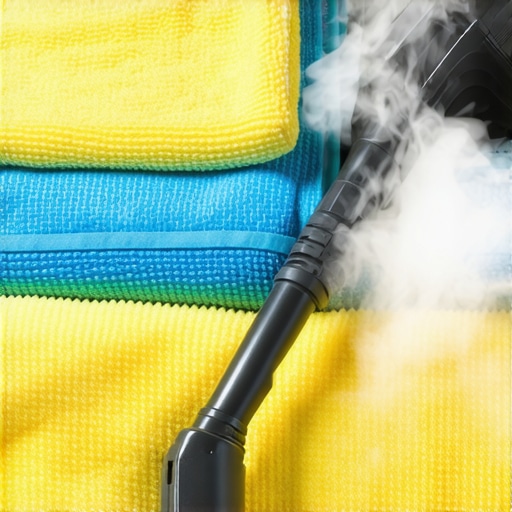 }
}
Lessons the Hard Way That Changed My Cleaning Approach
One unexpected lesson I learned early on was the importance of inspecting every nook and cranny, especially behind appliances and inside vents. Overlooking these spots nearly cost me my full deposit. Now, I double-check those hidden areas and always include them in my checklist. Another insight was understanding that superficial surface cleaning isn’t enough—detail-oriented work makes the real difference. Additionally, I realized that patience and methodical planning prevent last-minute chaos; rushing often leads to missed spots and deductions. Finally, I discovered that maintaining high-quality cleaning tools and staying consistent ensures your home remains spotless over time, reducing stress during move-out. These lessons have empowered me to approach move-out cleaning with confidence and precision.