
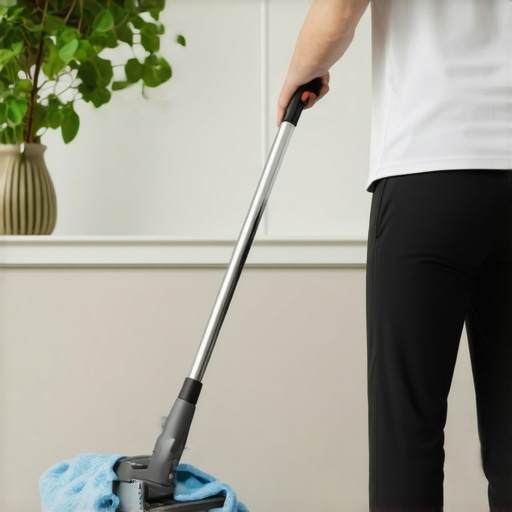
I remember the first time I tackled cleaning my baseboards after a move. I crawled on hands and knees, desperately trying to scrub away stubborn dust and scuff marks, only to end up with a sore back and a trail of streaks that looked worse than before. That moment of frustration was a lightbulb for me — cleaning shouldn’t require scraping and bending, especially when there are smarter ways. If you’ve ever felt the same, you’re not alone; many of us struggle with maintaining those hard-to-reach spots without turning into pretzels or sacrificing hours.
How to Clean Baseboards Without Bending Over or Scrubbing
Imagine gliding effortlessly along your walls, freshening up your baseboards in minutes—no kneeling, no elbow grease. Today, I’ll share proven strategies that have transformed my cleaning routine and can do the same for you. From simple tools to smart techniques, you’ll learn how to make your home sparkle without the usual strain. Plus, I’ll sprinkle in some insider tips to help you avoid common pitfalls and get professional-level results, even if you’re a cleaning novice.
Is It Really Possible to Clean Baseboards Without Breaking a Sweat?
Early in my cleaning journey, I made the mistake of thinking that scrubbing was the only way to get rid of grime. I spent hours with old toothbrushes and harsh chemicals, only to realize I was wasting time and risking paint damage. Switching to a gentle, effective technique changed everything. Now, I rely on tools like microfiber dusters with extension handles and homemade cleaning solutions that lift dirt without scratching surfaces. This approach not only saves me time but also preserves the integrity of my walls and baseboards.
Research supports that maintaining your home with less abrasive methods can extend the life of surfaces—saving you money in the long run. According to experts at the [Effective House Cleaning Secrets from Cleaning Experts](https://spotlesscarpetz.com/effective-house-cleaning-secrets-from-cleaning-experts), using the right tools and techniques is key to achieving professional results with minimal effort.
So, if you’re tired of the backache and stubborn stains, stick around. I’ll guide you through step-by-step methods to make baseboard cleaning a breeze. After all, a clean home shouldn’t come with physical pain—just a little effort and, perhaps, a new set of tools. Ready to turn your cleaning routine upside down? Let’s get started with the essentials that can save your back and your time.
Gather the Right Tools Before You Begin
Start with a microfiber duster with an extension handle, a bucket of warm water mixed with a few drops of gentle dish soap, and a soft cloth. I once grabbed an old pillowcase and an all-purpose spray, which made the process faster and cleaner. The pillowcase traps dust and prevents streaks. Keep these tools handy to streamline your cleaning session and avoid the frustration of searching mid-task.
Remove Dust Without Bending
Slip the microfiber duster into the pillowcase, spray it lightly with your cleaning solution, and gently slide it along the baseboards. This method traps dust and dirt within the fabric, eliminating airborne particles. I used this technique when my cat tracked mud onto my baseboards; I was amazed at how quickly and effortlessly I cleaned them in minutes. For stubborn spots, dampen the cloth slightly and gently wipe—avoid excessive scrubbing to prevent paint damage.
Address Stubborn Grime Efficiently
If your baseboards have accumulated scuff marks or stains, apply a diluted vinegar solution or a specialized cleaner. Let it sit for a few minutes, then wipe gently with a soft cloth. When I cleaned my kitchen’s baseboards after a messy cookout, this approach removed grease without harsh scrubbing. Remember, patience and gentle motions preserve the paint and finish.
Dry and Inspect to Finish Up
Use a dry microfiber cloth to remove any residual moisture and ensure no streaks remain. Step back and inspect your work; any missed spots can be touched up with the same duster or cloth. I once missed a section behind furniture and returned later with a step ladder, avoiding unnecessary bending or kneeling. Keeping a small mirror nearby helps spot areas in hard-to-see spots.
Incorporate Handy Hacks for Future Cleaning
To keep baseboards pristine longer, regularly dust them with a damp microfiber cloth or extendable duster. Consider applying a protective polish for a shiny finish that resists dirt buildup. I now schedule weekly quick touch-ups, saving hours during deep cleans. Remember, consistent maintenance prevents grime from settling deep into corners, making each cleaning session more manageable. For more strategies on maintaining your entire home efficiently, explore these effective house cleaning strategies. Implementing these simple yet effective steps will make your baseboard cleaning swift, effective, and less painful on your back, transforming a dreaded chore into a quick routine.Many homeowners believe that simply spraying disinfectant or doing a quick sweep suffices for thorough cleaning, but this oversimplifies the nuanced science behind effective sanitation and deep cleaning. For instance, a widespread myth is that bleach is the universal disinfectant that kills all germs instantaneously. In reality, research from infectious disease experts shows that certain bacteria and viruses are resistant to standard bleach solutions if not used correctly or if the contact time isn’t sufficient. Moreover, over-reliance on chemical disinfectants without proper pre-cleaning can trap dirt and germs beneath surfaces, reducing overall effectiveness. This mistake often leads to misplaced confidence, giving residents a false sense of security while pathogens linger unseen.
Is High-Pressure Cleaning Always Better for House Surfaces?
Contrary to popular belief, using high-pressure washers or intense scrubbing tools isn’t always advantageous, especially on delicate surfaces like paint or upholstery. Excessive force can damage paint layers, fray fabric fibers, or push grime deeper into crevices, making the problem worse over time. According to industry experts, a gentle approach—paired with the right cleaning agents—is more effective and preserves the longevity of furnishings. Rushing into aggressive cleaning methods can trap dirt, cause surface damage, and even void warranties. To deepen your understanding of proper sanitizing practices, check out these cleaning secrets from experts. Remember, effective cleaning isn’t about brute force but about smart techniques; otherwise, you risk costly repairs and health hazards. Have you ever fallen into this trap? Let me know in the comments. Beyond surface cleaning, many overlook the importance of *upholstery* care. Most think vacuuming once every few months is enough, but regular professional treatments can extend furniture lifespan and improve air quality. For detailed strategies, explore our upholstery care guide. Deep cleaning isn’t just about appearance — it’s about preserving that fresh, healthy environment we all desire. Furthermore, many skip the critical step of pre-treatment before move-out cleaning, mistakenly assuming that a basic wipe-down suffices. This oversight can lead to disputes with landlords and forfeiture of deposits. Using finalized checklists from trusted sources like move-out cleaning checklists, ensures no detail is overlooked. To avoid this common trap, invest time in proper pre-move-out cleaning, which includes targeting hidden grime in less obvious spots like behind appliances or inside vents. Ultimately, understanding the nuances beneath common beliefs enables you to make smarter cleaning choices that save money and protect your home’s integrity. Dive into these insights and elevate your cleaning routine from guesswork to precision—because in effective sanitation and deep cleaning, the details matter.
Keeping your cleaning tools in top shape is essential for achieving consistently sparkling results. I highly recommend investing in a high-quality microfiber extension duster with replaceable heads; I personally rely on the microfiber duster with extension handle because its electrostatic properties trap dust efficiently and reach deep into corners. Regularly washing or replacing the duster head prevents dirt buildup that can transfer back onto surfaces, ensuring each cleaning session is fresh and effective.
For cleaning stubborn grime, a good steam cleaner can be a game-changer, especially for upholstery and carpets. I use the Bissell Steamshot because its handheld design allows targeting small spots: perfect for upholstery refreshes without the need for expensive professional treatments. Maintaining your steam cleaner according to the manufacturer’s instructions extends its lifespan—descale it regularly with white vinegar to prevent mineral buildup, which can diminish cleaning power over time. In fact, proper maintenance is often overlooked but crucial for long-term results.
How do I maintain my cleaning tools over time?
One effective approach is to create a routine checklist for your cleaning equipment, including tasks like replacing worn-out pads, descaling steam cleaners, and lubricating moving parts. Additionally, store tools in a dry, protected environment to prevent corrosion and mold growth. Investing in quality brushes with replaceable bristles or pads ensures your tools don’t become a weak link in your cleaning routine. I personally keep a small toolkit with spare parts and cleaning attachments—which allows me to troubleshoot and keep everything functioning flawlessly. Regularly cleaning your tools not only preserves their effectiveness but also prevents cross-contamination, making every home cleaning safer and more efficient. As cleaning technology evolves, I predict that smart tools integrated with app controls, like robotic scrubbers with self-cleaning features, will become standard—unlocking even greater convenience and precision.
Getting into the habit of tool maintenance might seem like extra work initially, but the long-term payoff includes better results, less replacement expense, and less frustration. For detailed routines on maintaining your cleaning arsenal, visit these house cleaning strategies. Try adopting a weekly check-up of your main tools—seeing the difference it makes might surprise you!Reflecting on my initial struggles with house cleaning, I realized that mastering the right techniques and tools can turn a dreaded chore into a quick, satisfying task. The key lies in understanding that effective cleaning isn’t about brute force but about strategic, gentle approaches that preserve surfaces and save time. Switching from harsh scrubbing to using microfiber extendable dusters and homemade solutions not only eased my back pain but also enhanced my results, making my home look professionally cleaned. Investing in quality tools and maintaining them properly ensures consistent performance, which in turn elevates your cleaning game. Remember, a little research into expert-recommended methods can go a long way in avoiding common pitfalls and achieving lasting freshness. Keep experimenting, stay curious, and embrace the science behind cleanliness—your home will thank you for it.