
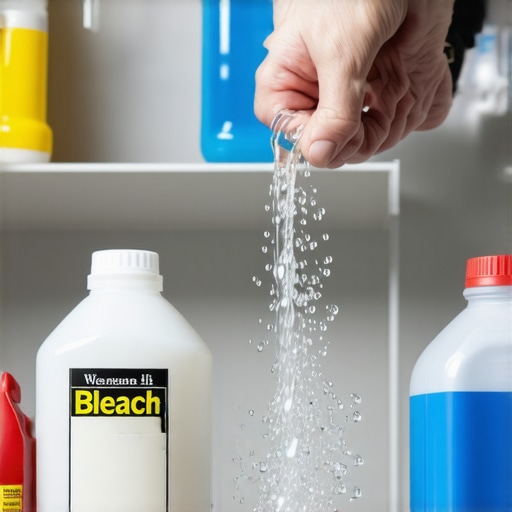
It happened one chaotic Saturday morning. I was rushing to clean my tiny bathroom before guests arrived, and in my haste, I reached for my trusty cleaning supplies. In an attempt to tackle stubborn stains and funky odors, I accidentally combined two household staples—bleach and vinegar. Within seconds, the room was filled with a sharp, choking fog. It was a lightbulb moment that made me realize how dangerous mixing these substances truly is. If you’ve ever experienced a similar alarm or have wondered about the mysteries behind household cleaners, you’re not alone.
Why Combining Bleach and Vinegar is More Than Just a Bad Idea
The truth is, many homeowners unknowingly create hazardous chemical reactions while trying to clean more efficiently. Mixing bleach, a powerful disinfectant, with vinegar, an acid-based cleaner, results in the release of chlorine gas. This gas is not only unpleasant to breathe but can cause serious health issues, especially in tight spaces like small bathrooms where ventilation is limited. According to the Environmental Protection Agency, inhaling chlorine gas can lead to respiratory problems, eye irritation, and in extreme cases, pneumonia. My early mistake was thinking that two natural cleaners would boost cleaning power—big mistake. Instead, I learned that understanding what chemicals do when combined is essential for safety.
Is All Natural Cleaning Safer? Think Again.
Initially, I believed that mixing natural products like vinegar and bleaching only created a mild reaction—wrong again. Even household products labeled as ‘green’ or ‘safe’ can pose risks if misused. For example, I once read an article by a cleaning expert who warned that overconfidence in naturally derived cleaners could lead to hazardous situations. The key is knowing which ingredients can safely coexist—and which ones should never meet. If you’re curious about safe sanitizing methods, you might find it helpful to explore [effective sanitizing methods for a germ-free home](https://spotlesscarpetz.com/effective-sanitizing-methods-for-a-germ-free-home). This knowledge can transform your cleaning routine from risky to effective without compromising safety.
Now that I’ve shared my messy awakening, let’s move forward to practical solutions. In the next sections, I’ll guide you through how to keep your bathroom sparkling and safe—without the danger of creating toxic fumes. Are you tired of worrying about what could go wrong while cleaning? Don’t worry. I’ve got your back with simple, safe, and effective tips to create a healthier home environment.
Start with a Proper Plan to Avoid Toxic Mistakes
Before diving into cleaning, assess each area and decide the necessary tools and products. Think of it like a battle plan—knowing your weapons minimizes accidents. For example, I once mapped out my bathroom cleaning routine to prevent accidental chemical mixing, which saved me from potential hazards. Organize your supplies by task, ensuring no unknown substances are left close together.
Use Clear Separation and Labeling of Cleaners
Analogous to color-coded wires, labeling your bottles prevents mishaps. Store bleach, vinegar, and other strong chemicals apart, preferably in a high or locked cabinet. When you need to use a product, double-check the label—this small step avoids dangerous combinations. During my last cleaning spree, I used masking tape to mark bottles, which became a game-changer for safety and efficiency.
Apply Correct Methods for Different Surfaces
Deep Clean Upholstery
To refresh your sofa, vacuum thoroughly, then spot clean with appropriate fabric cleaner. I learned this by testing a small patch first—my first try left a water ring, but I adjusted my approach by using a damp cloth and natural soap, achieving a fresh look without damage. Regularly treat upholstery to prevent dirt buildup, extending its lifespan.
Sanitize High-Touch Areas
Key spots like doorknobs, switches, and faucet handles harbor germs. Use a disinfectant approved for household use, and wipe these areas with a microfiber cloth for maximum contact. Remember, a quick wipe daily can significantly reduce bacteria, keeping your home healthier. I keep a small spray bottle next to my front door for convenience.
Deep Clean with Technique and Timing in Mind
Imagine your house as a layered cake—start from the top down, moving systematically. For instance, always clean ceilings and fans first (using a extendable duster) before touching furniture or floors. This sequence prevents dust from falling onto cleaned surfaces. I once neglected this and had to re-clean my coffee table, realizing the importance of order.
Enhance Cleaning with Natural and Safer Products
Natural solutions like baking soda, lemon, and vinegar can replace harsh chemicals if used correctly. For example, I used a mixture of lemon juice and baking soda to scrub my bathroom tiles, which lifted grime without fumes. Always research compatibility with surfaces and never mix when in doubt—consult trusted sources like this guide for more insights.
Maintain a Routine to Prevent Build-up and Surprises
Consistency is your best defense. Setting a daily 10-minute cleaning schedule helps keep grime at bay and reduces the need for strenuous deep cleans. For example, I now wipe down kitchen counters and bathroom fixtures nightly, which keeps my space fresh and reduces cleaning time. A routine also helps you recognize areas that need special attention, like hidden dust traps beneath furniture.
Prevent Cross-Contamination During Cleaning
Use separate cloths or mop heads for bathrooms and kitchens to avoid transferring bacteria. Change or wash cloths after each use, especially when switching between areas. I keep color-coded microfiber cloths for different zones, which simplifies the process and enhances hygiene. This small tip ensures your cleaning efforts don’t inadvertently spread germs.
Many believe that household cleaning is straightforward, but in reality, there’s often a hidden depth of nuance overlooked by even seasoned homeowners. One prevalent misconception is that more scrubbing or using harsher chemicals results in a cleaner home. In my experience, overcleaning can damage surfaces and trigger adverse chemical reactions, especially when mixing products without understanding their interactions. For example, a common myth suggests bleach and ammonia can be safely combined for disinfecting—but this pairing produces toxic chloramine vapors that can cause respiratory issues. Always reading labels and understanding chemical compatibilities, as outlined in expert guides, is essential to avoid these pitfalls.
Why Do So Many Rely on the ‘More is Better’ Mindset?Maintaining a clean, healthy home over the long term requires more than just knowing what to clean; it demands the right tools and a bit of strategic planning. From powerful vacuum cleaners to specialized upholstery treatments, using high-quality equipment can make your cleaning routines more efficient and get better lasting results. One tool I personally swear by is the **Dyson V11 Torque Drive** vacuum. Its advanced cyclone technology provides superior suction, making it effortless to remove deep-seated dirt from carpets and upholstery, which I found dramatically reduces dust buildup and allergen presence. Additionally, its cordless nature allows easy maneuverability around furniture and tight corners, saving me time and energy during routine cleanings. For delicate surfaces like silk curtains or handcrafted furniture, I recommend a **Lampson microfiber duster** with extendable poles to reach high ceilings or behind tricky fixtures without the need for step ladders. The fine fibers trap dust more effectively and don’t spread allergens back into the air, aligning with my goal of maintaining a truly safe environment. In terms of sanitizing, I’ve transitioned to using **UV-C sanitizer wands** for quick, chemical-free disinfection of high-touch areas. They are portable, easy to use, and provide peace of mind that surfaces like light switches and door handles are truly sanitized against germs and bacteria. Looking ahead, I predict home maintenance tech will continue to evolve with smarter, more connected devices—think robotic vacuums with AI that learn your home’s layout and routines. Incorporating these innovations could revolutionize how we keep our homes in top shape, reducing manual effort while elevating cleanliness standards.How do I maintain my cleaning tools over time?
Regularly cleaning and replacing parts ensures optimal performance. For instance, filters in vacuum cleaners like the Dyson V11 need to be washed every 1-3 months to retain suction power, which I do promptly to avoid dirt escape or device strain. Also, microfiber cloths should be washed after each use on different surfaces to prevent bacterial transfer, and replacing worn-out brushes keeps them effective. Maintenance extends the lifespan of your equipment and guarantees that your home stays pristine without introducing clutter or bacteria. If you’re interested in a comprehensive approach, I suggest exploring detailed guides on professional cleaning strategies, such as [effective house cleaning secrets from cleaning experts](https://spotlesscarpetz.com/effective-house-cleaning-secrets-from-cleaning-experts). Incorporating high-quality tools and maintaining them properly not only elevates your cleaning results but also promotes long-term health benefits. Don’t hesitate—try upgrading one of your current tools today, perhaps starting with a microfiber duster or a UV sanitizer, and notice the difference it makes in your home’s cleanliness. Plus, with smarter home tech on the horizon, investing in reliable, innovative tools now helps ensure your space remains safe and sparkling well into the future.
What My Hidden Mistakes Taught Me About Household Habits
One of the most valuable lessons I learned was that even the most seemingly benign cleaning products can become hazards when misused. For instance, I once thought that natural ingredients like vinegar and baking soda didn’t require careful handling—until I experienced mild eye irritation from a careless mix. Now, I understand that every product comes with its own safety guidelines, and respecting those can prevent accidents that might mar your home or health.
Another insight came from realizing that routine isn’t just about tidiness but about preventing build-up that creates the perfect environment for bacteria and mold. Simple daily habits, like wiping down high-touch surfaces and maintaining proper ventilation, have often been overlooked in favor of deep cleans—but they make a significant difference in overall safety.
Lastly, I found that investing in quality tools isn’t a luxury—it’s a safeguard. A good vacuum with HEPA filters, microfiber cloths, and even UV sanitizers, when used correctly, can revolutionize your cleaning, making it safer and more effective without resorting to harsh chemicals or risky combinations.
Tools That Changed My Cleaning Game
The Dyson V11 Torque Drive has been a game-changer, effortlessly removing deep-seated dust and allergens, which improves air quality—crucial in small, poorly ventilated spaces. For upholstery, the ultimate upholstery care guide provided insights that extended the life of my furniture while ensuring safety from dust mites and bacteria.
My portable UV-C sanitizer wand keeps high-touch areas like doorknobs and light switches germ-free without chemical residues. These trusted tools, combined with strategic use, have elevated my cleaning routines beyond basic chores. They’re items I recommend to anyone serious about a healthier home environment.
Step Into a Smarter, Safer Cleaning Future
Preventing household hazards begins with awareness and action. Start by assessing your current routine and incorporating the right tools, natural solutions, and safety measures. Remember, your home isn’t just a space for living—it’s a sanctuary where health should be a priority. By embracing these insider tips and continuously learning, you can make cleaning not only easier but also safer and more effective.
Now, I’d love to hear from you—have you ever struggled with mixing safety or choosing the right cleaning tools? Share your experiences below, and let’s build a smarter, cleaner future together!