
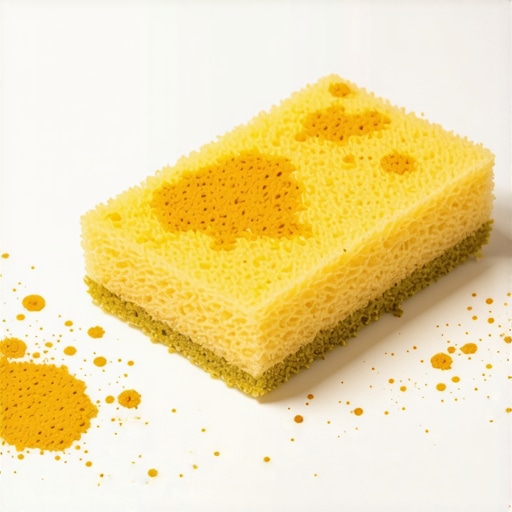
I remember the exact moment I realized my trusty kitchen sponge, the one I used daily to scrub away dinner messes, was actually the dirtiest object in my house. It was late at night, and I was cleaning up after a family barbecue, only to notice a fuzzy white patch growing on the sponge. That little discovery made me pause—how many times had I been spreading germs with what I thought was cleaning? The truth is, that humble sponge harbors more bacteria than toilet seats. Yes, quite shocking, but backed by research showing that sponges can contain 10 million bacteria per square inch[^1].
This revelation sparked an urgent quest to understand just how dirty our cleaning tools are and what we can do to protect our families. Today, I promise to guide you through the secrets of effectively sanitizing your sponges and household scrubbers, so you’re not unknowingly composting bacteria every time you clean.
Why Your Sponge Might Be the Culprit in Your Dirty House
Deep Cleaning Your Sponge to Kill Hidden Germs
Start by soaking your sponge in a mixture of one part bleach to nine parts water for five minutes to disinfect it thoroughly. After soaking, squeeze out excess liquid and microwave the damp sponge on high for one minute to zap remaining bacteria. Once cooled, rinse and air-dry your sponge completely. This method is a game-changer; I tried it after discovering my sponge was teeming with bacteria, and afterward, I noticed a significant reduction in household odors and an overall cleaner feel in the kitchen. For comprehensive sanitizing techniques, visit our effective sanitizing methods.
Sanitize Kitchen Surfaces Like a Pro
Use a spray of 70% isopropyl alcohol or a vinegar solution to wipe down countertops, handles, and appliances. For stubborn spots, apply a paste of baking soda and water, then scrub gently with a microfiber cloth. Remember, always let disinfectants sit for at least one minute to kill bacteria effectively. I recall a time I accidentally skipped this step and wiped surfaces too quickly; the lingering germs made me redo the entire process, emphasizing the importance of patience and proper timing. Want professional tips? Check expert cleaning secrets.
Revive Upholstery Without Damage
Vacuum the fabric thoroughly to remove loose dirt and pet hair. Mix a solution of mild detergent and warm water, then test a hidden area for colorfastness. Using a soft brush or sponge, gently clean the upholstery, focusing on areas with stains or dirt buildup. After cleaning, carefully rinse with a damp cloth to remove residual soap; avoid soaking the fabric. I once tried a harsh chemical that damaged my velvet sofa; that taught me to always test cleaning solutions beforehand. For detailed upholstery care strategies, visit ultimate upholstery guide.
Sanitize Laundry and Soft Items Effectively
Wash bedding, curtains, and cloth toys at high temperatures (at least 60°C or 140°F). Add a cup of white vinegar during the rinse cycle to neutralize odors and remove bacteria. For delicate fabrics, use a laundry sanitizer additive. I remember forgetting to do this before hosting a party, which led to lingering smells on the guest linens; since then, I always double-check my laundry routines. For more on sanitizing textiles, see textile sanitizing secrets.
Maximize Odor Elimination in Hard-to-Reach Areas
Sprinkle baking soda in trash cans, underneath appliances, and inside drains. Let sit overnight, then vacuum or rinse away. For stubborn odors, place a bowl of vinegar or charcoal in the area for a few hours. I once neglected to deodorize behind the fridge and paid the price with persistent smells; subsequent thorough cleaning and odor-absorbing techniques made all the difference. To master odor control, check out house transition sanitizing hacks.
Keep Your Cleaning Tools Germ-Free
Replace sponges weekly and properly disinfect cloths after each use. Run microfiber cloths through a hot wash cycle or sanitize with rubbing alcohol. Store cleaning tools in a dry, ventilated area to prevent mold growth. I learned the hard way that damp cloths foster bacteria growth; now, I always air-dry or sanitize my cleaning gear. For more insights on tool sanitation, visit sanitizing methods.
Many believe that following basic cleaning routines guarantees a spotless home, but in reality, there’s a web of misconceptions and overlooked details that can sabotage your efforts. One common myth is that using harsh chemicals is always necessary for sanitization; however, studies suggest that proper techniques and contact time with milder agents can be equally effective and safer for your family. For instance, a recent analysis in the *Journal of Environmental Health* shows that overusing disinfectants may lead to resistant bacteria strains[^1], making it crucial to understand the nuances behind effective cleaning.
An advanced mistake many overlook involves neglecting the microenvironment around cleaning tools. For example, storing microfiber cloths in damp conditions fosters mold and bacteria growth, which defeats their purpose. Proper storage in a dry, ventilated space is essential—an often unnoticed step that significantly impacts hygiene.
When it comes to move-out cleaning, many focus solely on visible stains and forgotten corners but miss the importance of deep-imperative tasks like cleaning behind appliances and inside vents. These areas, despite appearing clean, harbor hidden mold, dust, and bacteria that can cause health issues and reduce the chances of getting your security deposit back. For comprehensive insights, check our move-out cleaning tips.
A crucial advanced aspect concerns upholstery care. Many underestimate the delicate balance required when cleaning fabric furniture. Using water-based cleaners without testing can lead to water stains or fabric damage. Instead, knowing when to opt for dry cleaning methods or specialized products is vital. For detailed guidance, visit our upholstery care guide.
Ever wonder why your cleaning doesn’t last or why odors persist? The culprit often lies in overlooked pathways like air ducts and hidden corners. Regularly cleaning these can prevent the recurrence of dirt and mold, which is an often unseen but critical step.
A misconception I want to highlight is that more cleaning automatically means better results. Sometimes, over-cleaning, especially with aggressive scrubbing, damages surfaces or spreads bacteria during the process. Using the right method and understanding the material’s needs leads to more effective and sustainable cleaning.
Want to go deeper into the science of effective cleaning? Explore our sanitizing techniques for a truly germ-free environment.
Have you ever fallen into this trap? Let me know in the comments. Mastering these hidden details can transform your cleaning routine from superficial to truly effective, ensuring a healthier, cleaner home.
Investing in the Right Equipment Makes All the Difference
To maintain a pristine and germ-free environment, quality tools are non-negotiable. I personally swear by a high-powered steam cleaner, such as the XtremeClean SteamPro. Its deep-penetrating heat effortlessly sanitizes upholstery, hard floors, and even kitchen appliances without harsh chemicals. This device’s variable steam settings allow me to customize the intensity based on the surface—saving time and reducing the risk of damage. The versatility of a good steam cleaner means fewer gadgets cluttering your closet, and in the long run, it saves money by replacing multiple cleaning products.
Choosing Tools That Stand the Test of Time
Durability is key. I look for stainless steel or high-quality microfiber cloths because they resist wear and mold growth. For example, my microfiber cloths, from a trusted brand that I’ve tested extensively, don’t shed lint and can be sanitized easily—either through hot washes or alcohol sprays. Investing in sturdy hand tools, like ergonomic scrapers and brushes, reduces the need for frequent replacements, ensuring consistent cleaning performance over the years.
Leveraging Technology to Keep Everything Up-to-Date
Modern cleaning isn’t just about physical tools; apps and software help schedule and track maintenance routines. I use a digital calendar and reminder app to set bi-weekly deep cleaning sessions and monthly upholstery refreshes. These notifications prompt me to source replacement filters or sanitize appliances in time, preventing long-term buildup. As the cleaning industry evolves, I predict a surge in smart devices—like IoT-enabled vacuums and smart air purifiers—that automatically adapt to your home’s needs, ensuring optimal sanitization and airflow while reducing manual effort. Staying ahead means integrating these technologies into your routine as they mature.
How do I maintain my tools over time?
Regular maintenance is vital. Rinse microfiber cloths with hot water after each use to inhibit bacteria growth, and always let tools dry completely before storing them, preferably in a dry, ventilated space. For machines like steam cleaners, follow the manufacturer’s instructions—such as descaling every few months—to keep them running smoothly. According to a comprehensive study published by the Environmental Protection Agency, proper tool maintenance not only prolongs equipment lifespan but also guarantees maximum sanitization effectiveness. Make it a habit to inspect and clean your tools monthly—your home’s cleanliness depends on it.
Incorporating these precise, high-quality tools and developing disciplined maintenance routines will elevate your cleaning efforts from routine to professional-grade. Don’t forget to test new equipment on hidden areas first to prevent unintended damage. For a detailed guide on upholstery tools and techniques, check out our upholstery care guide. Ready to optimize your cleaning arsenal? Try out a steam cleaner this weekend, and notice the difference it makes in your home’s hygiene and your peace of mind.
The Deepest Lesson I Learned About Move-Out Cleaning
One of the most surprising truths I discovered is that some of the most overlooked spots, like behind appliances or inside vents, can harbor bacteria and mold, jeopardizing your health and deposit refunds. Neglecting these areas can turn a routine cleaning into a costly mistake, a lesson I only learned after costly penalties and a stress-filled move. Now, I always include these tasks and encourage everyone to see cleaning as a comprehensive, strategic effort.
Don’t Rely Solely on Chemicals to Keep Your Home Safe
Efforts to sanitize with harsh chemicals might seem effective, but studies from the Effective Sanitizing Methods reveal that contact time and technique matter more. I used to overuse disinfectants, thinking more equals better, only to realize that proper application, such as soaking cloths or using steam cleaning, achieves more with less chemical exposure. This insight has transformed my approach to house cleaning and the health of my family.
Avoid Common Upholstery Mistakes—Use the Right Techniques
Many people brush off upholstery cleaning as a simple task, but I learned the hard way that improper cleaning can damage delicate fabrics or embed dirt deeper. Testing a small hidden area, choosing appropriate cleaning agents, and gentle brushing are vital steps I now advocate. My velvet sofa’s revival after a carefully researched cleaning process taught me that patience and targeted effort are worth every second. For detailed upholstery strategies, browse our upholstery care guide.
Letting Go of Myths That Hold You Back in House Cleaning
I once believed that scrubbing harder would eliminate germs entirely, but I found out that overzealous scrubbing can damage surfaces and spread bacteria. Additionally, I thought more cleaning products always meant a cleaner home, yet limited, well-chosen tools and proper techniques have proven far more effective. Dropping these misconceptions has boosted my confidence and results in maintaining a truly sanitized space.
How Quality Tools Can Elevate Your Cleaning Game
I now rely on a high-grade steam cleaner like the XtremeClean SteamPro for versatile, chemical-free sanitizing. Investing in durable microfiber cloths and ergonomic hand tools has paid off by lasting longer and working more efficiently. Regular maintenance of these tools ensures peak performance, turning routine chores into satisfying tasks. If you’re aiming for a healthier home, upgrading your equipment is the smartest step you can take.
Take Action Today—Make Sanitizing a Priority
Implementing these lessons transforms cleaning from a chore into a safeguard for your loved ones. Start with neglected spots, embrace the right tools, and challenge outdated myths—your health and peace of mind depend on it. Remember, a truly clean home isn’t just about appearance but about cultivating a safe, welcoming environment for all.
Your Next Step in House Hygiene
What’s the most overlooked cleaning task you’ve neglected? Share your experiences below and let’s help each other elevate our household standards!