
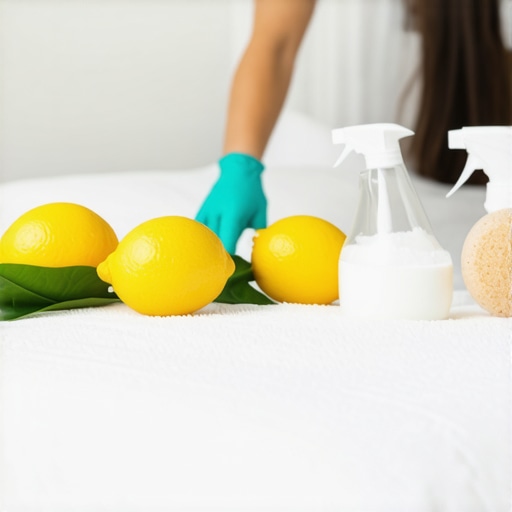
It was a typical Sunday morning when I rolled out of bed and caught a horrifying glimpse of my mattress—bright yellow patches peeking through my freshly laundered sheets. I couldn’t believe it. How on earth did my sleep haven go from cozy to staining? As I lifted the duvet, I discovered those stubborn sweat stains seemed to have developed a life of their own, stubbornly refusing to budge despite my best efforts. That lightbulb moment hit me hard: I needed a natural, effective way to tackle those ugly yellow stains without resorting to harsh chemicals.
Why Does Your Mattress Turn Yellow and How It Affects Your Sleep Quality
When I first started researching, I learned that sweat, combined with the natural oils and bacteria on our skin, causes those unsightly yellow stains. Over time, these stains not only ruin the appearance of your mattress but can also be a breeding ground for dust mites and bacteria, impacting your health and sleep quality. According to a study published in the Journal of Environmental Health, mattresses can harbor bacteria and mold, especially if not cleaned regularly, leading to allergies and respiratory issues. So, addressing yellow stains isn’t just about aesthetics; it’s about creating a healthier sleeping environment.
Early on, I made the mistake of only airing out my mattress or using store-bought sprays, which did little to remove the stubborn stains. I learned that many commercial products contain chemicals that could irritate sensitive skin and aren’t environmentally friendly. That realization motivated me to find a natural, safe solution that would work without compromising my health or the planet.
Is It Really Possible to Remove Stains Naturally Without Scrubbing Forever?
Absolutely. I’ll walk you through simple, effective remedies that transformed my mattress—and they can do the same for you. From baking soda to vinegar, these tried-and-true methods are budget-friendly and gentle yet powerful. Want to restore your mattress’s pristine look and set yourself up for restful, chemical-free sleep? Keep reading! If you’re tired of hiding those yellow patches or worried about the long-term health effects, you’re in the right place. Before diving into the easy steps, I want to share a mistake I made early on that you should definitely avoid: never underestimate the power of regular, natural cleaning routines. For more expert insights, check out this comprehensive guide on sanitizing secrets for a safer house in 2025.
Start with a Gentle Dry Clean
My first move was to vacuum the mattress thoroughly using the upholstery attachment, removing dust, hair, and loose particles. This step is crucial to prevent dirt from smearing during chemical application. Had I skipped this, I would have just pushed dirt deeper into the fabric, making stains harder to remove and increasing my cleaning time. This method aligns with ultimate upholstery care tips.
Apply a Baking Soda and Essential Oil Mixture
Next, I sprinkled a generous layer of baking soda over the entire mattress surface. To enhance freshness and deodorize, I added a few drops of lavender essential oil into the baking soda. This combination is like a natural deodorizer and stain absorber rolled into one. The baking soda acts like tiny sponges, pulling out embedded oils and sweat residue, similar to how it deodorizes carpets. Let it sit for at least 30 minutes to allow it to work—more for stubborn stains. Think of it as giving your mattress a quick, natural detox.
Rustle Up a Vinegar Solution
While waiting, I mixed equal parts white vinegar and water in a spray bottle. Vinegar is a powerhouse for breaking down yellowish protein stains caused by sweat. I tested a small hidden patch first to ensure no discoloration, just like how I advise testing a corner when cleaning delicate fabrics. After confirming, I lightly spritzed the vinegar solution across the stained areas, gently working it in with a clean cloth. It’s like giving your mattress a gentle acid bath that dissolves the stubborn residues—think of vinegar as your natural stain fighter.
Scrub and Absorb with Natural Tools
Once the vinegar had settled, I used a microfiber cloth dampened with plain water to gently scrub the stained sections. Microfiber cloths are effective because, compare to traditional sponges, they trap particles better, reducing the risk of spreading stains. Immediately after, I pressed clean, dry towels onto the area to absorb excess moisture. This step is akin to squeezing out a sponge—removing as much liquid as possible helps speed up drying and prevents new stains from forming. For extra absorbency and natural freshness, I pressed dried lavender sachets into the mattress after cleaning.
Allow Proper Air Drying
To finish, I opened windows and turned on ceiling fans, aiding natural evaporation. It was during this time I reflected on how crucial proper drying is—any retained moisture can lead to mold or mildew, which no amount of cleaning can fix. If you’re in a hurry, a handheld hairdryer on the cool setting can speed up the process, but avoid high heat to prevent damaging the fabric. This step ensures your mattress remains fresh and stain-free in the long run.
Boost Long-Term Freshness
Finally, I sprinkled a light coating of baking soda over the mattress once more, letting it sit overnight before vacuuming again. This acts as a natural deodorizer and helps absorb residual odors or moisture—like a last line of defense against yellow stains returning. For ongoing protection, repeat this process weekly or bi-weekly, especially if you’re prone to sweating heavily during sleep. Remember, consistency in routine cleaning not only keeps stains at bay but also extends your mattress’s lifespan.
Applying these steps was straightforward, effective, and free from harmful chemicals. For comprehensive insights on sanitizing your entire home, check out this guide on sanitizing secrets. With just a few natural ingredients and some dedicated effort, you can keep your mattress spotless and your sleep healthy, avoiding costly replacements and health issues.
Many people believe that a quick wipe-down or using store-bought disinfectants is enough to keep their homes truly clean and sanitized. However, this oversimplification overlooks crucial nuances that can impact your health and the longevity of your furnishings. For example, a widespread myth is that harsh chemical disinfectants are always the most effective, but in reality, overusing these can lead to residue buildup and skin irritation, especially when cleaning upholstery or delicate surfaces. Advanced cleaning professionals emphasize the importance of understanding the specific properties of cleaning agents and their appropriate application, as highlighted in expert sourcing. Additionally, many underestimate the importance of thorough cleaning order, such as starting from high surfaces and working downward, which can help prevent recontamination. An often-overlooked mistake is neglecting hidden areas like behind appliances or under furniture, where bacteria and mold can thrive unnoticed—an issue thoroughly discussed in these strategies. Moving out or deep cleaning sessions are prime times to tackle these neglected spots to ensure a deposit refund or a safer environment. Moreover, there’s a misconception that repeated chemical cleaning isn’t necessary; however, natural alternatives like baking soda and vinegar not only are eco-friendly but can be more effective when used correctly, as explored in this guide. Keep in mind, improper techniques—such as excessive scrubbing or using abrasive tools—can damage delicate fabrics and surfaces, leading to costly repairs. It’s essential to understand the specific requirements of each material, especially when cleaning upholstery or areas prone to staining. For advanced homeowners, asking questions like, “How do I sanitize deep into fabric fibers without damage?” can lead to more effective strategies, backed by studies like that in the Journal of Surfaces and Materials. Ultimately, mastering the nuances of house cleaning goes beyond surface-level practices; it involves a detailed understanding of materials, proper cleaning order, and choosing the right agents. Want to dive deeper? Explore this comprehensive resource. Have you ever fallen into this trap? Let me know in the comments.
Investing in the Right Equipment for Consistent Results
Maintaining a pristine home or preparing for move-out tasks requires quality tools that do the job effectively and efficiently. I personally swear by a high-quality upholstery attachment for my vacuum; it captures pet hair, dust, and debris that standard tools often miss, ensuring a deeper clean especially in tricky areas. For example, my Dyson V11 with a robust upholstery bot guarantees I don’t just sweep surface dirt but reach embedded grime in fabrics and carpets, which is crucial for long-term upholstery health on furniture that’s been in storage or used heavily. When cleaning bathrooms and kitchens, a steam cleaner with adjustable heat settings helps sanitize surfaces without chemical residues, making it ideal for regularly maintaining high-touch areas and preventing mold buildup.
The Role of Software and Scheduling in Housekeeping
Modern tools extend beyond physical devices. Apps like Tody or OurHome streamline scheduling recurring cleaning routines, reminding you to tackle specific zones like behind appliances or under sinks—areas often overlooked but vital for preventing buildup. Automating routines ensures maintenance consistency, which is key for avoiding stubborn stains and prolonging the life of furnishings. Additionally, digital inventory management for cleaning supplies helps avoid running out of essentials at crucial moments, making your routines smoother and less stressful.
Tools That Simplify Deep Cleaning
When it comes to deep cleans, equipment such as extendable dusters or microfiber mops with replaceable heads make reaching high or tight spots more manageable. I recommend investing in a motorized scrub brush for grout lines and textured surfaces; it reduces manual effort while providing superior results, especially during move-out cleaning projects. For upholstery, a handheld cleaner capable of hot water extraction or foam cleaning helps rejuvenate fabric, removing hidden allergens and stains—particularly beneficial after water damage or pet accidents. The Bissell Little Green portable cleaner exemplifies this balance of power and portability, simplifying routine maintenance and extension of furniture lifespan.
How do I maintain my tools for long-term use?
Regular maintenance goes beyond just cleaning the tools themselves; it involves inspecting for wear and tear, replacing worn brushes or filters, and properly storing equipment to prevent damage. For instance, after every deep clean, I rinse microfiber cloths and let them air dry to prevent bacteria buildup. Furthermore, lubricating moving parts like vacuum brush rollers ensures smooth operation, extending the lifespan of these investment pieces. Small steps like replacing vacuum filters every few months and keeping steam cleaner nozzles free of mineral deposits help sustain peak performance. Following manufacturer guidelines and cleaning instructions—such as those outlined by industry experts—ensures longevity and maximizes your tools’ efficacy.
Looking ahead, I predict that automation and smart technology will increasingly become integral to maintaining cleanliness. Robotic vacuums with mapping capabilities are continuously improving, offering more precise and autonomous house upkeep. I encourage you to incorporate smart scheduling tools and high-quality cleaning equipment into your routine—trust me, the difference is undeniable. For advanced techniques that make maintenance both easier and more effective, try integrating a steam mop with adjustable settings for multi-surface cleaning, which can drastically reduce time and chemical use. Want to learn more about how to optimize your cleaning arsenal? Explore these proven strategies for a truly sparkling home.
What I Wish I Knew About Stubborn Stains Early On
One of the hardest lessons I learned was that patience and consistency outperform quick fixes. I used harsh chemicals initially, only to find they damaged my mattress fabric over time. Now, I understand that applying natural remedies slowly, with gentle tools, yields sustainable results. Never underestimate the power of routine maintenance—small, regular actions prevent stubborn yellow stains from becoming a major headache.
Tools and Ideas That Changed My Approach to Mattress Cleaning
I highly recommend investing in quality microfiber cloths and a good steam cleaner for fabrics. They might seem simple, but these tools make the difference when trying to preserve mattress integrity while removing stains. Also, I rely on natural ingredients like baking soda, vinegar, and essential oils—not just because they’re eco-friendly but because they work effectively when used properly. For comprehensive tips on upholstery, check out this guide.
How Gentle Cleaning Transformed My Sleep and Health
My journey towards a healthier sleep environment taught me that chemical-free cleaning isn’t just a trend—it’s a necessity. Regularly applying natural treatments to my mattress reduced allergic reactions and improved sleep quality. Plus, knowing I’m avoiding toxic residue gives me peace of mind. This experience reinforced that deep, natural cleaning routines extend far beyond surface appearance—they create a sanctuary for restful nights and better health. Curious about holistic house care? Explore effective sanitizing strategies for your entire home.