
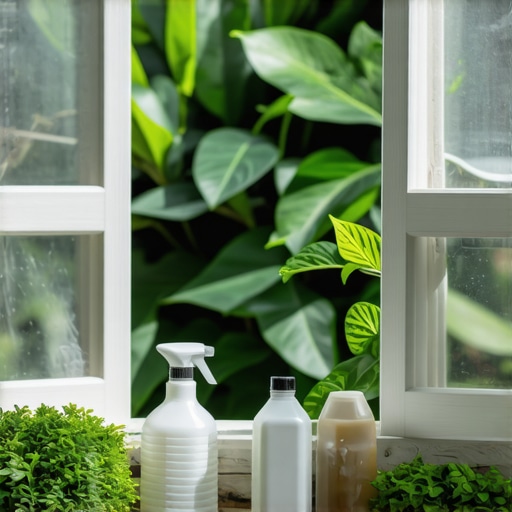
It was a typical Saturday morning when I reached for my trusty window spray to give my living room a quick shine. But as I spritzed and wiped, I suddenly felt that familiar, almost sticky residue lingering on my hands. Worse, the scent was overpowering, stinging my nose—something that used to seem so harmless. That moment was my lightbulb: I realized I didn’t want my home to smell like a chemical factory anymore, nor did I want to expose my family to those harsh fumes regularly. Life’s little cleaning moments should never leave us coughing or feeling greasy.
Why It’s Time to Rethink Your Window Cleaning Routine
In my quest for a healthier, greener home, I started exploring alternatives that didn’t sacrifice cleanliness for safety. Traditional window sprays often contain ingredients like synthetic fragrances and volatile organic compounds (VOCs), which studies have linked to respiratory issues and headaches ([EPA](https://www.epa.gov/indoor-air-quality-iaq/volatile-organic-compounds-vocs)). Yet, many of us keep using these products out of habit or skepticism about natural options working just as well.
One common mistake I made early on was believing that more chemical means cleaner windows. Spoiler alert: that’s not true. Over time, I learned that eco-friendly alternatives could be just as effective, if not more so, without the health risks. If you’ve ever felt hesitant about ditching your chemical sprays because you’re unsure about the results, I’m here to tell you—there’s a better way.
In this post, I’ll share my tried-and-true methods, backed by personal experience and expert advice, to help you achieve sparkling clean windows naturally. No more guesswork, no more harsh fumes, just simple, safe, and effective solutions you can trust. Curious if this approach really lives up to the hype? Let’s dive into the secrets of a chemical-free, eco-friendly window cleaning routine that will transform your space.
Is Eco-Friendly Cleaning Actually Worth the Hype?
I remember grappling with this question at the beginning, skeptical that natural ingredients could handle the grime and fingerprints on my windows. My initial mistake was relying on DIY concoctions that were too weak or using overly aggressive scrubbing techniques, which ultimately left streaks and frustration. But I discovered that with a few smart choices—like using baking soda or Castile soap—I could get brilliant results without damaging the environment or my health. Want to see how I finally cracked the code? Keep reading, and I’ll reveal the steps to a crystal-clear, eco-conscious window.
Ready to make your home healthier and more radiant? Let’s start with the basics of what you really need to keep your windows spotless—minus the toxic chemicals.
Gather Your Eco-Friendly Supplies
Start by collecting simple ingredients like white vinegar, baking soda, Castile soap, and distilled water. These powerhouse natural cleaners are safe and readily available. Personally, I remember the first time I tried mixing vinegar and water—my windows shone brighter than with any chemical spray. Having these ingredients on hand ensures you’re always ready for a streak-free shine.
Prepare Your Cleaning Solution
Mix one part white vinegar with two parts distilled water in a spray bottle. Add a few drops of Castile soap for extra grease-cutting power. Shake well before each use. This solution effectively dissolves dirt and grime without harsh fumes, making it perfect for weekly window maintenance. I found that pre-mixing and storing it prevented me from scrambling for supplies every time I wanted to clean.
Clean the Windows Properly
Begin by removing dust with a microfiber cloth to prevent scratching. Spray your homemade solution generously onto the glass surface. Use a squeegee or a lint-free cloth to wipe in a zigzag pattern, overlapping each stroke. For stubborn spots, let the solution sit for a minute before wiping. I once tried a quick wipe without letting the solution dwell, and the streaks persisted—patience pays off for a spotless finish.
Tip:
For corners and edges, use a soft-bristled brush dipped in your cleaning mix to reach tight spots without leaving streaks.
Dealing with Stubborn Smudges and Residue
If streaks or residue remain, buff the glass with a dry microfiber cloth to restore clarity. Remember, avoid using paper towels or rough fabrics—they can leave lint and scratches. Once, I rushed through a window and ended up with fuzzy edges; taking the time to polish with a microfiber cloth made all the difference.
Enhance Shine and Protect
After cleaning, wipe the frames and sills with a damp cloth dipped in your cleaning solution. For extra sparkle, light buffing with a dry cloth provides a streak-free mirror shine. This step prevents dust buildup and preserves the beauty of your windows longer.
Maintaining Your Windows Naturally
Regular upkeep with this eco-friendly routine keeps your windows spotless and reduces the need for heavy-duty cleaning. I recommend setting a weekly schedule, especially during pollen seasons or after stormy weather, to maintain clarity and curb dirt accumulation. Over time, you’ll notice less grime and a healthier home environment.
Check Out Expert Secrets
If you’re eager to refine your techniques, explore [effective house cleaning secrets from cleaning experts](https://spotlesscarpetz.com/effective-house-cleaning-secrets-from-cleaning-experts) for additional tips on efficient, green cleaning practices. Remember, the key is consistency and patience—your windows will thank you for the gentle, chemical-free care.
 Many homeowners assume that tackling dirt and grime with harsh chemicals is the most effective approach, but this is a pervasive misconception. In my experience, relying solely on traditional cleaning products often overlooks the nuanced ways different materials and surfaces respond to certain cleaners, leading to damage over time. For example, using bleach on colored grout is a mistake I see often, which can cause discoloration and deterioration—something many don’t realize until it’s too late. Instead, understanding the specific needs of each surface can elevate your cleaning game, as detailed in our [ultimate upholstery care guide](https://spotlesscarpetz.com/ultimate-upholstery-care-guide-for-lasting-freshness). Moreover, there’s a common myth that sanitizing equals disinfecting, but these processes are distinct; proper sanitizing can be achieved with less aggressive methods, reducing chemical exposure, as explained in our [effective sanitizing methods](https://spotlesscarpetz.com/effective-sanitizing-methods-for-a-germ-free-home). An advanced mistake I often encounter is misapplying cleaning techniques suited for surfaces like microfiber or delicate fabrics—using abrasive tools or excessive scrubbing can damage fibers permanently. For instance, some believe that scrubbing microfibers with rough brushes preserves cleanliness, but this actually wears down the fibers, diminishing their effectiveness and lifespan. It’s essential to understand the delicate balance required, which is why I recommend consulting specific guides such as our [microfiber restoration tips](https://spotlesscarpetz.com/how-to-restore-the-texture-of-a-flattened-microfiber-sofa). Have you ever fallen into this trap? Let me know in the comments.
Another nuanced point is the significance of temperature in cleaning. Many think hot water is always better for sanitization, but in fact, high temperatures can damage some surfaces or fabrics, leading to warping or color fading. For example, delicate upholstery responds better to lukewarm solutions, and using excessively hot water can weaken fibers and diminish fabric integrity. This subtlety is crucial for prolonged furniture health, as highlighted in our [upholstery care guide](https://spotlesscarpetz.com/ultimate-upholstery-care-guide-for-lasting-freshness). Understanding such intricacies helps you avoid costly mistakes and achieves professional results without hiring help. So, in your cleaning routines, focus on matching techniques to the material, rather than adopting a one-size-fits-all mindset. For more insights, see our [house cleaning strategies](https://spotlesscarpetz.com/house-cleaning-strategies-for-a-sparkling-home-today). Remember, the devil is in the details—those small nuances make all the difference in maintaining a truly spotless, safe home environment.Achieving a spotless home isn’t just about the products you choose but also the tools you invest in. As someone deeply committed to eco-friendly and efficient cleaning, I rely on specialized equipment that ensures quality results and durability over time. One standout tool I highly recommend is a high-quality microfiber mop with replaceable heads. Unlike traditional mops, microfiber versions effectively trap dirt and dust with minimal water, reducing wear on your floors and prolonging their lifespan.
Another essential is a dual-action steam cleaner designed specifically for upholstery and delicate surfaces. This device uses hot vapor to sanitize and refresh fabrics without chemicals, making it perfect for maintaining your furniture’s longevity. I personally use a model with adjustable steam levels and a variety of attachments—it allows me to remove pet dander and stains without damaging the material. Regular use of this equipment aligns with [effective house cleaning secrets from cleaning experts](https://spotlesscarpetz.com/effective-house-cleaning-secrets-from-cleaning-experts), ensuring my home remains fresh and hygienic over time.
How do I maintain cleaning tools so they serve me long-term?
Proper maintenance is crucial. I wash microfiber cloths and mop heads after every use with natural detergent and avoid fabric softeners, which can clog the fibers. For steam cleaners, I follow the manufacturer’s instructions meticulously, including descaling monthly, to prevent mineral buildup that diminishes performance. Additionally, storing tools in a dry, dust-free environment prevents mold and keeps them ready for the next use. I find that investing a little time in upkeep not only extends the life of my equipment but also maintains their efficacy, making regular cleaning sessions more effective and less time-consuming.
Future of Home Cleaning Equipment
The trend is moving toward smarter, more sustainable tools with integrated sensors and automated features—think robotic vacuums that detect dirt levels or AI-powered steam cleaners that adjust heat and steam output automatically. These innovations promise less manual effort and more consistent results, aligning with our goal of achieving a healthier home environment with less stress.
What makes a tool worth upgrading in your cleaning arsenal?
Durability, adaptability, and energy efficiency top my list. For example, upgraded vacuum filters with HEPA technology trap more allergens and last longer, reducing waste and ongoing costs. Similarly, cordless, rechargeable steam mops offer mobility and convenience, making routine maintenance easier. Remember, the right tools can transform your cleaning routine from a chore into a manageable part of your lifestyle. I encourage you to try out my recommended microfiber mop or steam cleaner and see the difference they make—your home maintenance routine will thank you.
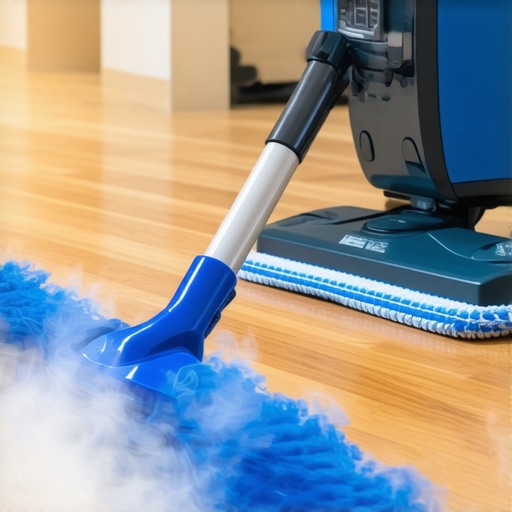
Using high-quality microfiber tools can make a significant difference in your cleaning effectiveness and equipment longevity. Here’s an image showing a microfiber mop and a steam cleaner designed for upholstery and delicate surfaces, illustrating the equipment I personally trust.
The Hardest Lesson I Learned About Upholstery and Surface Care
One key insight I uncovered was that not all cleaning methods suit every surface. For example, aggressive scrubbing can damage delicate fabrics or cause scratches on glass and wood. Patience and understanding material sensitivities helped me avoid costly mistakes—and that’s a lesson I wish I’d embraced sooner.
Why Rushing to Reach Perfection Can Backfire
I used to believe that spending more time was the only way to achieve spotless results. But I realized that slow, deliberate techniques—like gentle buffing with microfiber—are more effective and preserve the integrity of furnishings. Taking my time improved both the cleanliness and longevity of my home’s surfaces.
How Overhauling My Supplies Transformed My Routine
Switching to eco-friendly tools and solutions, such as microfiber cloths and vinegar-based sprays, was a game-changer. I found that investing in quality equipment yields better results and reduces waste and exposure to harmful chemicals. This change reinforced my commitment to a healthier, greener home.
My Secret Weapon for Refreshing My Upholstery
Using a dedicated steam cleaner designed for delicate fabrics elevated my cleaning routine. It sanitized, deodorized, and revived furniture without harsh chemicals. Discovering this tool was crucial, and I highly recommend exploring [effective house cleaning secrets from cleaning experts](https://spotlesscarpetz.com/effective-house-cleaning-secrets-from-cleaning-experts) to expand your arsenal.
Choosing Tools That Make Cleaning Less of a Chore
High-quality microfiber mops and steam cleaners have saved me time and effort. Regular maintenance of my tools—like washing microfiber cloths properly—ensures they perform optimally. Properly cared-for equipment not only extends its lifespan but also guarantees consistently superior results, transforming cleaning from a tedious task to a manageable routine.
Where to Start on Your Eco-Friendly Journey
If you’re eager to improve your cleaning habits, I encourage you to explore resources like our [ultimate upholstery care guide](https://spotlesscarpetz.com/ultimate-upholstery-care-guide-for-lasting-freshness). Remember, every small step toward safer, natural methods adds up to a cleaner, healthier home environment.
Insider Wisdom for Lasting Cleanliness
- Most homeowners overlook the importance of prep work; dusting and removing loose dirt first prevents streaks and scratches.
- Using too much product is a common mistake—less is more, especially with eco-friendly solutions.
- Temperature matters: lukewarm water is gentler on fabrics and surfaces and still effective at cleaning.
- Investing in proper tools like microfiber cloths and steam cleaners pays off in durability and results.
Embrace Your Power to Transform Your Home
Taking control of your cleaning routine with eco-friendly methods not only benefits your health but also creates a more inviting space. Small changes—like switching to vinegar solutions or upgrading your tools—can produce noticeable differences. Remember, your home’s cleanliness is a reflection of your care for yourself and your loved ones.