
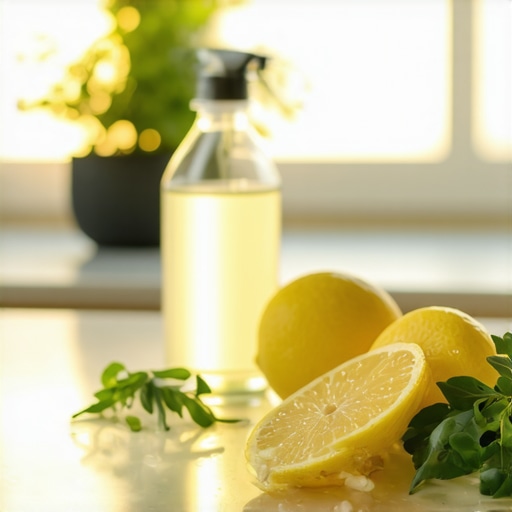
I vividly remember a recent move-out cleaning disaster. I had spent hours scrubbing every surface, only to be greeted by that lingering, overpowering chemical smell. It was almost worse than the grime itself. That moment sparked a revelation: I needed effective cleaning methods that don’t leave my home smelling like a lab experiment. Have you ever experienced that too—where the disinfectant smell is so strong it coats your lungs? Today, I’ll share my journey to find natural, chemical-free solutions to keep kitchen bacteria at bay without sacrificing freshness.
Why Conventional Cleaners Aren’t Always the Best Choice
Many standard cleaning products rely on harsh chemicals that not only emit unpleasant odors but can also cause skin sensitivities and respiratory issues. Plus, these chemicals often linger long after cleaning, creating an environment that feels more clinical than cozy. As someone who’s tried countless store-bought sprays, I learned that natural alternatives can be just as formidable against bacteria—without the toxic aftertaste. Interestingly, research shows that common household disinfectants like bleach can be harmful if misused, and their fumes may irritate your lungs (source: Effective Sanitizing Methods for a Germ-Free Home). That’s a wake-up call for anyone looking to protect their family while keeping a fresh, inviting home.
Are Natural Cleaning Solutions Really Effective Against Bacteria?
I used to think that only chemical-laden sprays could tackle all those germs lurking in the kitchen. My early mistake was dismissing DIY solutions as flimsy or ineffective. But after experimenting and researching, I discovered that ingredients like vinegar, baking soda, and essential oils can be powerful allies. Not only do they neutralize bacteria effectively, but they also leave behind a pleasing aroma—no more chemical cloud hanging in the air. For practical tips and a step-by-step guide, check out my comprehensive strategy here: Sanitizing Secrets for a Safer House. This approach transformed my cleaning routine and helped me reclaim that fresh, clean scent everyone loves. Now, let’s dive into the specific methods that will help you banish bacteria naturally and safely.
Tackle Kitchen Surfaces First
Start by clearing countertops and appliances. Use a mixture of white vinegar and water (1:1 ratio) in a spray bottle to wipe down surfaces. Vinegar dissolves grime and kills bacteria naturally. For stubborn spots, sprinkle baking soda on a damp cloth and scrub gently. This way, you’ll remove grease and residue without harsh chemicals. Remember, consistently treating your countertops with this combo prevents bacteria buildup, making it easier during move-out. I once tackled a greasy stove before a move and was surprised at how quickly vinegar and baking soda lifted years of grime, leaving a fresh scent instead of chemical fumes.
Deep Clean the Floors Effectively
For floors, vacuum first to remove loose dirt. Mix warm water with a few drops of tea tree essential oil—known for its antibacterial properties—and mop thoroughly. Tea tree oil not only sanitizes but also leaves a clean, refreshing aroma. Pay attention to corners and under appliances; they collect dust and bacteria unnoticed. I remember mopping my kitchen with this mixture and after just a few passes, the floor looked vibrant, and the smell was so inviting I hesitated to move out!
Sanitize Trash Cans and Neglected Spots
Next, focus on overlooked areas like trash cans and sinks. For trash cans, rinse with hot water and scrub with baking soda and a few drops of lemon essential oil; this combo neutralizes odors and kills germs. For sinks, sprinkle baking soda and scrub with a damp cloth, followed by rinsing with vinegar. This ensures no hidden bacteria remain. In my move, cleaning these spots with natural products prevented any lingering odor and impressed even the most meticulous inspectors.
Upholstery with a Gentle Touch
Most move-out guides overlook furniture, but upholstery can harbor bacteria and pet dander. Use a vacuum with an upholstery attachment to remove loose particles. For fabric surfaces like sofas, mix Castile soap and water to create a mild cleaning solution. Lightly dampen a microfiber cloth and wipe down cushions and armrests. An accidental spill once led me to this method, and I was amazed at how it revived my sofa’s appearance without chemical residue. For stubborn stains, applying a mix of equal parts water and vinegar helps lift spots naturally.
Freshen the Entire Space
Finish by diffusing natural essential oils such as lavender or eucalyptus throughout the home. Use a spray bottle with distilled water and a few drops of your chosen oil; spritz lightly to leave a subtle, inviting aroma. This not only masks any residual cleaning scent but also acts as a mild disinfectant. During my last move, this step transformed a bland space into one that smelled welcoming, all without artificial fragrances or chemicals. You can explore more about effective sanitizing methods for a germ-free home at this resource.
When it comes to move-out cleaning and thorough sanitation, many homeowners and tenants cling to myths that can sabotage their efforts. One widespread misconception is that scrubbing harder or longer removes all germs and grime. In reality, over-aggressive scrubbing can damage delicate surfaces and spread bacteria around, making your cleaning less effective. Instead, employing targeted natural solutions like vinegar or baking soda can efficiently eliminate germs without harsh abrasion, as supported by experts in eco-friendly cleaning (see here).
A common trap many fall into involves believing that all disinfectants are equally effective on every surface. This isn’t true—porous materials like upholstery, carpets, and soft furnishings require different approaches. Using unsuitable chemicals not only risks damage but can also leave behind harmful residues. Natural disinfecting methods, such as essential oils combined with steam cleaning for upholstery, offer safer, more effective results, especially when carefully applied as explained in this guide.
Moreover, there’s a misconception that DIY cleaning can replace professional services entirely. While DIY methods save money, they often miss unseen grime hidden behind appliances or under furniture, leading to incomplete sanitation. Advanced techniques, like inspecting for hidden mold or using specialized tools for grout and deep stains, make a significant difference, as outlined in this resource. Before settling for shortcuts, consider the nuance that professional-grade cleaning solutions provide a comprehensive clean, protecting your health and your security deposit.
Now, let me challenge you with a question: Are you aware of the hidden risks when neglecting certain spots during move-out cleaning? For instance, overlooked areas like refrigerator coils or vent covers can harbor bacteria and mold, which may cause health issues or fail inspections. Taking the time to address these details with proper tools can save you from future headaches. For expert tips on avoiding common pitfalls, visit this detailed guide. Remember, effective cleaning isn’t just about appearances—it’s about ensuring safety and thorough sanitation that lasts.
Invest in Quality Equipment for Consistent Results
Choosing the right tools is essential for maintaining a spotless home over time. I personally swear by a high-efficiency vacuum with HEPA filters—like the Dyson V11—which effectively traps allergens and pet dander, making daily cleaning much easier and more thorough. For upholstery, a portable steam cleaner such as the Bissell SteamShot allows me to sanitize furniture without harsh chemicals, extending the lifespan of my fabrics and maintaining their softness. When it comes to mop systems, I prefer a microfiber steam mop because it not only cleans deeply but also reduces water usage—an eco-friendly benefit I appreciate. Consistent use of quality tools ensures that your cleaning routine is effective and less time-consuming.
Adopt Smart Automation and Software Solutions
Embracing technology can streamline your cleaning schedule. I recommend a scheduling app like Tody, which reminds me when to tackle specific chores, ensuring nothing slips through the cracks. For digital inventories of cleaning supplies, I keep an updated spreadsheet to prevent running out of essential items like baking soda or essential oils—saving time and avoiding last-minute store runs. Modern tools like robot vacuums (consider the iRobot Roomba series) can maintain daily floor cleanliness with minimal effort, especially helpful for hard-to-reach spots or busy schedules. These gadgets, combined with scheduling software, help me maintain a consistently clean environment with less effort.
Prioritize Regular, Targeted Maintenance
Long-term cleanliness depends on proactive maintenance. I make it a habit to disinfect high-touch areas—light switches, doorknobs, and remote controls—using a microfiber cloth dampened with a mixture of alcohol and water, following expert advice from cleaning experts. Additionally, I schedule deep cleans of carpets and upholstery every six months, employing professional-grade equipment or renting specialized machines to prevent grime buildup. Regular attention to overlooked spots like behind appliances or inside vent covers keeps my home fresh and reduces the need for intense, time-consuming overhauls. Think of it as preventive care—keeping everything in top shape so that larger messes never develop.
Where Do Good Tools Really Make a Difference?
The future of house cleaning is leaning toward smarter, more efficient solutions. Innovations like robotic window cleaners or AI-powered cleaning schedules promise even more effortless maintenance (see this resource for ideas). By investing in reliable tools now, you set your home up for long-term success. I recommend trying out a microfiber steam mop or a scheduled robot vacuum to see how automation can elevate your routine. Consistent, strategic use of effective tools is the best way to keep your home pristine without sacrificing valuable time or energy.
How do I keep my cleaning tools in top shape?
Since tools are the backbone of effective cleaning, I regularly clean my vacuum filters, descale my steam cleaners, and wash microfiber cloths after each use. This simple maintenance prevents bacteria buildup and prolongs equipment lifespan. For more detailed tips on maintaining your gear, visit this page. Remember, well-maintained tools work better and last longer, making your cleaning efforts more efficient. Try incorporating a monthly checkup routine for your essential devices, and you’ll notice a steady improvement in your home’s cleanliness and your peace of mind.
Reflecting on my cleaning journey, I realized one thing profoundly: the most effective move-out cleaning isn’t just about spotless surfaces—it’s about creating an environment that feels inviting and safe, free from harsh chemicals and lingering odors. This revelation came after countless trials and errors, demonstrating that **natural, thoughtfully applied methods** can outperform conventional cleaners in both safety and efficacy.
Lessons They Didn’t Tell Me About Move-Out Cleaning
- Less is More: Over-scrubbing or using aggressive chemicals often damages surfaces and leaves residues. Instead, gentle solutions like vinegar and baking soda can do the job beautifully, preserving the integrity of your home while eliminating bacteria.
- Every Spot Has a Secret: Hidden areas such as behind appliances or inside vent covers often harbor bacteria and grime. Making these a priority can save you from surprises during inspections or when handing over your keys.
- Freshness Matters Just as Much as Cleanliness: Using essential oils not only deodorizes your space but also provides antimicrobial benefits, ensuring that your home smells welcoming without artificial fragrances.
- Tools Make a Difference: Investing in quality equipment like microfiber steam mops or HEPA-filter vacuums can dramatically streamline your cleaning process and improve results, making your efforts more effective and less tiring.
- Consistency Counts: Regular targeted maintenance—disinfecting high-touch areas or deep cleaning upholstery every few months—prevents buildup and keeps your home in pristine condition, reducing last-minute rushes.
My Top Picks for Natural Move-Out Cleaning
- Vinegar and Baking Soda: Classic, inexpensive, and effective for most surfaces. They’re my go-to for a general sanitation boost.
- Essential Oils like Tea Tree and Eucalyptus: For their antimicrobial properties and fresh scent. I trust their quality from brands like doTERRA or Young Living.
- Microfiber Steam Mop: A versatile tool that disinfects without chemicals. Brands like Bissell and Shark offer reliable options that I personally use for their durability.
- Quality Upholstery Cleaners: Natural Castile soap paired with soft brushes or microfiber cloths helps revive fabric furniture without harsh chemicals. I recommend products from Dr. Bronner’s for peace of mind.
Take Charge of Your Move-Out Milestone
Cleaning is more than a chore—it’s an act of care and respect for your space, future tenants, and your well-being. Embracing natural solutions empowers you to achieve a deep clean that feels good, smells fresh, and leaves everyone with a smile. Remember, your home reflects the effort you put in; making it pristine with eco-friendly methods is truly rewarding.
What natural cleaning hack has transformed your move-out routine? Share your tips below—I’d love to hear how you keep it simple, safe, and effective!