
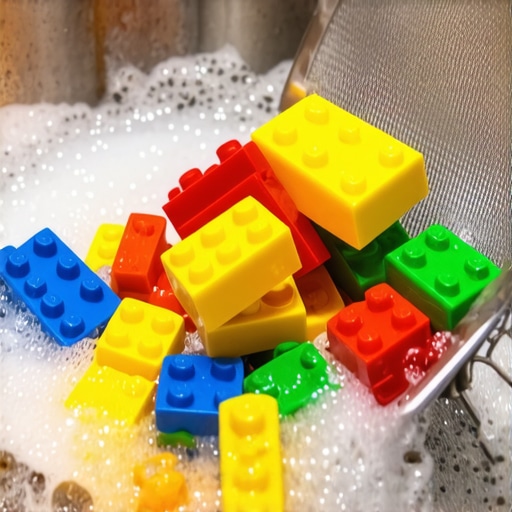
I’ll never forget the Tuesday afternoon I stepped on a particularly sticky, bright red plastic brick while rushing to answer the door. It wasn’t just the sharp pain in my heel that got me; it was the realization that the brick was literally stuck to my foot. Between the toddler saliva, the juice spills, and the inevitable mystery grime, those building blocks had become a sprawling, multicolored biohazard. I looked at the three giant bins of blocks and felt an immediate sense of defeat. I used to be the parent who tried to wipe every single stud with a disinfectant wipe, but let’s be honest: who has four hours to spend scrubbing plastic rectangles while the rest of the house is falling apart around them?
Stop wasting your weekends scrubbing individual bricks
We’ve all been there, standing over the sink with a toothbrush, feeling like we’re performing surgery on a piece of plastic that’s just going to get dropped in a pile of dog hair five minutes later. After years of trial and error—including a disastrous attempt where I tried to boil them (spoiler: they warp and turn into weird plastic blobs)—I finally figured out a system. You need effective sanitizing methods for a germ-free home that actually respect your time. Whether you are dealing with a post-playdate mess or doing a deep dive as part of your house cleaning strategies for a sparkling home today, the goal is speed and efficiency.
Is it really possible to get them germ-free in minutes?
You might be skeptical. I certainly was. I used to think if I didn’t smell harsh bleach, it wasn’t clean. But did you know that certain viruses, like the flu, can actually survive on non-porous plastic surfaces for up to 48 hours? According to a study published in the Journal of Applied Microbiology, plastic is one of the most resilient surfaces for germs to cling to. That’s why just giving them a quick dusting isn’t enough, especially during cold and flu season when you’re sanitizing door knobs and every other high-touch surface. I’ve learned the hard way that you need a method that reaches into every tiny crevice without requiring you to touch every piece. Today, I’m sharing the exact routine I use to blast through thousands of blocks in less time than it takes to watch a sitcom. We’re going to talk about why my early mistakes cost me a fortune in ruined toys and how you can avoid the same fate. Have you ever looked at your kid’s toy box and wondered if it was actually safer to just throw the whole thing away and start over? Trust me, I’ve been there too. But before you reach for the trash bag or commit to a marathon cleaning session, let’s look at the sanitizing hacks for safe house transitions that will save your sanity and your plastic bricks. [image_placeholder]
Bag them up before you start scrubbing
Instead of chasing individual pieces around a slippery tub, you need to contain the chaos. Think of this as a laundry cycle for your toys. Grab several mesh laundry bags—the kind you use for delicates. Fill them about halfway with the dirty bricks. If you overfill them, the water and soap won’t reach the pieces in the middle, and you’ll end up with ‘clean’ bricks that still have sticky residue hidden in the studs. This is one of the most effective sanitizing methods for a germ-free home because it allows for maximum water flow while keeping the pieces organized.
Keep the water warm but never boiling
I learned this the hard way: heat is the enemy of precision-molded plastic. You want the water to be about the temperature of a comfortable bath—roughly 104°F (40°C). Any hotter and you risk warping the clutch power of the bricks, meaning they won’t click together anymore. Use a mild dish soap or a specialized toy cleaner. If you’re dealing with a post-illness situation and need sanitizing secrets for a safer house in 2025, you can add a tiny amount of bleach—about one tablespoon per gallon of water—but only if the bricks are color-fast and you’ve tested a small piece first. Submerge the bags and agitate them manually. Swirl them around like you’re kneading bread. This movement forces the soapy water into the tubes and under the studs where the real grime lives.
The air-dry setup that prevents mold
Once you’ve rinsed the bags thoroughly in cold water to remove any soap film, the drying phase begins. This is where most people fail and end up with musty-smelling toys. Spread a large, thick beach towel out on a flat surface—bonus points if you do this near a sunny window or under a ceiling fan. Dump the bricks out of the bags and spread them in a single layer. You want as much surface area as possible exposed to the air. This is similar to how you’d handle delicate fabrics mentioned in an ultimate upholstery care guide for lasting freshness.
My failed salad spinner experiment
I once thought I could speed up this process by using a salad spinner. I figured centrifugal force would blast the water out of the tubes in seconds. I tossed in a batch of red and blue bricks and spun it as fast as I could. The noise was deafening—it sounded like a hailstorm inside my kitchen. Suddenly, a sharp crack echoed through the room. The centrifugal force had sent a heavy brick flying against the side of the plastic bowl, shattering the spinner’s lid. Not only was I still left with wet bricks, but I also had to pick plastic shards out of the pile. Now, I simply use a box fan. I set the fan to medium and point it directly at the towel. I go over every hour or so and give the bricks a quick stir with my hands to flip them over. This simple mechanical action is a staple in any daily house cleaning routine to maintain perfection.
Why the dishwasher is a gamble you probably should not take
You’ll see a lot of ‘hacks’ online suggesting you throw the mesh bags into the dishwasher. While some people swear by it, I strongly advise against it for anything other than basic, large blocks. The heating element in most dishwashers is far too intense and poorly regulated for the thin plastic of modern building sets. It’s better to stick to manual methods that mirror the care used in house cleaning strategies for a sparkling home today. If you must use a machine, ensure the ‘heated dry’ cycle is completely turned off, but even then, the risk of losing a high-priced set to a warped baseplate just isn’t worth the thirty minutes you save.Everyone tells you that vinegar and water is the ultimate ‘safe’ solution for your home, especially when you are worried about chemicals around your kids. However, if I’m being honest, relying solely on vinegar for heavy-duty toy cleaning is a mistake that could leave your family vulnerable. While vinegar is a fantastic descaler, it is not a registered disinfectant. It doesn’t kill high-level pathogens like salmonella or the flu virus as effectively as we’d like to believe. In my experience, if you are following effective sanitizing methods for a germ-free home, you have to recognize when a ‘natural’ solution just isn’t enough.
The dangerous myth of the all-natural vinegar spray
Many parents think they are being safe by avoiding traditional cleaners, but the reality is more complex. According to a 2021 study published in the American Journal of Infection Control, many common pathogens can survive on household surfaces for weeks if they aren’t neutralized with a proper surfactant and disinfectant that has sufficient dwell time. This is especially true for plastic bricks, which have high surface area. If you’re trying to implement house cleaning strategies for a sparkling home today, you need to understand that cleaning and disinfecting are two different steps. Cleaning removes the dirt; disinfecting kills the germs. [image_placeholder]
Does your cleaning routine account for invisible biofilms?
This is the advanced level of cleaning that most people miss. Bacteria don’t just sit on the surface; they create a ‘biofilm’—a slimy, protective layer that makes them harder to kill. If you just spray and immediately wipe, you’re only touching the top layer of that film. This is why my mesh bag method works so well; the agitation and soaking time physically break down the biofilm before the sanitizer even starts working. I’ve seen people make this same mistake during a move-out clean checklist to simplify your transition, where they wipe down a kitchen counter and assume it’s sterile. In reality, without that physical agitation, the germs are still there, hiding in plain sight.
Why heat isn’t always the best disinfectant
The ‘Oops’ factor I see most often is the over-reliance on heat. People assume that ‘hotter is better’ and reach for a steam cleaner for everything from toys to sofas. But just as a steam mop can be one of the reasons why your steam mop might be damaging your laminate floors, high heat can permanently warp the precision fit of your plastic building blocks or ruin the backing of your favorite chair. This is a common trap in upholstery cleaning tips for a fresh home revival as well. If you apply too much heat to certain synthetic fibers, you can literally melt them, creating a permanent crunchy texture that no amount of fabric softener can fix.
Are microscopic scratches harboring more germs than you think?
Every time you use an abrasive sponge or a stiff wire brush to scrub a plastic toy or a delicate surface, you are creating microscopic ‘caves.’ These tiny scratches are the perfect breeding ground for bacteria because most wipes can’t reach inside them. This is why I always recommend soft cloths or the ‘soak and agitate’ method. Whether you are following a daily house cleaning routine to maintain perfection or doing a deep dive into ultimate upholstery care guide for lasting freshness, the goal is to clean without compromising the integrity of the material. Have you ever accidentally ruined a toy or a piece of furniture by being ‘too’ thorough? Let me know in the comments below, because we’ve all been there!I’ve spent way too much money on gadgets that promised to make cleaning easier, only to have them end up in the back of my pantry gathering dust. But if you’re serious about keeping plastic bricks or upholstery in peak condition, you need to invest in a few high-quality basics. I swear by extra-thick mesh bags with plastic-coated zippers. Metal zippers can actually scratch plastic surfaces during the agitation phase, creating those tiny bacteria caves I mentioned earlier. I also use a specialized soft-bristle detailing brush—the kind car enthusiasts use for dashboards—because it is perfect for flicking dust out of the underside of baseplates without scratching the finish. Learning these effective house cleaning secrets from cleaning experts changed how I view my weekend chores.
How do I maintain my toy collection’s sparkle over time?
The secret isn’t a massive monthly scrub; it’s the pre-wash mindset. I keep a small spray bottle of diluted, toy-safe soap near the play area. If I see a sticky handprint, I wipe it immediately. This prevents the grime from hardening into that impossible-to-remove lacquer. It’s the same logic behind a daily house cleaning routine to maintain perfection. If you’re preparing for a move, these small habits are lifesavers for your move-out cleaning hacks ensure your deposit refund because you won’t be facing years of built-up residue at the last minute. Looking ahead, I suspect we’re going to see more UV-C sanitizing boxes specifically designed for home toy storage. While high-end labs already use this technology, the Association for Professionals in Infection Control and Epidemiology (APIC) emphasizes that UV light requires a direct line-of-sight to work. This means you will still need to clean the physical dirt off first; you can’t just shine a light on a dirty brick and call it safe. 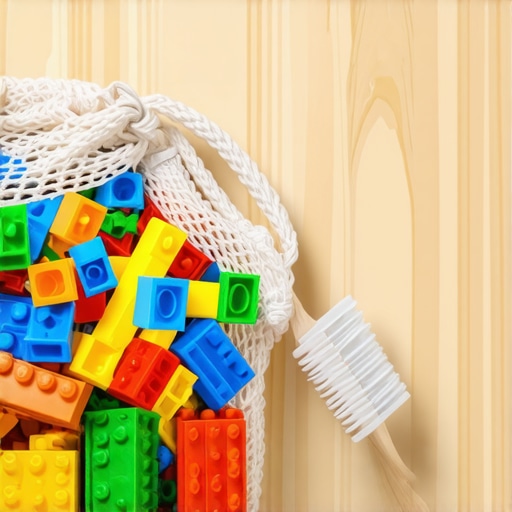
Scaling the system for a whole house
If you have a massive collection or are dealing with a whole house sanitization after a flu outbreak, don’t try to do it all in one day. Focus on one category at a time to prevent burnout and ensure you don’t miss the details. Whether you are hunting for sanitizing secrets for a safer house in 2025 or just trying to get through the week, remember that consistency beats intensity every single time. My challenge for you: try the one bag a day method this week. Just grab one laundry bag of toys and give them the soak treatment while you’re making dinner. You’ll be amazed at how quickly you can cycle through a whole playroom without losing your mind!
The Stealthiest Bacteria Traps I Nearly Missed
After years of sanitizing these tiny toys, I realized that the real enemy isn’t just the visible juice stain; it’s the soap residue. If you don’t rinse until the water is crystal clear, that leftover film acts like a magnet for cat hair and dust. I also learned that sun-drying is great for sanitization, but too much UV can actually make your white bricks turn a sickly yellow over time. It’s a delicate balance of speed and care that separates a clean toy from a ruined one. You have to be meticulous about the rinse phase to ensure those effective sanitizing methods for a germ-free home actually leave the surface safe for little hands.
The Only Gear I Trust for the Heavy Lifting
You don’t need a pantry full of expensive gadgets, but you do need the right physical tools. I always recommend heavy-duty mesh bags with plastic-coated zippers—not the flimsy ones that burst mid-agitation and send plastic pieces flying into your drain. These are some of the effective house cleaning secrets from cleaning experts that actually make a difference in your workflow. If you’re dealing with stubborn grease from snacks, check out why lemon juice is better than bleach for cutting through grease on some surfaces, but stick to the mild soap for your high-value sets to protect their color. For a broader approach to your whole home, keeping a set of sanitizing secrets for a safer house in 2025 on hand will help you stay ahead of the next flu season.
Time to Bring Back the Sparkle
Cleaning shouldn’t feel like a punishment or a weekend-long ordeal. Once you see that first batch of bricks shining under the light, you’ll feel a massive weight lift off your shoulders. Integrating this simple mesh-bag soak into your daily house cleaning routine to maintain perfection prevents the mess from becoming an insurmountable mountain. Go ahead and start with just one small bin today. Your feet—and your kids—will thank you for the fresh start! Which color brick is the hardest to keep clean in your house? Drop a comment below and let’s compare notes!