
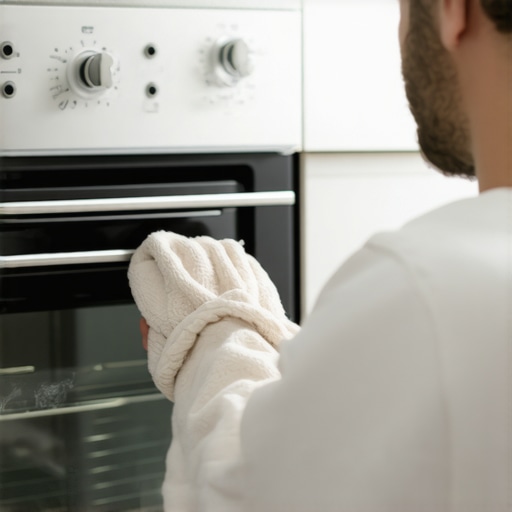
Have you ever peeked through your oven door and noticed a grimy film or mysterious streaks hiding between the glass panels? I remember the first time I saw that thick layer of grease and dust trapped inside my oven door and thought, “There’s no way I can clean this without calling in a professional.” Honestly, it felt like a daunting, impossible task—like trying to solve a puzzle with missing pieces.
But here’s the thing: after countless failed attempts and a few frustrated trips to the hardware store, I discovered that cleaning between the glass on your oven door isn’t as complicated as it seems. I’ve managed to do it myself, and you can too. Today, I’ll share my honest, tried-and-true methods to help you get your oven looking spotless without the need for costly repairs or technicians.
Why Accessing the Inside of Your Oven Door Matters More Than You Think
Cleanliness isn’t just about aesthetics. Grime trapped between oven glass panes can impact your oven’s efficiency and even pose health risks over time. Studies have shown that accumulated grease can harbor bacteria and mold, which are hard to reach and clean through regular surface wiping. Plus, if left untreated, this grime can cause the glass to fog up or crack prematurely.
Many folks shy away from trying to clean between the glass because they assume it’s an expert’s job. However, knowing how to access and clean that seldom-seen spot can save you money and extend the life of your appliance. It also means less stress during those dreaded move-out inspections or when hosting family dinners and wanting your kitchen to shine.
If you’ve ever felt overwhelmed by the idea of dismantling your oven door, you’re not alone. I remember my first attempt—you have to be cautious because improper disassembly can damage the door or void the warranty. That said, with a few careful steps, you can do it yourself safely.
Before we jump into the detailed process, I want to warn you about a common mistake I made early on: rushing into disassembly without consulting the manufacturer’s instructions. It’s tempting to jump straight in with tools, but taking time to review your oven’s manual—available online if you no longer have it—can prevent accidental damage.
Now, if you’re ready to see how I tackled this challenge, let’s get into the step-by-step methods that truly work. And yes, you’ll be surprised at how doable it is to bring that sparkle back to your oven, all without waiting for a technician to come in and do the dirty work for you.
Disassemble the Oven Door Carefully
Start by unplugging your oven and locating the screws at the back or sides of the door—use a Phillips screwdriver to remove them. Remember, I once rushed this step and accidentally stripped a screw; take your time and keep track of all parts. Gently lift off the door, placing it on a soft surface to prevent scratches.
Remove the Glass Panel Safely
With the door separated, identify the clips or screws holding the glass in place. Carefully detach the glass, supporting it with both hands. To prevent dropping, lay a towel underneath. When I did this, I realized the top glass was held by tiny clips—missing them could lead to costly replacements. Handle the glass with clean gloves to avoid fingerprints.
Clean Between the Glass Panes
Utilize a soft brush or a mini vacuum cleaner to remove loose dust. Dampen a microfiber cloth with a mixture of equal parts water and vinegar—an effective natural cleaner. Wipe gently along the edges, avoiding excessive moisture. Once, I found a stubborn grease streak—using a plastic spatula to lift it prevented scratching the glass.
Reassemble with Precision
Carefully reinsert the glass into its frame, ensuring clips or screws align properly. Double-check that no dust or fingerprints are left. When reattaching the door, tighten all screws evenly, avoiding over-tightening which could crack the glass. My first attempt ended with a slight crack because I skipped this step—patience here saves money.
Test the Repaired Oven and Keep It Clean
Plug your oven back in and inspect for proper operation. Wipe down the exterior with a gentle cleaner to keep it looking pristine. Regularly cleaning the oven door glass prevents grime buildup, making future maintenance easier. For your convenience, consider setting reminders or incorporating this task into your monthly cleaning routine, which can be streamlined with tips from professional cleaning secrets.
Many people believe that move-out cleaning is simply about surface wiping or using strong chemicals, but in reality, this approach often misses the mark, leading to deposit deductions or incomplete sanitation. A prevalent myth is that thorough scrubbing with bleach or heavy-duty cleaners guarantees a spotless home; however, overusing harsh chemicals can damage surfaces and pose health risks, especially when cleaning upholstery or delicate fixtures. Instead, understanding the nuanced techniques—like proper ventilation and selecting gentler, effective solutions—is key to achieving comprehensive cleanliness.
An often-overlooked aspect is the importance of pre-inspection checks before finalizing a cleaning job. For example, neglecting to verify hidden spots like behind appliances or under furniture can result in failing move-out inspections. Advanced cleaning isn’t just about visible dirt; it involves meticulous attention to areas where grime and bacteria accumulate silently, such as concealed corners or fabric folds.
Regarding upholstery, a common mistake is over-wetting fabrics or relying solely on generic spray cleaners. This can lead to mold growth or fabric deterioration over time. Professional advice suggests combining spot treatments with proper drying techniques—using low heat or fans—to prevent future issues. For instance, employing specific cleaning agents designed for microfibers or delicate textiles preserves the integrity and appearance of your furnishings.
What are the misconceptions about sanitizing versus cleaning?
Many assume that cleaning and sanitizing are interchangeable, but they serve different purposes. Cleaning removes dirt and debris, while sanitizing reduces microbial presence. Overemphasizing sanitization without proper cleaning can leave residues that harbor bacteria beneath surfaces. Studies from the CDC highlight that effective sanitation requires a two-step process—thorough cleaning first, followed by sanitizing—to genuinely lower infection risks, especially in households with allergy sufferers or pets. For more detailed insights, explore sanitizing hacks for safe house transitions.
A critical trap to avoid is using inappropriate cleaning products for specific materials. For example, using ammonia-based cleaners on upholstery can cause discoloration or fabric damage. Always check manufacturer recommendations or opt for specially formulated products, which are often more effective and safer for your surfaces. Remember, the quality of your cleaning tools matters too—microfiber cloths, soft brushes, and vacuum attachments designed for upholstery can make a significant difference.
Have you ever fallen into this trap? Let me know in the comments. Addressing these hidden nuances ensures your cleaning efforts are truly effective, saving you time and money while extending the lifespan of your belongings.Maintaining your cleaning tools and equipment ensures long-term effectiveness and saves you money over time. Personally, I swear by investing in high-quality microfiber cloths and a reliable steam cleaner, which have drastically improved my cleaning efficiency. For example, a good microfiber cloth not only lasts longer but also captures dirt and bacteria more effectively than traditional cotton rags, making it indispensable for everything from dusting to upholstery refreshes. When choosing cleaning appliances, I prioritize models with easily accessible filters and multiple settings, like my favorite steam mop, which adapts seamlessly to different surfaces and stubborn stains.
Beyond equipment, I also recommend developing a routine maintenance schedule. For instance, cleaning your vacuum filter every month prevents buildup that can cause poor suction and shortens the device’s lifespan. Similarly, descaling your steam cleaner with vinegar solutions prevents mineral deposits that might streak floors or furniture. These small, consistent actions extend the lifespan of your tools and maintain their cleaning power.
How do I keep my cleaning tools in prime condition over time?
Regularly inspecting your equipment is key. This includes checking for wear and tear, replacing worn brushes, or pads before they become ineffective. Additionally, I always follow manufacturer instructions for cleaning and storing my tools to avoid accidental damage—something I learned the hard way early on.
As cleaning technology evolves, so do the tools we use. In the future, smart vacuums with self-cleaning filters and app-controlled settings will become more accessible, simplifying maintenance further. Embracing these innovations now can future-proof your cleaning routine and ensure your equipment remains effective longer.
Remember, proper maintenance isn’t just about prolonging the life of your tools; it’s also about ensuring your home stays truly clean and sanitized. For some expert strategies on maintaining your house cleaning arsenal, browse through professional cleaning secrets.
One effective tip you might try today is regularly replacing your vacuum’s HEPA filters according to manufacturer recommendations. Not only does this keep your vacuum performing optimally, but it also improves indoor air quality—vital for households with allergy sufferers. For a detailed guide on maintaining your vacuum, visit why your vacuum filter matters.
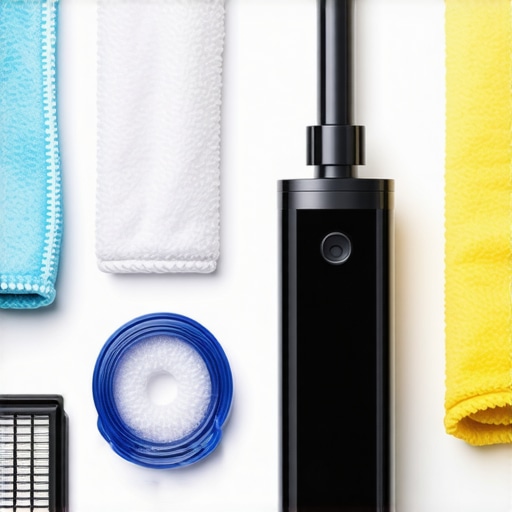 ;Description: Microfiber cleaning cloths stacked neatly alongside a steam cleaner, showcasing essential tools for quality house cleaning.;Title: Essential Cleaning Tools for Longevity;Alt: Microfiber cloths and steam cleaner ready for routine maintenance.
The Hardest Lesson I Learned About Move-Out Cleaning and Upholstery
One of my most significant realizations was that rushing through cleaning tasks often leads to overlooked spots, causing deposit deductions or dissatisfaction. Taking the time to pay attention to neglected areas, like behind appliances or under furniture, ensures thorough sanitation and peace of mind. This patience has saved me countless headaches and improved my overall cleaning results.
3 Myths About Move-Out Cleaning That Held Me Back
Believing that harsh chemicals alone guarantee cleanliness or that vacuuming is enough for upholstery was a mistake. In reality, choosing gentle, effective solutions and employing proper techniques—like using microfiber cloths or trained brushes—makes a massive difference. Challenging these myths transformed my approach to cleaning, leading to healthier homes and better-maintained furnishings.
What Experts Won’t Tell You About Upholstery and Move-Out Sanitation
Professional cleaners often emphasize the importance of routine maintenance and using specific tools—like steam cleaners and appropriate stain removers—to prolong upholstery life. Additionally, they recommend inspecting hidden spots and practicing preventative measures. Embracing these expert insights has radically improved my cleaning efficiency and the longevity of my furniture.
Where to Go from Here
My top recommendation is to invest in quality tools such as microfiber cloths and steam cleaners, which I trust for their durability and effectiveness. Supplement your toolkit with expert-recommended cleaners, and don’t hesitate to explore resources like professional house cleaning secrets for ongoing tips. Consistent efforts and proper equipment will make your move-out process less stressful and your upholstery look as good as new.
Your Turn to Revolutionize Your Cleaning Routine
Remember, mastering move-out cleaning and upholstery care isn’t just about aesthetics—it’s about creating a healthier, more comfortable environment for you and your loved ones. With patience, the right tools, and a willingness to learn, you’ll be amazed at how effortlessly you’ll achieve professional-quality results. Keep pushing your boundaries—you’re capable of transforming your space with confidence.
Have you ever struggled with tackling those hard-to-reach spots or stubborn stains? Share your experiences below and let’s grow together in our cleaning journeys!