
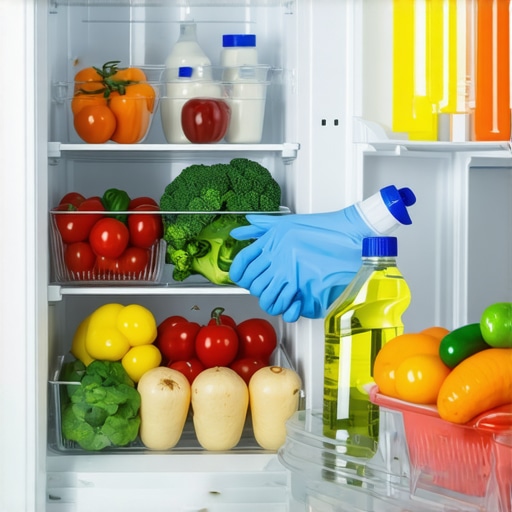
It was a typical Sunday afternoon when I opened my fridge and was met with the unmistakable smell of last week’s forgotten blueberries lingering after an accidental spill. The mess was hidden behind a slightly ajar door, and I realized I’d neglected this chore far too often. That moment was my lightbulb — if I didn’t tackle this properly, my kitchen’s freshness could be compromised, and worse, bacteria could be lurking where I can’t see.
Why Proper Refrigerator Sanitization Is More Important Than Ever
A food spill might seem trivial at first, but let me tell you, it can turn into a breeding ground for germs, mold, and unpleasant odors if not addressed swiftly and effectively. I learned this the hard way early in my cleaning journey when I underestimated the importance of thorough cleaning. A quick wipe-down might make your fridge look clean, but it often leaves behind bacteria and residue that can contaminate fresh groceries or even make your family sick. In fact, research shows that refrigerators can harbor bacteria like E. coli and Salmonella if not sanitized regularly (CDC). That was a wake-up call for me.
Now, I want to help you avoid my mistakes and share a foolproof method to sanitize your refrigerator after a food spill. We’ll cover the essential steps, ensuring your fridge stays bacteria-free, smell fresh, and ready for your next grocery haul.
Is Over-Scrubbing Really Necessary? Busting My Early Mistake
Back at the start, I believed scrubbing fiercely was the way to go. Turns out, I was overdoing it — using harsh chemicals and abrasive scrubbing pads that damaged the surfaces and sometimes left streaks. I’ve since learned that gentle, targeted cleaning with the right products is more effective and safer for your appliance. If you’re worried about wasting time or not doing enough, rest assured: with the correct approach, you’ll be cleaning smarter, not harder. Want to learn about expert-approved cleaning hacks? You might find some surprising tips in these effective house cleaning secrets.
Let’s dive into the step-by-step routine that will transform your fridge from grimy to gloriously clean, ensuring your food stays safe and your kitchen stays fresh.
Remove All Items and Unplug the Refrigerator
Start by emptying your fridge completely, discarding any spoiled or spilled food. Unplug the appliance to ensure safety while cleaning. I recall a time when I left perishable items inside, only to find mold developing; unplugging prevents accidents and conserves energy.
Scrape Off Loose Debris and Surface Residue
Use a plastic scraper or spatula to gently remove sticky or hardened spills. Think of it like peeling paint—patience avoids damaging sensitive surfaces. Once, I struggled with a stubborn, dried syrup mess, which I loosened with a plastic putty knife, making the cleaning smoother.
Prepare a Gentle Cleaning Solution
Mix warm water with a small amount of mild dish soap or use a specialized appliance cleaner. Avoid harsh chemicals like bleach or ammonia that can damage fridge surfaces. I recommend avoiding vinegar on certain materials, as it can cause discoloration here.
Clean Shelves and Drawers Separately
Remove all removable parts, such as shelves, drawers, and racks. Submerge them in warm, soapy water and scrub with a soft sponge or brush. This approach is like decluttering your closet—clean all components thoroughly for best results. When I did this, I used a microfiber cloth to scrub away residue without scratching.
Wipe Down Interior Surfaces
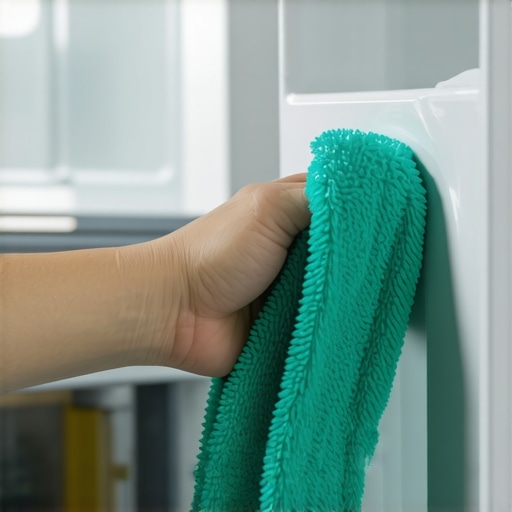
Use a microfiber cloth dampened with your cleaning solution to wipe all interior surfaces, including corners and seals. Rinse the cloth frequently. Think of it as giving your fridge a gentle massage—reaching into tight spots ensures no bacteria hide in nooks. Afterward, dry surfaces with a clean towel to prevent moisture buildup.
Disinfect with Rubbing Alcohol or Commercial Sanitizer
Apply a disinfectant like 70% isopropyl alcohol on a cloth and wipe all surfaces to eliminate bacteria and viruses. This step is crucial after spills to prevent bacterial growth. I’ve found that regular sanitizers designed for appliances work best and dry quickly, leaving no residue.
Allow Everything to Dry and Reassemble
Let all parts air-dry completely before replacing. Moisture encourages mold, so patience here is key. Once dry, reassemble shelves and drawers, then plug the fridge back in. I once hurried this process, only to find moisture causing new spots—taking time prevents this issue.
Restock and Maintain Regularly
Put your food back carefully, checking for any spills. Establish a routine cleaning schedule—once every three to six months. Regular maintenance keeps your fridge fresh and safe. Remember, a quick wipe isn’t enough; thorough cleaning, like I learned from my past mistakes, is vital for health and longevity.
 Many homeowners operate under assumptions about sanitizing and cleaning that can actually hinder effective results. In my experience working with professional cleaning strategies, I’ve found that a surprising number of people believe in myths that can lead to incomplete sanitation or even damage to surfaces. Let’s dig deeper into some of these misconceptions and shed light on nuanced truths that only seasoned cleaners understand.
Is Bleach the Only Powerful Disinfectant?
While bleach is often touted as the gold standard for disinfection, it’s not always the best choice for every surface. Overuse of bleach can damage sensitive materials like stainless steel or certain plastics, leading to discoloration or corrosion. More importantly, bleach reacts poorly with many other household chemicals, creating toxic fumes. Industry experts recommend using alcohol-based disinfectants, such as 70% isopropyl alcohol, which are equally effective against bacteria and viruses without harming surfaces (learn more here).
Washing Hands is Enough; Cleaning Surfaces Isn’t Necessary
A common myth is that hand hygiene alone can prevent the spread of germs in your home. While washing hands is crucial, many bacteria and viruses settle on surfaces and persist long after cleaning. Think about frequently touched objects like light switches, remote controls, or doorknobs—without proper surface sanitation, you remain exposed. Professional cleaning tips emphasize the importance of disinfecting high-touch areas regularly, especially during cold and flu seasons (see expert secrets here).
Advanced Nuance: Does Hot Water Kill Bacteria Better?
Many believe that hot water alone ensures sterilization. While high temperatures do kill most germs, the temperature required for complete disinfection exceeds typical household hot water settings. Moreover, some bacteria produce spores resistant to heat. Combining hot water with proven disinfectants creates a more reliable sterilization process. For upholstery and soft furnishings, using the right steam cleaning techniques—not just hot water—is vital. For instance, upholstery experts advise on specific methods to ensure deep sanitation without damage.
The
Invest in Professional-Grade Equipment for Lasting Cleanliness
When it comes to keeping your home pristine over time, quality tools make all the difference. I personally swear by a cordless handheld steam cleaner, like the Karcher SC 3. Its high-temperature steam penetrates deep into upholstery fibers and kitchen grout, killing bacteria without the use of harsh chemicals. Investing in a reliable steam cleaner streamlines regular maintenance, making tasks like upholstery refreshes or grout touch-ups quicker and more effective. As industry experts note, steam cleaners are becoming indispensable for thorough sanitation in homes aiming for eco-friendliness and efficiency (see recommended tools here).
Utilize Smart Software to Schedule and Track Deep Cleaning
Automating your cleaning routine can prevent neglect. I use digital apps like Tody or Home Routines to set reminders for move-out cleans, upholstery treatments, and recurring chores. These tools help me stay proactive, ensuring nothing slips through the cracks. Consistent scheduling extends the lifespan of surfaces and preserves hygiene standards. Moving forward, I predict smart home integrations will include more advanced sanitation alerts, reminding homeowners precisely when appliances like dishwashers or cleaning tools need maintenance, based on usage data.
How Do I Maintain My Cleaning Equipment Effectively Over Time?
Proper maintenance of your cleaning tools guarantees their efficiency and longevity. After each use, rinse out vacuum filters and let steam cleaners dry completely. I recommend monthly descaling of appliances like dishwashers and washing machines—using descaling tablets or natural vinegar-safe solutions, as detailed here. Also, check filters and brushes regularly for buildup or wear, replacing them at manufacturer-recommended intervals. These small steps dramatically improve the performance of your cleaning arsenal and keep your home’s sanitation on point. Advanced tools with self-maintenance alerts may be the future, reducing manual oversight and ensuring peak operation.
Optimize Your Approach for Long-Term Results
Sticking to a smart cleaning routine with the right tools minimizes the need for harsh chemicals and expensive restorations. Regular upholstery cleaning sessions—using specialized equipment and methods outlined here—prevent stains and odors from setting in. Moving out? Clear my move-out cleaning checklist for a step-by-step guide to passing inspections easily. Remember, a well-maintained home isn’t just about aesthetics—it’s about reducing future costs and safeguarding your health.
Advancing Your Cleaning Game by Scaling Properly
As your home grows or your cleaning needs evolve, scaling up your tools is crucial. Commercial-grade vacuums and high-capacity steam units allow you to cover larger areas efficiently. Also, integrating professional-grade upholstery and carpet cleaning solutions into your routine ensures deep sanitation at regular intervals. The future points toward intelligent cleaning systems that analyze surface health and suggest tune-ups or replacements automatically, saving you time and effort in the long run. To start transforming your maintenance routine today, try scheduling a deep upholstery clean using your high-tech tools—your home will thank you for it.
What I Wish I Knew About Deep-Cleaning My Fridge Early On
One of my biggest revelations was realizing that superficial cleaning gives a false sense of security. Early mistakes taught me that bacteria and mold thrive in unseen crevices, so thorough disinfection is essential—not just a quick wipe. This insight transformed my approach to home hygiene, making me prioritize targeted sanitizing techniques with professional-grade disinfectants.
How Embracing the Right Tools Turned My Cleaning Routine Around
Switching from generic sponges to microfiber cloths and investing in a high-quality steam cleaner elevated my cleaning game. I discovered that tools matter—a lot. Reliable equipment not only saves time but also enhances effectiveness, especially when managing stubborn spills and hidden bacteria in tricky spots. Trust me, the right gear is a game-changer for home sanitation.
My Unexpected Lesson from Avoiding Over-Scrubbing and Harsh Chemicals
I used to believe that scrubbing harder meant cleaner surfaces. That misconception led to surface damage and residual chemicals. Learning to use gentle, yet effective, cleaning solutions and techniques—like disinfection with alcohol-based wipes—preserved my appliances and ensured safety. Sometimes, less is more; gentle cleaning reduces health risks and prolongs appliance life.
Where Curious Homeowners Should Look Next
Beyond the basics, I recommend exploring these expert-approved cleaning tips to discover innovative strategies. Investing in devices like professional steam cleaners, or scheduling regular deep-clean sessions, now forms the backbone of my home maintenance routine. These resources have helped me maintain a healthier living environment with less stress.
Your Path Forward: Take Charge of Household Hygiene
Remember, mastery over your home’s cleanliness begins with informed choices and consistent effort. Whether it’s sanitizing your refrigerator or tackling upholstery stains, applying the right knowledge transforms your space into a sanctuary. Now is the perfect moment to implement these lessons and enjoy the peace of a truly clean home.
Have you encountered surprises or challenges when deep-cleaning? Share your experiences below and let’s learn together!
,