
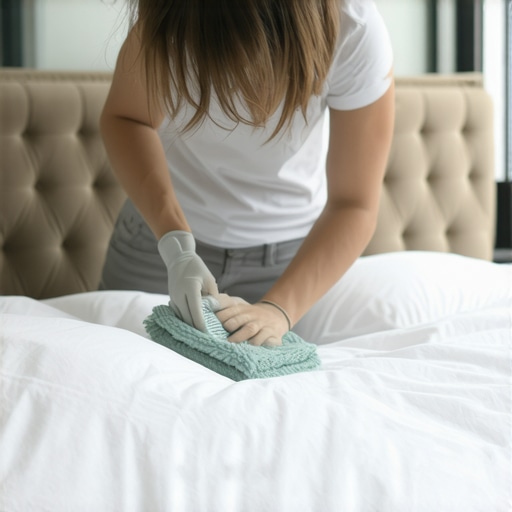
Ever spent hours meticulously cleaning your bedroom, only to be greeted the next morning by stubborn water marks on your beautiful suede headboard? I remember one weekend when I decided to give my bedroom a quick refresh. I grabbed a damp cloth, went over the headboard, and felt a rush of confidence—only to discover unsightly water rings that seemed to settle in even deeper. It was frustrating, and honestly, a little embarrassing to admit I’d ruined my own decor!
Fortunately, after some trial, error, and a bit of research, I found a way to clean my suede headboard without leaving any water marks. Today, I want to share this hard-earned knowledge with you. Whether you’re preparing for guests, moving out, or simply want your bedroom to look pristine, knowing the right cleaning techniques can save you time, money, and headaches.
The Secret to Clean, Water-Spot-Free Suede Headboards
Cleaning a suede headboard might seem daunting because of its delicate texture. But don’t worry—there’s no need for heavy chemicals or risking damage. The key is understanding how water interacts with suede and applying gentle, effective techniques that preserve its appearance. By the end of this, you’ll be equipped to maintain your headboard’s plush look without the dreaded water marks.
Apply a Light Dusting First
Begin by gently removing surface dust using a soft-bristled brush or a microfiber cloth in a circular motion. I once forgot to do this step before cleaning, which caused dirt to smear and made the water marks worse. Doing this ensures no loose particles interfere during cleaning and helps maintain the suede’s texture.
Treat Stains or Water Marks with the Right Products
For water rings or stains, use a suede eraser or a clean, dry cloth dampened with a small amount of white vinegar. Dab gently on affected areas without rubbing, which could spread the stain or embed moisture deeper. I experimented with a damp cloth, but it only made the marks more pronounced. Spot testing on a hidden area first prevents any unpredictable damage.
Spot Test to Prevent Damage
Always test your cleaning solution on a small, inconspicuous section of the headboard. My mistake was rushing into the main area, causing patchy discoloration. Once verified, proceed cautiously, applying minimal moisture and gently blotting instead of rubbing.
Use a Suede Brush to Restore Texture
After the stain treatment, allow the area to air-dry completely. Then, brush the suede with a clean suede or nail brush to lift the nap and restore the plush appearance. I found that brushing in a single direction kept the suede looking uniform and prevented shiny spots. Avoid pressing too hard—gentle strokes work best.
Protect and Maintain Your Headboard
To prevent future water marks, consider applying a suede protector spray, which forms a barrier against moisture. I sprayed mine after cleaning, which helped repel water during unexpected spills. Regular maintenance like dusting and protecting extends the life of your delicate headboard and keeps it looking fresh.
Implement Regular Checks and Cleaning Routines
Incorporate a schedule of gentle maintenance to avoid buildup. For example, perform light dusting weekly, and deep clean with subtle solutions every few months. Check out tips on a daily routine to keep your entire home spotless. Consistency is key to preserving the quality of your upholstery and avoiding water damage or stains.
Many homeowners operate under misconceptions about cleaning and sanitizing that can lead to subpar results or even damage. For instance, a prevalent myth is that scrubbing harder removes dirt more effectively. In reality, aggressive scrubbing can damage delicate fabrics and finishes, especially on upholstery, leading to fading or tearing. Experts recommend gentle, targeted cleaning to preserve textures and colors, as detailed in our upholstery tips.
Another common mistake involves overusing cleaning chemicals, assuming more product yields cleaner surfaces. Over-application not only wastes resources but can also leave residues that attract dirt or create health risks. A nuanced understanding of cleaning ratios and the importance of proper rinsing is crucial—something we emphasize in our house cleaning secrets.
A key misunderstanding in move-out cleaning is the belief that wiping surfaces is enough to secure your deposit. In truth, detailed disinfection—covering corners, baseboards, and hidden spots—is essential, as outlined in our move-out cleaning hacks. Missing these areas can lead to deductions, even if the visible parts seem spotless.
On the topic of sanitizing, many think that using bleach or harsh disinfectants is the only way to eliminate germs. Surprisingly, research shows that natural solutions like vinegar and hydrogen peroxide are equally effective when used correctly, and they pose fewer health risks. For a deep dive, see our sanitizing methods.
What most people overlook is that cleanliness isn’t just about visible dirt; the real nuance lies in understanding the materials you’re working with and employing appropriate techniques. For example, applying a universal cleaning method to different fabrics or surfaces often causes harm rather than benefit. Tailoring your approach based on material, whether it’s microfiber, leather, or durable upholstery, prevents costly mistakes.
From my experience, one of the biggest pitfalls is neglecting regular maintenance. Oversights like skipping routine dusting or failing to treat minor stains promptly can cause minor issues to escalate, making deep cleaning more difficult and expensive. Check out our daily routine for effective upkeep.
In essence, the hidden nuance is developing a sophisticated understanding of the materials and surfaces in your home, combined with commitment to tailored, gentle cleaning practices. Challenge the common assumptions, and you’ll extend the life of your furnishings and maintain a truly healthy environment.
Have you ever fallen into this trap? Let me know in the comments! For more expert insights, visit our ultimate upholstery care guide.Maintaining a spotless home isn’t just about the initial effort—it’s about investing in the right tools that ensure consistent, professional-grade results over time. Personally, I rely on a combination of specialized equipment and smart software to streamline my cleaning routines and extend their effectiveness. One standout tool is my cordless handheld steam cleaner, which I use weekly to sanitize surfaces without harsh chemicals. The versatility and ease of use mean I can quickly tackle bathroom tiles, kitchen counters, and upholstery, ensuring a germ-free environment that stays fresh longer.
Investing in Quality Equipment Pays Off
When selecting cleaning tools, quality is paramount. I prefer a high-grade microfiber mop system equipped with changeable, washable pads. These absorbent pads trap dust and dirt more effectively than disposable alternatives and can be reused multiple times, making them both economical and environmentally friendly. Additionally, my robotic vacuum with mapping capabilities helps maintain floors daily without manual effort, increasing the longevity of my carpet fibers and reducing deep cleaning frequency. According to industry experts at TechRadar, investing in intelligent cleaning devices can save homeowners hours each week while boosting hygiene standards.
Software and Scheduling for Consistency
Beyond physical tools, I leverage scheduling apps that sync with my smart home system. Setting weekly reminders for deep cleans and routine sanitizations keeps the house in top shape without last-minute scrambles. Moreover, specific cleaning software can track supply levels, alerting me when it’s time to restock eco-friendly disinfectants or microfiber cloths. This proactive approach prevents neglecting maintenance, which can lead to stubborn stains or bacteria buildup over time.
The Future of House Maintenance Tools
Looking ahead, innovations like AI-powered cleaning robots that adapt to your home’s layout are set to revolutionize long-term care. These devices will not only clean but also assess areas that need attention, suggest maintenance schedules, and even order supplies automatically. Staying ahead of these trends means I can prepare by choosing compatible smart systems that integrate seamlessly into my routines. For example, integrating my existing vacuum with home automation platforms ensures synchronized cleaning cycles and better resource management.
How Do I Maintain My Tools Effectively Over Time?
Proper maintenance of your cleaning equipment is crucial for sustained performance. Regularly inspecting and replacing worn-out parts, such as vacuum filters and microfiber pads, prevents inefficiency. Also, following manufacturer guidelines for cleaning and storing tools—like letting steam cleaners dry thoroughly before storing—extends their lifespan. To keep your tools performing like new, dedicate a monthly check-up session to clean, calibrate, and replace any consumables. Implementing these steps ensures your investments continue to deliver professional results year after year, making house maintenance less of a chore and more of a smooth operation.
The Hard Lessons Behind Water-Spot Woes
One of my biggest mistakes was rushing into cleaning my delicate suede headboard without understanding its unique needs. I used too much water, causing unsightly marks that took forever to fix. It taught me that patience and knowledge are essential when caring for high-maintenance materials. Now, I approach each cleaning with a mindset to preserve, not just clean.
How I Discovered the Power of Gentle Touch
After numerous trials, I realized that using a soft brush and minimal moisture was the game-changer. Applying firm pressure or aggressive scrubbing only made things worse. My breakthrough came when I started treating stains with a suede eraser and spot testing with vinegar—protecting my headboard’s texture while banishing water rings.
The Unexpected Edge of Regular Maintenance
Maintaining suede isn’t a one-time effort; it’s about consistent, gentle care. Dusting weekly with a microfiber cloth or soft brush prevents dirt buildup that can sink deep into fibers. Once, I neglected this routine and paid the price with stubborn stains—highlighting how small, regular actions save big headaches later.
Elevating Your Cleaning Arsenal with Smart Choices
Investing in the right tools, like protective sprays and quality brushes, makes all the difference. I trusted a natural suede protector spray, which created a moisture barrier, drastically reducing the risk of future water marks. Combining this with my microfiber cleaning tools resulted in a headboard that remains plush and flawless for years.
Empowering Your Home Care Routine for Lasting Beauty
Ultimately, safeguarding your upholstery requires a tailored approach based on material knowledge and gentle techniques. Remember, no shortcut beats understanding your furnishings. If you’re eager to learn more about maintaining your home’s fabric investments, check out our ultimate upholstery care guide to keep your living space pristine and inviting.