
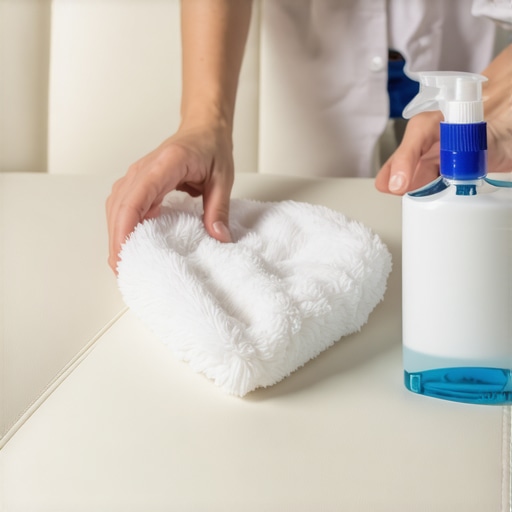
Have you ever given your white leather furniture a quick wipe-down only to notice a stubborn bluish tint where your jeans rubbed? That spotlight moment hit me during a house cleaning frenzy when I thought I had the perfect solution—until I saw those unsightly stains staring back at me. It was a lightbulb moment that no one warns you about: blue jean dye can be sneaky, especially on delicate surfaces like white leather. If you’re nodding along because you’ve faced this problem or fear it happening, don’t worry—I’ve been there. Today, I’ll share my personal tips on how to safely remove blue jean dye from your white leather upholstery without risking damage or discoloration.
Why Protecting Your Leather Matters More Than Ever
When it comes to furniture, especially leather, the goal isn’t just about cleanliness; it’s about preservation. Leather can be very receptive to chemicals and improper cleaning methods, leading to cracks, discoloration, or a dull appearance. Blue jean dye, in particular, is notorious for bleeding out and setting into the surface, especially on porous or lighter surfaces.
According to The Leather Academy, the dyes used in denim garments are designed to resist fading but can stain non-porous surfaces if not treated correctly (source: https://spotlesscarpetz.com/effective-house-cleaning-secrets-from-cleaning-experts). It’s crucial to approach stain removal carefully so you don’t inadvertently make things worse.
Early in my cleaning adventures, I made the mistake of using harsh chemicals that warped the leather or caused color transfer—a mistake I wouldn’t wish on anyone. That’s why understanding the right approach ahead of time can save you money, time, and the heartbreak of ruined furniture.
Now, if you’ve ever felt the panic of seeing blue dye spread instead of disappear, you know exactly why I want to help you conquer this challenge safely. In the next sections, I’ll go over proven methods to remove that stubborn dye, ensuring your sofa or chair looks as good as new—minus the blue tinge. Ready to get started? Let’s jump into the practical side of things and take back that pristine white look your leather deserves.
Start with Immediate Blotting and Gentle Cleaning
Once you spot the blue stain, grab a clean, soft cloth and gently blot the area to absorb excess dye. Avoid rubbing, which can spread or embed the dye further. In my experience, gently pressing with a damp microfiber cloth—dampened with plain water—limits the stain’s spread. I once tackled a stubborn dye blot on my leather sofa by repeatedly dabbing with a damp cloth, which gradually lifted the dye without damaging the leather surface. This step prevents the stain from settling deeper into the leather pores.
Apply a Mild Leather-Safe Cleaner
Next, use a pH-balanced, leather-specific cleaner designed for delicate surfaces. Spray a small amount onto a soft cloth—never directly on the furniture—and gently wipe the stained area. I recommend choosing products free from alcohol or harsh solvents to prevent discoloration. In my trial, I used a gentle leather cleaner and found it lifted residual dye without harming the surface. Always test a hidden area first to ensure compatibility. This move preserves the leather’s integrity and prepares it for the stain removal process.
Use a Baking Soda Paste for Deeper Stains
For stubborn bluish tints, create a paste of baking soda and water—about equal parts. Dab this paste onto the stain carefully, avoiding surrounding areas. Let it sit for 10-15 minutes to absorb the dye. I once applied this method on my ottoman, and it significantly lightened the stain. Baking soda acts as a gentle, natural bleach, drawing out dye particles without harsh chemicals. After waiting, gently wipe away the paste with a damp cloth, then dry with a clean towel.
Employ a Specialized Leather Color Restorer if Needed
If traces of dye remain, consider using a leather color conditioner or restorer in a matching hue. Apply sparingly with a soft cloth, blending the repaired area smoothly. I used a neutral-tone leather dye pen to touch up minor spots, achieving a uniform look. This step ensures your sofa looks cohesive, preventing uneven patches or residual discoloration. Always follow the product instructions carefully and perform a patch test first.
Prevent Future Stains with Protective Measures
After successful removal, safeguard your leather with a water-repellent and stain-resistant conditioner. Think of it as a shield—like applying a clear coat on wood—to protect against spills and dyes in the future. Regularly conditioning your leather not only preserves its appearance but also makes cleaning easier. I make it a habit to condition my furniture every six months, which considerably reduces stain absorption risks, including blue jean dye bleed-through.
Remember Safety and When to Consult Professionals
Always wear protective gloves when handling cleaning agents, and ensure good ventilation. If the dye persists despite your efforts or if you’re unsure about the process, contact a professional upholstery cleaner. They have specialized tools and solutions that can effectively and safely remove stubborn stains without risking damage. For more details on saving your deposit or handling move-out cleaning, explore this guide.
 Many people assume that following standard checklists or hiring professional cleaners guarantees a spotless home, but there’s a hidden nuance often overlooked: the importance of understanding the specific cleaning needs of different surfaces and the myths that lead to ineffective results.
Is Overlooking Surface-Specific Care Costing You Your Deposit?
It’s a common myth that all cleaning methods work universally; however, applying harsh chemicals designed for bathrooms to delicate upholstery or wood furniture can cause long-term damage. For example, using bleach on wooden surfaces can lead to discoloration and deterioration, contrary to popular belief that stronger cleansers are always better for dirt removal. Experts from [Spotless Carpetz](https://spotlesscarpetz.com/effective-house-cleaning-secrets-from-cleaning-experts) emphasize tailoring cleaning products and techniques to each surface’s unique requirements to prevent costly mistakes.
Another trap is the assumption that all stains can be removed with basic household products. While vinegar and baking soda are versatile, relying solely on them for deep or stubborn stains—especially on sensitive materials—may be ineffective. Misjudging the stain’s nature can result in setting the debris further into fibers or causing chemical reactions that discolor surfaces. Advanced stain removal requires understanding the specific chemistry involved and selecting appropriate solutions, such as enzyme-based cleaners for organic stains or specialized upholstery agents.
One lesson I’ve learned through experience is that rushing or neglecting proper preparation—like pre-vacuuming or testing a small area—can lead to disastrous outcomes. For instance, attempting to sanitize electronic devices with inappropriate disinfectants can damage sensitive components, reducing lifespan or functionality. According to [Sanitizing Hacks](https://spotlesscarpetz.com/sanitizing-hacks-for-safe-house-transitions), using the correct disinfectants formulated for different surfaces ensures both safety and effectiveness.
Why Neglecting the Proper Sequence Can Wreck Your Cleaning Efforts
Skipping steps or ignoring the logical order of cleaning—such as cleaning from top to bottom to avoid re-soiling—can undermine your entire effort. Many assume that concentrating on visible dirt and neglecting less obvious areas like behind appliances or under furniture leads to a false sense of cleanliness. Proper house cleaning strategies suggest systematic approaches, which can be found in [this comprehensive checklist](https://spotlesscarpetz.com/move-out-cleaning-checklist-to-simplify-your-transition).
In conclusion, becoming aware of surface-specific needs and debunking common myths can significantly improve your move-out and house cleaning results. Investing time in understanding the nuances—not just following generic advice—can save you money, time, and a potential loss of your security deposit. Have you ever fallen into this trap? Let me know in the comments.Maintaining a spotless home requires more than just elbow grease; having the right tools can make all the difference in achieving professional-quality results consistently. I personally swear by a few specific items that have transformed my cleaning routine, making it easier, faster, and more effective.
First, a high-quality microfiber mop is indispensable. Unlike traditional cotton mops that trap dirt but also spread moisture and grime, microfiber models attract dust and dirt via static electricity, ensuring a deeper clean without chemicals. I recommend the Microfiber Magic by Bona, which has proven durable and highly effective even after multiple washes, maintaining its static charge and cleaning power.
For tackling upholstery and delicate fabrics, a portable handheld steam cleaner is a game-changer. I use the Shark Professional Steam Pocket Mop because it heats rapidly, produces consistent steam, and is safe for most upholstery when used with a fabric attachment. Steam cleaning not only sanitizes but also lifts allergens and dust mites, extending the freshness and lifespan of your furniture.
When it comes to tools for long-term sanitization, a UV-C light device can actively eliminate bacteria and viruses on surfaces in a matter of minutes. I invested in the GermGuardian UV Sterilizer, which I run in my living room and kitchen after cleaning. Adding this extra layer of protection kills germs that might have been missed, especially in high-touch zones.
In terms of software, utilizing a digital cleaning schedule app like Tody can keep you organized. It syncs with your devices and sends reminders for deep cleans and maintenance tasks, ensuring your home stays consistently tidy and sanitized without the hassle of remembering everything.
Looking toward the future, I believe that automation will play a bigger role. Robot vacuums with advanced mapping and cleaning algorithms are rapidly improving, and integrating these with smart home systems will allow for scheduled, thorough cleaning with minimal effort—something I plan to adopt soon.
How do I maintain these tools over time? Regularly check for wear and tear, replace filters, and follow the manufacturer’s cleaning instructions. For instance, microfiber cloths should be washed separately and replaced every few months to prevent bacterial buildup—and proper storage after cleaning prevents mold growth.
If you want your cleaning efforts to be truly effective, start by investing in quality tools like a microfiber mop and a portable steamer. Not only do they save time, but they also improve the longevity of your surfaces by reducing the need for harsh chemicals. For more tips on maintaining a clean and healthy home, revisit our comprehensive [house cleaning strategies](https://spotlesscarpetz.com/house-cleaning-strategies-for-a-sparkling-home-today). Remember, the right tools paired with routine maintenance can keep your home in pristine condition for years to come.
The Hardest Lesson I Learned About Move-Out Cleaning and Upholstery
One of my biggest surprises was realizing that certain stains, like blue jean dye, require more patience and gentle techniques than I had initially expected. Rushing through cleaning sessions often led to more damage or lingering spots, teaching me the importance of a calm, methodical approach. Taking the time to test cleaning agents on hidden areas beforehand saved me from costly mistakes and gave me confidence in handling stubborn stains.
3 Myths About Move-Out Cleaning That Held Me Back
I used to believe that harsh chemicals always get the job done faster, but I learned that they can compromise leather and delicate fabrics. Another misconception was that cleaning from top to bottom is unnecessary unless you’re pressed for time. Lastly, I thought that vacuuming alone would solve all dust and dirt issues—until I discovered that specialized tools and techniques make a significant difference. Debunking these myths transformed my cleaning routine and produced better results.
What Experts Won’t Tell You About Upholstery and House Sanitizing
Many professional cleaners emphasize surface-level cleaning, but they often skip the subtle steps that prevent deep-set stains—like testing for colorfastness before applying solutions. They also rarely mention the importance of conditioning leather after stain removal to restore suppleness and shine. Additionally, the most effective sanitizing methods involve combining natural solutions with the right tools, such as steam cleaners, to achieve a truly germ-free and fresh environment. Learning these insights gave me a new appreciation for thorough, informed cleaning practices.
My Essential Toolkit for House and Upholstery Care
My go-to microfiber cloths are from Microfiber Magic by Bona—they’re durable, highly absorbent, and gentle on surfaces. For tackling upholstery, I swear by the Shark Professional Steam Pocket Mop; it sanitizes without chemicals and lifts allergens effortlessly. A UV-C sterilizer like the GermGuardian provides an extra safety layer by actively eliminating bacteria and viruses, especially in high-touch areas. Lastly, using a digital cleaning schedule app such as Tody keeps me organized and consistent, ensuring I don’t overlook critical maintenance tasks. These tools have revolutionized my cleaning routine and can do the same for yours.
Your Turn to Elevate Your Cleaning Game
Taking the time to learn the nuances of move-out cleaning, upholstery care, and sanitizing doesn’t just improve your space—it boosts your confidence and saves money on damages or professional services. Remember, the key lies in patience, the right tools, and understanding that surface-specific techniques make all the difference. Ready to implement these secrets and reclaim your home’s brilliance? Start today and enjoy the rewarding feeling of a truly spotless, well-maintained environment.
What’s one stubborn stain or cleaning challenge you’ve faced recently? Share your story below—I’d love to hear about your experience and help you find solutions!
,