
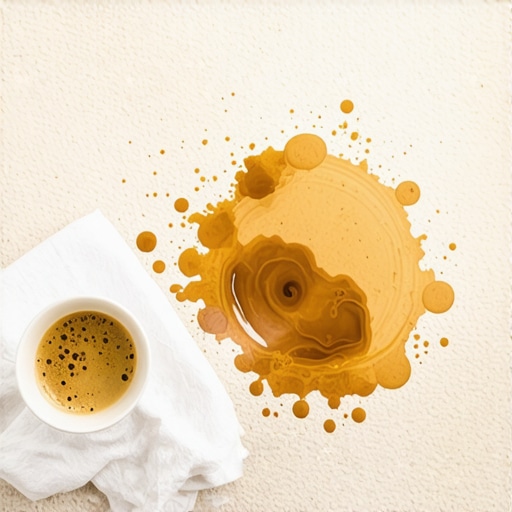
It was 7:15 AM on a Tuesday, and my favorite ceramic mug was filled to the brim with dark roast. I took one lazy step into the living room, tripped over a stray dog toy, and watched in slow motion as a giant wave of brown liquid splashed directly onto my pristine, cream-colored wool rug. My heart absolutely stopped. Cream is the most unforgiving color on the planet, and in that moment of sheer panic, I made the worst mistake you can possibly make: I grabbed a bottle of generic cleaner and started scrubbing frantically. It is a harsh truth, but why you should never scrub a fresh liquid stain became painfully clear to me that morning as the spot bloomed into a permanent, fuzzy smudge.
My Cream Rug Disaster and the Journey to a Smudge-Free Solution
The good news is that you do not have to live with a ruined rug or repeat my early cleaning disasters. Today, I am going to share the exact, step-by-step process I perfected to lift stubborn coffee pigments out of delicate, light-colored fibers without leaving a ghostly yellow ring behind. Many people assume that once a dark liquid hits a light textile, the piece is destined for the trash or requires expensive professional treatment. But with the right household chemistry and a patient hand, you can restore your floor covering to its original, spotless glory. Whether you are dealing with a fresh spill or trying to salvage a rug during a hectic house cleaning session, the physics of stain removal remain the same. In fact, research published by the Wool Research Organisation highlights that natural fibers like wool actually have a natural, protective membrane that temporarily repels liquids, giving you a short window of opportunity to intervene before the dye permanently bonds. The secret lies in lifting the liquid upward rather than pushing it deeper into the backing.
Is It Actually Possible to Get Dark Coffee Out of Light Fibers?
I know you are probably skeptical. You might be staring down at a dark brown blemish on your beautiful floor right now, wondering if this process is just going to leave you with a faded, frayed mess. It is a completely valid fear because using the wrong pH or rubbing too hard can permanently destroy the delicate pile. But trust me, if my high-traffic cream rug can survive my daily caffeine spills, yours can too. Have you ever faced a sudden coffee spill that made you want to roll up your rug and throw it away? Let me know in the comments below! In the next section, we will dive right into the exact tools and gentle solutions you need to assemble to tackle this mess like a seasoned pro.
The Chemistry of Lifting Coffee from Cream Rugs
To successfully salvage your light floor covering, you must treat the fibers like delicate human hair. If you use harsh, high-pH soap, you will strip the fiber’s protective layer, causing the coffee pigment to permanently bond. Think of blotting as a sponge pulling water out of a pool; you want to create a capillary action that draws the liquid up and away. When I had my disaster, I originally tried to scrub, but I quickly realized that blotting with clean, dry white paper towels is the only way to pull the pigment upward. I literally stood on a stack of towels to let my body weight push the moisture out of the pile. This simple physics trick keeps the stain from migrating outward into those dreaded yellow rings.
Your Step-by-Step Lifting Protocol
First, mix a solution of one cup of lukewarm water, one tablespoon of white vinegar, and a single drop of mild dish soap. Vinegar is slightly acidic, which helps neutralize the dark tannins in the coffee and keeps natural fibers from yellowing. Lightly mist this mixture over the area. Do not saturate the rug, as over-wetting can cause backing dyes to bleed through. Next, use a clean microfiber cloth to press firmly down on the spot, lifting your hand straight up. Repeat this motion with fresh sections of the cloth. During a frantic daily house cleaning routine to maintain perfection, it is tempting to rush this, but patience is your absolute best tool. If the stain is particularly stubborn, you can apply a tiny amount of baking soda over the damp area to absorb remaining moisture, but make sure you know the proper way to vacuum a wool rug without damage before trying to clean up the dry residue. Once dried, vacuuming gently restores the fluffy texture of the pile without fraying the delicate fibers. This exact approach is also highly effective when you need to learn the best way to lift coffee stains from a white sofa or other delicate living room textiles.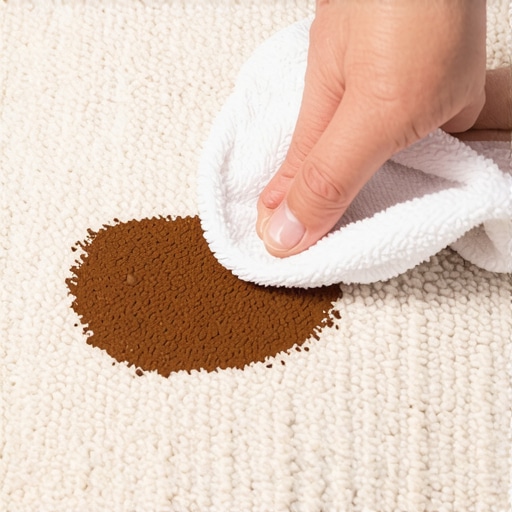
My Accidental Salt Experiment
During one of my early cleanup attempts, I panicked and threw table salt over a wet coffee spot on my cream rug, thinking it would absorb the liquid. Instead, the salt dehydrated the fibers too quickly, locking the brown pigment into the wool backing and leaving a crusty, grey patch that took weeks to steam out. That messy failure taught me that rushing the chemical process always backfires. Slow, methodical moisture transfer is the only true way to preserve the textile. For those tackling a major home transition, mastering these gentle fabric extraction techniques is just as vital as knowing how to handle a move-out clean checklist to simplify your transition.
Why More Soap Is Actually the Enemy of a Clean Home
Most well-meaning homeowners fall into a dangerous trap: they assume that if a little soap works well, a lot of soap will work wonders. In my years of maintaining textiles, I have seen more fabrics ruined by detergent buildup than by actual dirt. When you saturate your living room furniture with soapy water, you are essentially creating a magnet for future grime. This is a critical nuance detailed in our ultimate upholstery care guide for lasting freshness. Soap is designed to attract dirt; if you fail to rinse it out completely, it continues to do its job long after it dries, trapping everyday dust and turning your beautiful cream couch into a dingy grey magnet.
Why Do Professional Cleaners Always Vacuum Upholstery Before Wiping It?
It sounds incredibly simple, but skipping the dry vacuum phase is the single biggest mistake in home fabric care. A study by the Institute of Inspection, Cleaning and Restoration Certification (IICRC) notes that up to 75% of soil in fabrics is dry particulate. If you apply a liquid cleaner directly to dry soil, you instantly turn that dust into liquid mud, pushing it deep into the weave where it becomes almost impossible to extract. This is why professional cleaners always vacuum the sofa before wiping it. By removing the dry loose dust first, you ensure that your liquid solutions only target the bound oils and pigments, rather than creating a muddy slurry inside your delicate cushions.

Have you ever fallen into this trap of over-wetting or over-soaping your furniture only to watch it get dirty twice as fast? Let me know in the comments! The exact same principles of moisture control apply when you are rushing through a deep clean or packing up your entire life. If you are preparing to leave a rental, rushing these delicate steps can easily cost you your security deposit. It pays to understand the mechanics of fiber extraction, whether you are refreshing a single room or executing a comprehensive move-out clean checklist to simplify your transition. Treating your fabrics and surfaces with scientific patience is always faster and cheaper than paying for a permanent mistake.
When you are serious about maintaining a pristine home, your tools become your signature. You cannot expect professional-grade results from cheap, generic department store sponges and weak hand vacuums. Over the years, I have refined my cleaning toolkit to a few absolute essentials that save time and prevent permanent fiber damage. For example, knowing why your microfiber cloths stop working and how to fix them changed my entire approach to dusting. I only use split-key microfiber cloths with a density of 300 GSM or higher because they mechanically grab dirt rather than just moving it around. When these cloths get clogged with fabric softener or high heat, they melt and lose their electrostatic charge, which is why I now wash them exclusively in cold water with a free-and-clear liquid detergent, completely skipping the dryer sheets.
How do I maintain spotless upholstery and carpets over time?
Consistency is much easier than restoration. To keep your home looking fresh, you need a system that prevents soil accumulation before it can bond with your delicate textiles. I highly recommend investing in a high-quality horsehair brush for dry brushing delicate fabrics and a reliable, low-moisture spot extraction machine for accidental spills. According to the Carpet and Rug Institute (CRI), vacuuming high-traffic areas at least twice a week removes dry, abrasive soil that would otherwise grind down the carpet fibers like sandpaper. If you integrate this into your daily house cleaning routine to maintain perfection, you will dramatically extend the lifespan of your flooring and furniture. Additionally, applying a premium fabric protector once a year creates an invisible shield that gives you precious extra minutes to blot away spills before they soak into the core of the fibers.
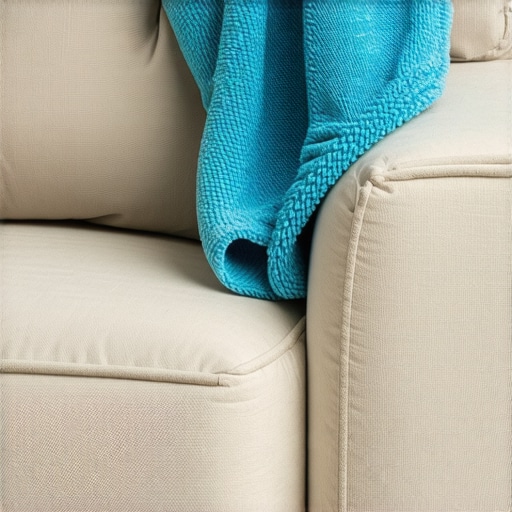
Looking toward the future, I predict we will see a massive shift toward bio-enzymatic cleaning agents and advanced, low-moisture steam technologies. Homeowners are demanding safer, non-toxic environments, and the industry is responding with smart, self-cleaning fabrics and ozone-infused water sanitizers. To ensure your home is truly safe, keeping up with sanitizing secrets for a safer house in 2025 is the best way to stay ahead of the curve. My ultimate advice is to take action today: pick up a high-quality microfiber cloth, check the care tags on your living room sofa using our ultimate upholstery care guide for lasting freshness, and commit to dry vacuuming your upholstery before your next deep wipe down.
When you master the delicate dance of fiber chemistry and physical extraction, you stop fighting against household messes and start outsmarting them. The path to maintaining a pristine interior isn’t about working harder; it is about working with the natural laws of your home’s materials.
The Critical Mistakes I Had to Make to Truly Understand Carpet Care
Experience is a brutal but effective teacher. Before I unlocked the secrets of professional-grade maintenance, I fell into several common traps that actually accelerated wear and tear. Here are the biggest breakthroughs that changed everything for me:
- Friction is a fiber destroyer: Scrubbing a spot doesn’t just spread the pigment; it physically unravels the twisted yarn structure, creating a permanently fuzzy, light-catching texture that looks dirty even when sterile.
- Water is a transport medium, not a eraser: Over-wetting always pushes the dissolved stain downward into the backing material, only for it to rise back to the surface as it dries.
- Surfactant buildup acts like a magnet: Soap that isn’t completely extracted remains chemically active, binding to every speck of dust that enters your room.
My Personal Toolkit for Flawless Home Fabrics
You do not need an industrial warehouse of chemicals to keep your home looking immaculate. Instead, focus on a few high-utility items that deliver consistent, safe results:
- High-Density Split-Microfiber Cloths (300+ GSM): These are essential because their microscopic hook-like structures physically grab oils rather than just sliding over them. Just remember to avoid fabric softeners when washing them so they don’t lose their electrostatic charge.
- pH-Balanced Neutral Rinses: Keep a bottle of diluted white vinegar nearby. It neutralizes alkaline residues and naturally brightens fibers without leaving stiff soap crusts behind.
- Horsehair Detailing Brushes: This tool is my absolute favorite for gently lifting dry debris from delicate weaves before any liquid ever touches the surface.
Embrace a Smarter Approach to Your Living Spaces
Maintaining a beautiful home is highly rewarding when you stop fighting the materials and start working with them. By embracing patience, understanding pH levels, and using the right mechanical actions, you can keep your carpets, rugs, and furniture looking brand new for years. If you are preparing for a major transition, mastering these gentle fabric extraction techniques is just as vital as knowing how to handle a move-out clean checklist to simplify your transition. Let these techniques protect your investment and bring peace of mind to your daily routine.
Have you ever had a stubborn carpet stain that seemed to reappear weeks after you thought you cleaned it? Let me know your experiences and what worked for you in the comments below!