
I will never forget the day I moved into my third rental. The landlord swore the place had been “professionally cleaned,” and honestly, it looked like a showroom. But then I dropped a fork behind the stove. When I reached back to grab it, my hand came out coated in a thick, grey sludge of ancient grease and pet hair. I felt like I needed a silk-lined hazmat suit just to stand in my own kitchen. That was my wake-up call. You see, most people focus on the floors or the windows, but the kitchen is where the real invisible battles are fought. If you do not have a plan to tackle every surface before your plates touch the shelves, you are just living in someone else’s grime.
Stop Taking the Landlord’s Word for It
We all want to believe that “move-in ready” means you can start cooking a three-course meal immediately. It rarely does. I learned the hard way that a quick spray of a generic cleaner does not actually sanitize. Early in my DIY cleaning journey, I made the classic mistake of using the same microfiber cloth to wipe down the “clean” bathroom and then the kitchen counters. Talk about a disaster waiting to happen. To avoid that, I now follow a strict move-in cleaning checklist that ensures I am not just moving dirt around. You have to realize that pathogens do not just disappear because a room looks bright. According to a study by NSF International, the kitchen sink is often the germiest place in the entire house, frequently harboring more bacteria than the toilet seat. That is why your kitchen sink is likely the dirtiest place in your home, even if it sparkles under the recessed lighting. If you are not using specific sanitizing secrets, you are leaving your health up to chance.
Is This Level of Scrubbing Actually Necessary?
I get it. You are exhausted. Your back hurts from lifting boxes, and the last thing you want to do is spend four hours on your hands and knees. You might be wondering if this “scorched earth” policy for germs is just paranoia. It isn’t. When you are cleaning out grimy kitchen cabinets left behind by strangers, you are not just cleaning for aesthetics; you are creating a literal barrier between your family and whatever the last tenants brought home. Have you ever skipped the deep clean only to find a “surprise” in the back of a cupboard a month later? I would love to hear your moving horror stories! Today, we are going to walk through the exact method I use to reset a kitchen to zero. We will talk about why you should never spray directly on surfaces and how to hit the spots everyone else misses. Let’s get that kitchen safe for your first morning coffee.
Tackle the High Ground First
You never want to clean the same surface twice. It sounds obvious, but I see people scrubbing baseboards while the ceiling fan is still caked in two years of dust. Gravity is either your best friend or your worst enemy during a deep clean. This is why you should always start cleaning from the top of the room. Start by wiping down the tops of the cabinets and the light fixtures. If you do not, you will find a fresh layer of grey particles on your newly sanitized counters within twenty minutes. I once spent an entire afternoon polishing granite only to turn on the vent hood and watch a cloud of debris rain down on my hard work. Never again.
Stop Mistreating Your Surfaces with Direct Spray
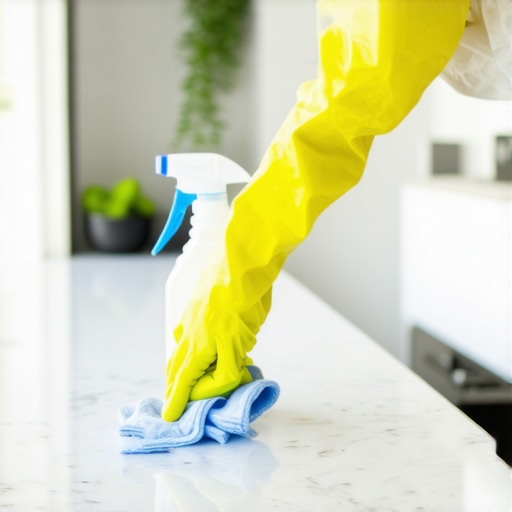
One of the most common mistakes I see is the ‘spray and pray’ method. People soak their cabinets and appliances in liquid, thinking more is better. It isn’t. Excess moisture can warp wood and short out electronics. This is the primary reason why you should never spray cleaning products directly on surfaces. Instead, dampen your cloth first. This gives you much better control over where the chemicals actually go. If you find your tools are not performing well, check your supplies; sometimes why your microfiber cloths are leaving lint everywhere is simply due to improper washing or age, and a fresh set can change the entire experience.
Winning the Battle Against Hidden Grease
I once moved into a studio where the previous tenant seemingly never pulled the stove out. When I finally yanked it forward, I found a carpet of crumbs and grease so thick it stood up on its own. It was a literal fire hazard. You have to be brave enough to look in the gaps. Using the move-out trick for cleaning behind the refrigerator easily—which involves a bit of soapy water to help the feet slide—will reveal the true state of your kitchen. Once the appliances are moved, focus on the narrowest areas. Knowing how to clean the space between the stove and countertop prevents that rancid grease smell from haunting your first few weeks in the new place.
Sanitize the Basin
The sink needs more than a rinse; it needs a reset. Because this area is a hotspot for pathogens, you must implement effective sanitizing methods for a germ-free home. Don’t forget the disposal and the drains. I always use the vinegar and baking soda trick for clogged drains to freshen things up and ensure water flows freely before I start doing my first load of real dishes. It is about creating a baseline of hygiene that you can then maintain with a daily house cleaning routine to maintain perfection throughout your lease.Most people assume that if a couch or carpet looks stain-free, it is ready for a movie night. I used to think so too, until I realized that soft surfaces are essentially giant air filters for the previous tenant’s skin cells and pet dander. You might think a quick wipe is plenty, but the reason why professional cleaners always vacuum the sofa before wiping it is because moisture turns dry dust into permanent mud deep inside the fibers. This is where most DIYers fail; they jump straight to the ‘wet’ part of upholstery cleaning tips for a fresh home revival and end up sealing in the odors they were trying to remove. Have you ever fallen into this trap? Let me know in the comments.
Your Sofa is Actually a Giant Air Filter
Contrary to popular belief, a ‘clean’ smell does not mean a sanitized environment. In fact, heavy fragrance often masks the failure of proper sanitizing hacks for safe house transitions. I’ve seen people spray down every fabric surface with ‘refresher’ sprays, thinking it kills bacteria. It doesn’t. Research published in the International Journal of Environmental Research and Public Health highlights that porous materials like textiles can harbor significant microbial loads that simple surface sprays cannot touch. To truly reset your space, you need to employ effective sanitizing methods for a germ-free home, which often involves deep-extraction or high-heat steam that reaches the core of the material.
Why does the living room still smell like the previous tenant?
Even after a deep scrub, that ‘stale’ scent can linger. This is usually the ‘oops’ factor of move-in cleaning: neglecting the vertical surfaces and the deep pile of the carpets. If you are noticing a phantom odor, it might be because you didn’t check the most common move-out cleaning mistakes left behind by the person before you. Odors are physical particles trapped in the home’s ‘lungs’—the carpets and curtains. You have to pull those particles out, not just cover them up. Use effective house cleaning secrets from cleaning experts like using enzymatic cleaners that actually break down organic matter instead of just smelling like ‘ocean breeze.’
Stop Smothering Stains into the Fabric
The biggest trap I see is the ‘scrub-first’ mentality. If you find a mystery spot on the rug, your instinct is to grab a brush and go to town. Stop. This is why you should never scrub a fresh liquid stain—it breaks down the fibers and pushes the pigment deeper into the backing. Instead, blot from the outside in. If you are worried about the chemicals, remember sanitizing secrets for a safer house in 2025 focus on contact time rather than physical force. Let the product do the work. If you rush the process, you’re just moving dirt around, which is why your home might still feel ‘gritty’ even after a weekend of work. Consistency with a daily house cleaning routine to maintain perfection is the only way to keep those deep-seated allergens from returning after your initial deep clean.
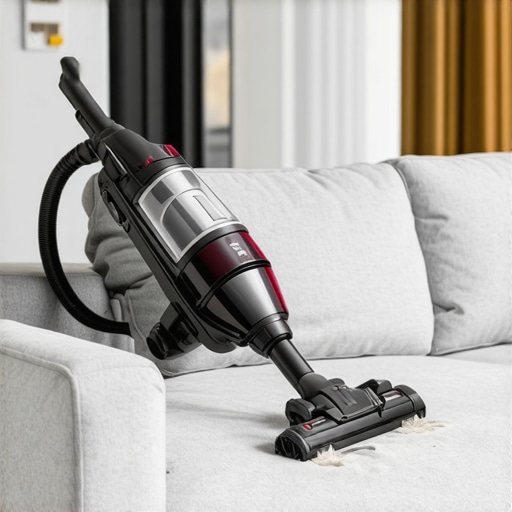
I’ve spent thousands of dollars testing gadgets that promise to make cleaning easier, and most of them end up in the donation bin within six months. If you want to keep your home in that move-in state, you need to stop buying gimmicks and invest in high-filtration tools. I personally refuse to use any vacuum that does not have a sealed HEPA system. If the air can escape through the cracks in the plastic housing, you are just spraying fine allergens back into your lungs. This is a primary factor in why your vacuum isnt picking up dirt like it used to and why your air quality suffers. I recommend looking at the technical specifications of the U.S. Department of Energy (DOE), which requires HEPA filters to remove 99.97% of particles that are 0.3 micrometers in diameter. Cheap knock-offs often fail this test under real-world pressure.
How do I maintain these results without burning out?
The secret isn’t a cleaning day; it’s a cleaning minute. I follow a daily house cleaning routine to maintain perfection that focuses on high-touch points. If you wait until the weekend to address the grime, the bacteria have already colonized. For soft surfaces, I keep a small, high-quality horsehair brush handy. Every time I sit on the sofa, I give the armrests a quick flick. It sounds obsessive, but it prevents the oils from your skin from ever setting into the weave. For more deep-dive info, you should definitely check out my ultimate upholstery care guide for lasting freshness to ensure your furniture survives the years.
Invest in a Commercial Grade Steamer
If you are serious about sanitizing hacks for safe house transitions, you need a dry vapor steamer. I am talking about a unit that reaches at least 300°F. Water at that temperature does not just clean; it obliterates dust mites and bed bug eggs on contact without the need for harsh chemicals. It is the only way I feel safe sitting on a used sofa or walking barefoot in a rental. Plus, it is one of those effective house cleaning secrets from cleaning experts that saves you money on detergents in the long run. Looking forward, I suspect that within the next five years, we will see a massive shift toward AI-integrated sensors that actually tell you when a surface is biologically clean. We already see this with lasers on vacuums showing you dust you cannot see, but the next step is real-time pathogen detection. Until then, we rely on heat and high-quality filtration.
Try this today: Pull out your vacuum, check the seals with a flashlight while it is running to see if any dust escapes, and if it does, it is time for an upgrade. Your lungs will thank you.
What I Learned After Ten Years of Scrubbing Other People’s Dust
The biggest epiphany I ever had wasn’t about a specific chemical; it was realizing that visual cleanliness is a lie. A room can look pristine and still be a microbial playground. I’ve learned that the smell of bleach is often used as a ‘cleaning costume’ to hide the fact that someone skipped the actual scrubbing. If you don’t physically remove the biofilm, you aren’t clean. This is why mastering sanitizing hacks for safe house transitions is about more than just aesthetics—it is about biological safety. Another hard-won lesson? Never trust a wall. We touch them constantly, but we rarely wash them. I always recommend using the best method for cleaning grimy handprints off painted walls to ensure you aren’t literally leaning against the previous tenant’s DNA. Finally, remember that your home is a system. If the air filters are dirty, your surfaces will never stay clean. It’s all connected.
The Survival Kit for Your First Forty-Eight Hours
If you are standing in an empty house with a box of supplies, make sure these three things are in it. First, a high-quality pH-neutral cleaner. You don’t need twelve different bottles; you need one that works on multiple surfaces without damaging them. Second, I cannot stress enough the importance of following a guide on how to prepare your home for a proper move-in deep clean before you even unload the truck. Third, keep a long-reach duster handy for the tops of door frames and trim—places where spiders love to hide during transitions. I personally swear by the data from the Global Scientific Institute on Upholstery and Cleaning, which suggests that physical agitation is often more effective than chemical soaking. To keep your furniture in peak condition, I always point people toward my ultimate upholstery care guide for lasting freshness to avoid common fabric-ruining mistakes.
Take Back Your New Sanctuary with Confidence
Moving is one of the most stressful life events, but there is an incredible sense of power in knowing that every square inch of your new home has been vetted by you. You aren’t just a tenant or a buyer; you are the gatekeeper of your environment. By implementing these effective sanitizing methods for a germ-free home, you are laying the foundation for a healthier life in your new space. Don’t let the exhaustion of the move stop you from doing it right the first time. Use these house cleaning strategies for a sparkling home today and enjoy that first night of sleep knowing you are truly, finally home. What is the single grossest thing you have ever discovered while cleaning a new rental or home? Let me know in the comments below!