
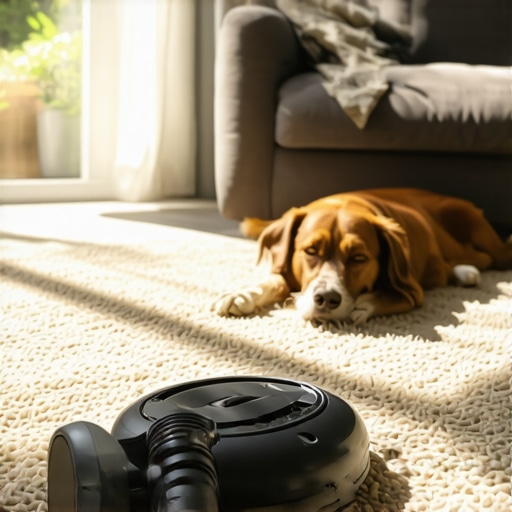
I walked through the front door, dropped my keys, and took a deep breath. I expected the crisp, fresh scent of a clean home—after all, I had spent my entire Saturday morning wrestling the upright vacuum across every square inch of the living room rug. But instead of lemon-fresh bliss, I was greeted by the heavy, unmistakable musk of my labradoodle, Barnaby. It was a punch to the gut. I had the carpet lines to prove I had worked hard, yet the room still smelled like a damp kennel. If you have ever felt like you are just moving pet odors around rather than actually removing them, I have been in your shoes. It is a specific kind of madness to clean for hours and have your nose tell you that you did absolutely nothing. I scrubbed. I sweated. I failed. [image_placeholder_1]
Your Vacuum Might Just Be a Megaphone for Odors
The hard truth I had to learn—the messy way—is that your vacuum might be working against you. Early on in my journey as a pet owner, I thought as long as the canister was empty, I was golden. I was wrong. I was actually making the house smell worse every time I turned the machine on. Think about it: a vacuum pulls in air, passes it through a bag or filter, and blasts it back out. If that filter is clogged with old pet dander and skin cells, you are basically running a giant, motorized air freshener—scented like “Old Dog.”
I realized too late that your vacuum filter could be spreading dust and microscopic allergens back into your breathing zone. According to the American Lung Association, pet dander is microscopic and jagged, making it incredibly easy for it to hitch a ride on air currents and settle back into your fabrics after you think you have sucked it up. This is why a simple pass with the floor tool is not a magic wand. We have to look deeper into the fibers. Have you ever spent a whole afternoon cleaning only to have a guest ask if you just got a dog? Tell me your most frustrating smelly house moment—I promise I have probably had one worse!
Is My Carpet Actually Beyond Saving?
That was my biggest fear. I stood there looking at my rug, wondering if the only solution was to rip it out and live on cold, hard concrete. But before you start looking at floor samples, let us talk about what is actually happening. Odors are not just sitting on the surface; they are trapped in the backing of your carpet and the padding of your furniture. If you have ever tried to lift muddy paw prints from a cream rug, you know that moisture and oils sink deep very quickly.
My biggest mistake was focusing only on the floor. I ignored the sofa, the curtains, and the baseboards. I did not realize that pet hair and dander are social creatures—they love to hang out in the places your vacuum nozzle simply cannot reach. To get that new house smell back, you need to follow an ultimate upholstery care guide that addresses the soft surfaces where smells actually live. Today, I am going to show you how to break this cycle. We are not just going to clean; we are going to neutralize. We are going to look at the hidden spots you are missing and the simple maintenance steps that will finally make your vacuum your ally instead of your enemy.
Stop Pushing the Dirt Around
Your vacuum is essentially a high-speed wind tunnel. If the air coming out of it smells like a wet dog, you aren’t cleaning; you are aerosolizing odors. The first step in any successful cleaning routine isn’t turning the machine on—it is maintaining the machine itself. Think of your vacuum like a kitchen sponge. You wouldn’t use a greasy, gray sponge to wash your dinner plates, yet we often expect a clogged vacuum to leave our floors pristine. I learned this the hard way when Barnaby’s dander started triggering my own allergies despite my daily vacuuming.
Swap Your Filter Before the Next Pass
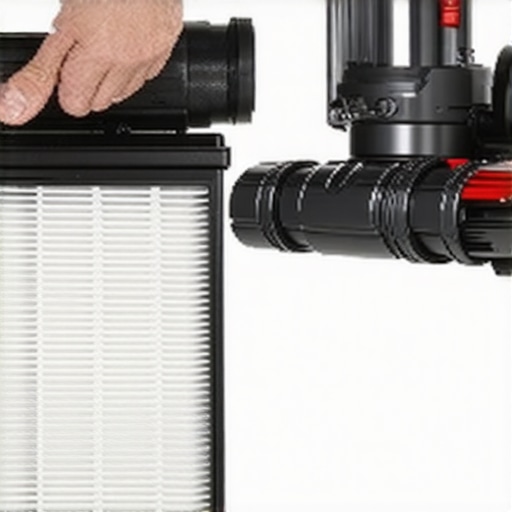
If you haven’t changed your HEPA filter in six months, you are basically trying to breathe through a dirty sock. I realized that your vacuum filter is actually spreading dust throughout the house if it is not cleaned or replaced regularly. To stop this cycle, check the manufacturer’s guide for your model. Most canisters need to be washed with warm, soapy water, and pleated filters should be tapped out outdoors or replaced. Once I committed to a daily house cleaning routine to maintain perfection, the air quality in my living room changed overnight.
Treat Your Sofa Like a Giant Sponge
Soft surfaces are the biggest scent traps in any home. Fabrics like velvet, linen, and microfiber absorb ambient odors and hold onto them for years. When I finally used proper upholstery cleaning tips for a fresh home revival, I was horrified by the color of the water in my extractor. To do this yourself, start by identifying your fabric code. You must know how to treat s-coded upholstery fabric without ruining it, as using water on ‘Dry Clean Only’ materials can leave permanent rings. For standard fabrics, an enzymatic cleaner is your best friend because it actually eats the proteins in pet dander that cause the smell.
Hunt Down the Hidden Scent Traps
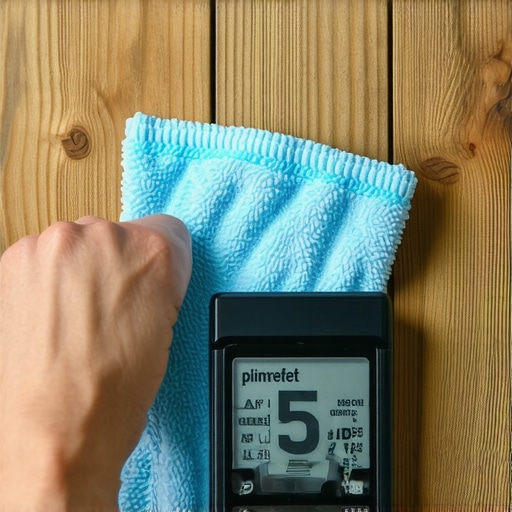
Odors don’t just sit on the rug; they float and settle. This is why professional cleaners always start at the top of the room. If you clean the floor first, the dust you knock off the ceiling fans and curtains will just land on your clean carpet ten minutes later. Use a microfiber cloth to wipe down walls and light fixtures where microscopic pet oils can cling and create a lingering musk.
The Baseboard and Corner Deep Clean
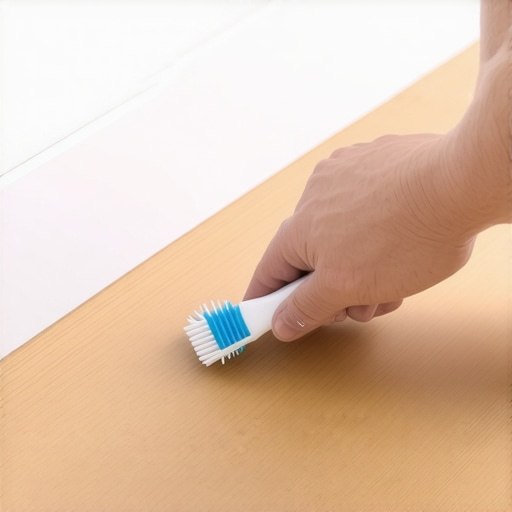
I once spent an entire Saturday wondering why my hallway smelled like a kennel, only to find a ‘drift’ of Barnaby’s hair tucked behind a door hinge. Gravity is your enemy here. Fur and dander collect in the tiniest crevices of your trim. I started using the toothbrush trick for removing pet dander from baseboard crevices to get into those tight right angles where a vacuum nozzle is too bulky to reach. It is tedious, but it is the difference between a house that looks clean and a house that smells clean.
Sanitize the High-Touch Fabric Areas
To truly reset your home, you have to go beyond the visible dirt. Using effective sanitizing methods for a germ-free home ensures that the bacteria causing the odors are actually neutralized. This is especially important for pet beds and throw blankets. Don’t just wash them; use a laundry sanitizer and the highest heat setting the fabric can handle. These sanitizing secrets for a safer house in 2025 are what separate a quick tidy-up from a professional-grade deep clean. By implementing these house cleaning strategies for a sparkling home today, you can finally reclaim your space from the ‘dog smell’ and breathe easily again.
The toxic myth of the ‘clean’ chemical scent
We need to talk about the ‘clean’ smell. Most people assume that if a room smells like bleach or heavy floral perfume, the germs are gone. This is a dangerous trap. In my years of battling Barnaby’s messes, I’ve learned that a scent is often just a mask for lingering bacteria. Real clean actually has no smell at all. If you are relying on sprays, you might be ignoring the fact that surfactants—the stuff in soap—can actually be your worst enemy if not fully rinsed. Have you ever noticed your carpet feels ‘crunchy’ or gets dirty faster after a DIY cleaning? That is because leftover soap acts like a magnet for new dirt. These are the kinds of effective house cleaning secrets from cleaning experts that most homeowners miss during their Saturday chores.
Is steam cleaning really enough to sanitize your high-traffic zones?
This is the question I get asked most often when friends see my steam mop. The short answer is: rarely. While steam is great for loosening dirt, it often doesn’t reach the temperature or duration required to truly disinfect. Is steam cleaning enough to kill bacteria on high-touch surfaces in a single pass? Usually, no. According to the Environmental Protection Agency (EPA), many common household disinfectants require a ‘dwell time’—the period the surface stays visibly wet—of 3 to 10 minutes to be effective. Most people spray and wipe within three seconds, which effectively just spreads the pathogens across a wider area rather than killing them. Have you ever fallen into this ‘spray and dash’ trap? Let me know in the comments!
Stop using heat to treat your stains
The biggest ‘oops’ factor I see with upholstery and carpet care is the obsession with hot water. Everyone says use the hottest water possible, but in my experience, that is a recipe for permanent damage. If you are dealing with organic messes—like blood or pet accidents—heat actually ‘cooks’ the proteins into the fibers. This is exactly why you should never use hot water on a fresh blood stain. You are essentially dyeing the fabric with the mess. I’ve seen beautiful sofas ruined because someone tried to use a blow dryer to speed up the process, not realizing why you should never use hairdryers on wet fabric spills. It sets the stain and can even melt synthetic fibers like polyester.
The nuance of the move-out deep clean
When you are trying to get a deposit back, the ‘visible’ clean isn’t what matters to landlords. They are looking for the structural grime. I learned this the hard way after losing half a deposit over ‘dusty’ walls. Most people forget that walls breathe and hold onto odors. There are at least 7 hidden dust traps renters forget during move-out inspections, ranging from the tops of door frames to the internal tracks of windows. Using specific move-out cleaning hacks to ensure your deposit refund means looking at your home through the eyes of a skeptic. It isn’t just about making it look pretty; it’s about removing the layers of living that we stop noticing after six months. If you focus on the ‘hidden’ zones like the space behind the fridge or the baseboard crevices, you’ll find that the overall air quality of the home improves naturally without a single drop of ‘lemon-scented’ air freshener.
I have realized that the one-and-done approach to deep cleaning is a myth that keeps most of us frustrated. If you want that pristine feeling to last beyond a few days, you need both the right hardware and a system that prevents grime from snowballing. For me, that meant moving beyond the basic broom and investing in a high-quality upright with a sealed HEPA system. The Carpet and Rug Institute (CRI) actually provides a Seal of Approval program that tests vacuums for soil removal and dust containment; looking for that seal was a total game-changer for my indoor air quality. I no longer feel like I am just recirculating the dust that Barnaby brings in from the yard.
My essential kit for fiber-deep results
I keep a very specific caddy for maintenance. Besides the machine itself, I swear by a nylon detailing brush—not the soft kind, but something with enough backbone to agitate fibers. This is my secret weapon when I am following upholstery cleaning tips for a fresh home revival. I also keep a stash of distilled water for my steamer. Tap water contains minerals that eventually clog the internal lines, turning a specialized tool into a paperweight. If you ignore this, the fact that your vacuum filter might be making your allergies worse becomes the least of your worries as your entire cleaning fleet begins to fail. I have found that effective house cleaning secrets from cleaning experts often boil down to the quality and care of the tools you use every day.
How do I maintain professional freshness over the long haul?
The secret is a rolling schedule rather than a weekend marathon. I stopped trying to tackle the whole house on Saturday. Instead, I follow a daily house cleaning routine to maintain perfection that targets different zones. On Mondays, I focus on high-traffic floor zones where the most dander settles. On Tuesdays, I hit the soft surfaces. By the time Friday rolls around, I am not exhausted, and the house never has a chance to develop that heavy, lived-in musk. These sanitizing hacks for safe house transitions are just as useful for daily life as they are when moving.
Why your washing machine might be the secret culprit
Don’t forget your appliances in your quest for a scent-free home. A common culprit for a smelly house is actually the tool meant to clean your fabrics. You need to know how to get rid of the musty odor in your washing machine because those spores will hitch a ride on your linens and settle right back into your sofa or rug. This is one of those sanitizing secrets for a safer house in 2025 that we often overlook while focusing on the floors.
The future of high-efficiency home maintenance
Looking ahead, I suspect we are going to see a massive shift toward smart sanitizing—think AI-driven air purifiers that sync with your vacuum to ramp up filtration when it detects a high particulate load. Until then, we rely on manual diligence. I challenge you to do one thing today: take five minutes to pull the filter out of your vacuum. If it is gray or smells like a kennel, wash it or order a replacement immediately. It is the single most effective way to upgrade your house cleaning strategies for a sparkling home today without spending a fortune on new gear. Real progress starts with the maintenance of the tools that do the heavy lifting.
The Hard Truths I Learned While Chasing a Scent-Free Home
Looking back at my early struggles with Barnaby’s presence, I realize I was focused on the wrong things. First, the scent-masking trap is real. I used to think a bottle of lavender spray was a solution, but it only created a floral dog bouquet that was arguably worse. Real cleanliness is the absence of smell. Second, I learned that you cannot clean a house with dirty tools. If you do not know how to get rid of the musty odor in your washing machine, your towels and throws will never truly be fresh. Finally, consistency beats intensity. A massive cleaning binge once a month is nowhere near as effective as a daily house cleaning routine to maintain perfection that stops the dander from settling in the first place.
The Toolkit That Actually Delivers Results
I have wasted hundreds on gadgets that did not work, so here is what stays in my cleaning caddy. I rely on a vacuum with a certified sealed HEPA system—anything less just leaks dust back into the air. I also swear by enzymatic cleaners; they are the only things that truly break down biological odors at the source rather than just covering them up. For those planning a transition, a move-out clean checklist to simplify your transition is essential to ensure you are not missing the spots landlords love to scrutinize. I also highly recommend keeping effective house cleaning secrets from cleaning experts bookmarked because pro-grade techniques save you hours of wasted scrubbing.
Reclaim Your Space One Room at a Time
It is easy to feel defeated when your home does not feel as clean as you would like, but remember that even the pros started with a single dirty filter. By applying these house cleaning strategies for a sparkling home today and paying attention to the sanitizing secrets for a safer house in 2025, you are doing more than just tidying up—you are creating a healthier sanctuary for yourself and your pets. Don’t be afraid to pull out that sofa and face the dust bunnies head-on. Which part of your house feels like it is constantly fighting back against your cleaning efforts? Share your most stubborn cleaning challenge in the comments below!